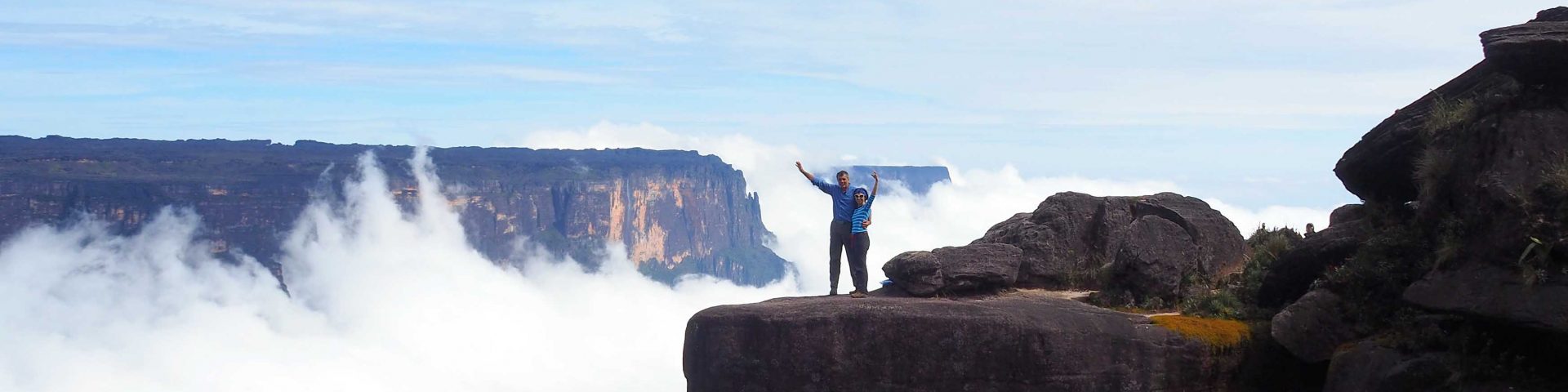
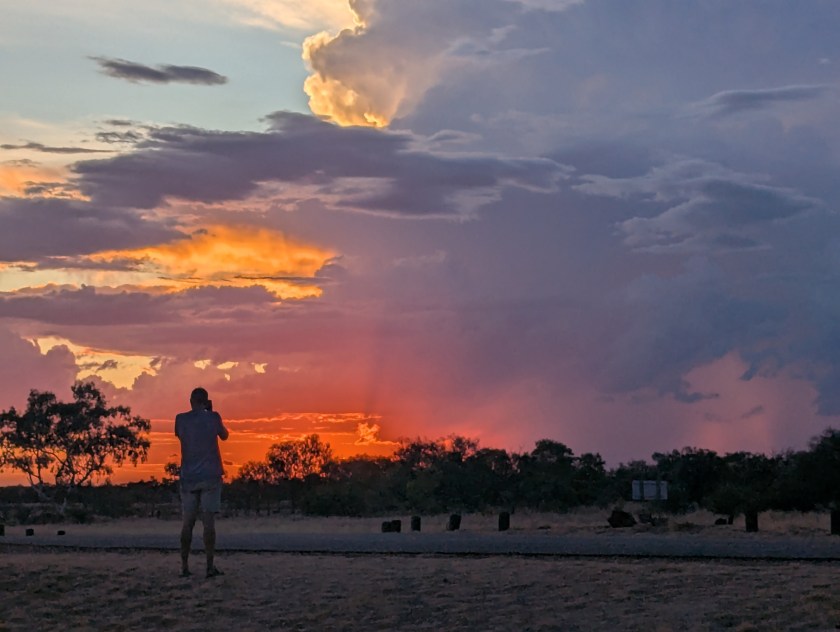
Previously in Australia…
Being stubborn and overconfident, we set out to explore Australia in the middle of summer. Local people warned us that surviving without air conditioning in our motorhome, La Casita, would be difficult, but we didn’t listen.
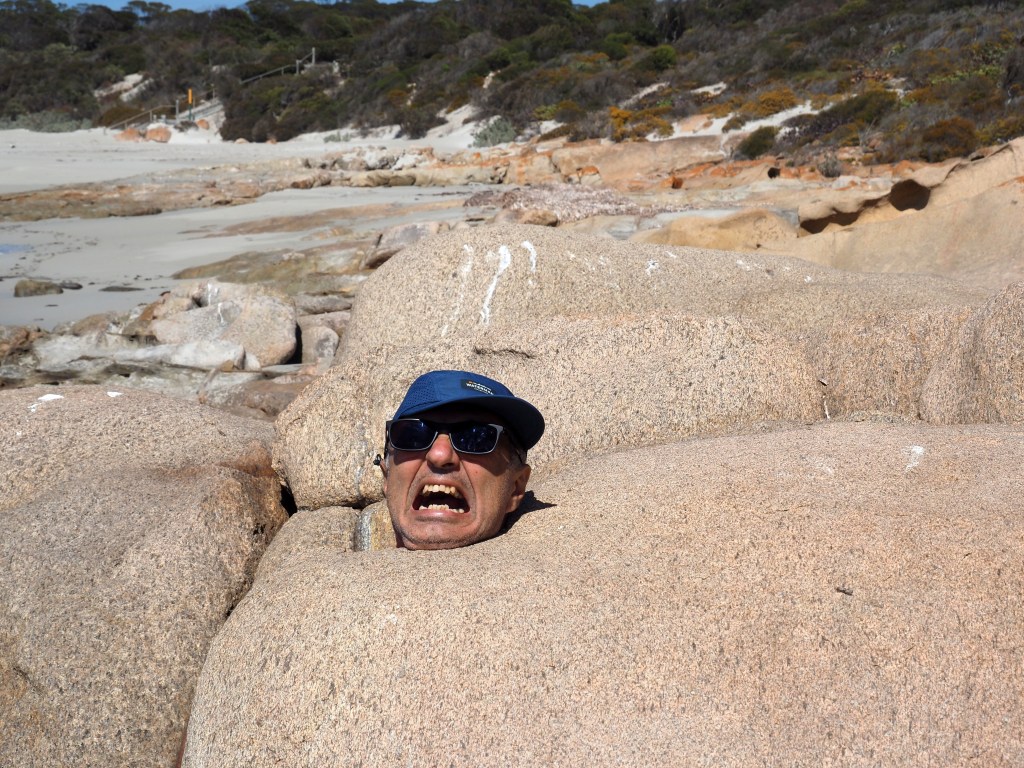
By the end of Western Australia, we were already showing classic symptoms of prolonged heat exposure and heat exhaustion: muscle cramps, heat rash, and questionable decision-making—like buying a portable AC unit and shipping it to the most unexpected place imaginable (Port Hedland—yes, people live there too). We also developed an affection for hotels and cabins, burning money on lifesaving air-conditioned oxygen.
At the end of February, still deep in the peak of summer, we finally reached the Northern Territory—slightly melted but technically alive.
Western Australia has some of the best paved roads in the world, or at least the best ones we’ve ever driven. The Northern Territory roads, however, are… more adventurous. After a long drive, I noticed my Fitbit proudly counting road bumps as steps. Apparently, my fitness journey now includes potholes. Still, compared to roads in Mexico or Bulgaria, we really have nothing to complain about.
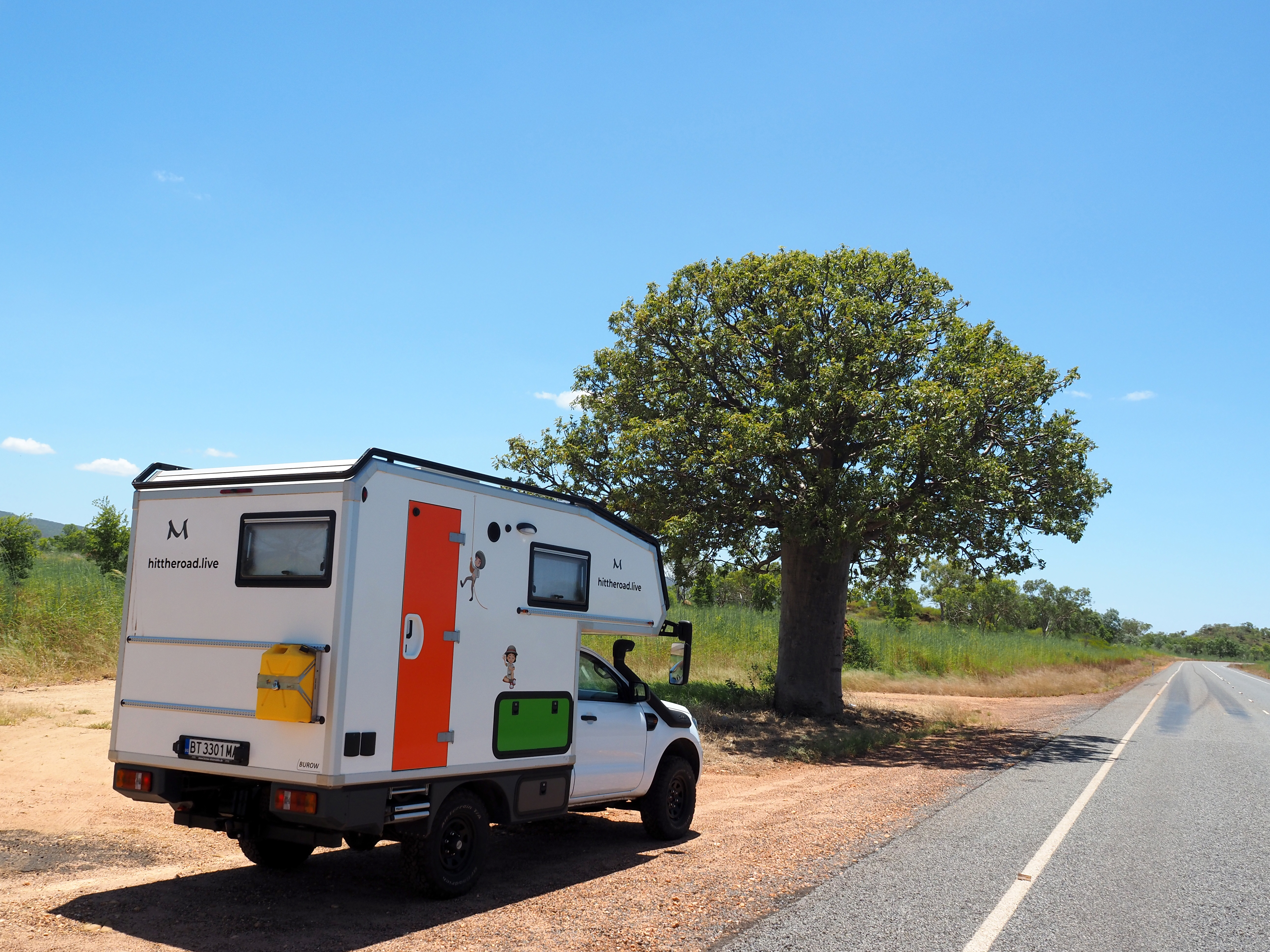
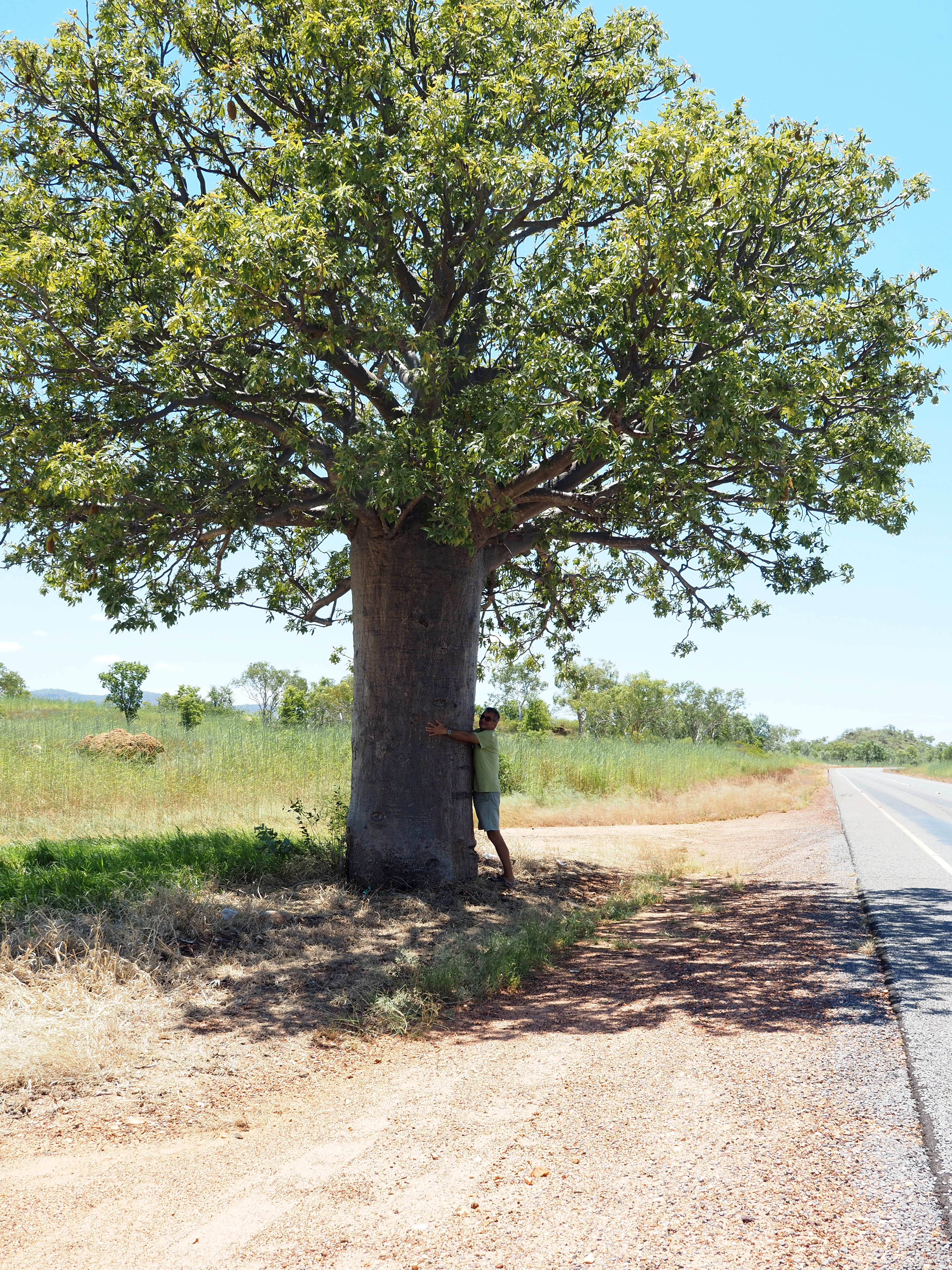
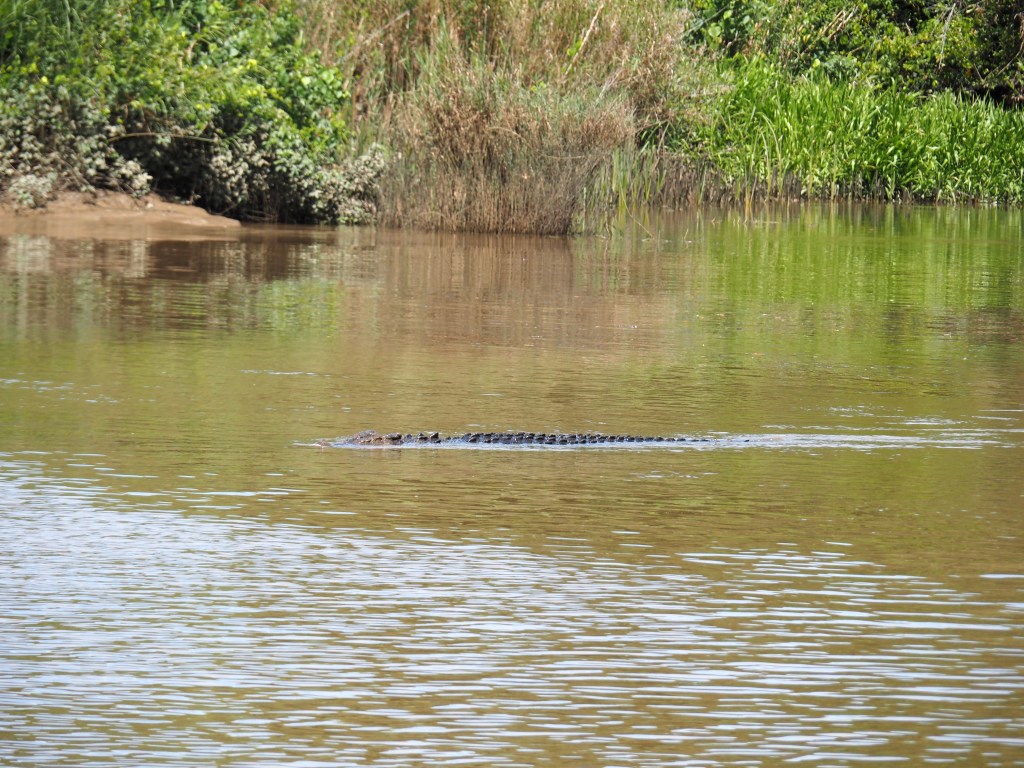
The other thing I noticed as we headed north was the rivers and the baobab trees. Western Australia has rivers too, especially in the gorges of Karijini and Kalbarri National Parks, but up north, the rivers were full-bodied, muddy, and looked genuinely menacing—like they were actively planning something. I immediately became angry at Ivan for walking too close to the riverbank. Crocodile attacks are not unheard of in this part of the country, and I was not interested in becoming a cautionary tale.
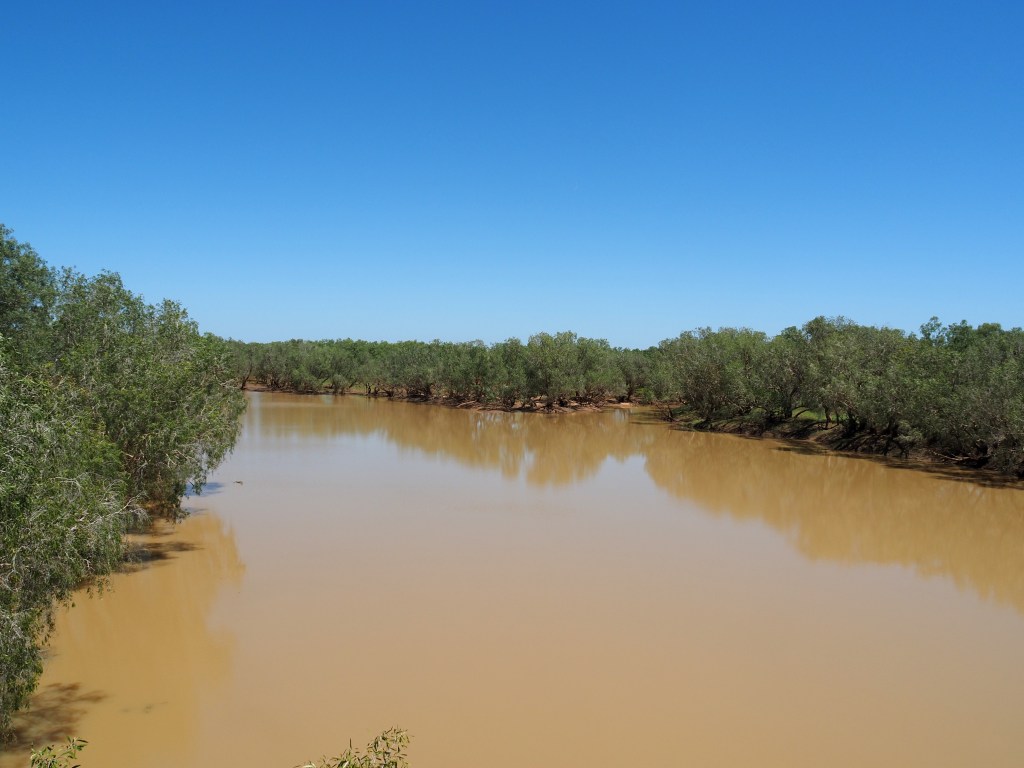
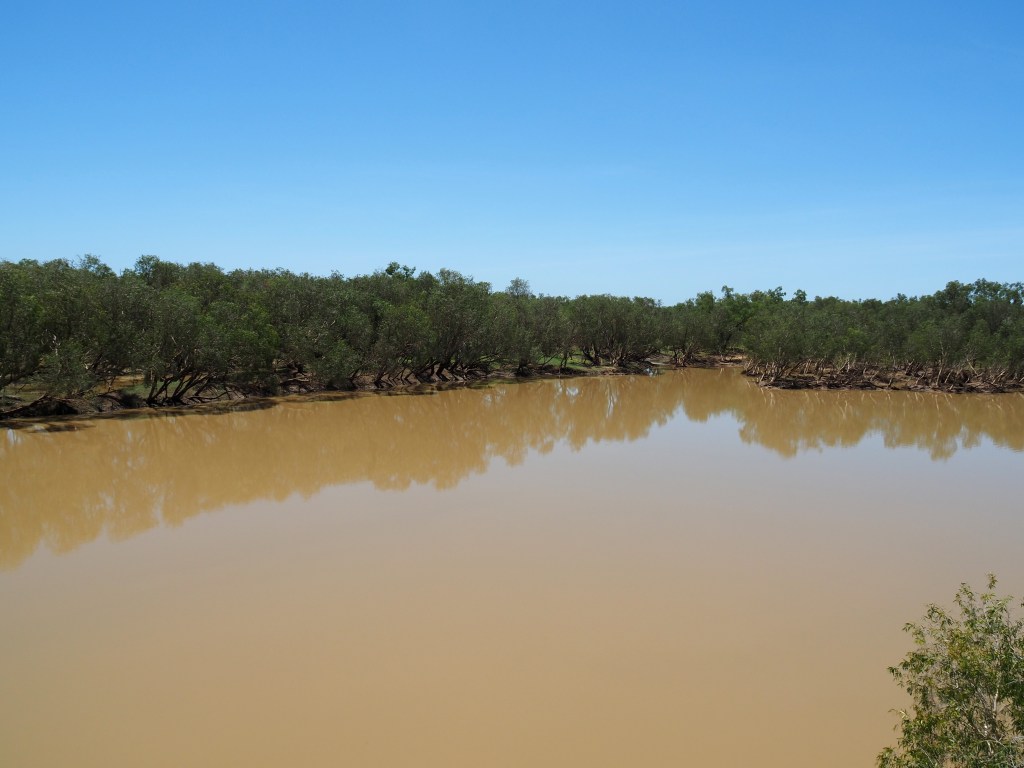
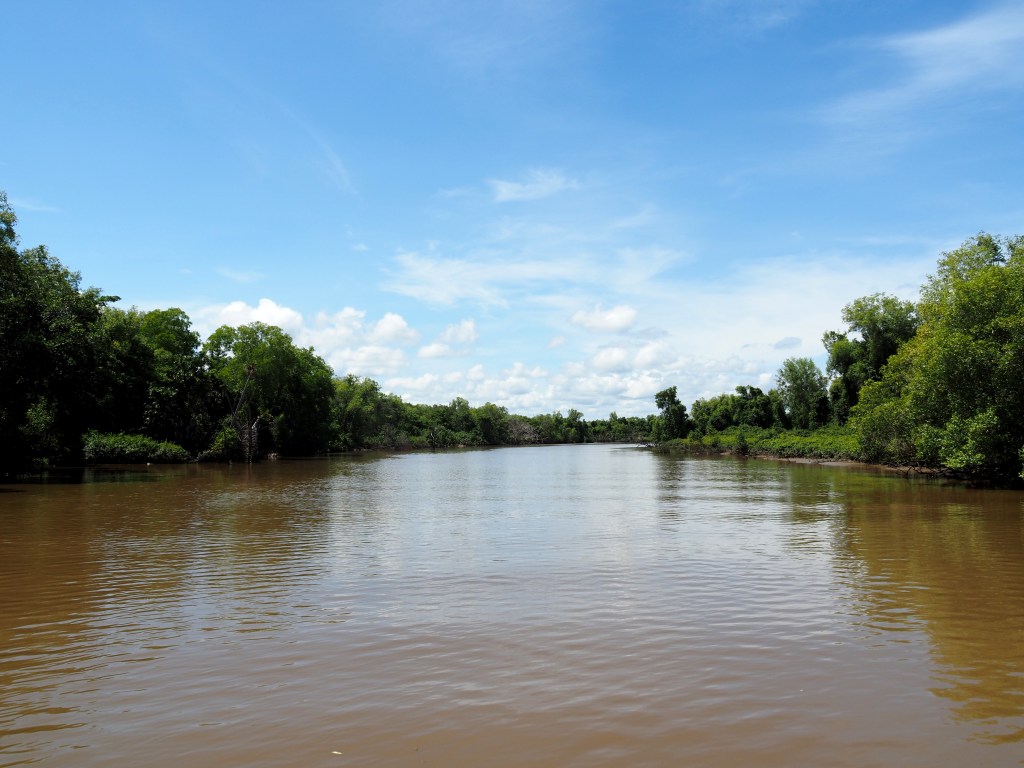
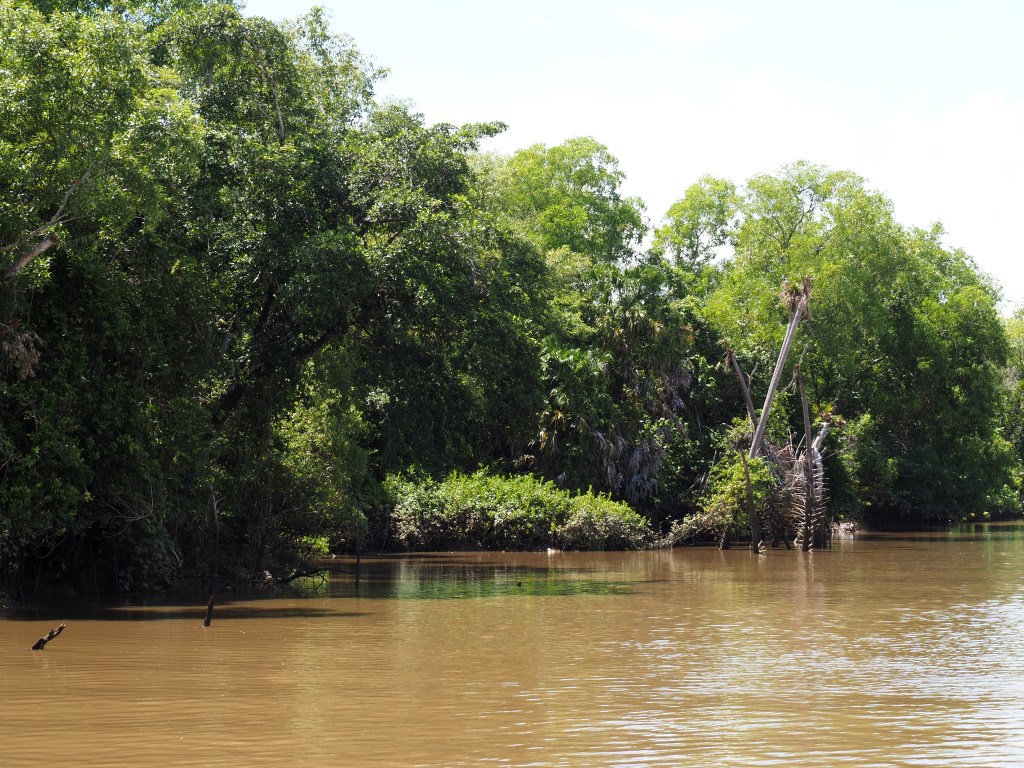
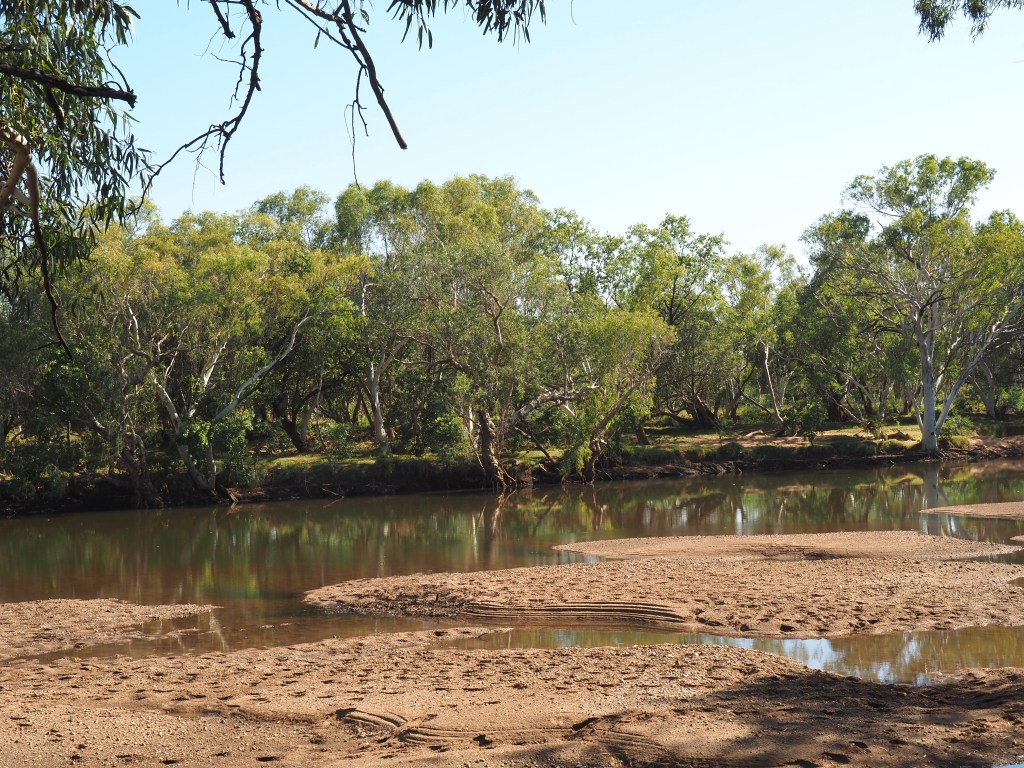
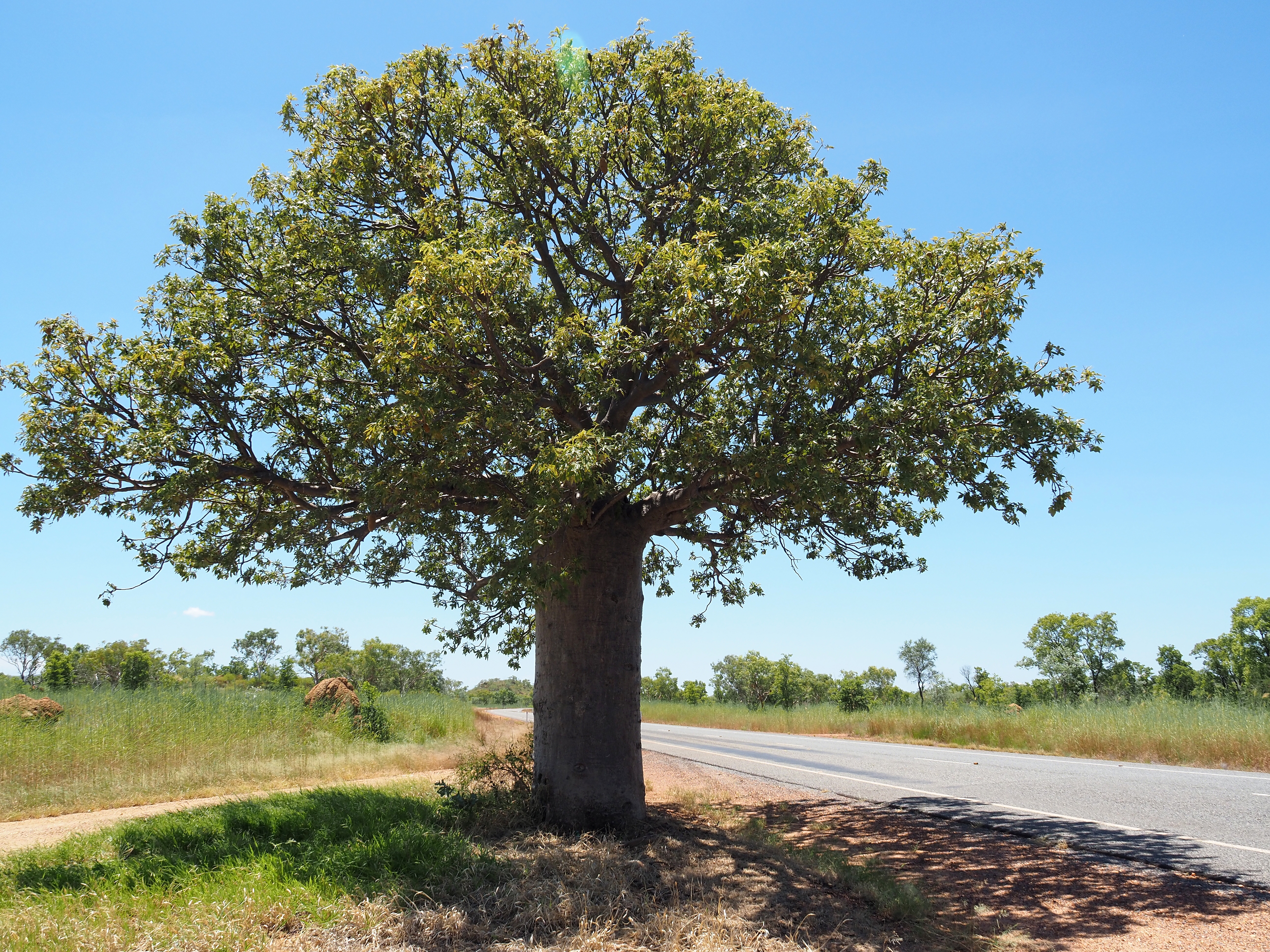
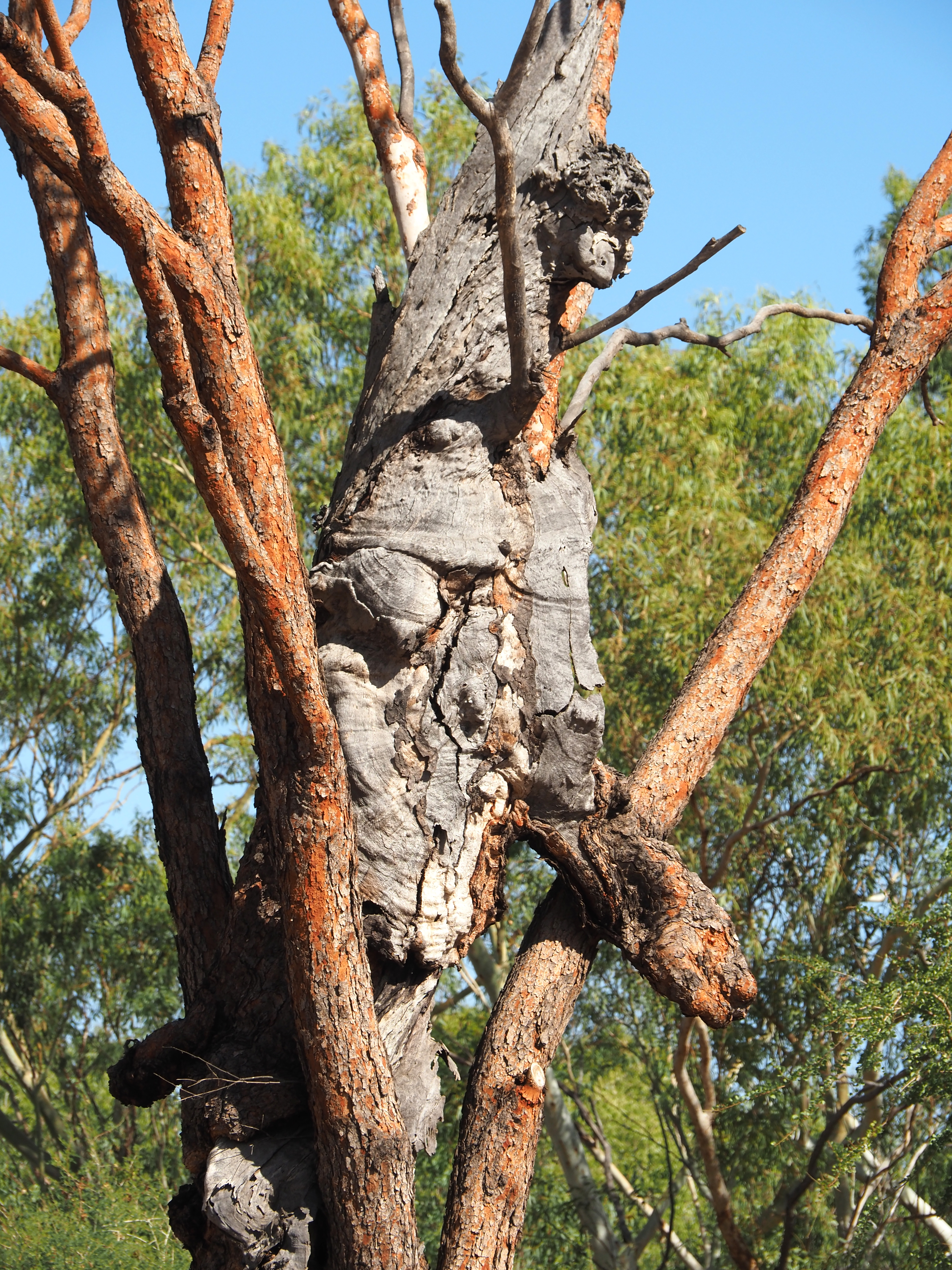
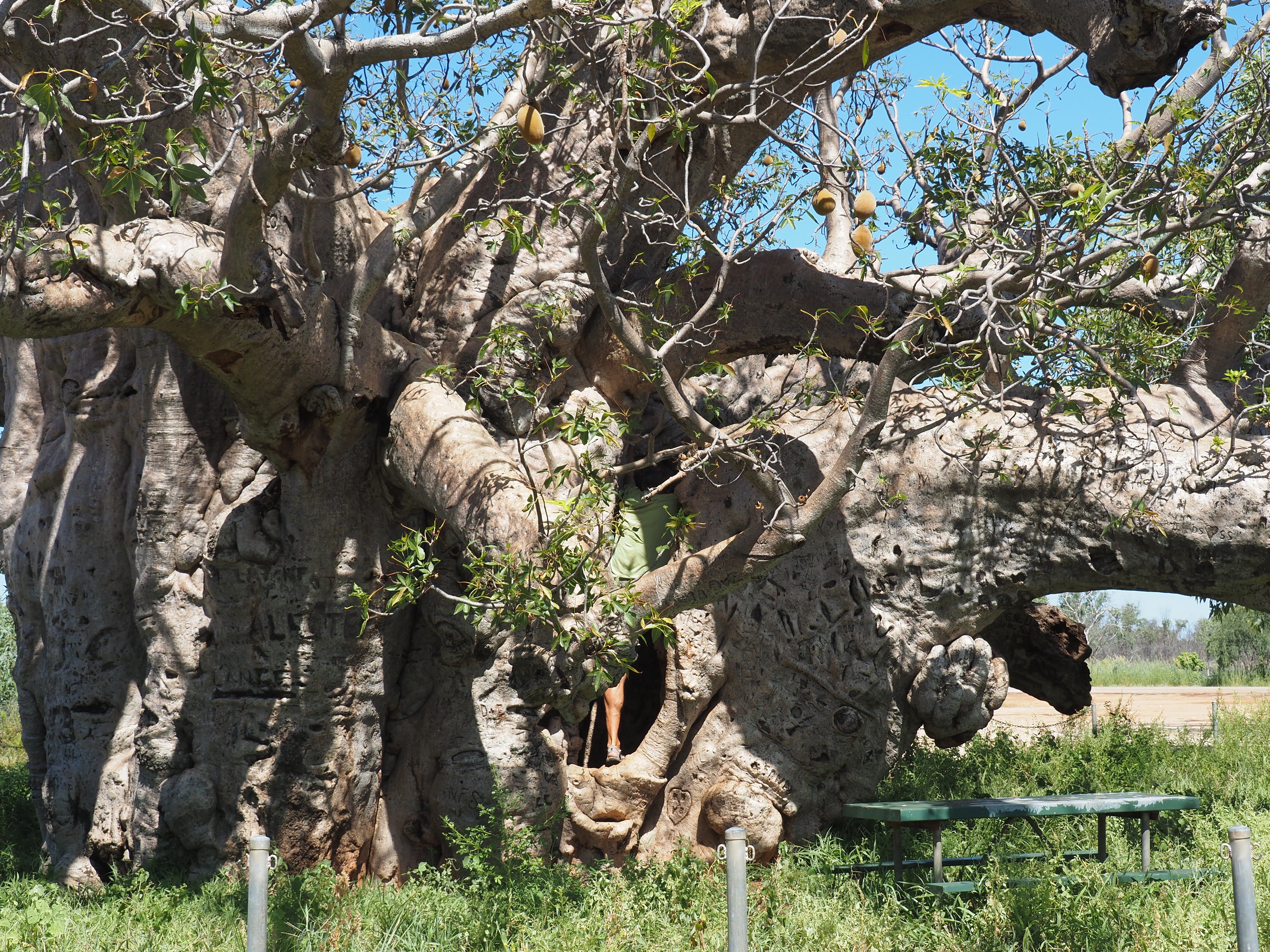
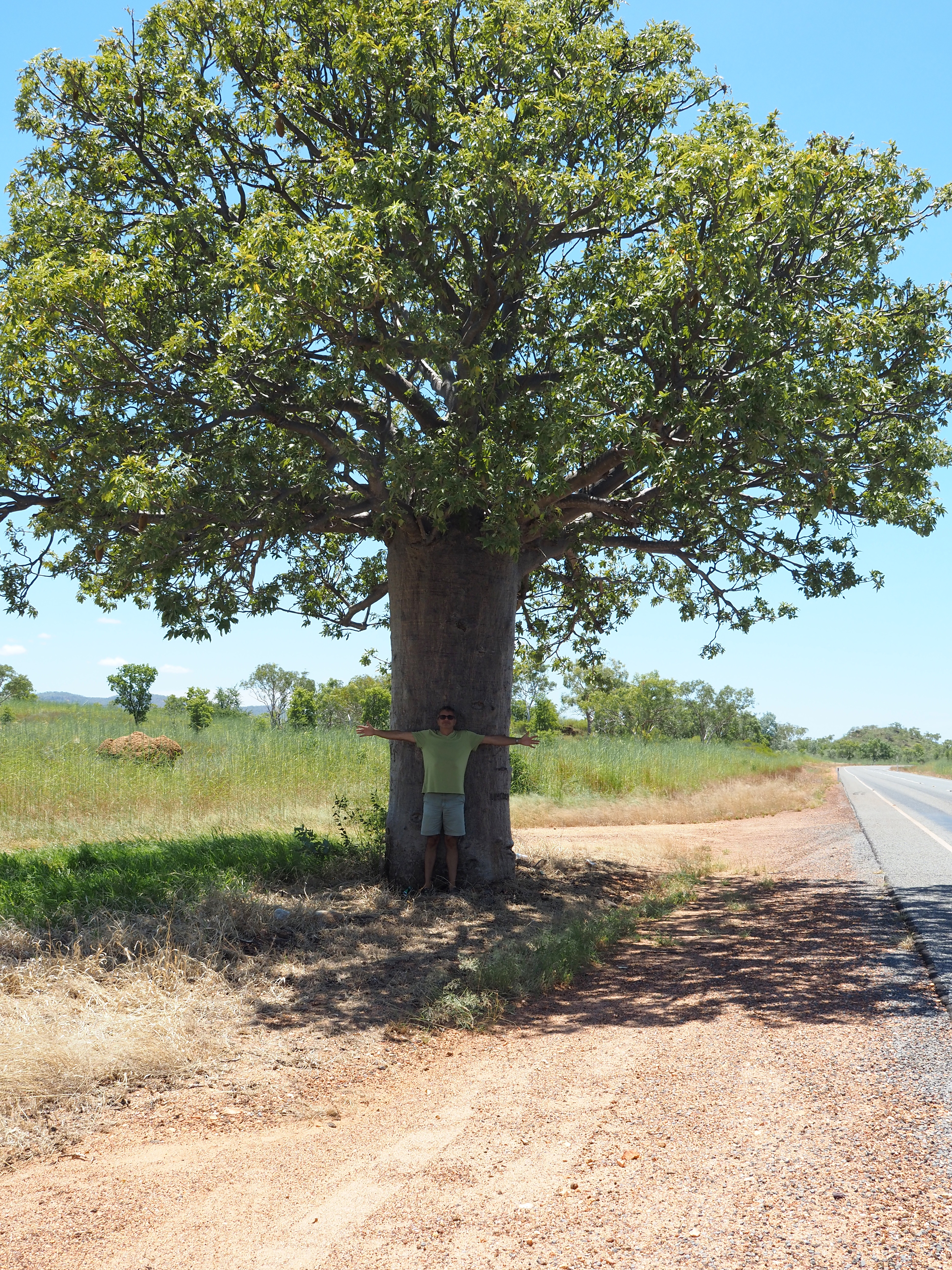
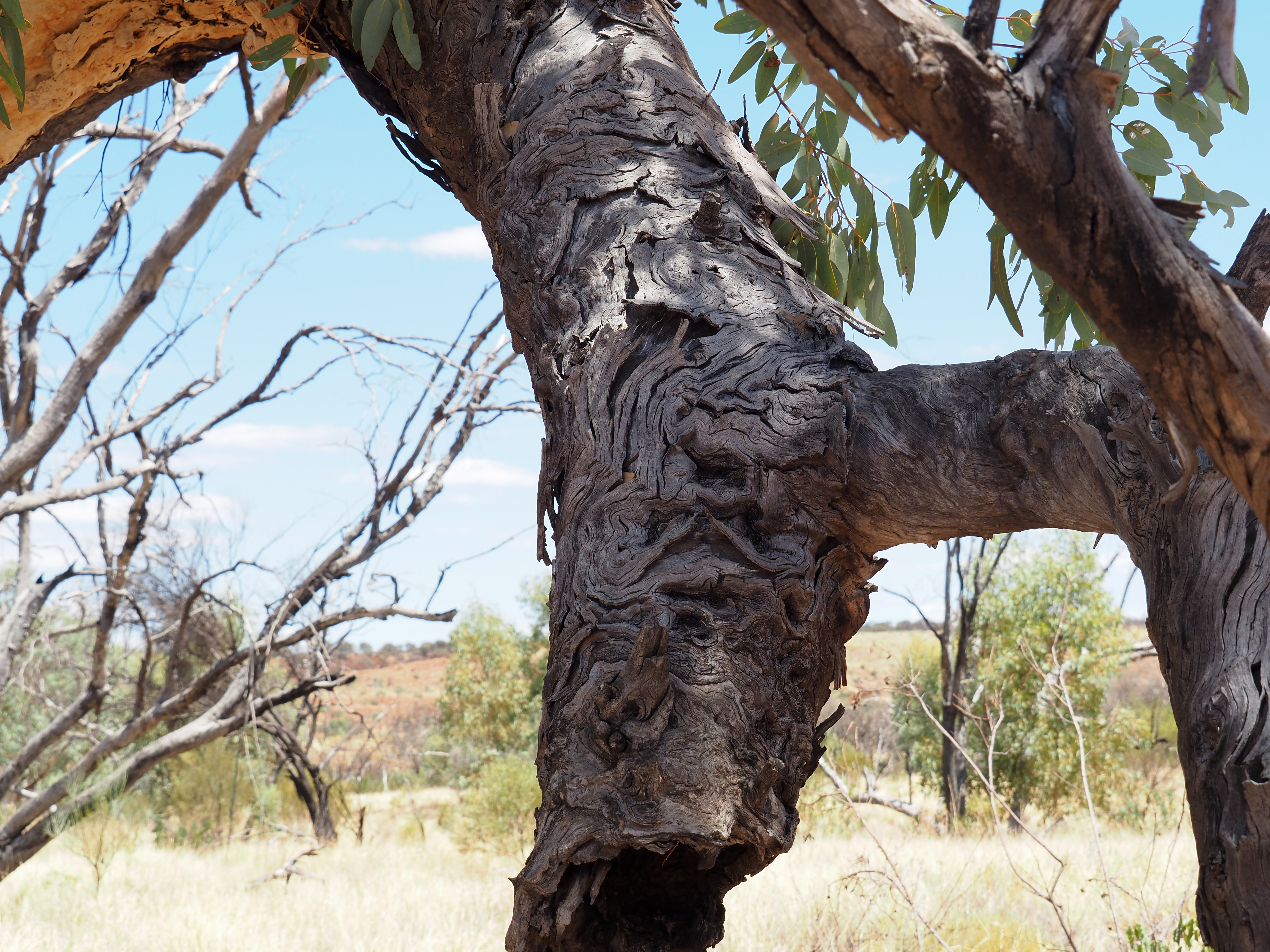
We loved the trees on the way to Darwin. The drive took much longer than planned because Ivan stopped to take pictures of every big, beautiful tree along the way. And there are a lot of big, beautiful trees.
Then came the moment that stopped us completely: a field just before Katherine filled with sulphur-crested cockatoos. Imagine a few thousand cockatoos eating grain.
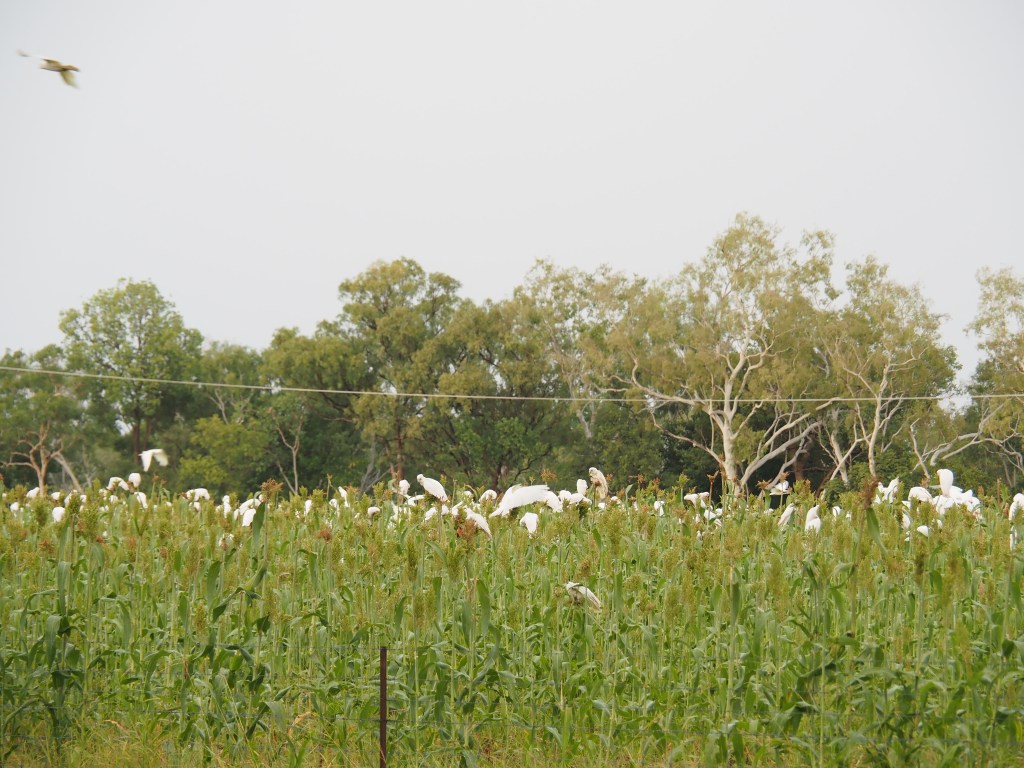
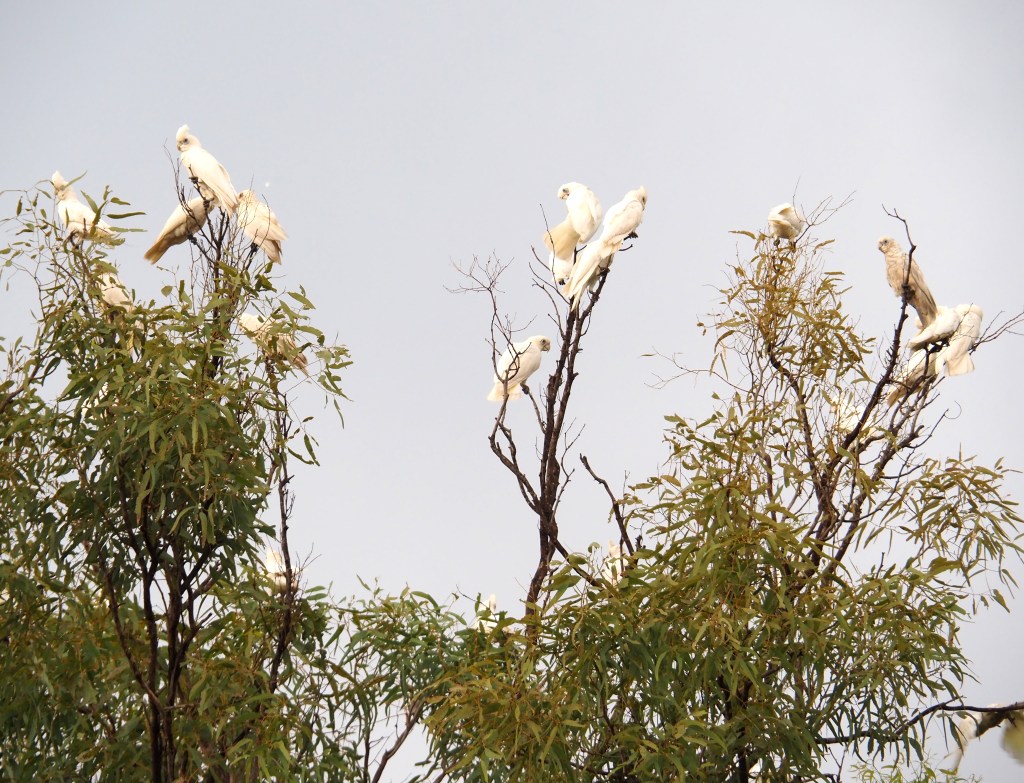
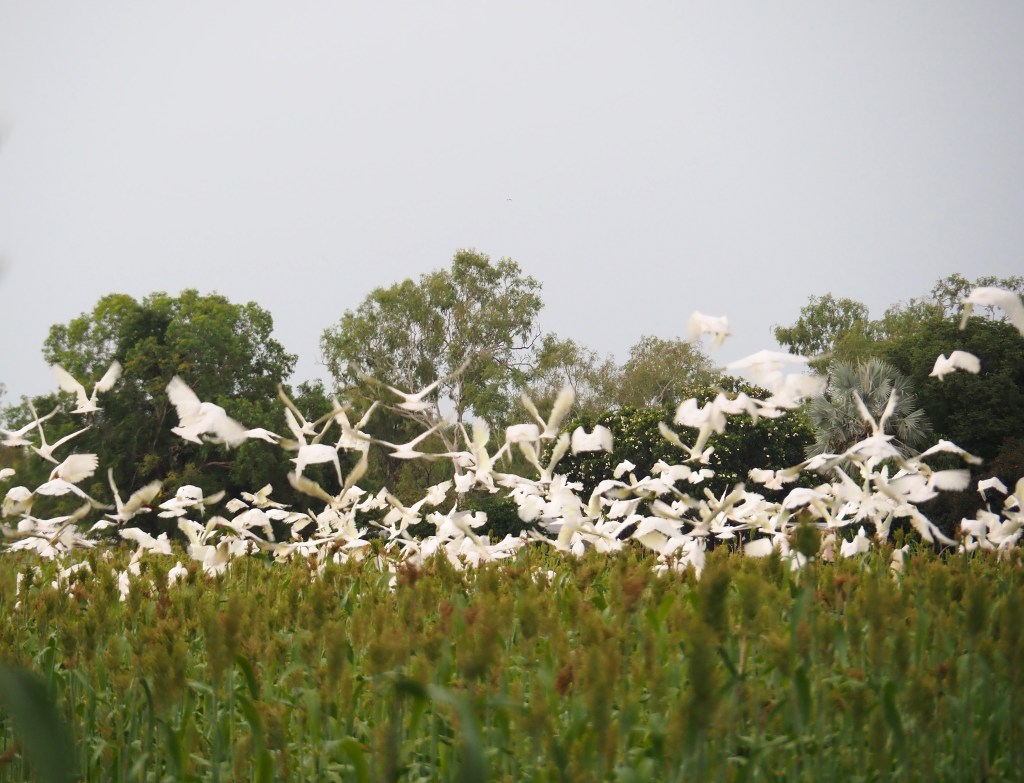
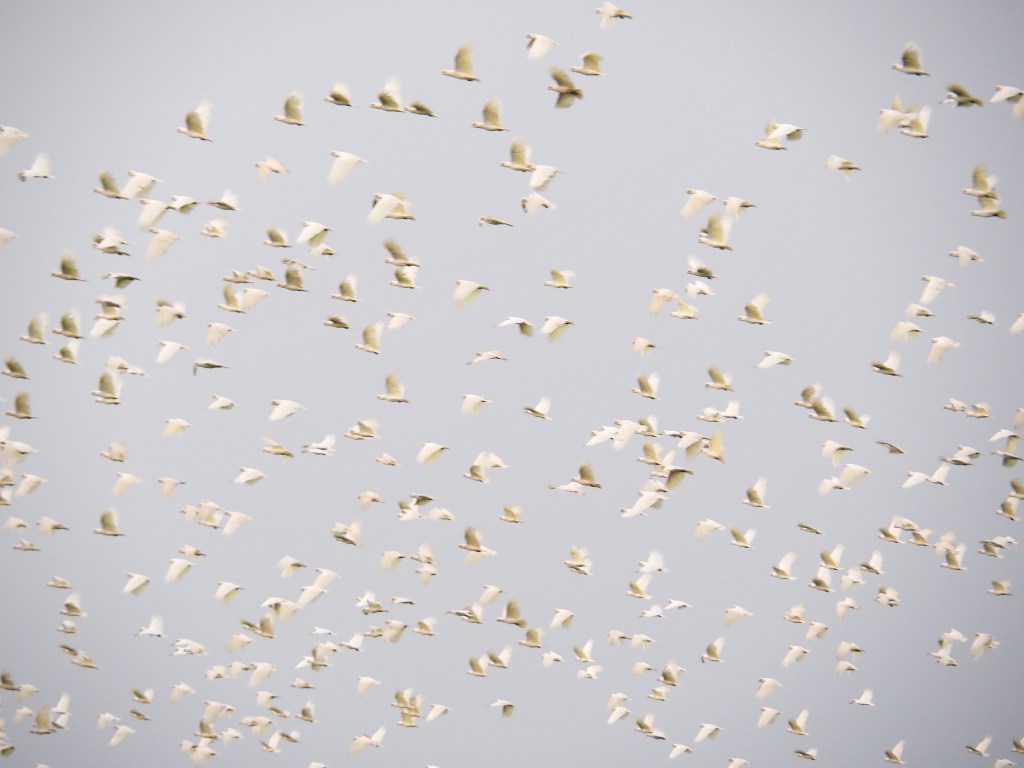
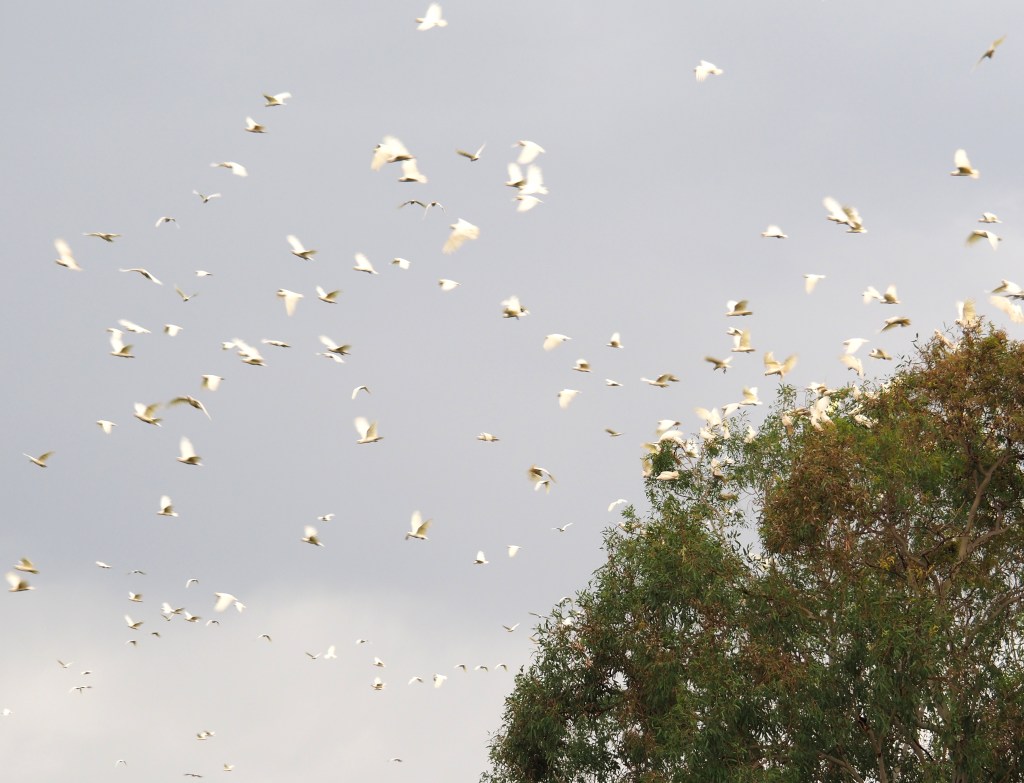
Now imagine the noise a few thousand cockatoos can make. Now imagine what happens when they all get scared and take off at once. The photos don’t do this picture justice.
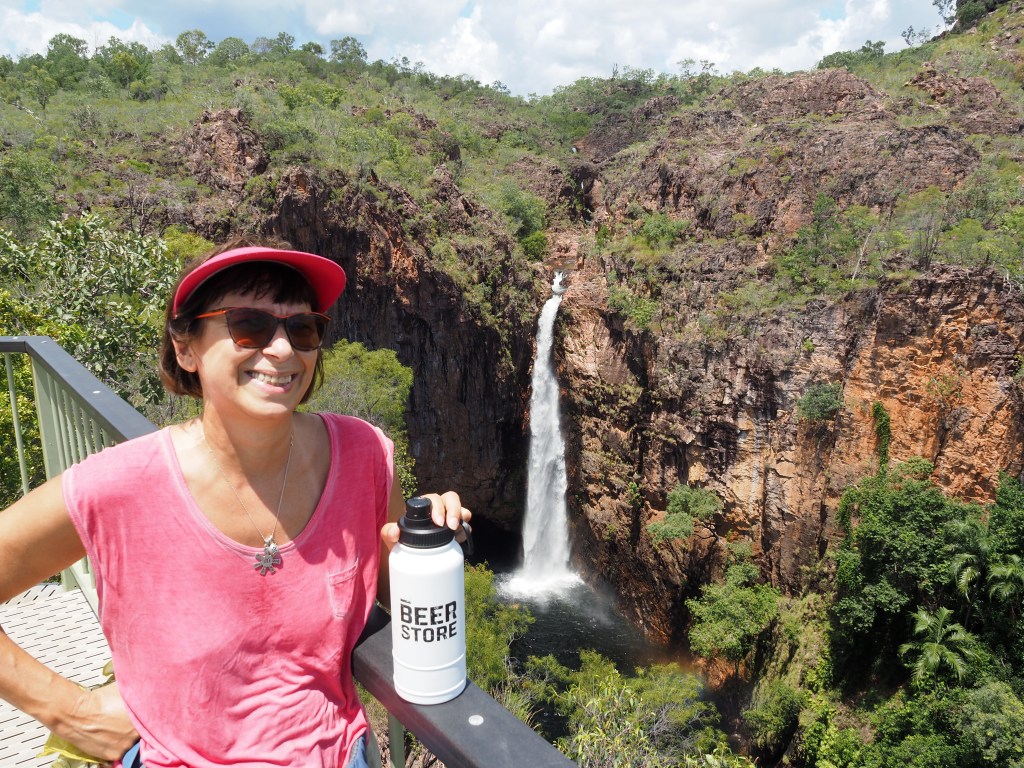
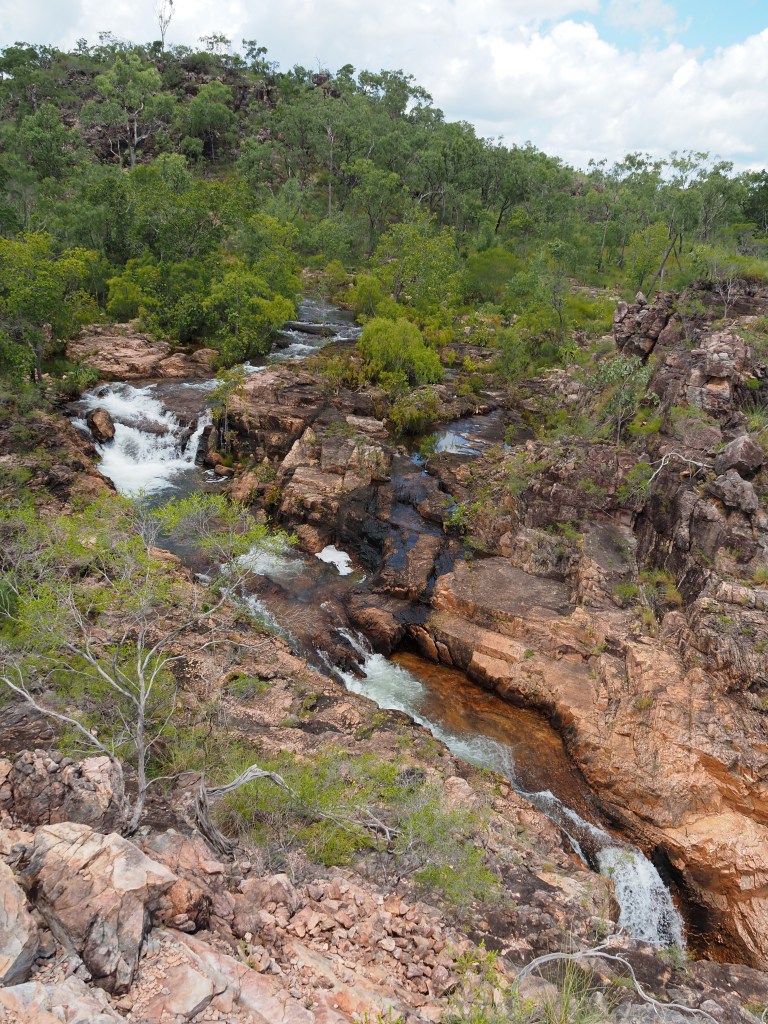
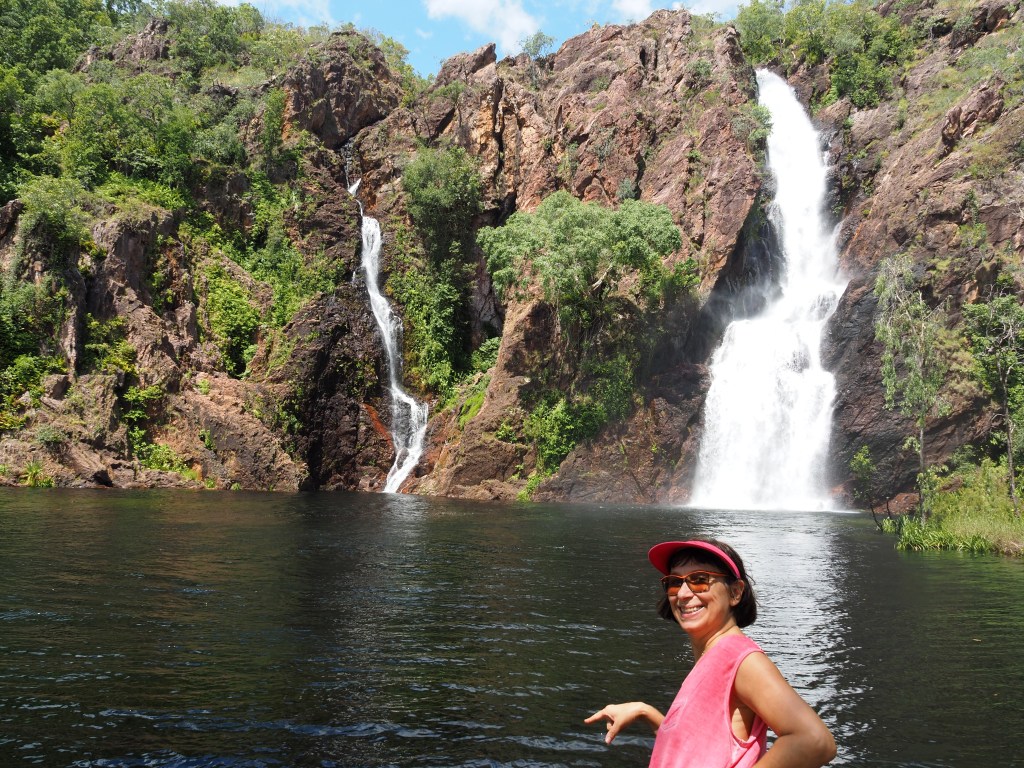
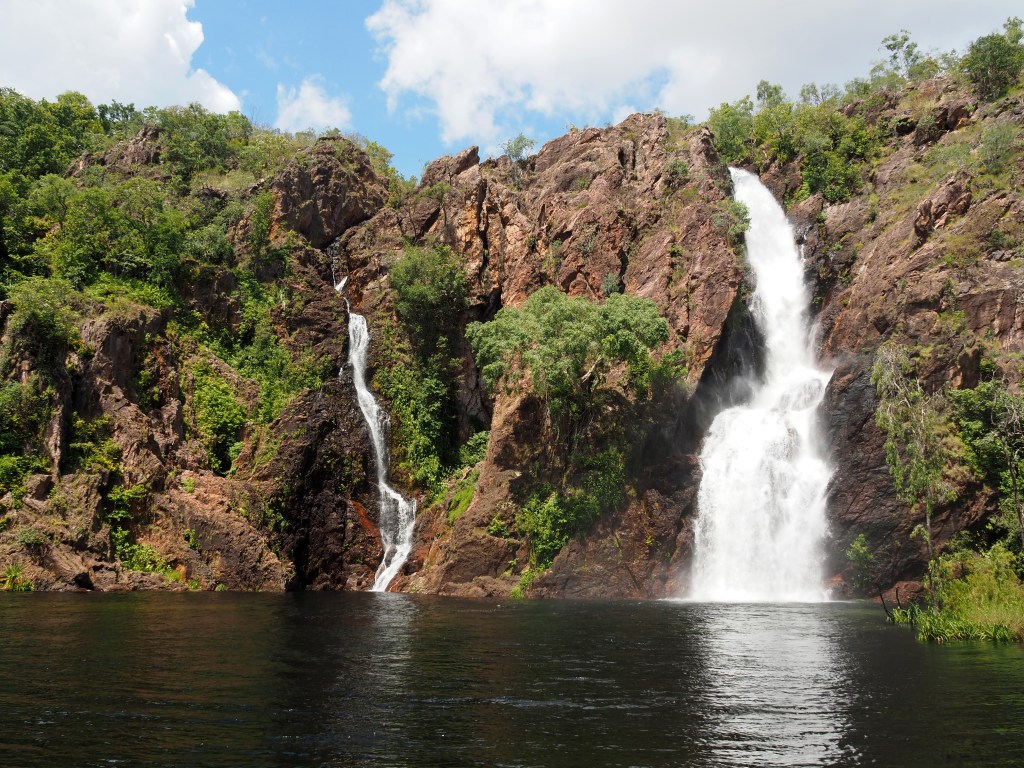
There is no way to drive to Darwin without stopping at Litchfield National Park. Hiking in summer around Darwin is a very brave thing to do, but we couldn’t resist the lush rainforest and took a few short walks to see the waterfalls. “Short” is the keyword here.
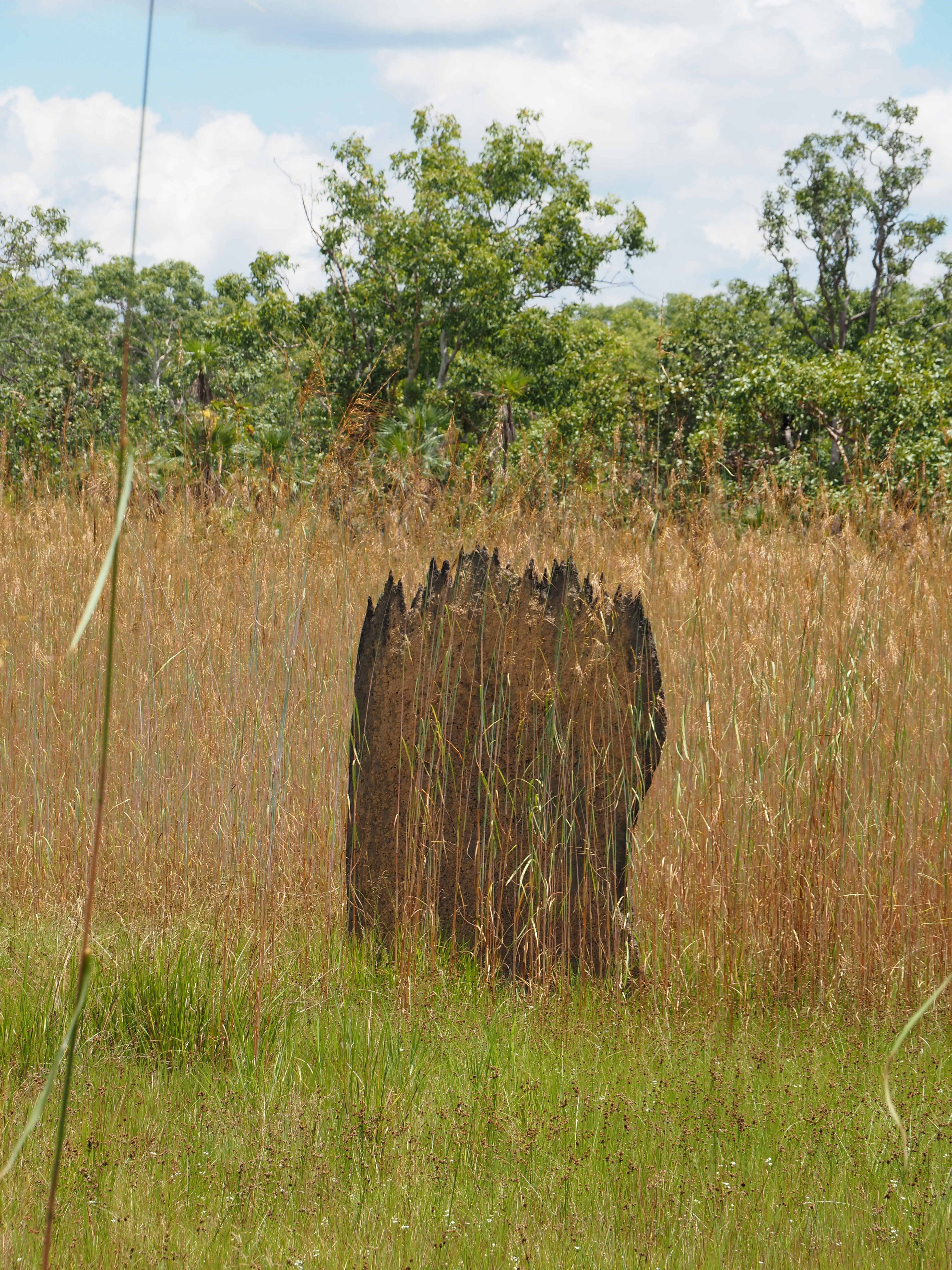
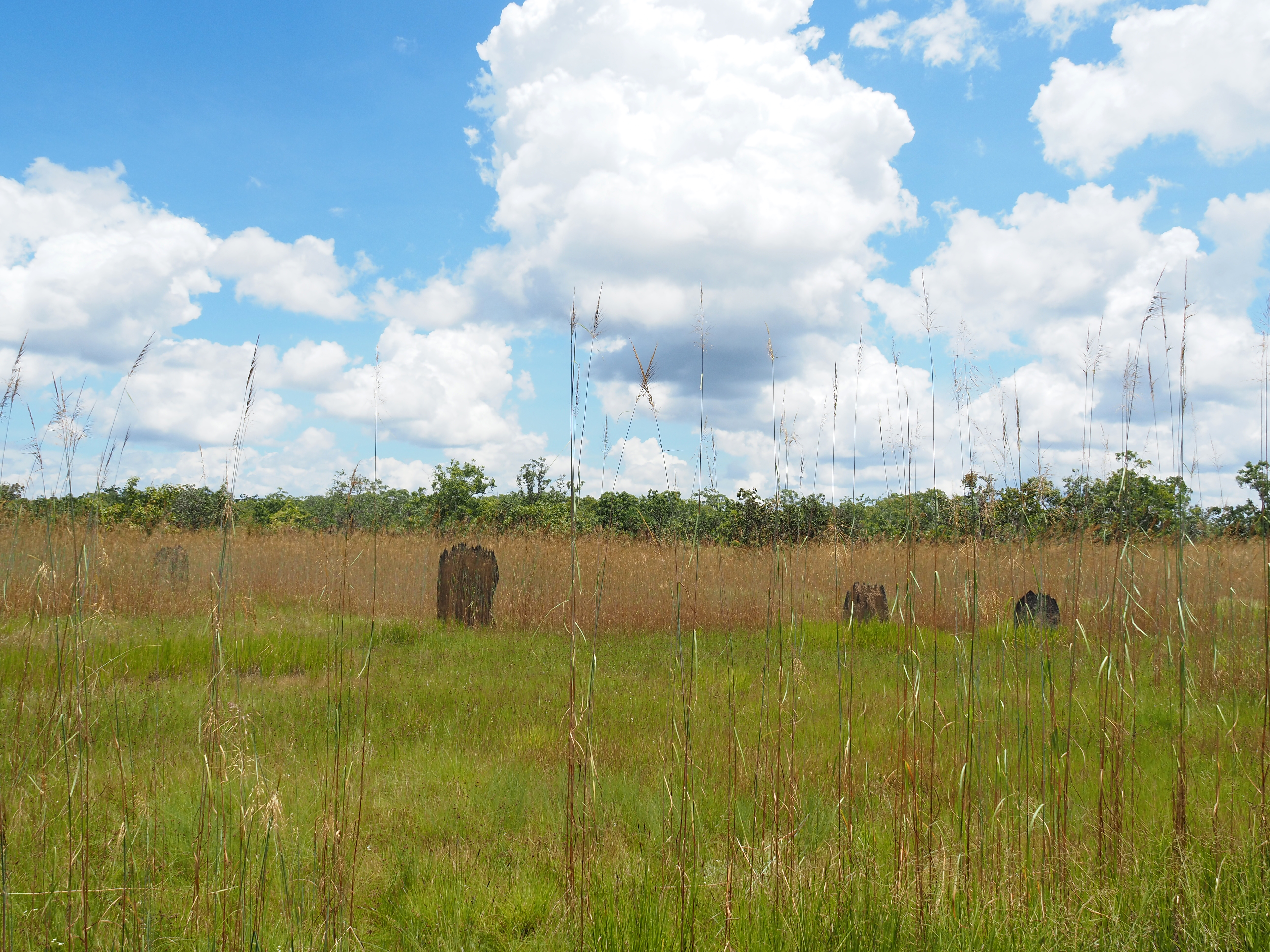
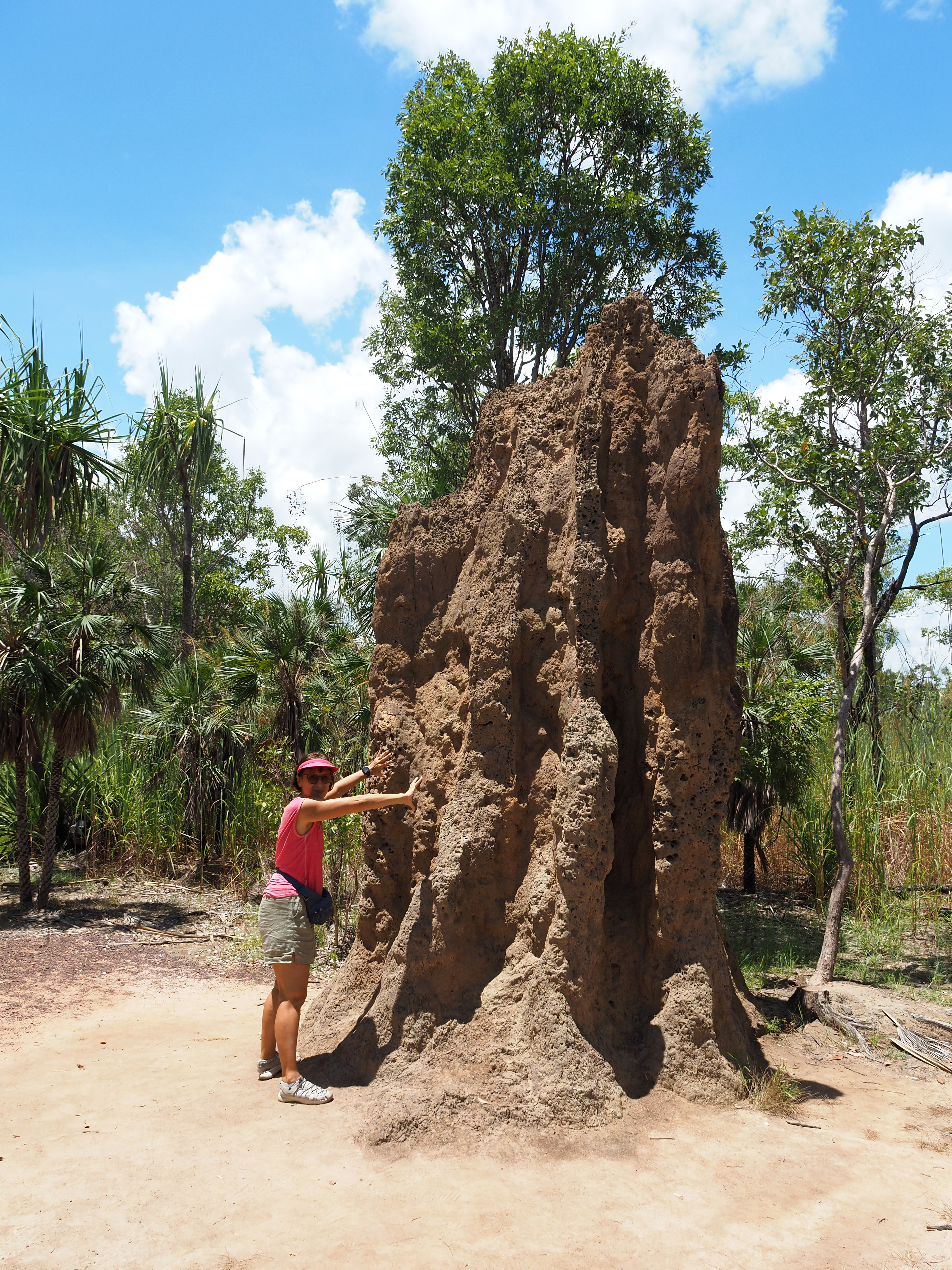
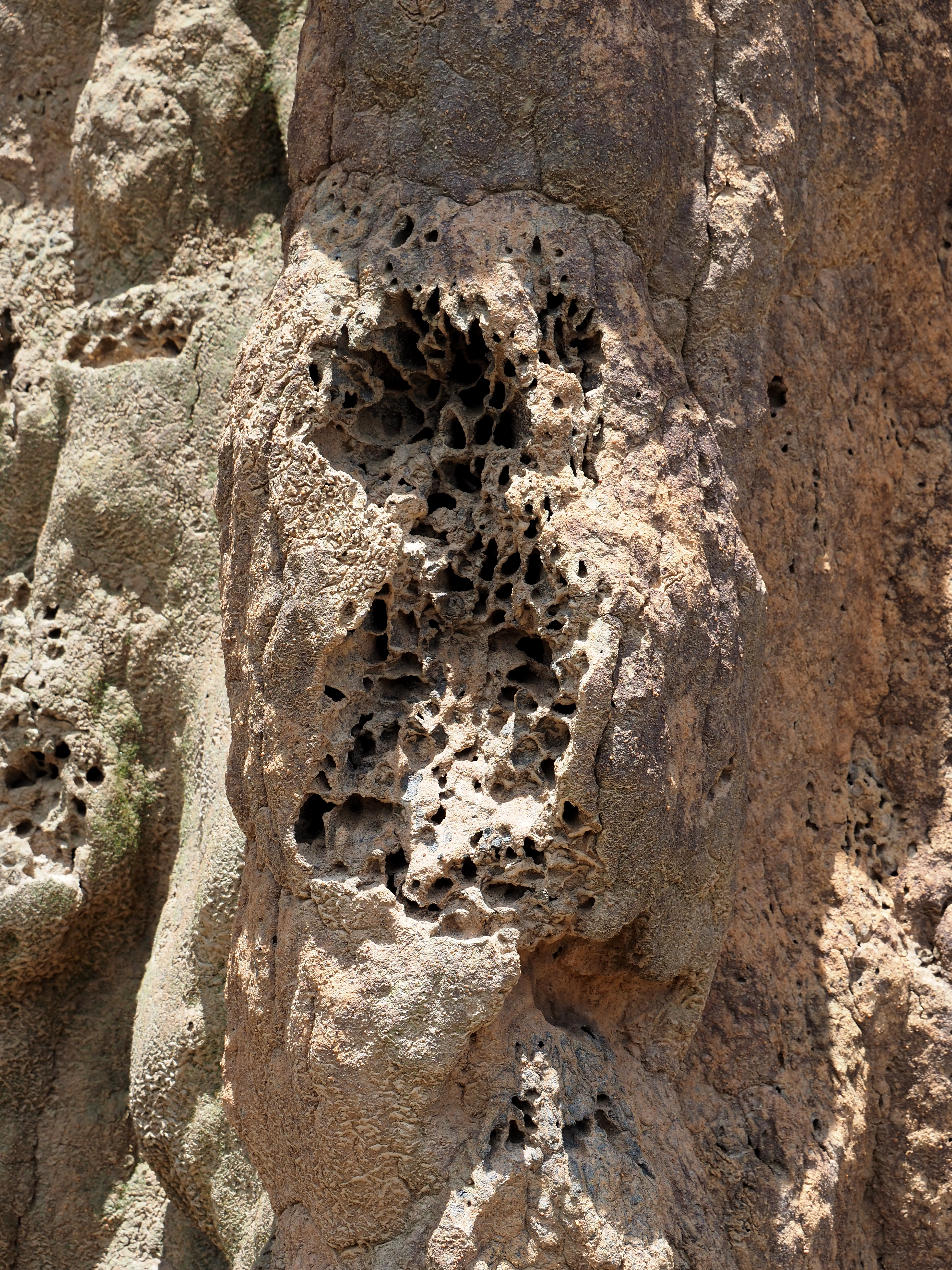
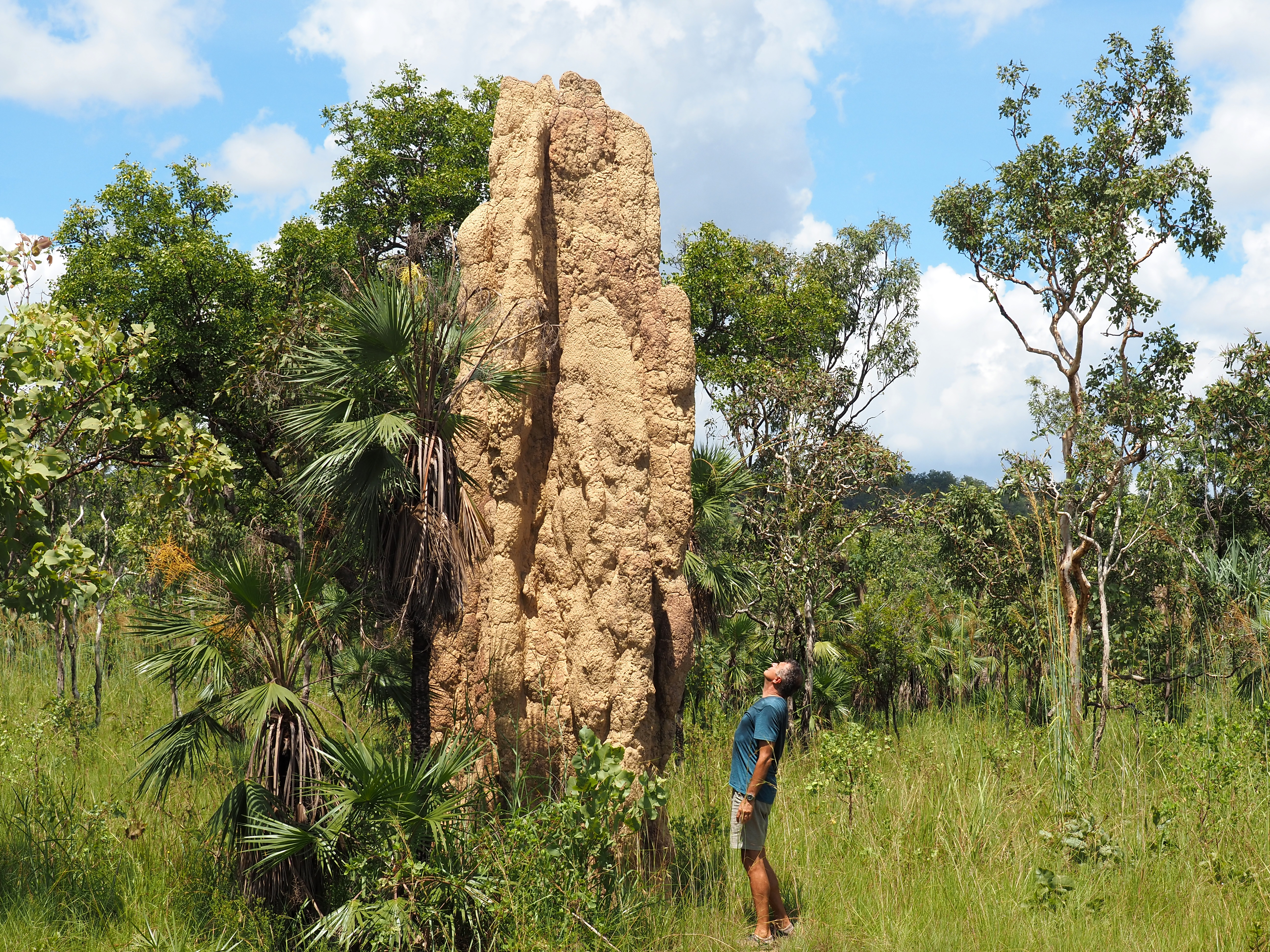
We also couldn’t skip the chance to see the Magnetic Termite Mounds. These termites are endemic to northern Australia, and apparently very good at architecture. Scientists believe they use the Earth’s magnetic field to align their towers north–south, maximizing sun exposure in the cooler mornings and evenings and minimizing it during the brutal heat of the day. Years ago, a friend warned me about bears when I was planning a trip to Alaska—I was thrilled to show him a photo of a grizzly bear just ten meters away. Recently, a friend warned me to stay away from termite mounds. Hey Linda, they’re not that scary. They’re beautiful. And Ivan was very brave, standing so close to them.
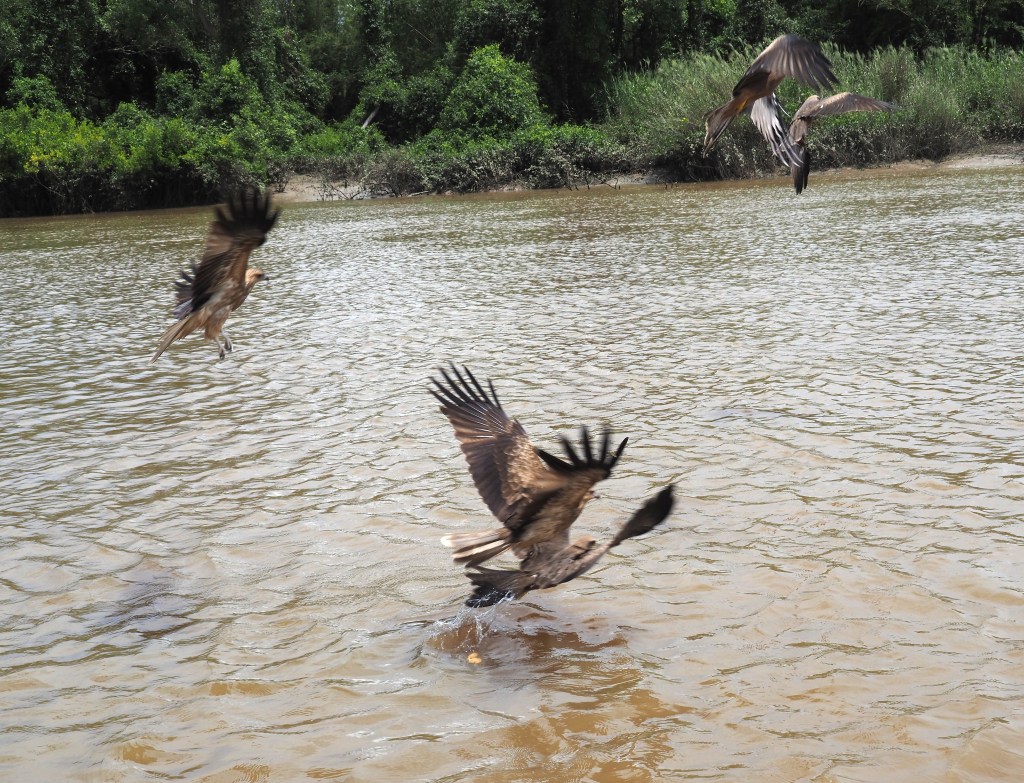
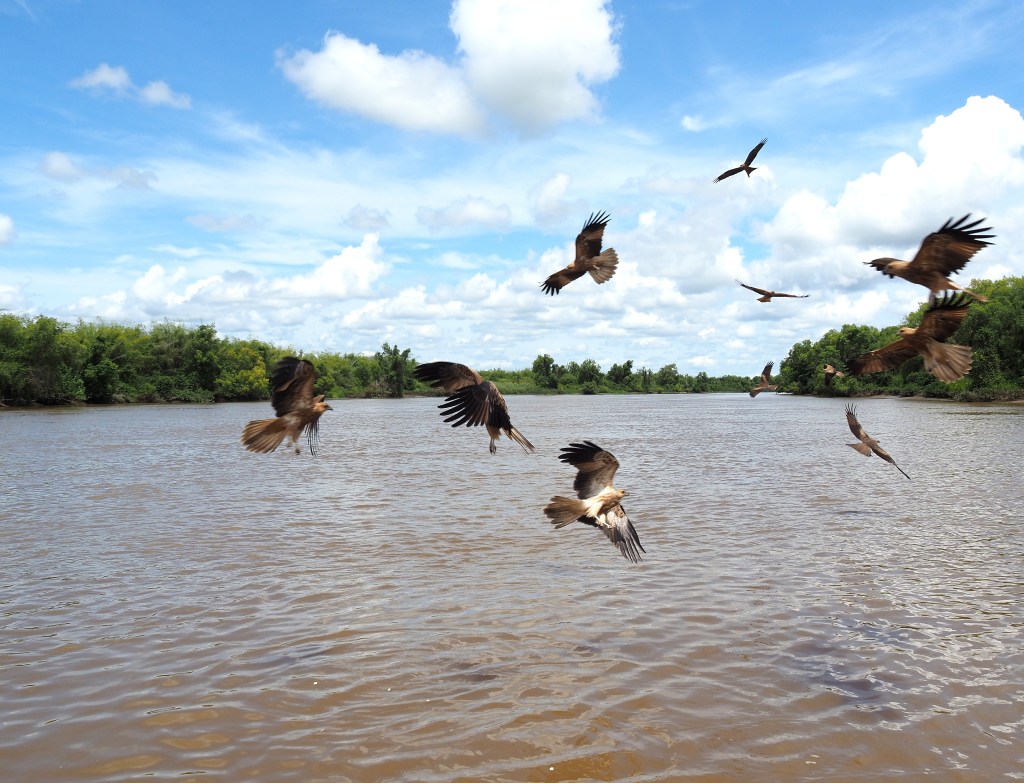
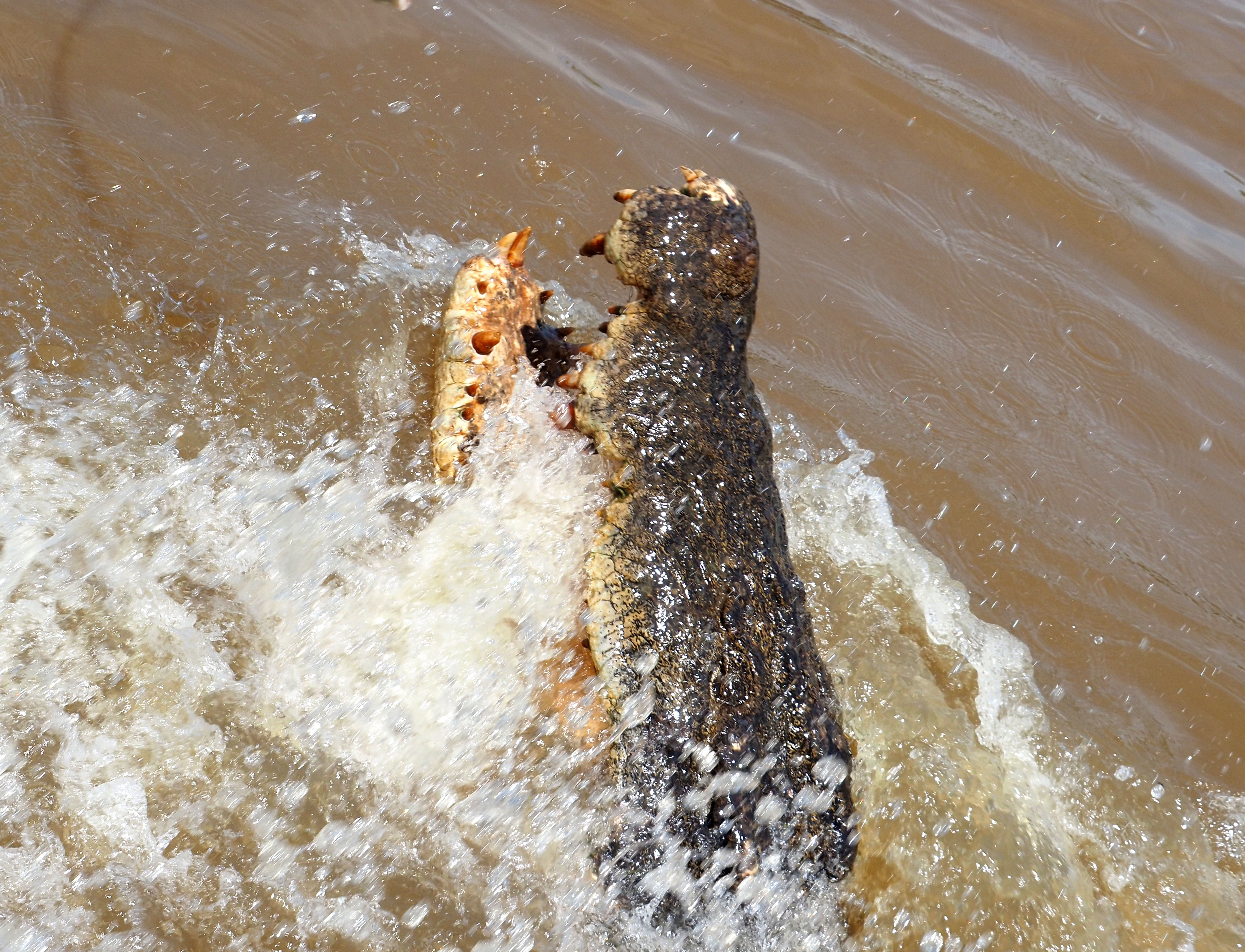
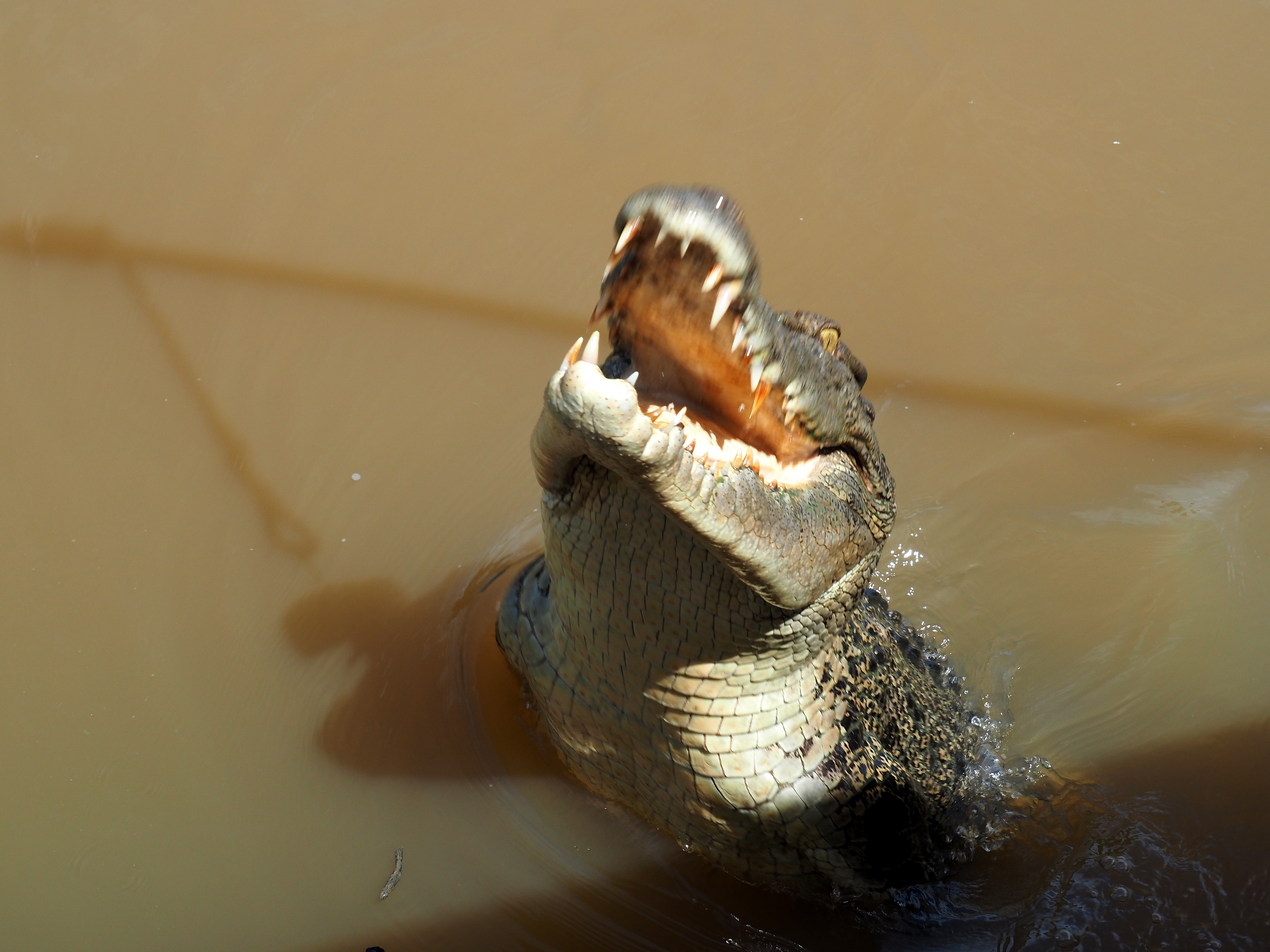
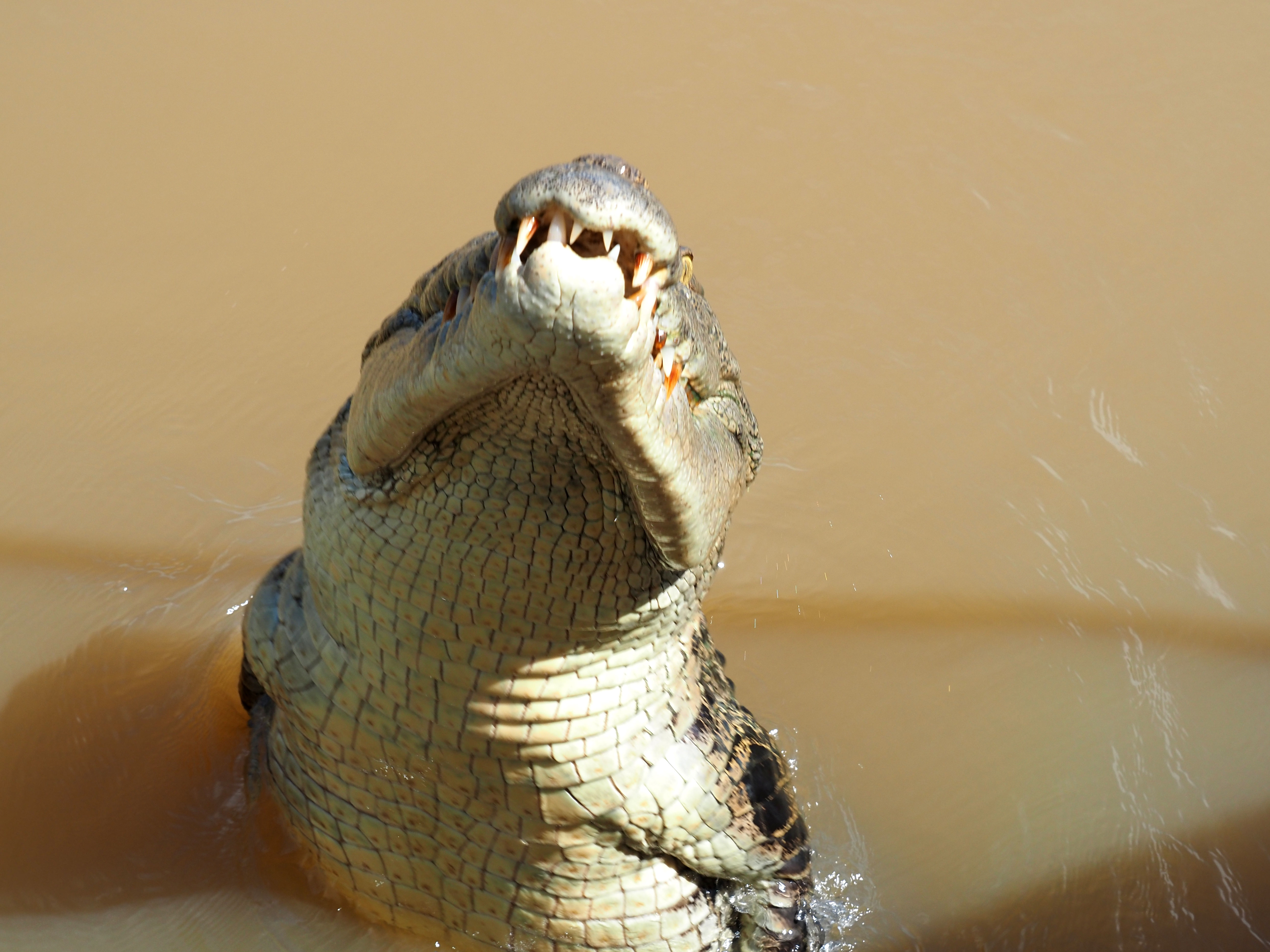
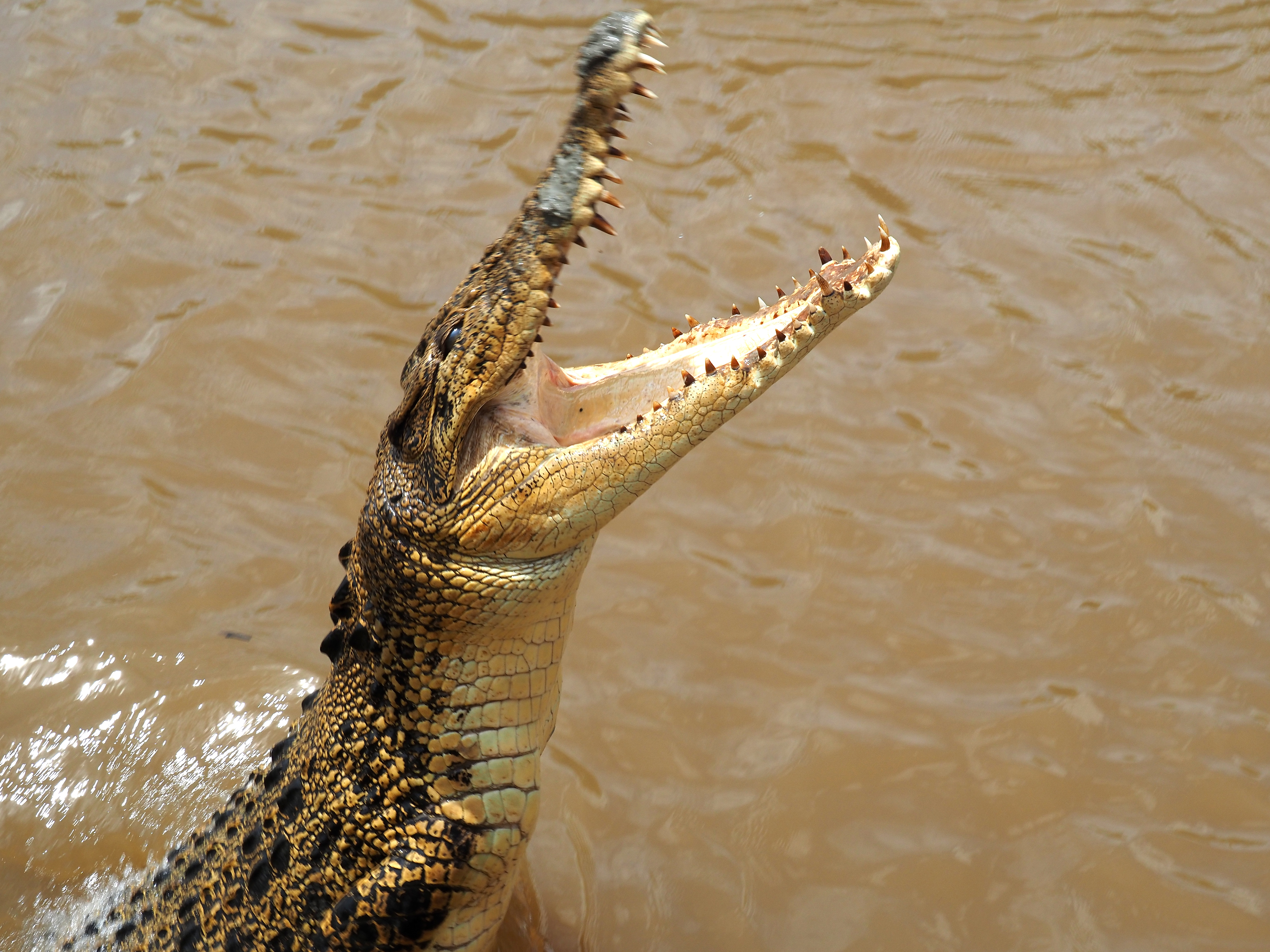
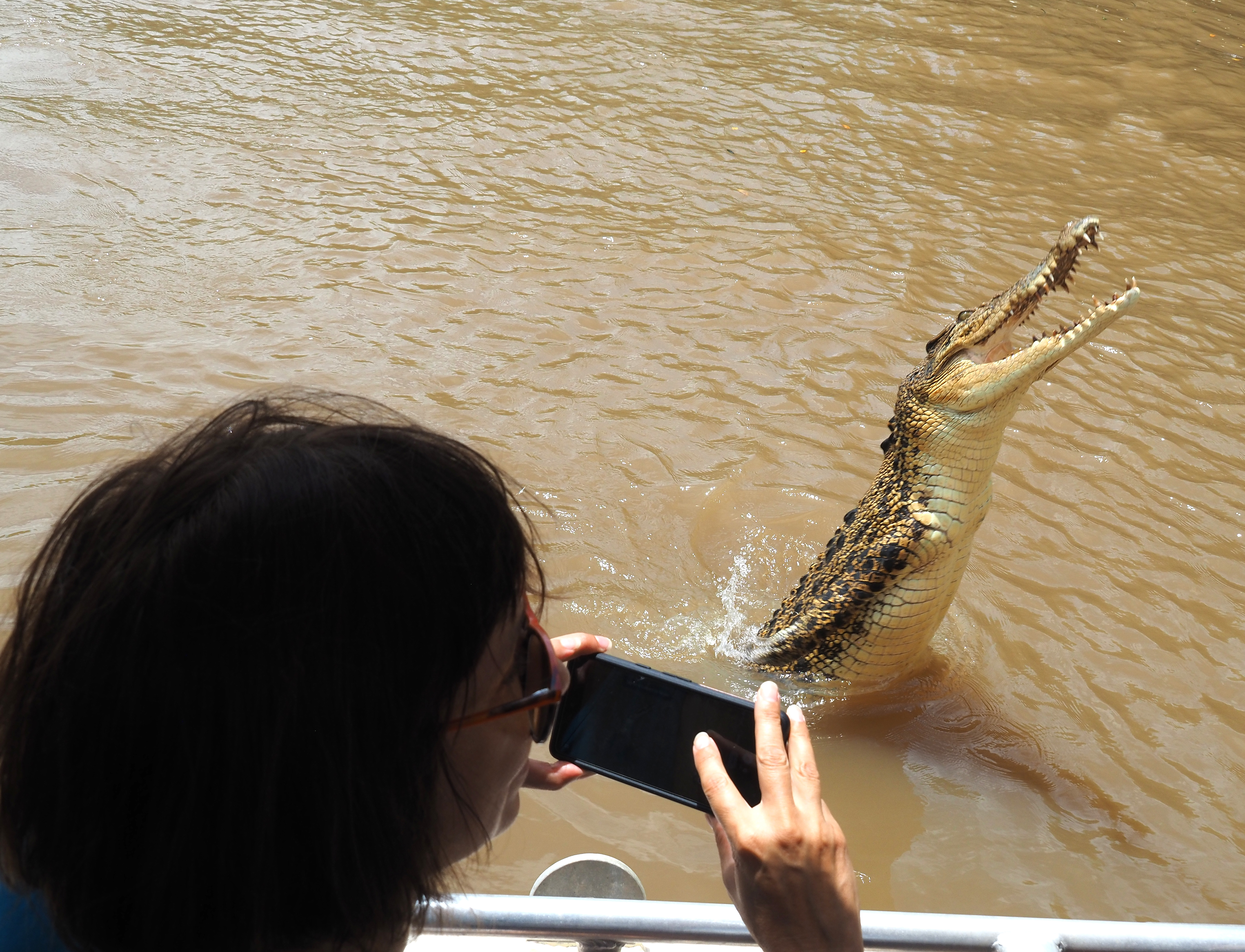
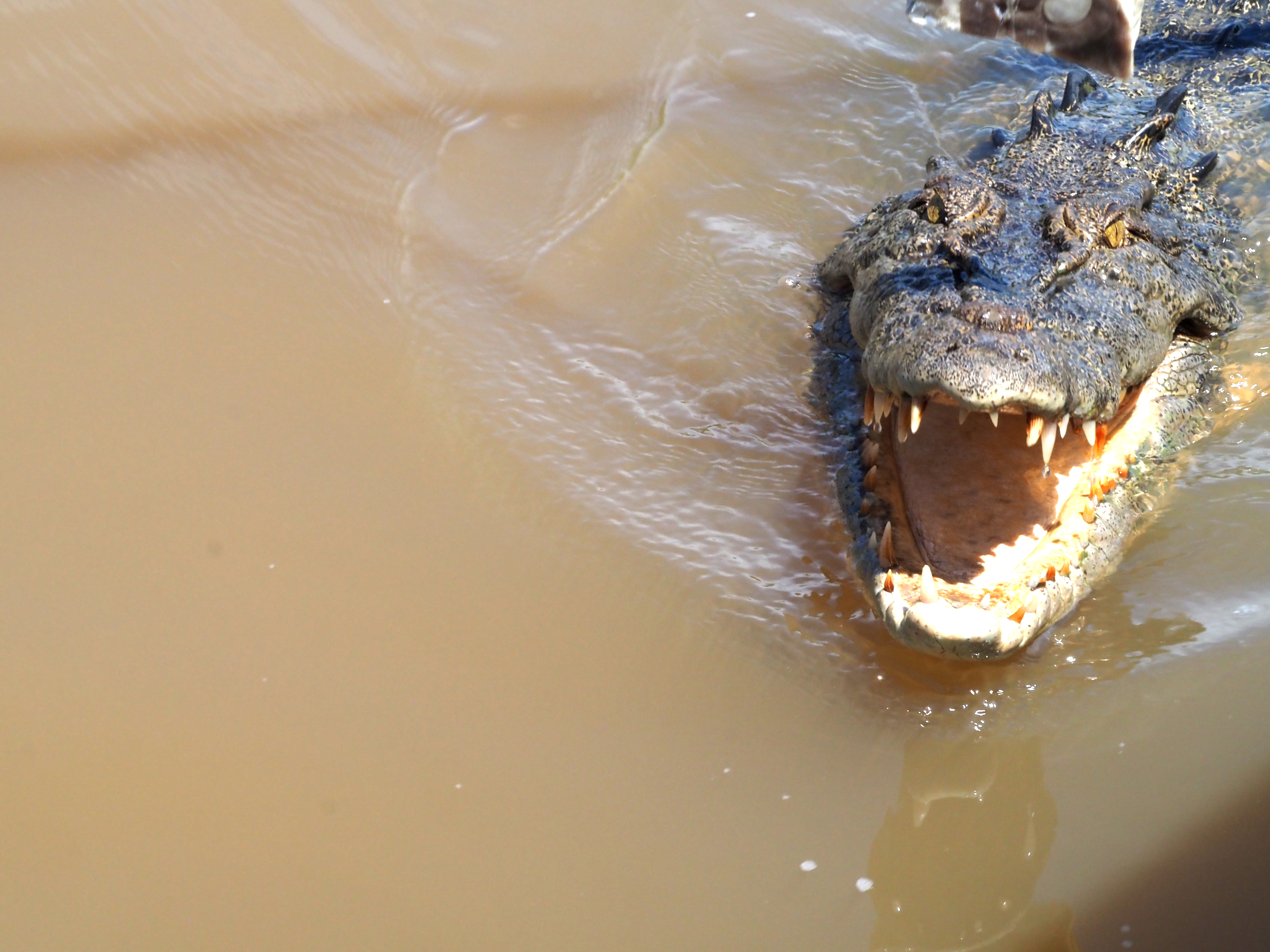
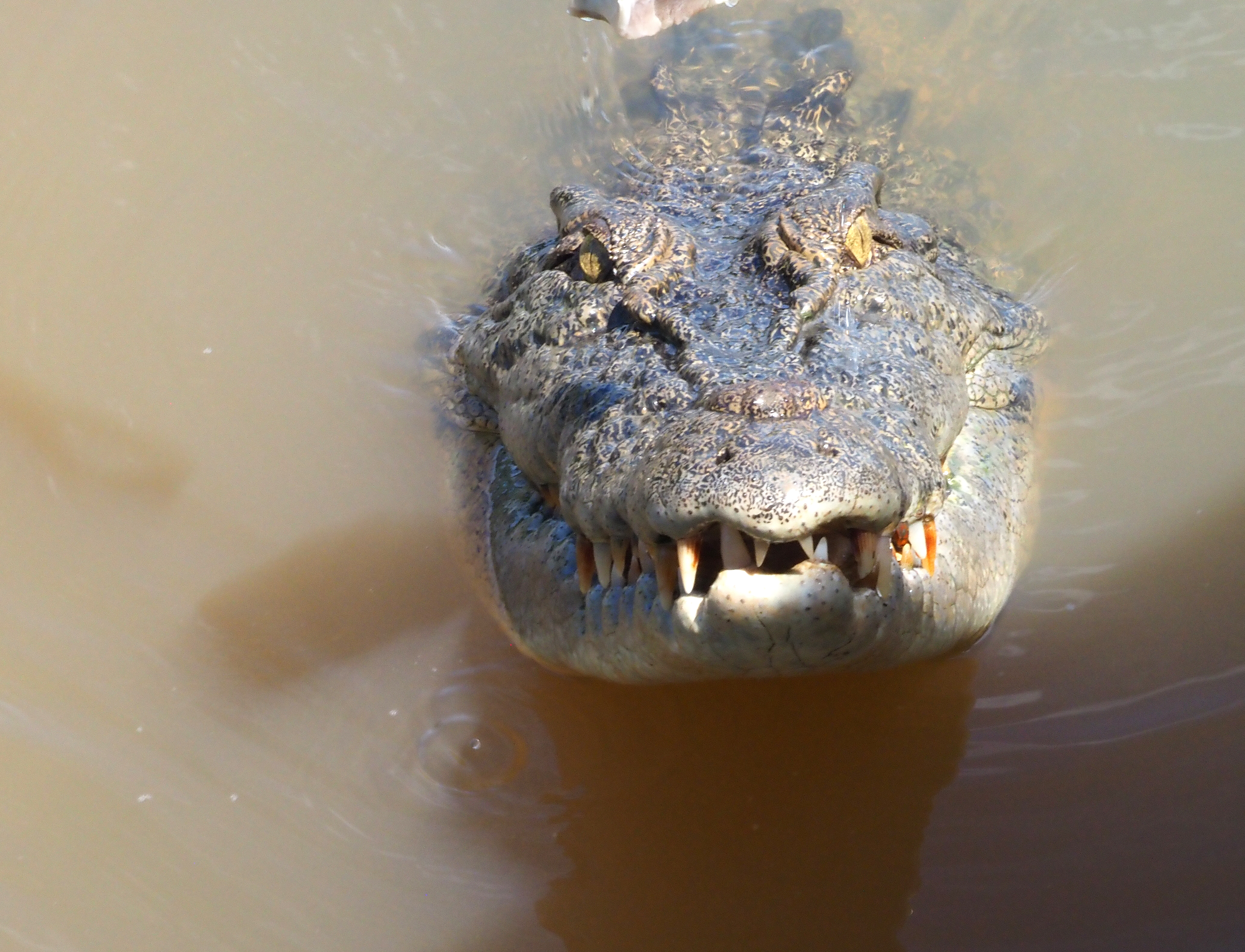
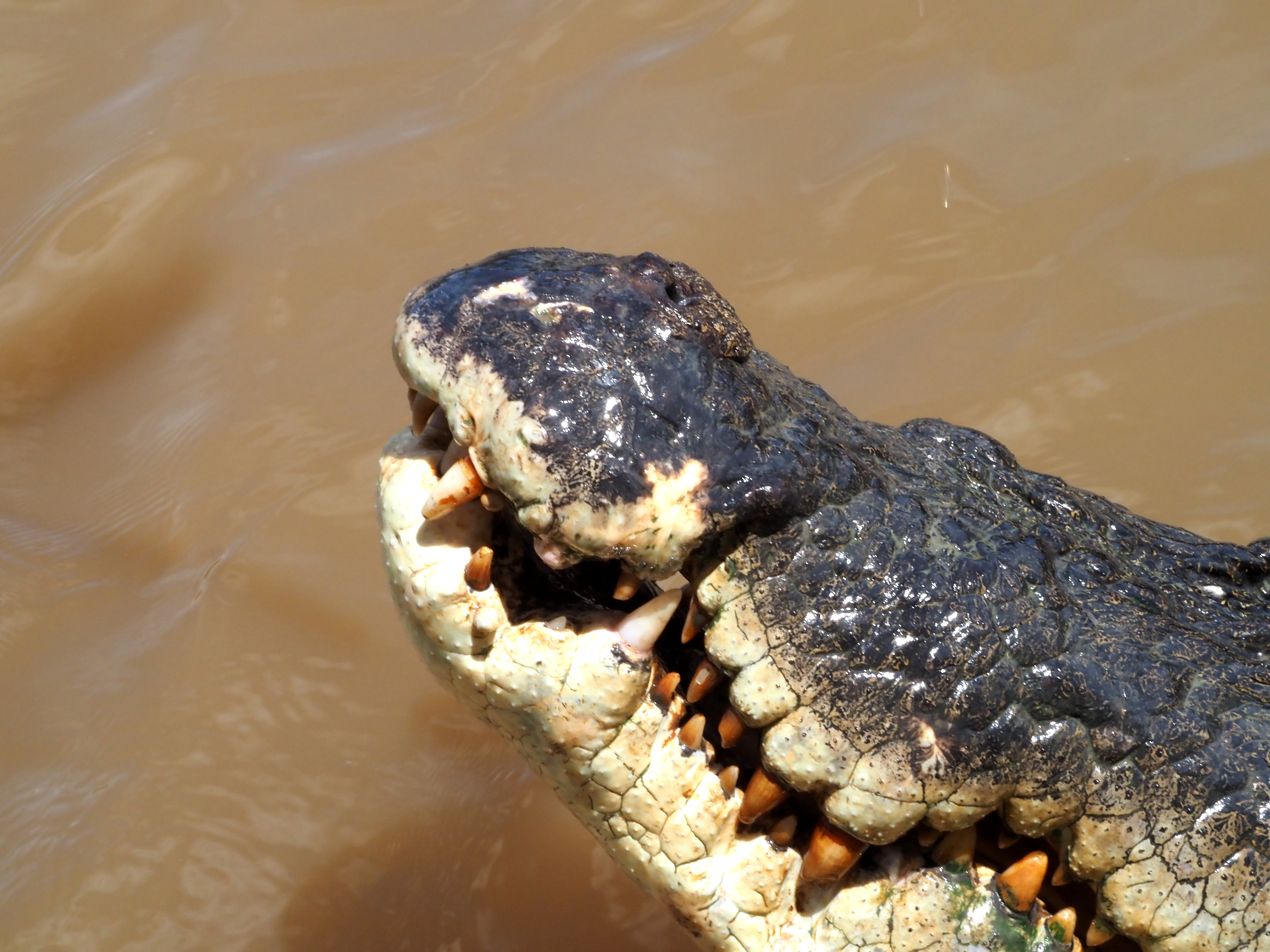
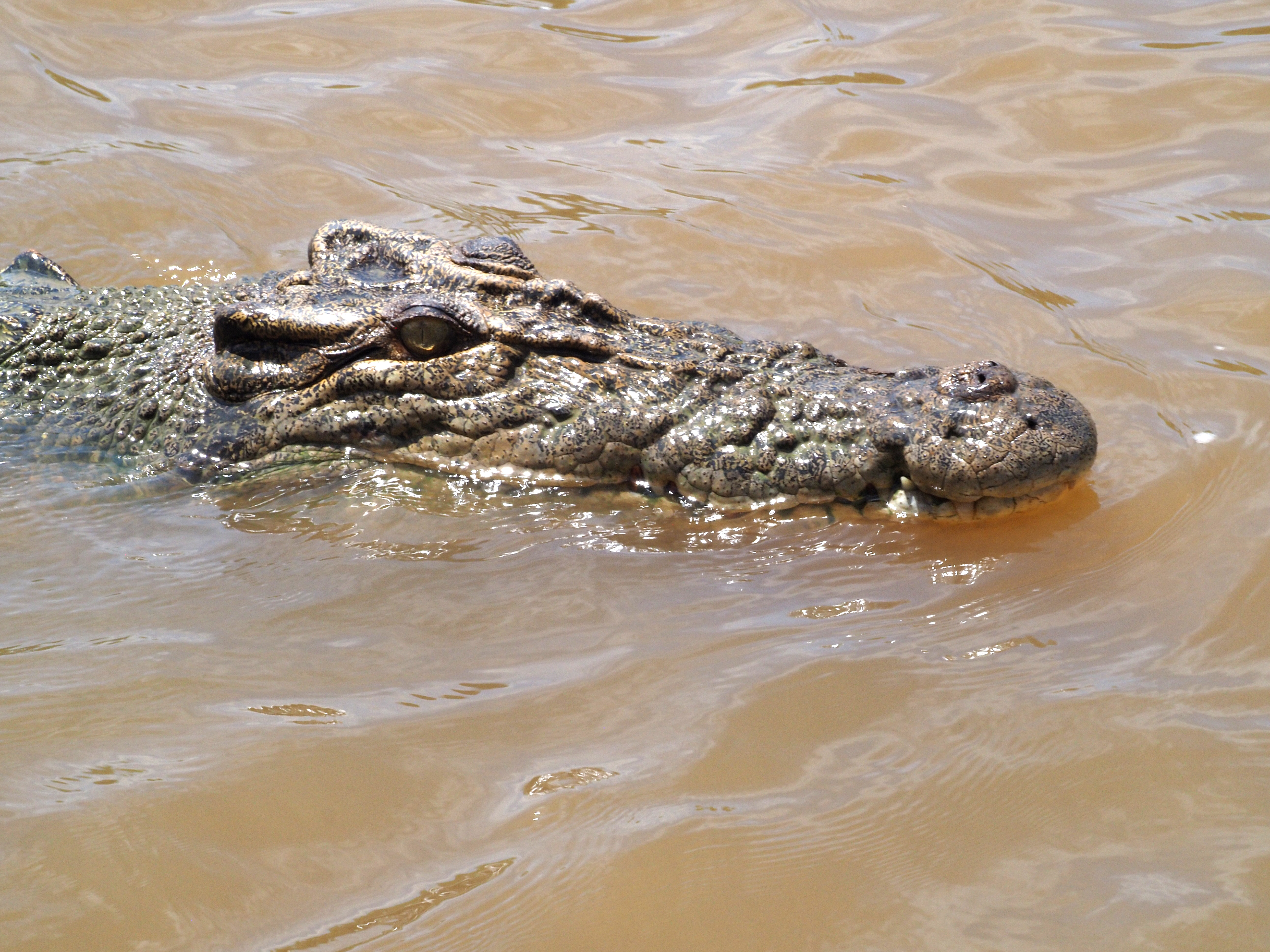
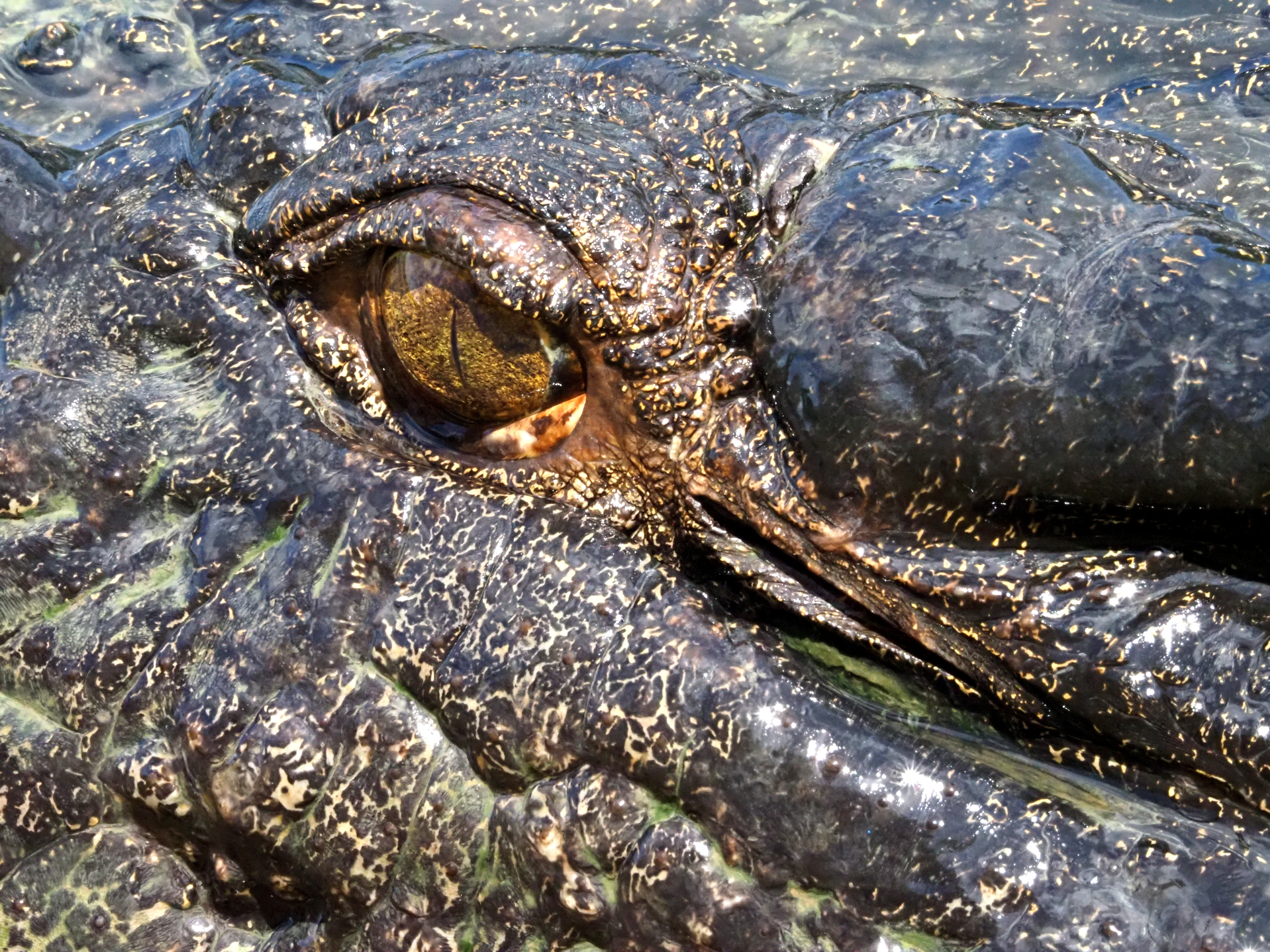
I don’t divide my love. When I say I love animals, I mean all of them, even this beauty. Let me introduce you to His Majesty, the saltwater crocodile, also known as the saltie. The largest reptile currently living on Earth, weighing up to 1,000 kilos, is allegedly very aggressive and dangerous. Naturally, there was no way we were skipping the chance to feed this cutie on the Adelaide River, just outside Darwin.
Let me be very clear: I was not the food. Also, I expected them to be bigger and more menacing. I was briefly tempted to pat it on the back, but one look from the guide shut that idea down immediately. Maybe next time. Anyone want to join me?
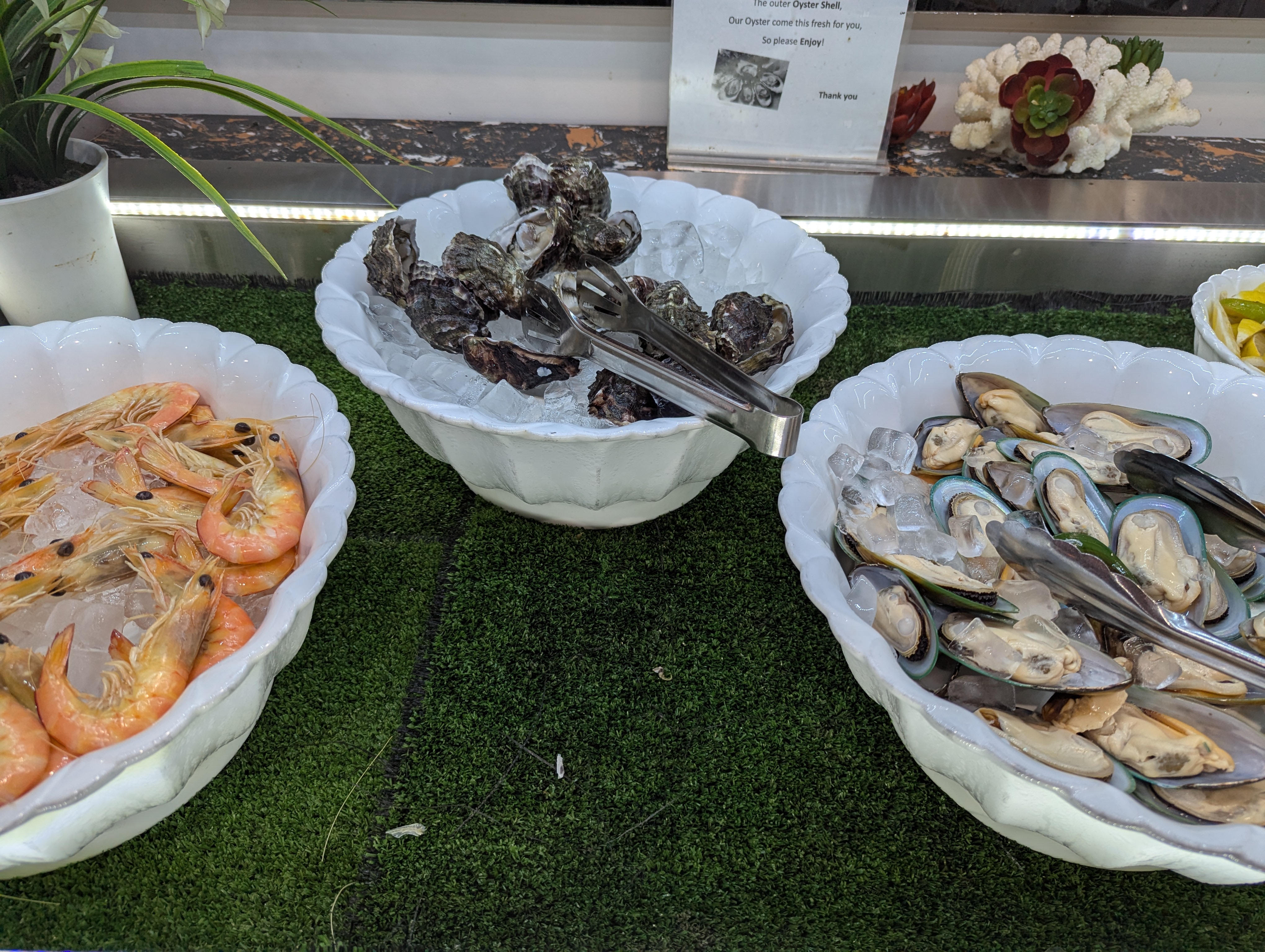
Once back in Darwin, we stopped at the first RV repair shop – and surprise! – there was a brand-new, small RV air conditioner just sitting on a shelf. The repairman had ordered it for a potential client who was still thinking about whether he wanted it. That hesitation was his mistake. I unleashed all my charm and pleaded, “Please, we are Canadians. We are used to cold weather. We are dying here in the Australian heat. Please, please—can we cut the line and install this AC in La Casita, our cute little motorhome?”
I was incredibly persuasive. By the next evening, we were strolling through Darwin’s city center, celebrating the newest and most important addition to our overland lifestyle: our new best friend, the AIR CONDITIONER.
A week later, fully revived and slightly smug, we set off along the epic Stuart Highway—a 3,000+ kilometre journey through Australia’s Red Centre, connecting the lush, tropical north of Darwin with Adelaide in the south. It’s the ultimate outback adventure: vast landscapes, wild animals, and endless remote stretches where services are scarce, and fuel stations feel like miracles.
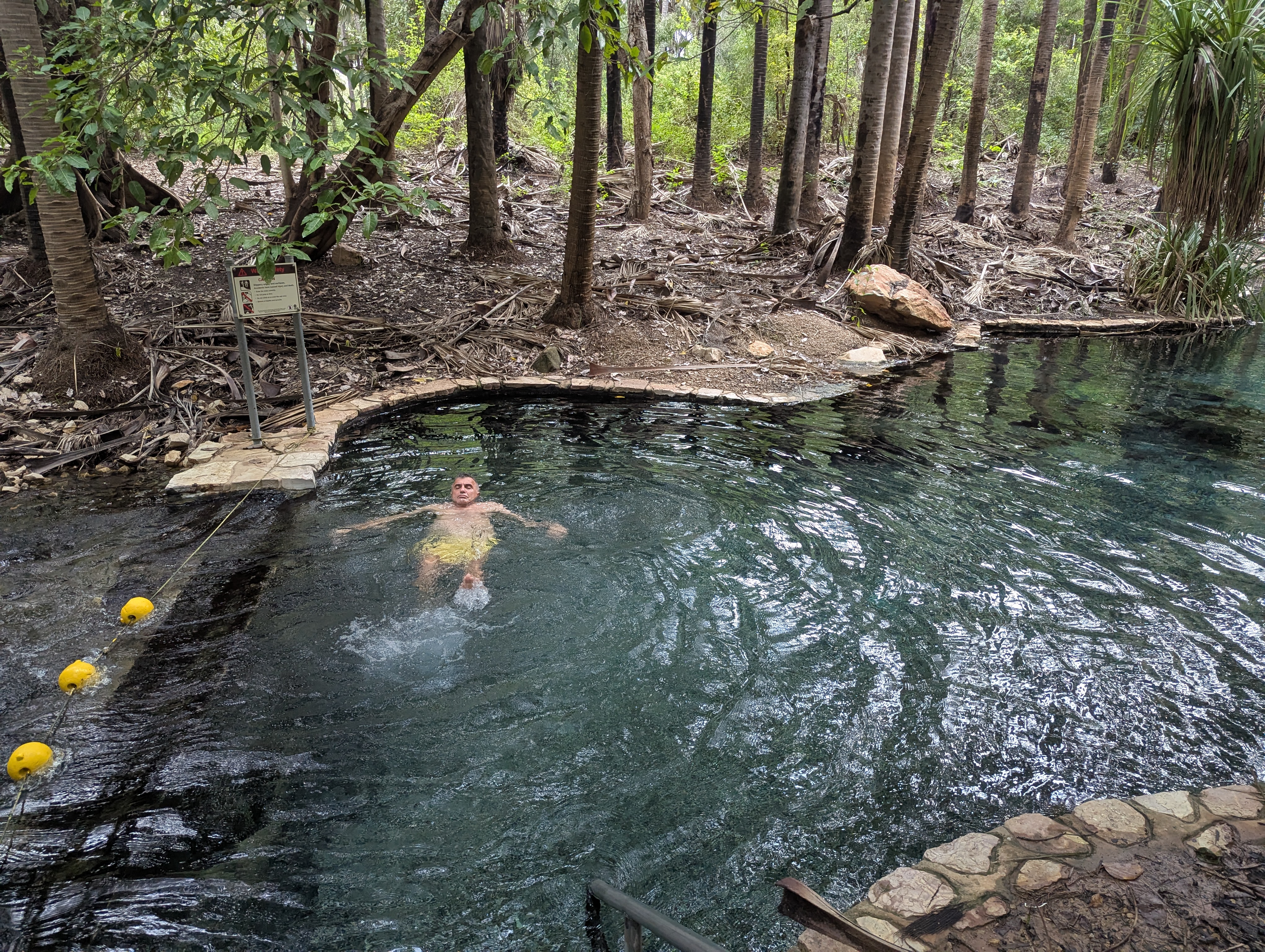
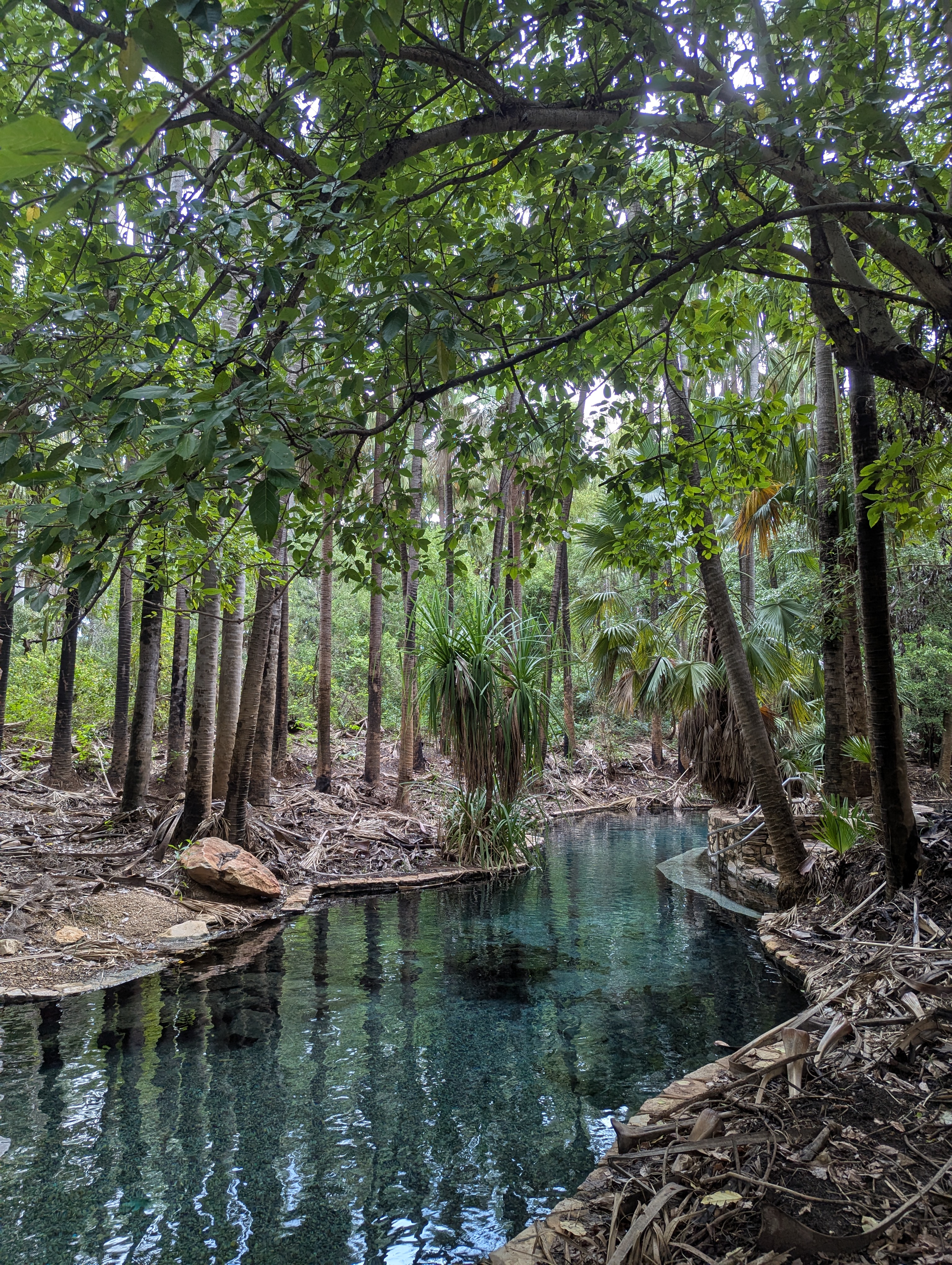
But before we even properly reached the Red Centre, we made a very important decision: we needed a long soak at the Mataranka Thermal Pools. It was time to wash off two months’ worth of sweat, dust, and heat-induced poor decisions. Yes, yes, I know. When you suffer from heat exhaustion, you’re supposed to jump into an ice bath. But ice baths are kind of rare out there, and I hate cold water, and let’s be honest… we have air conditioning now.
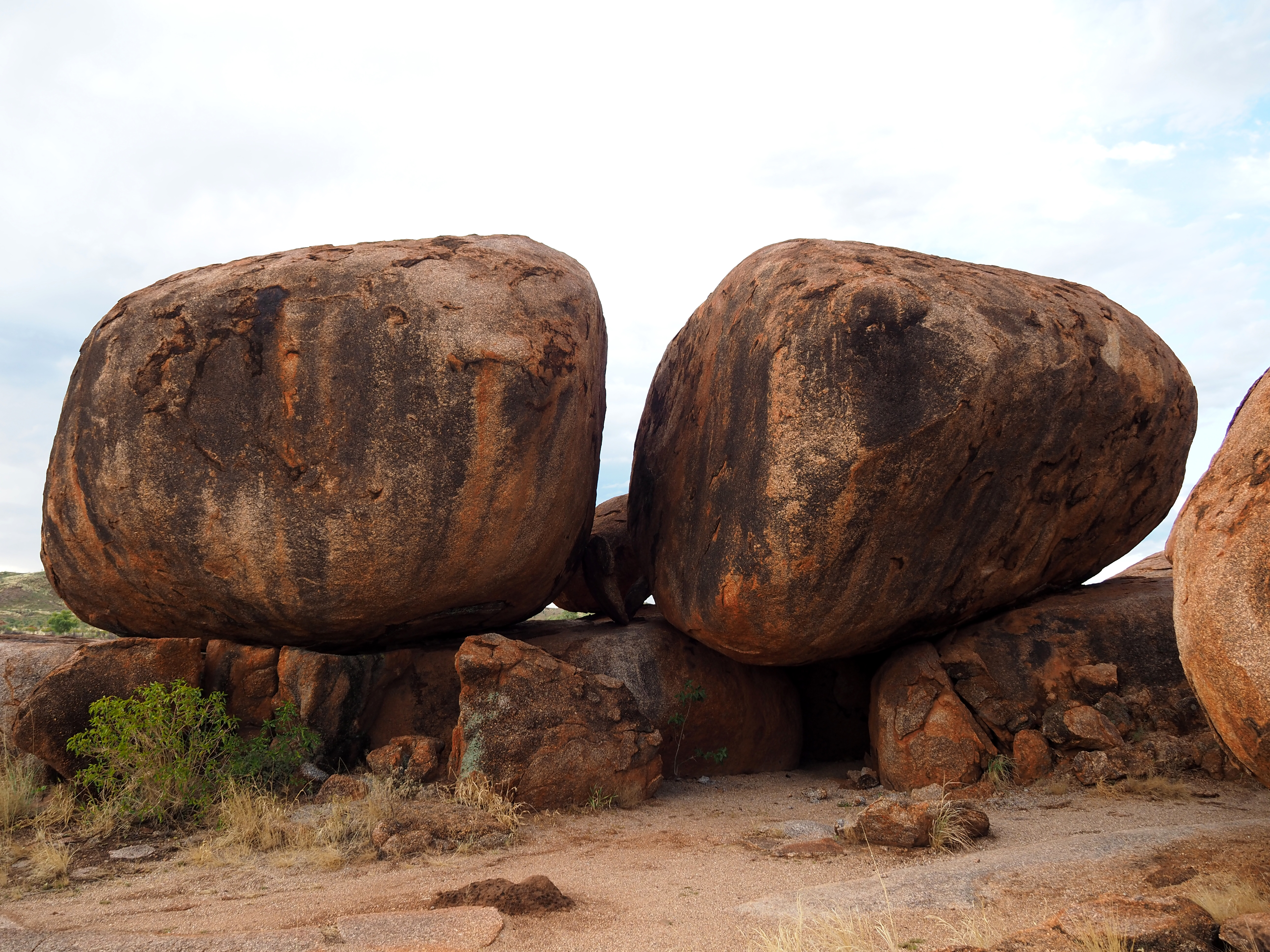
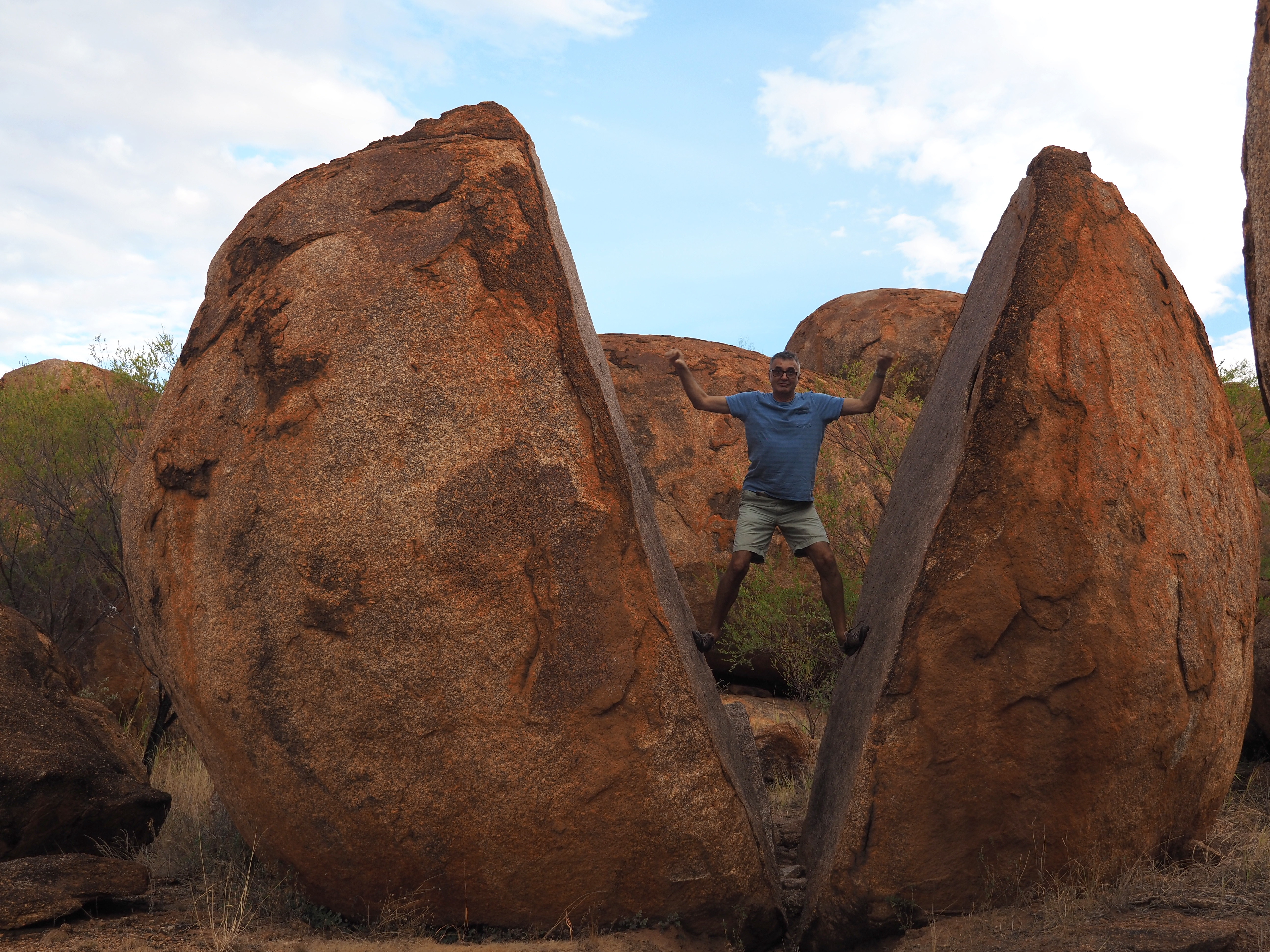
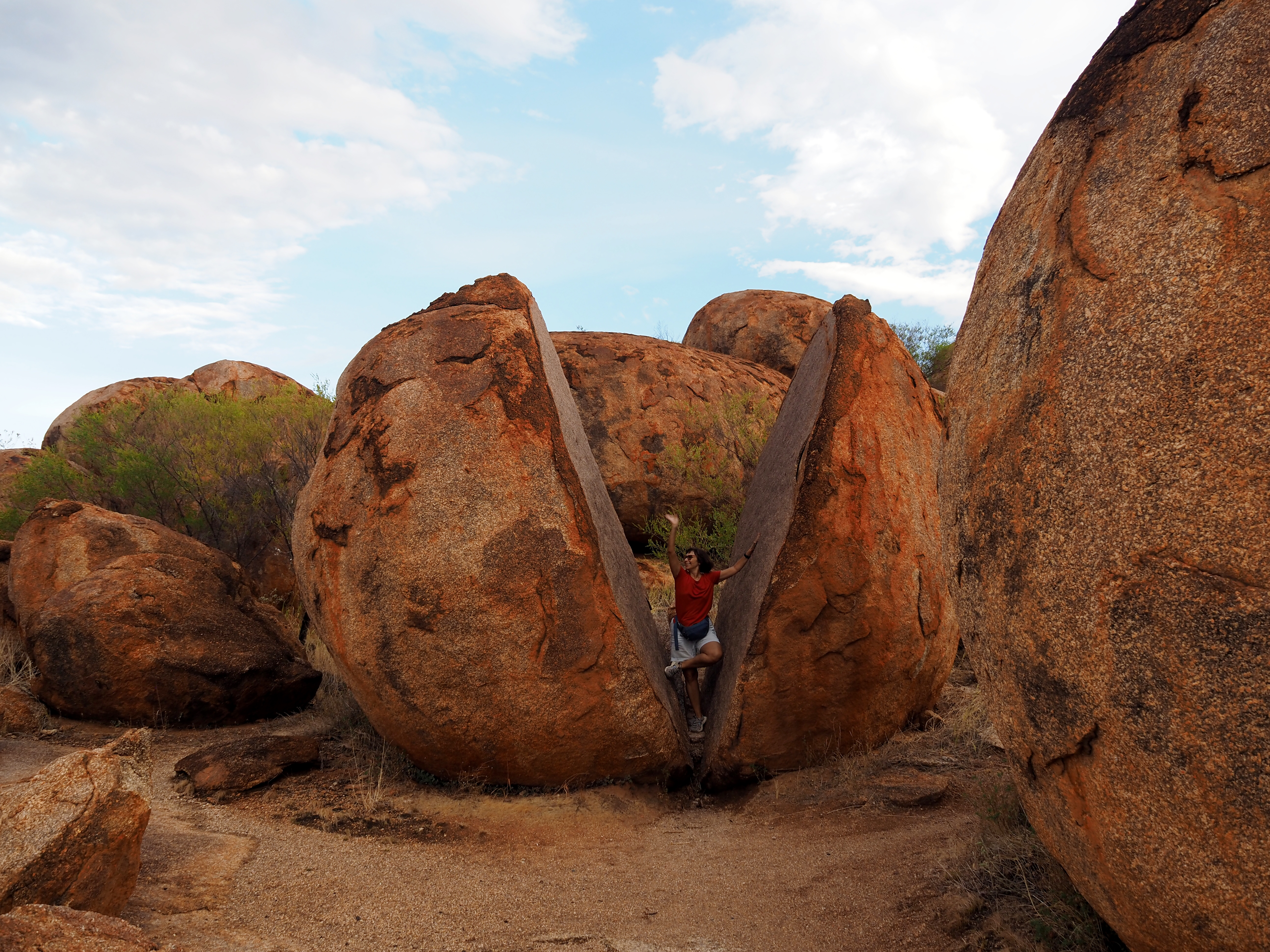
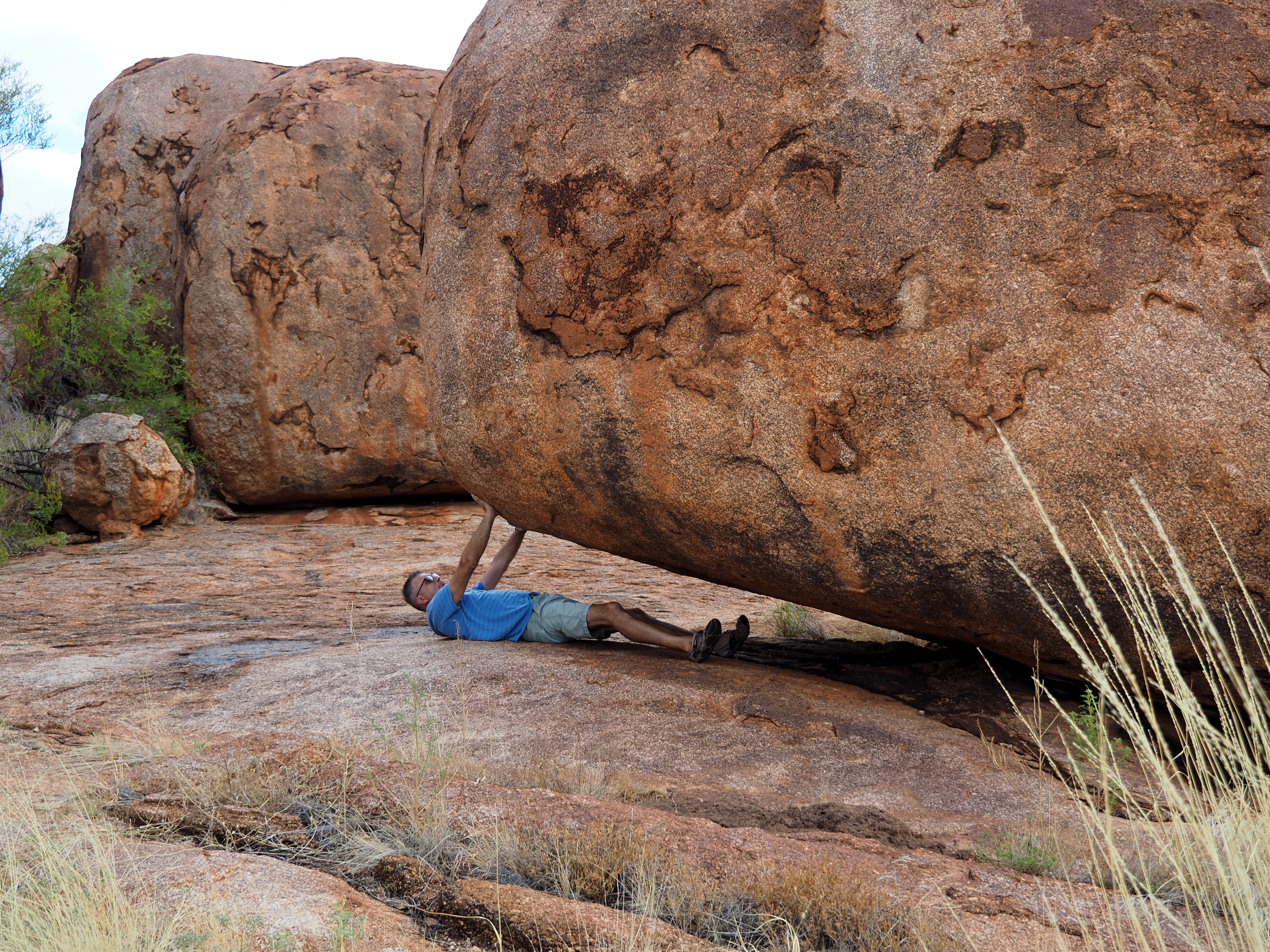
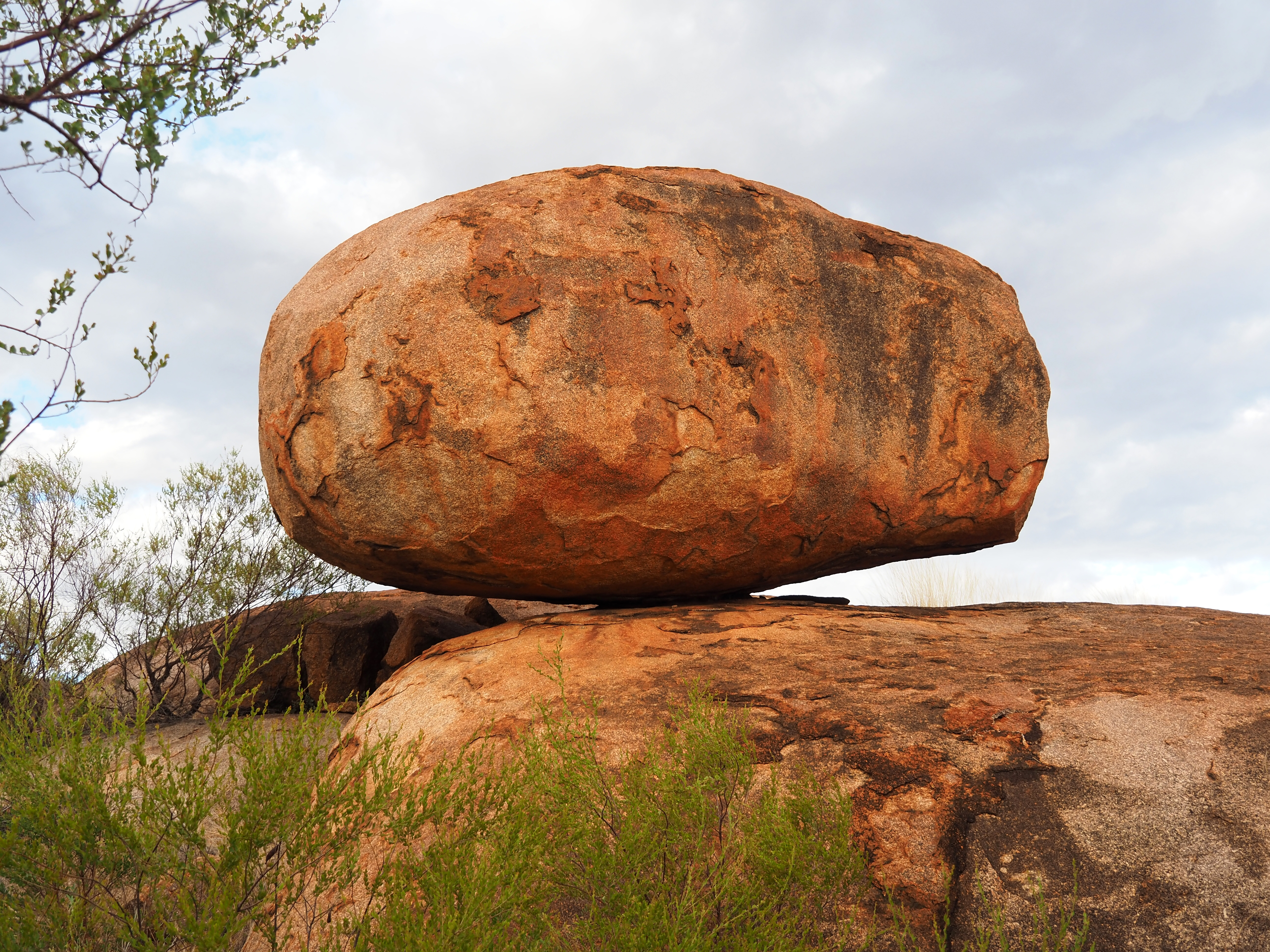
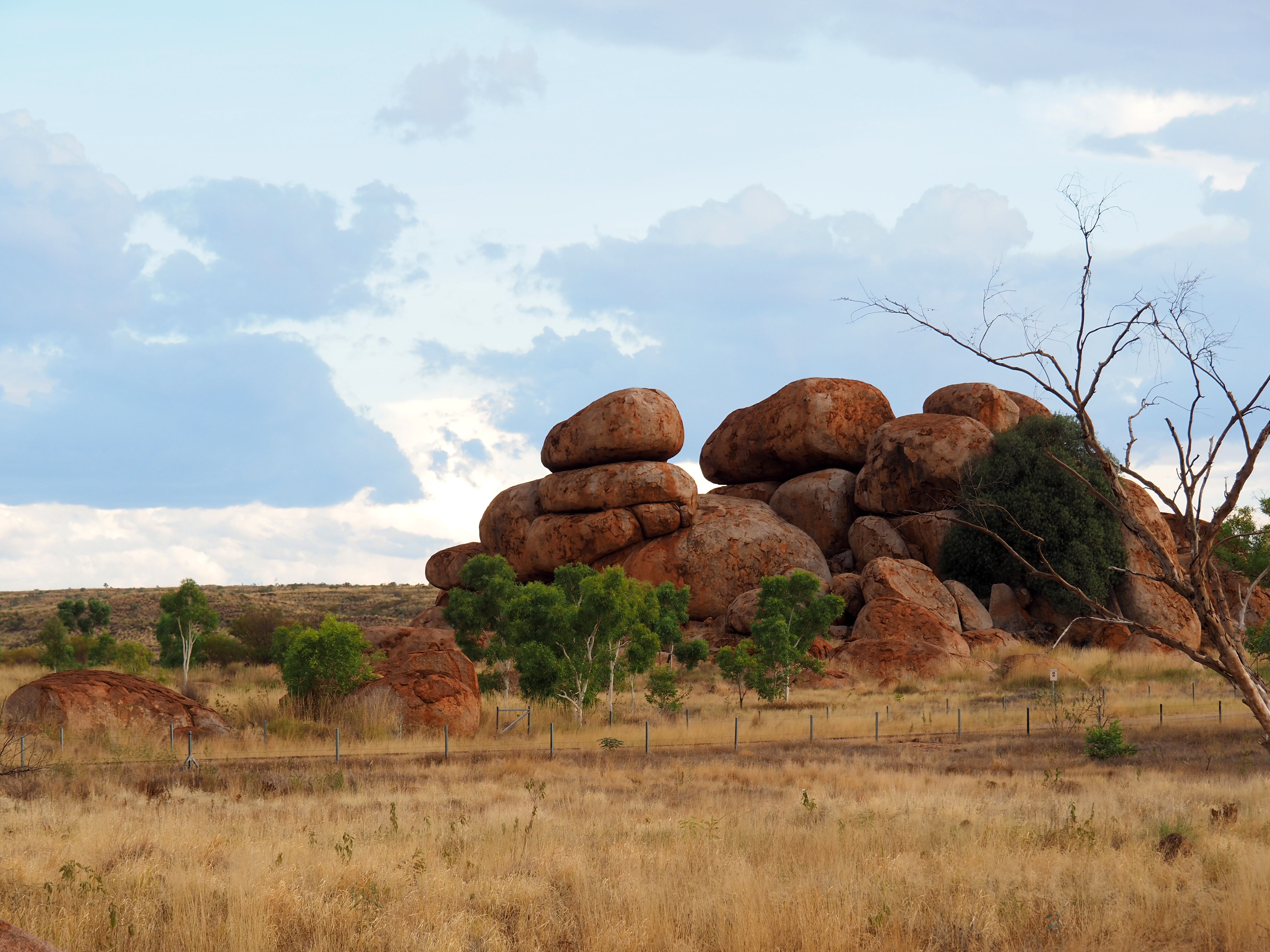
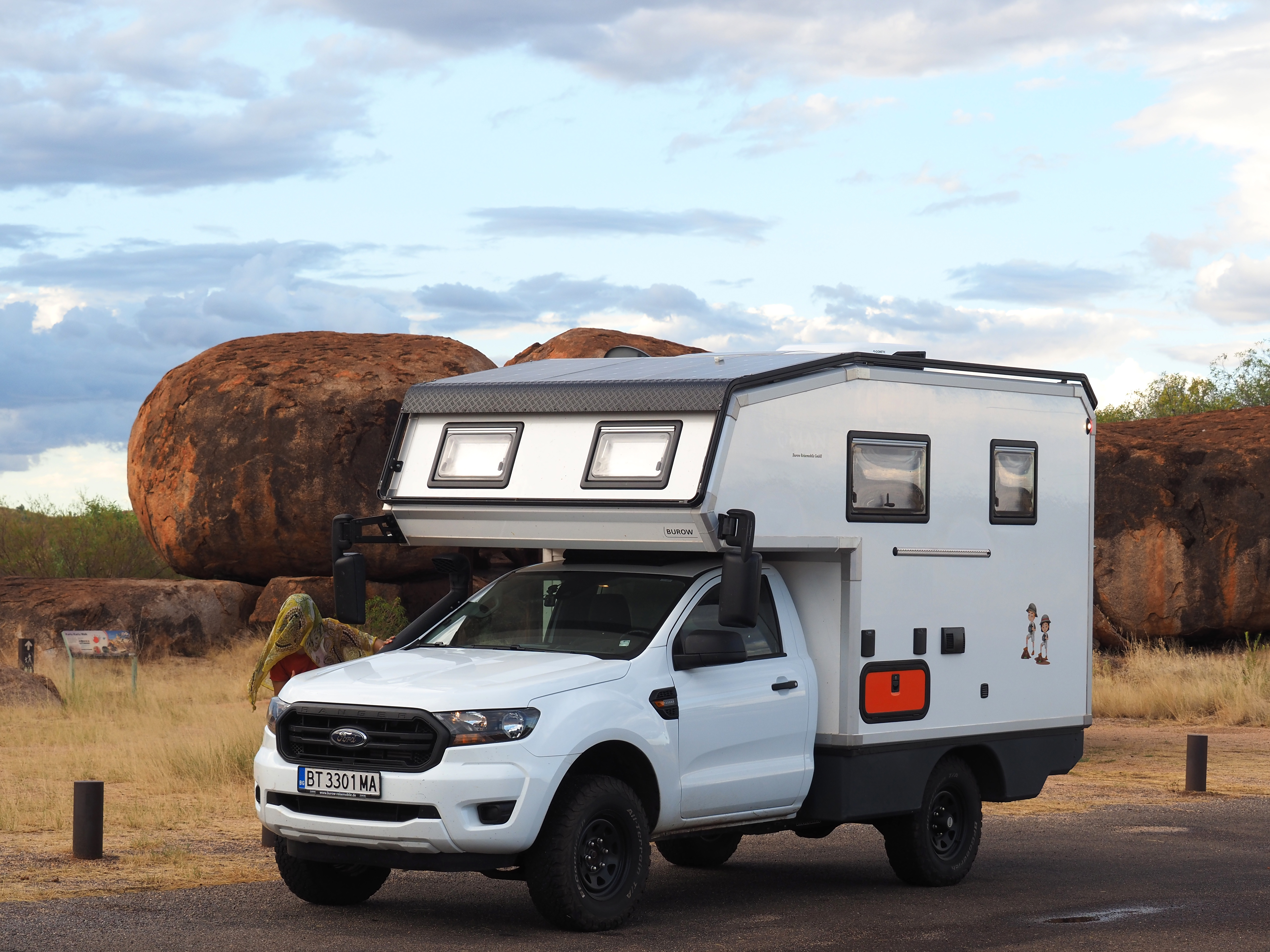
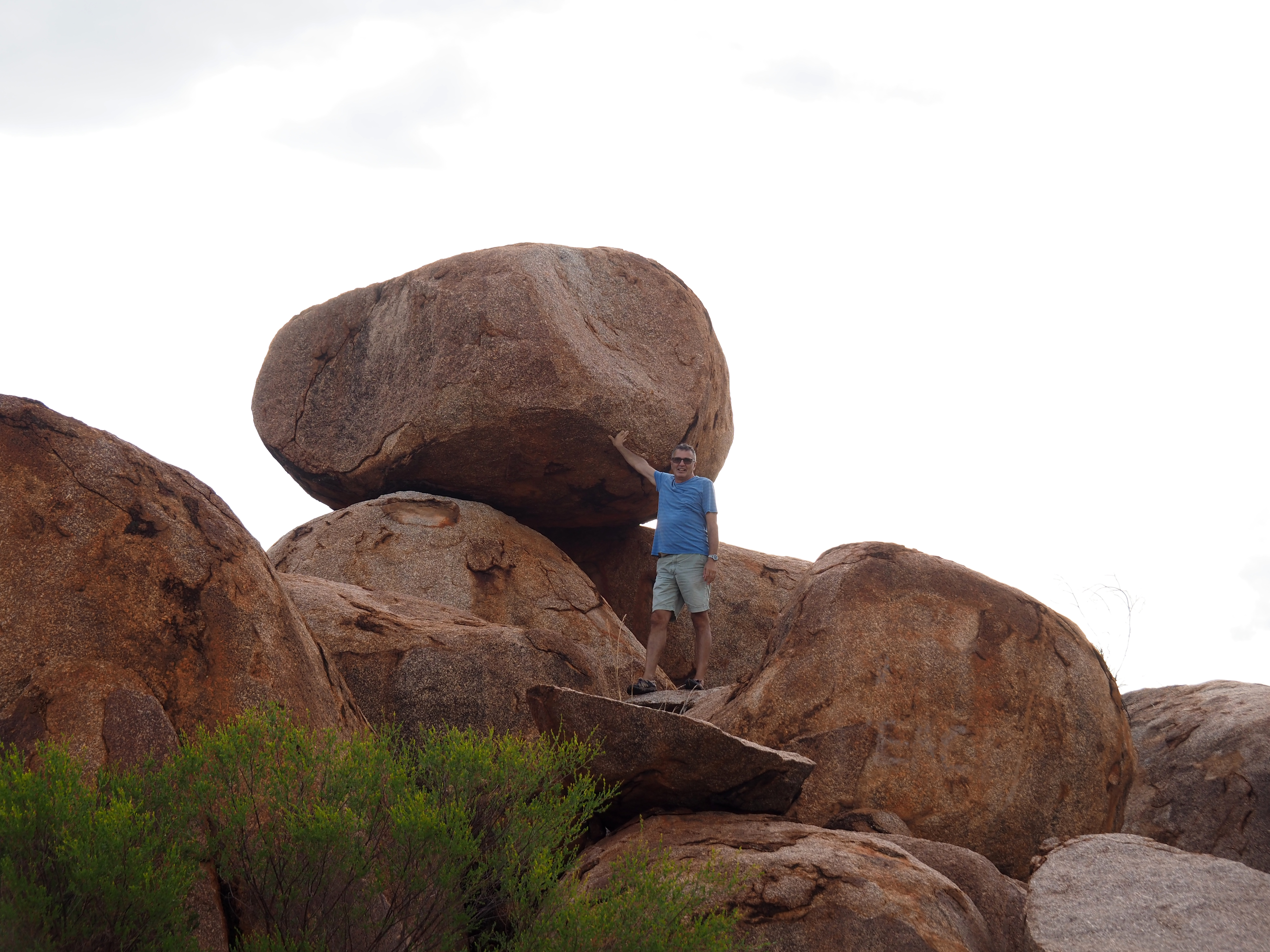
Travelling through the Red Centre of Australia is like going on a road trip with the sun as your slightly unhinged tour guide. For me, Australia is RGB – red, green and blue with just a touch of black. Everything is red — the dirt, the rocks, my shoes, La Casita and even my soul. We started measuring distances here, not in kilometres but in “Are we there yet?” So, the Devils Marbles or as the natives call them, Karlu Karlu, were nice distractions from the endless road in front of us. They are spectacular when the light of the morning and evening sun highlights their deep red colour. The English name for the boulders derives from a quote by John Ross during the 1870 Australian Overland Telegraph Line expedition, where he said, “This is the Devil’s country; he’s even emptied his bag of marbles around the place!”
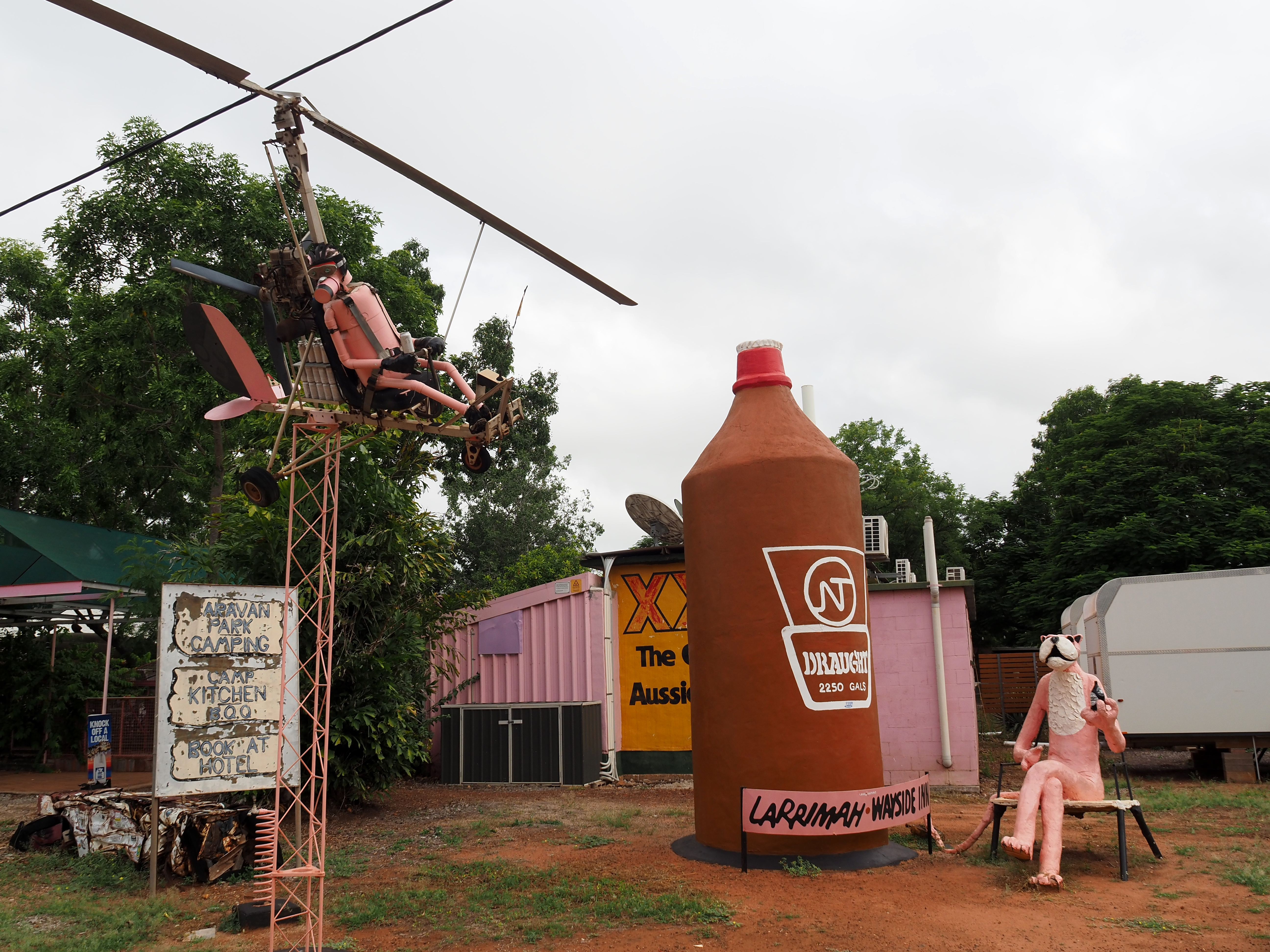
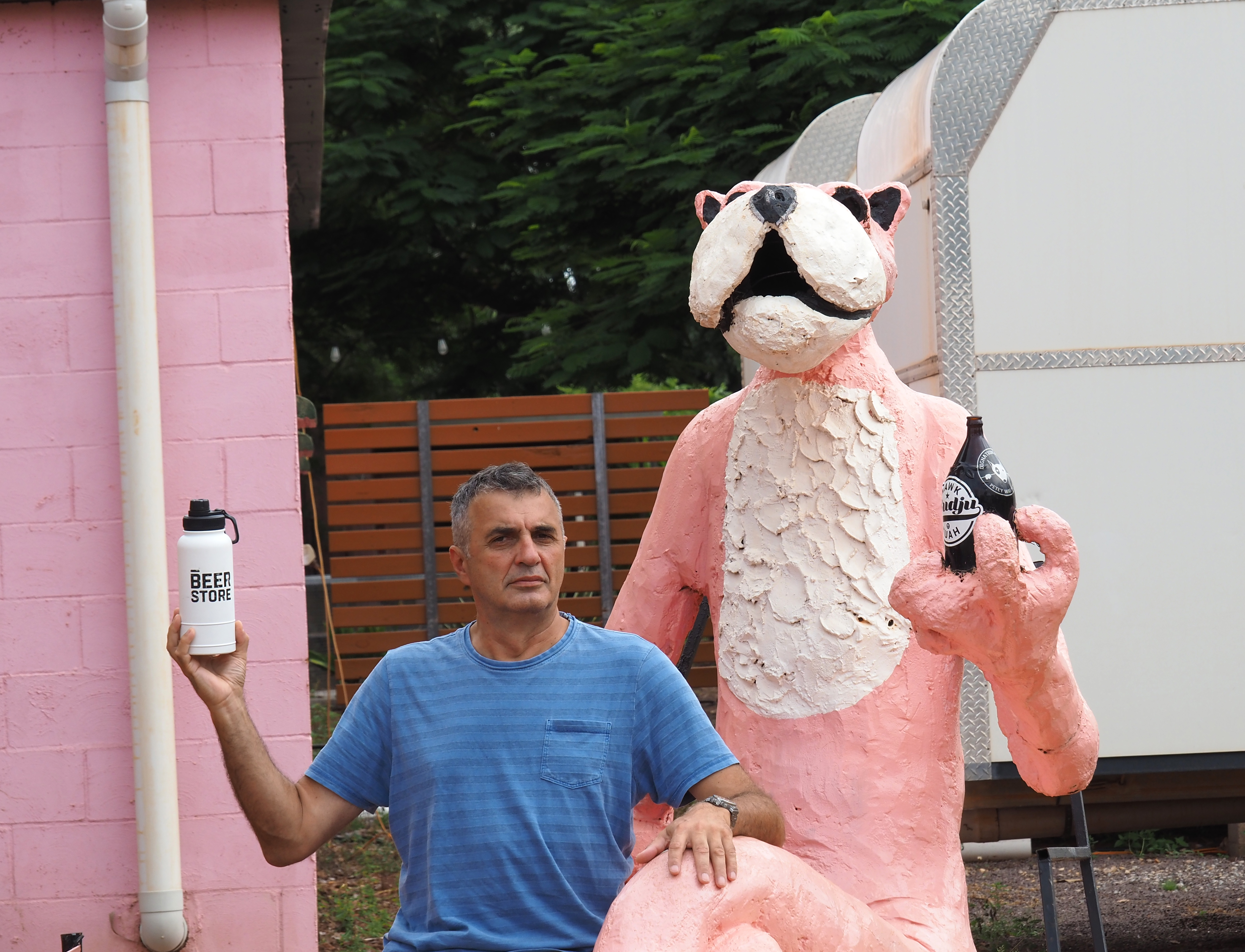
Driving through the Australian desert is fun. It’s a long stretch from Darwin to Alice Springs, but along the way you find the most unexpected places—like the Pink Panther Pub in Larrimah. We stopped there for the night and absolutely loved it. Imagine waking up in the middle of nowhere with a giant Pink Panther hovering over your camper, staring at you through the window. Priceless, right?
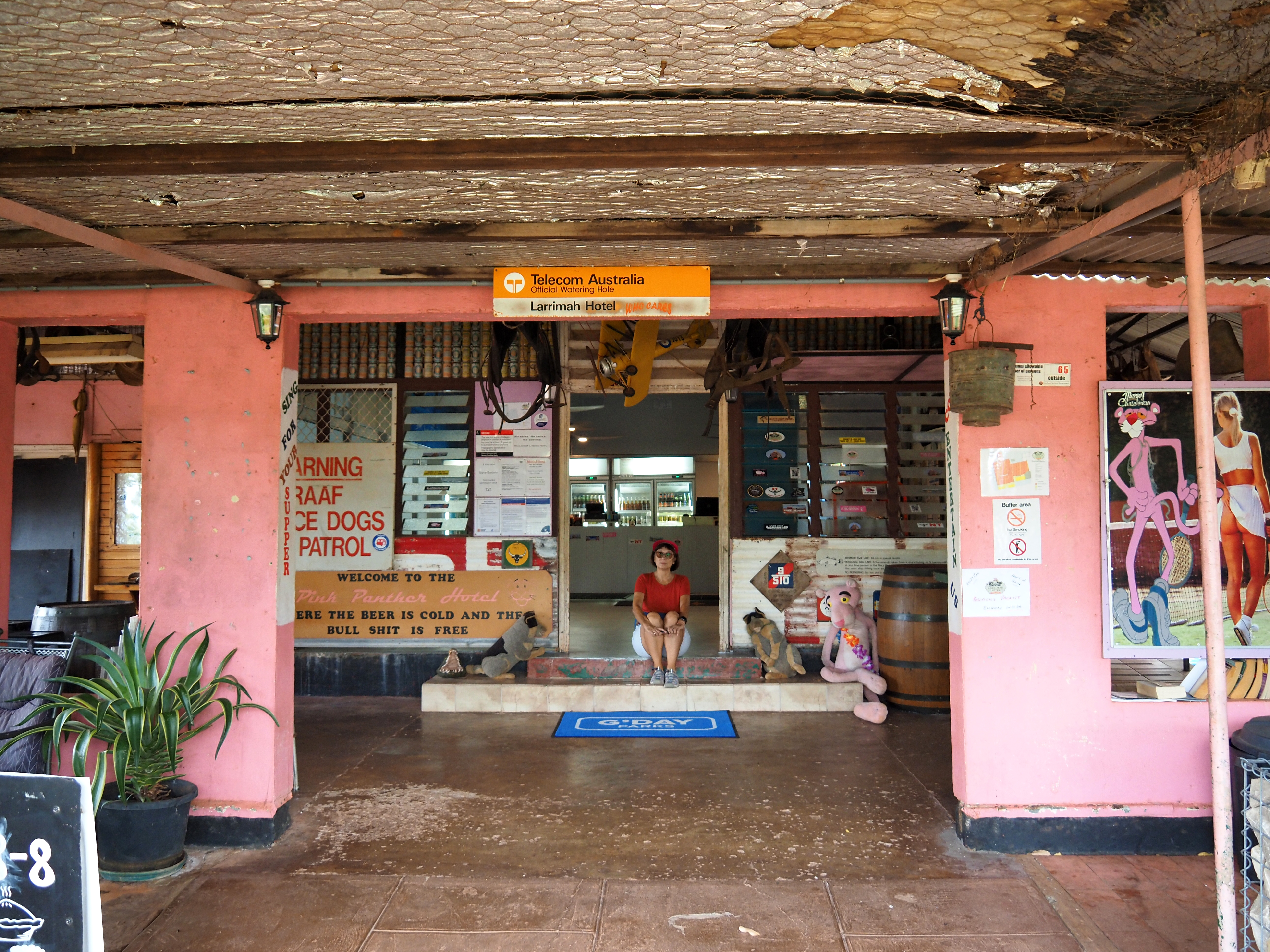
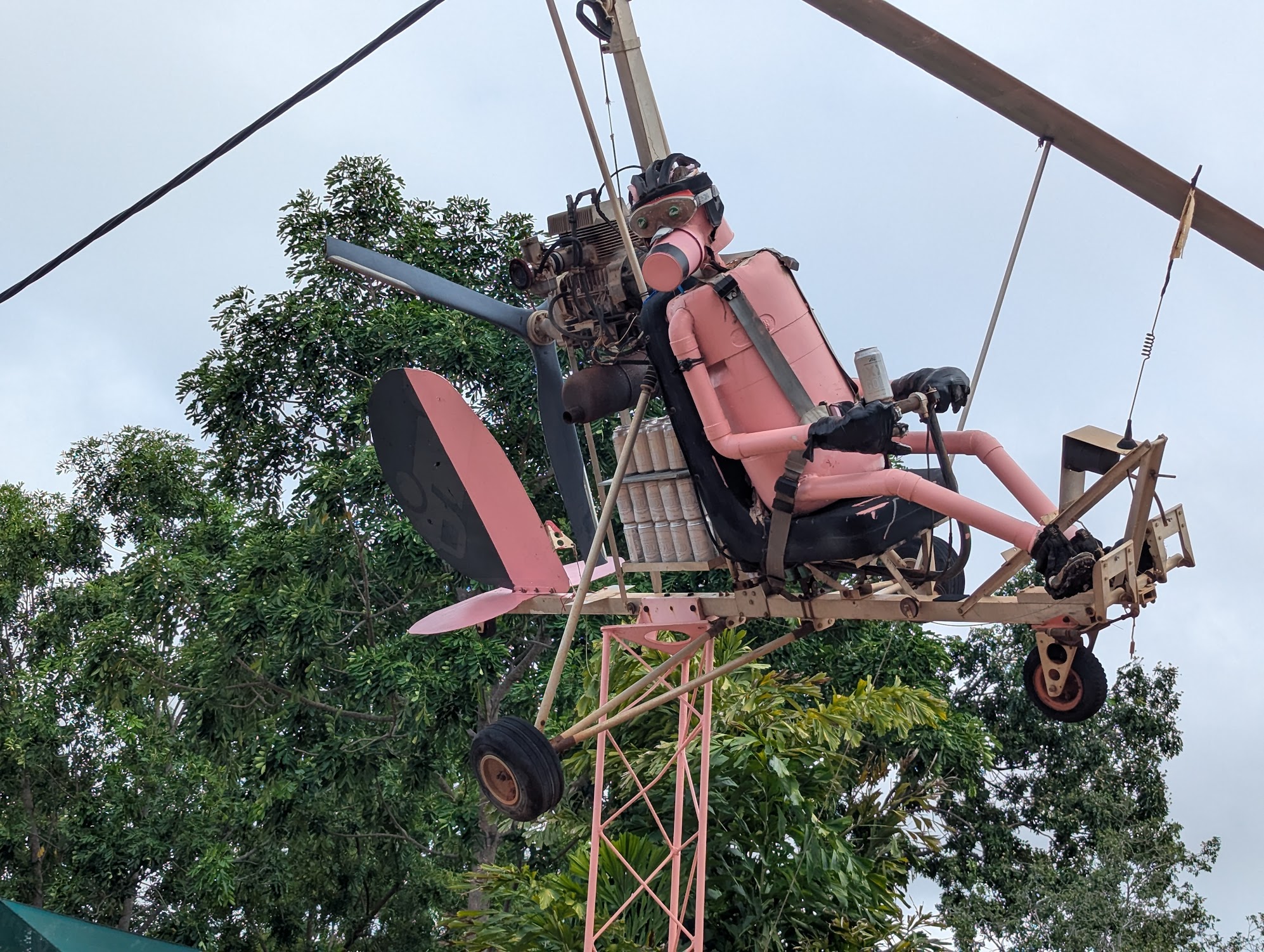
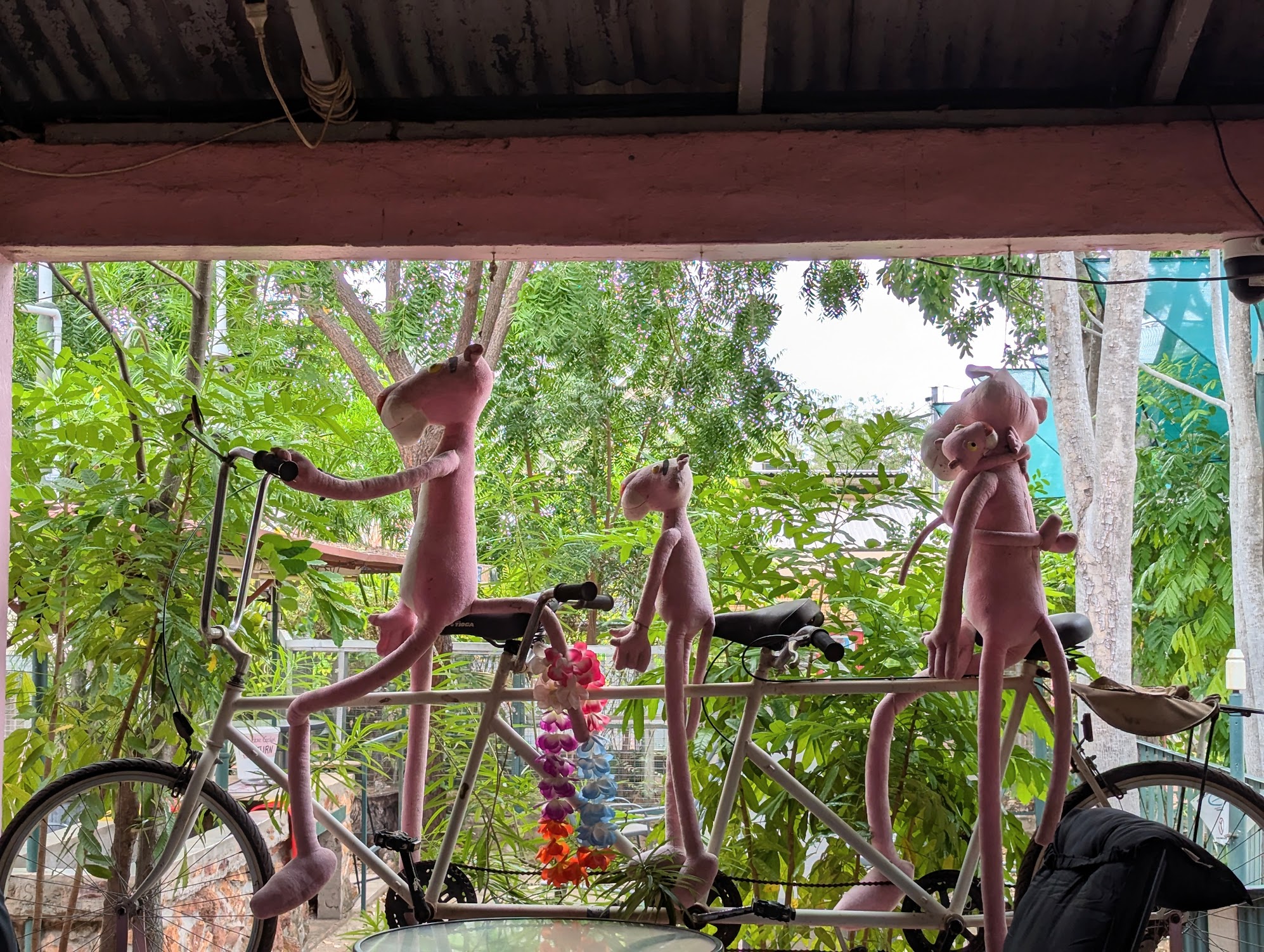
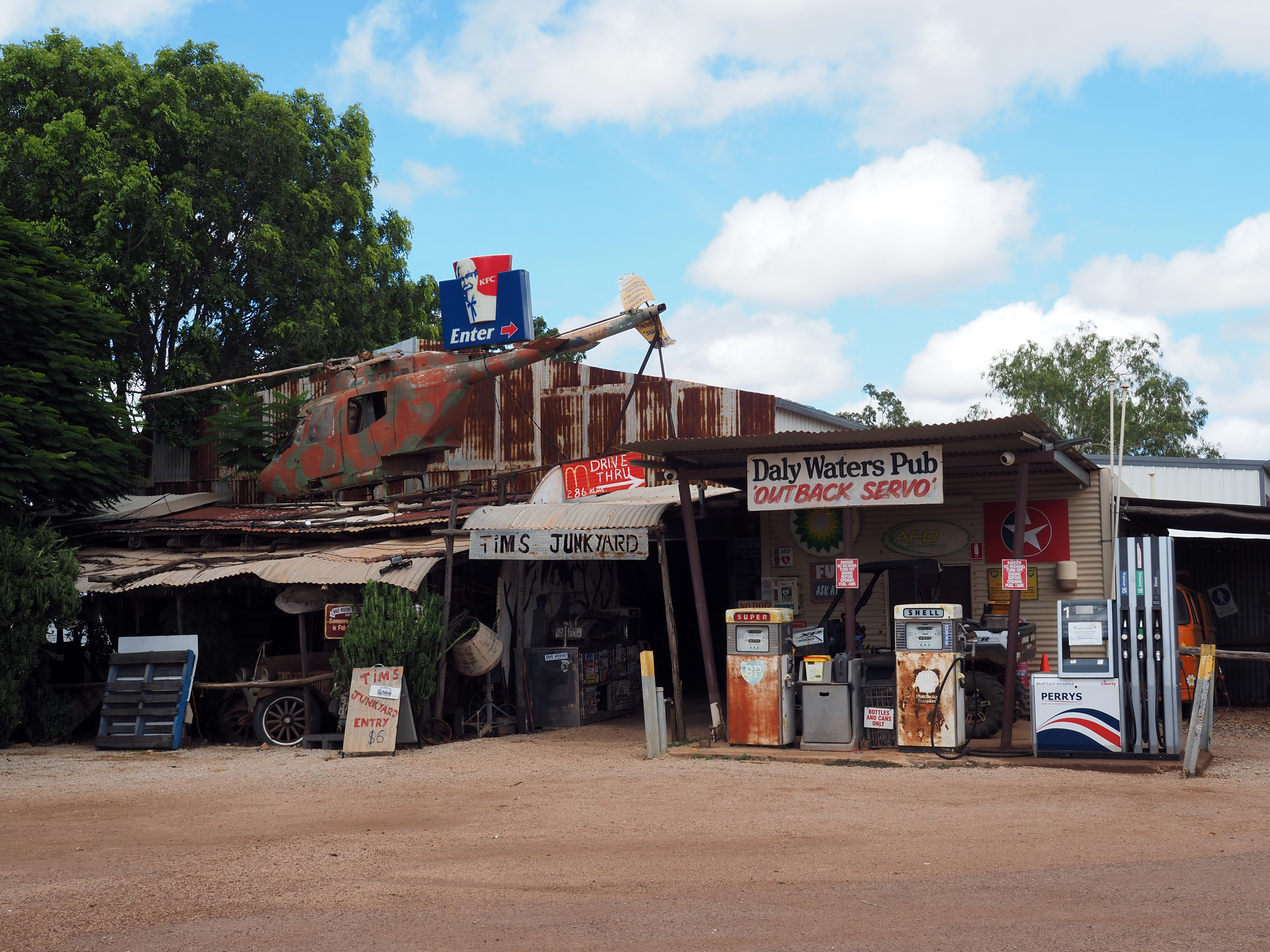
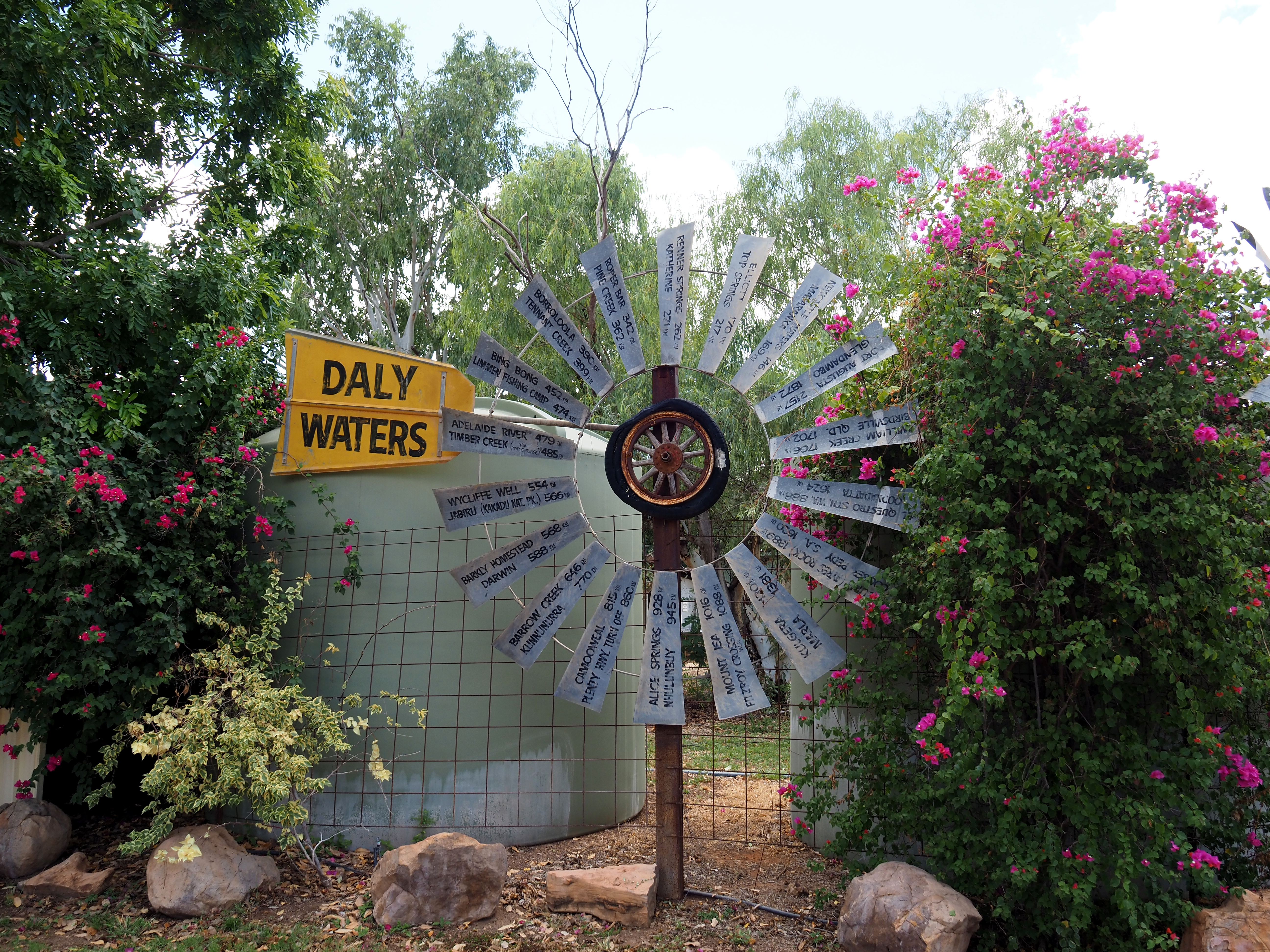
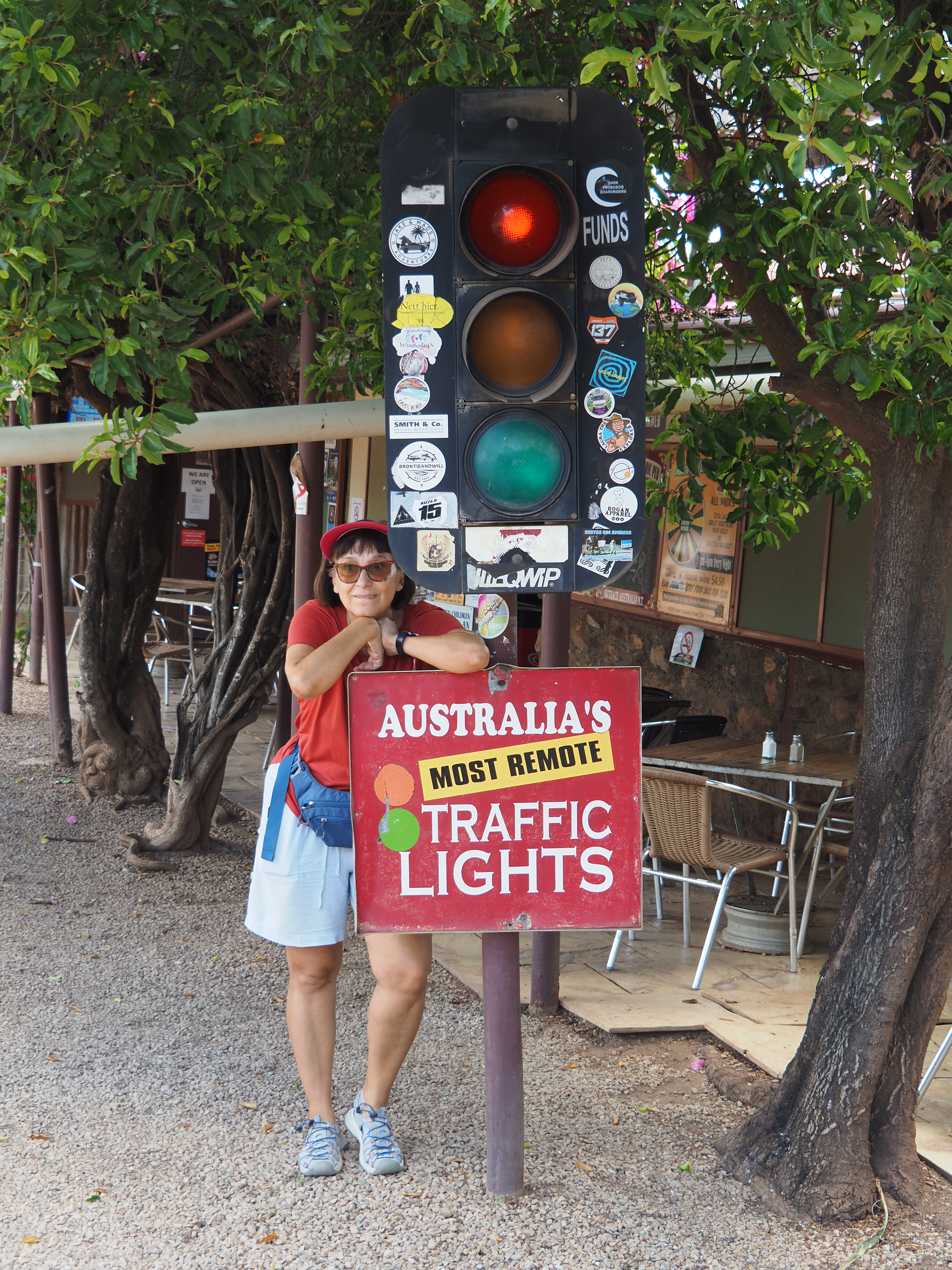
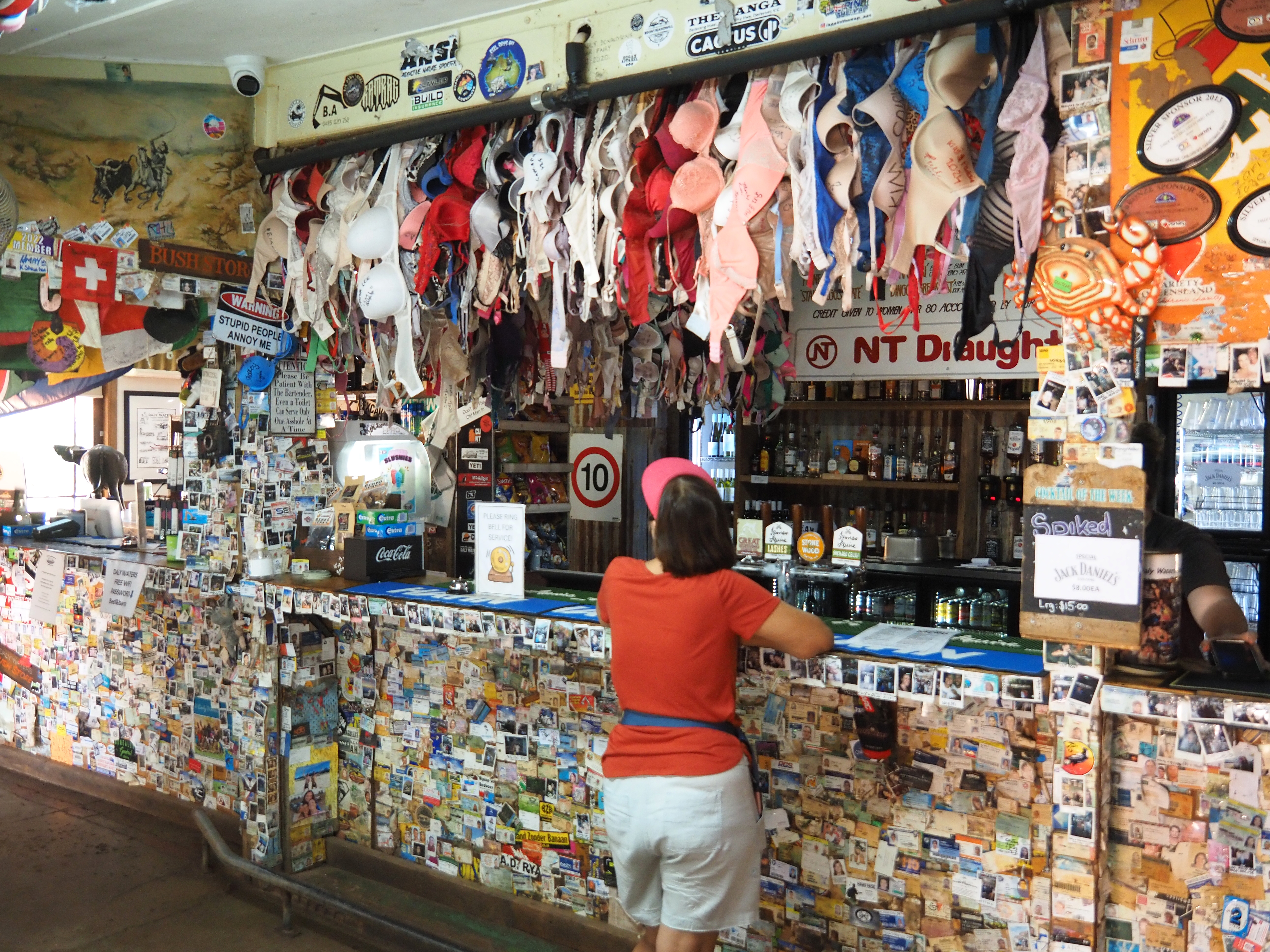
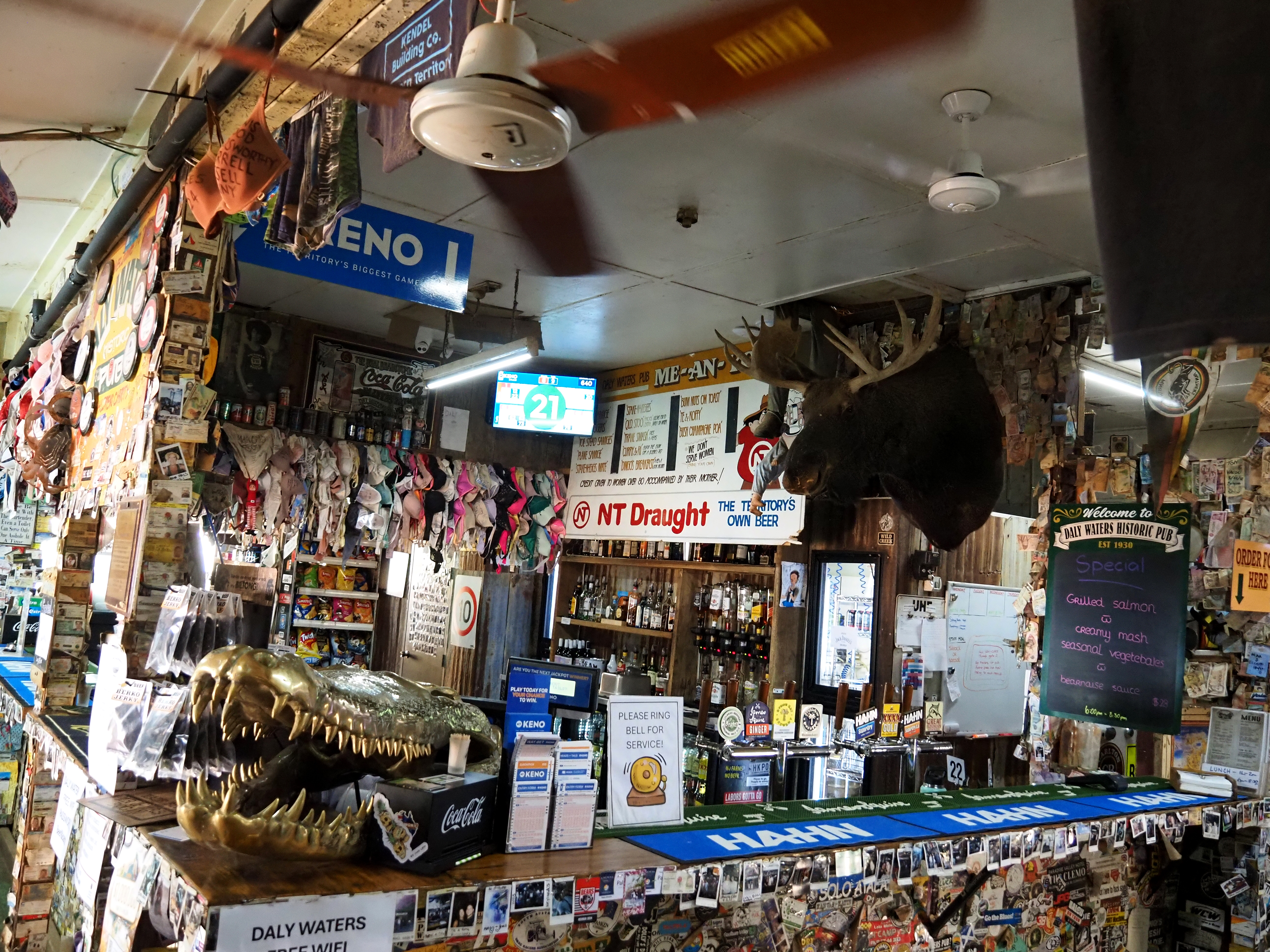
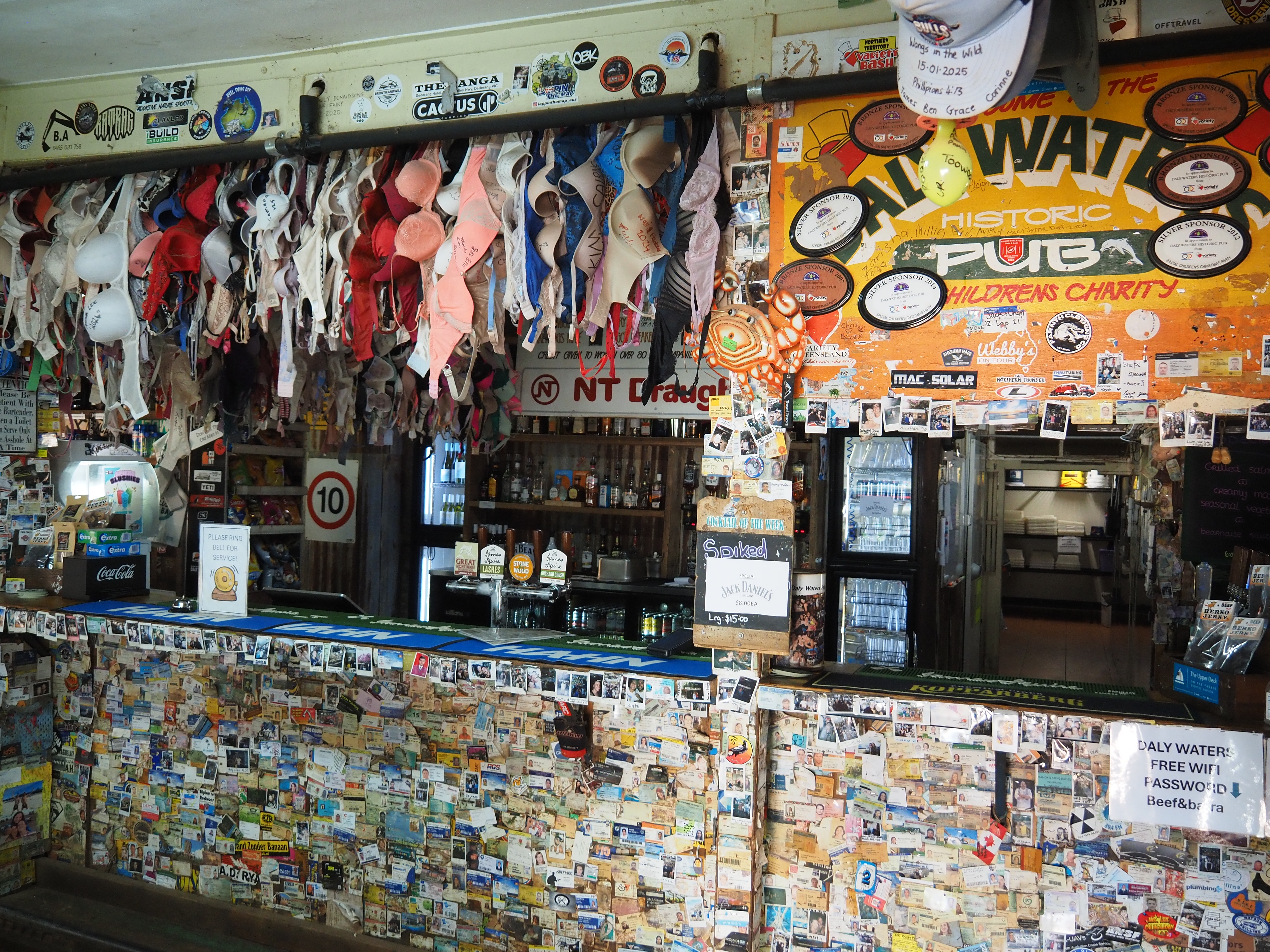
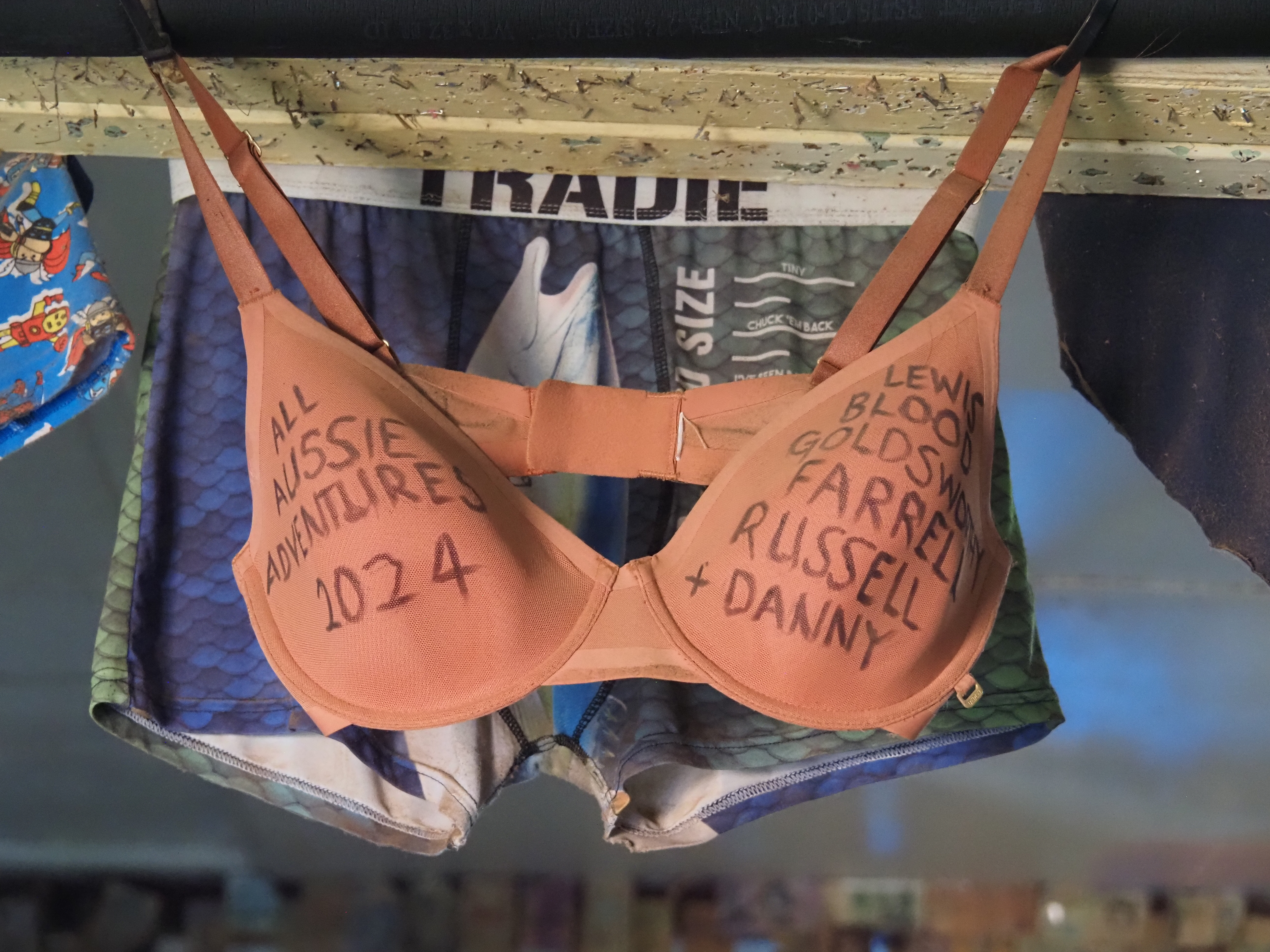
I only wish we’d had more time to explore the Outback. There are so many places unknown to the mass tourist—like the Daly Waters Pub—where all the fun happens in the middle of absolutely nowhere.
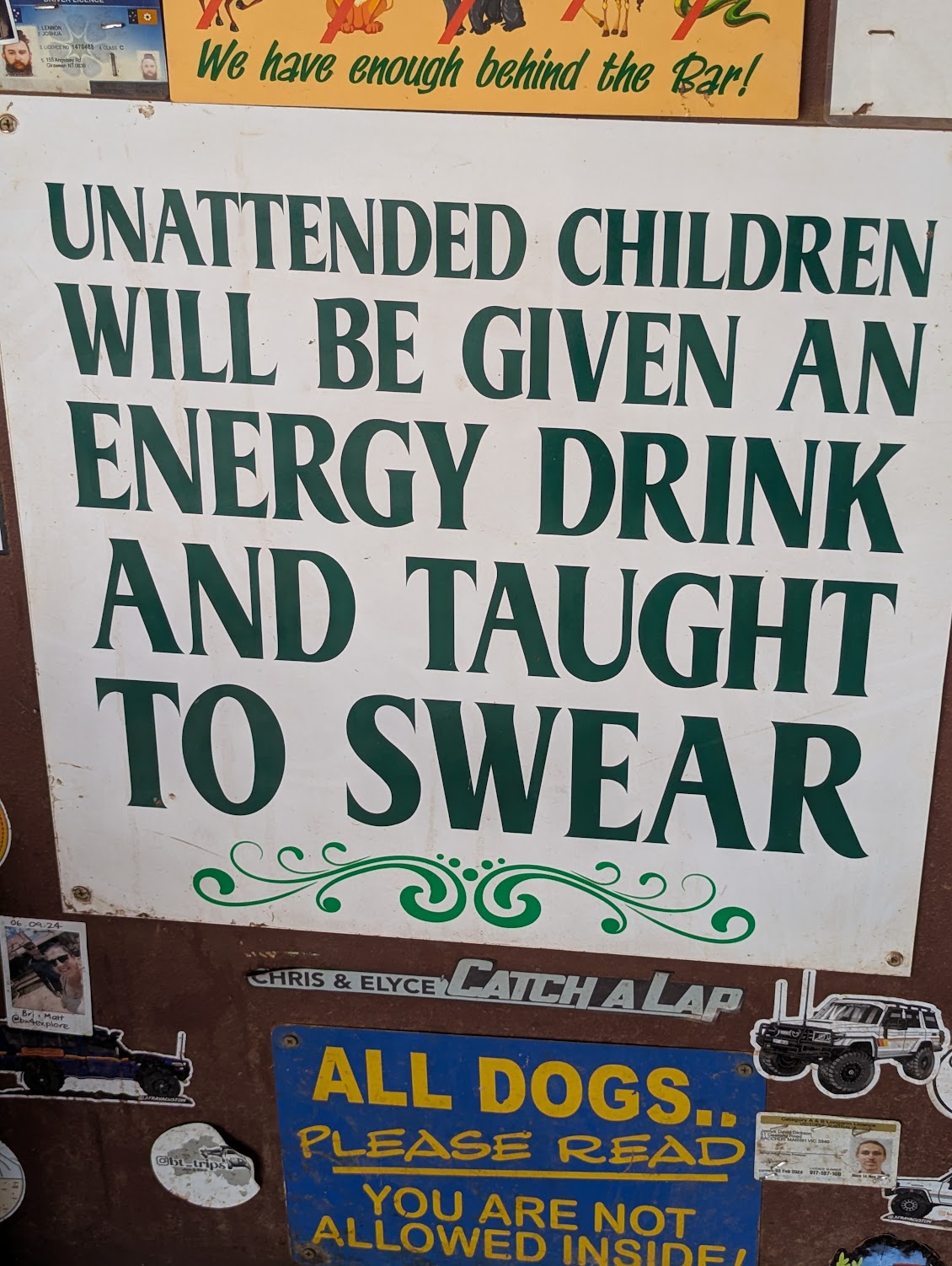

After two days on the road, we arrived in Alice Springs and recharged. This is where the next adventure begins.
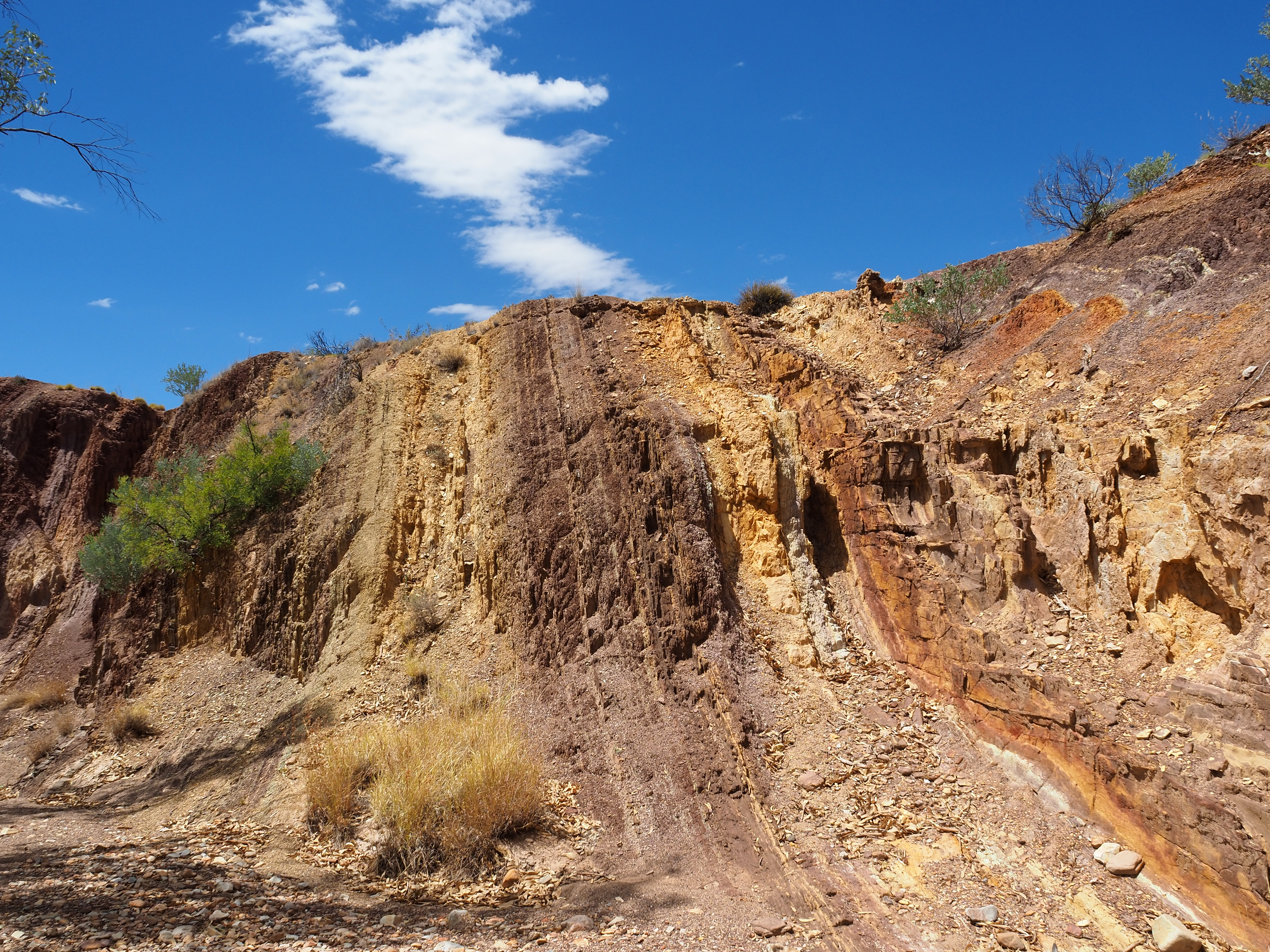
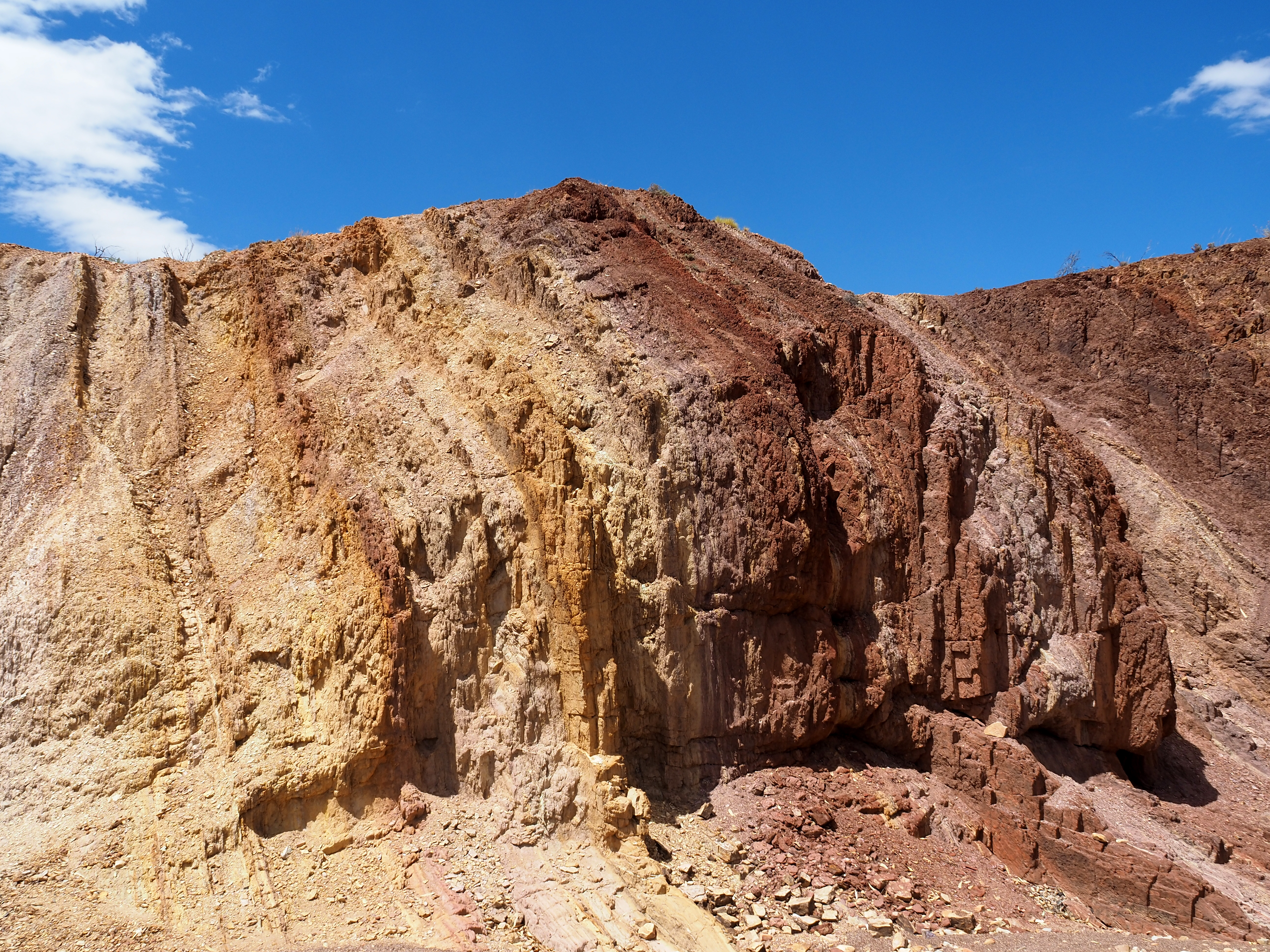
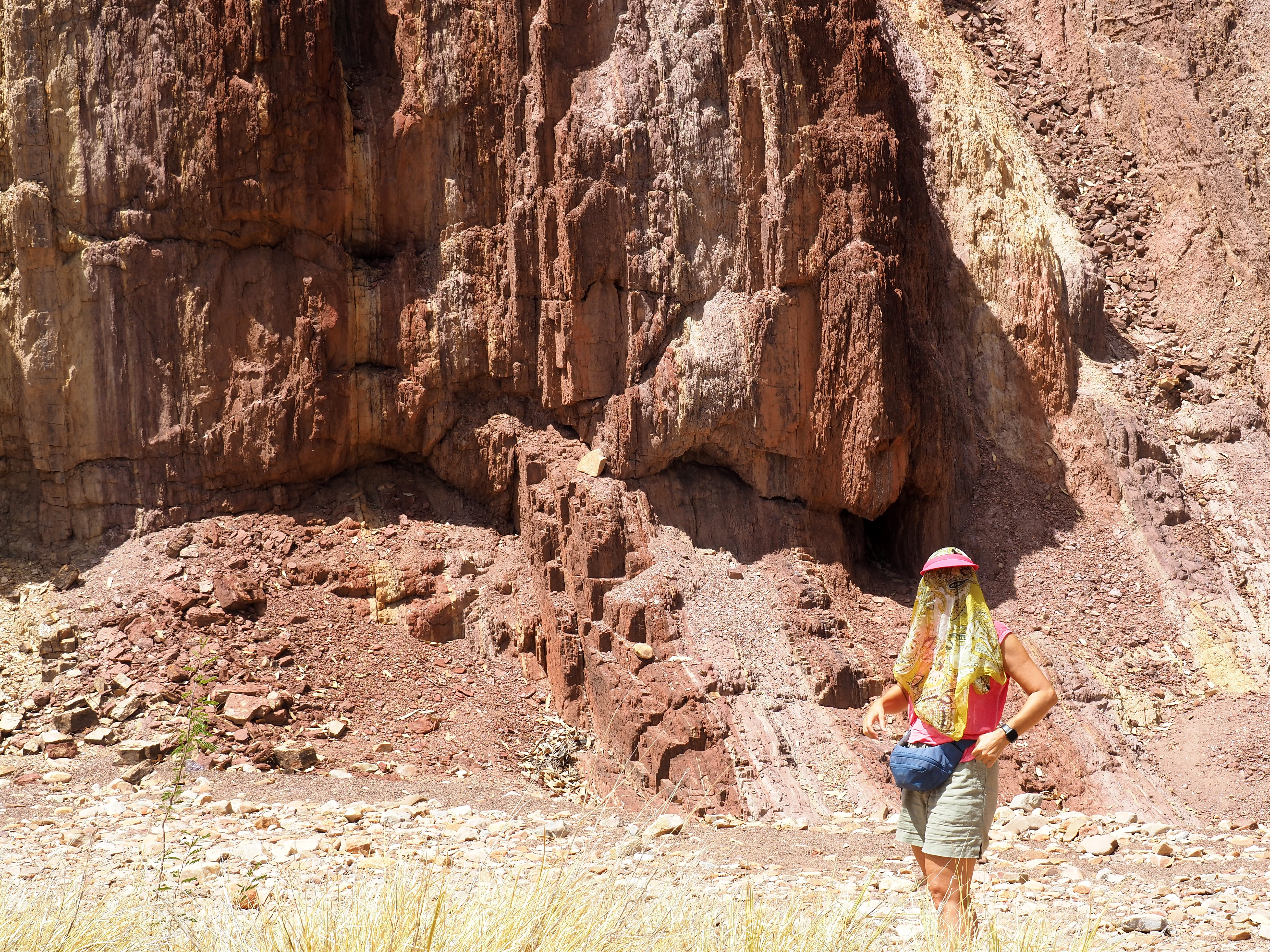
The area around the Red Centre is filled with magical stories from the past. We visited the Ochre Pits, where the colours mined at the site held cultural significance for local Aboriginal people and were used in traditional ceremonies. I expected the colours to be a little more vibrant, but I suppose my 21st-century eyesight has been permanently adjusted to the over-saturation of modern screens.
The very next day, my love announced:
“That’s enough! We’ve been driving and hiding from the heat for almost two months now. I can’t take this lazy life anymore. We’re going hiking in Kings Canyon.”
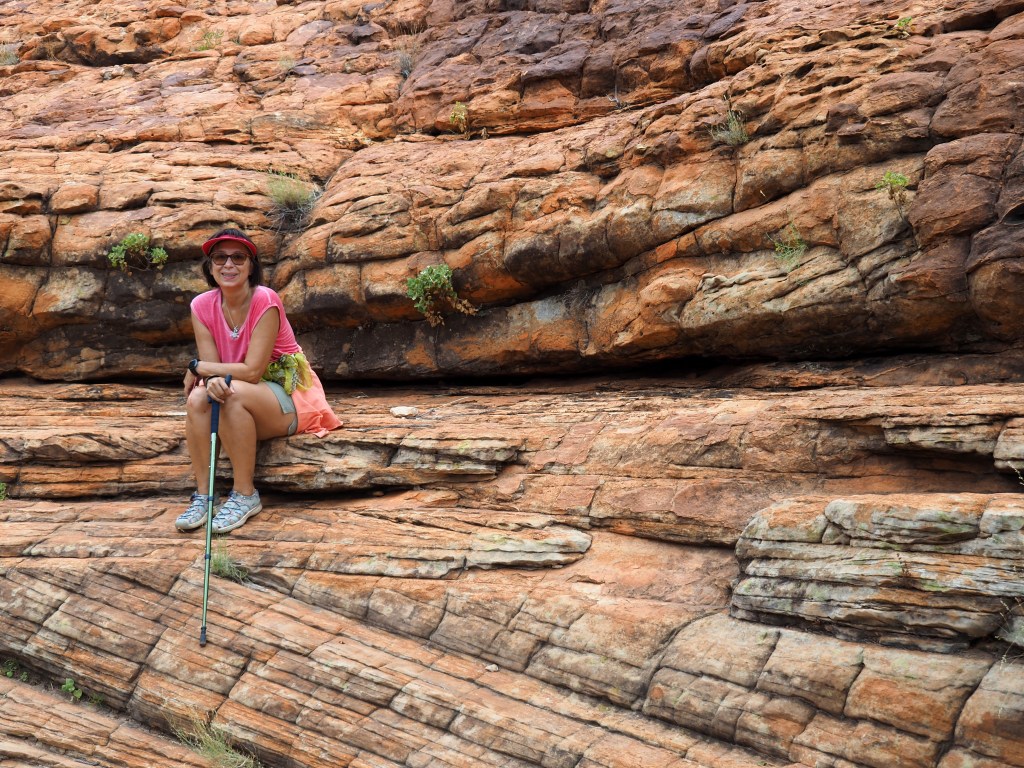
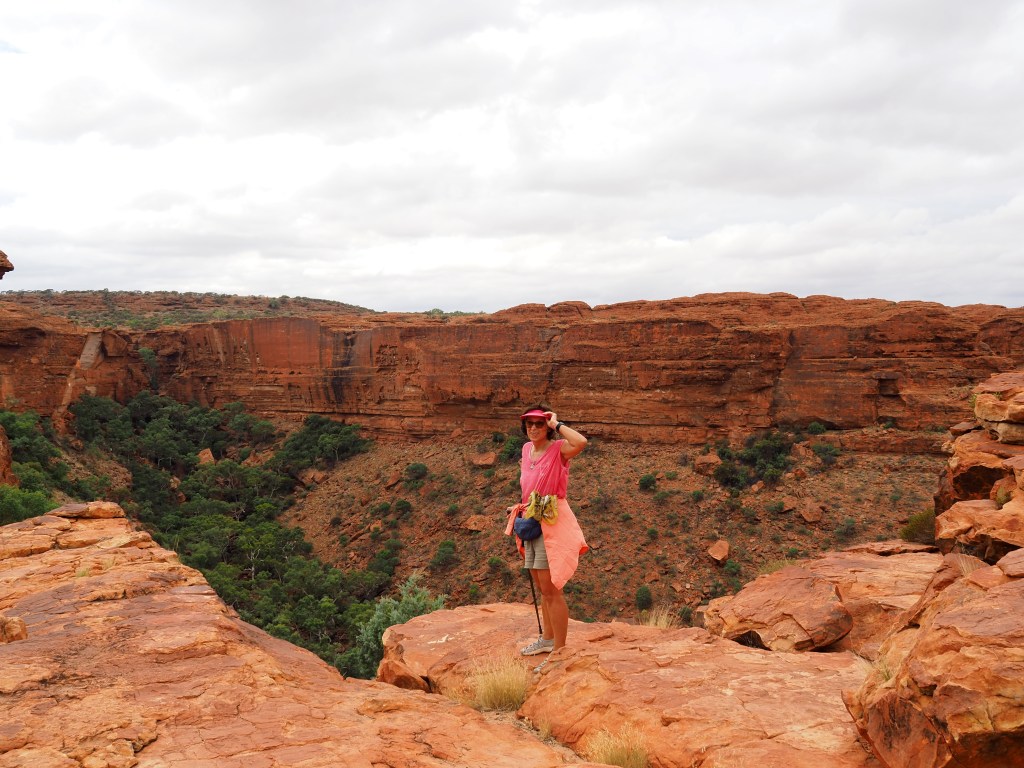
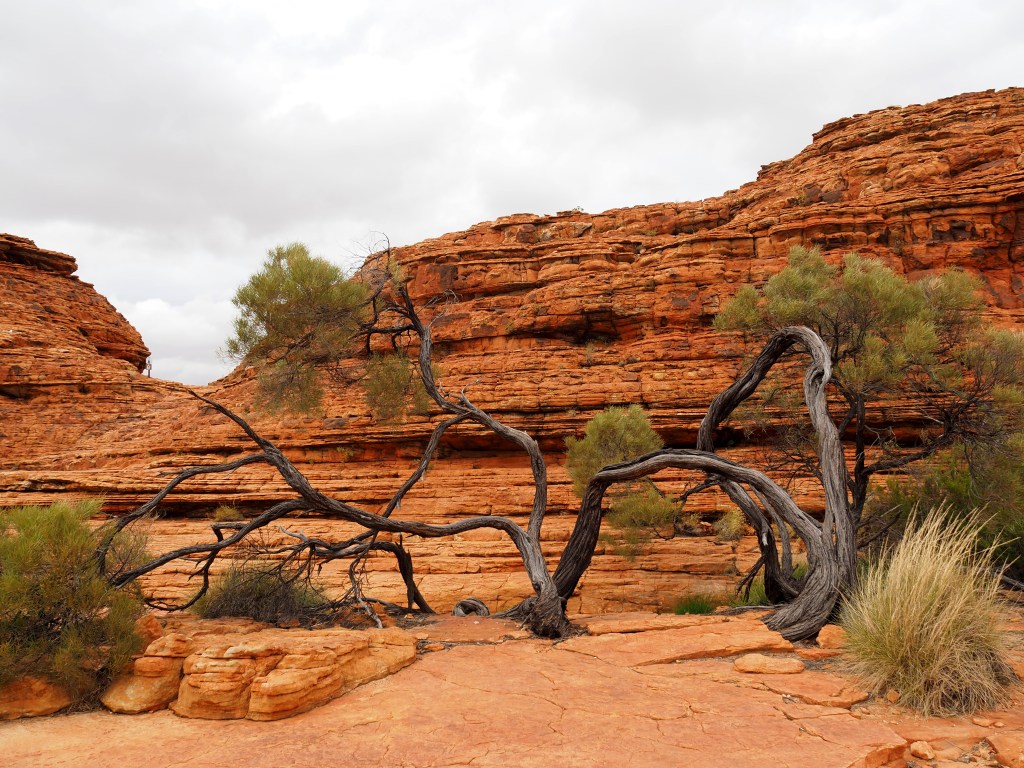
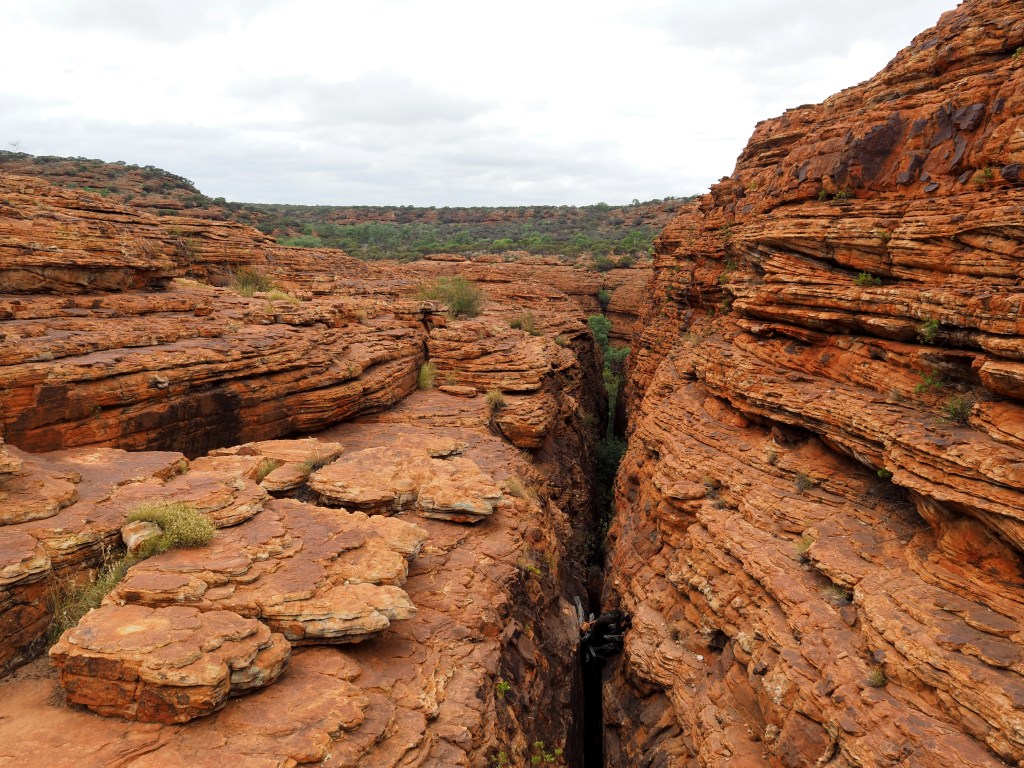
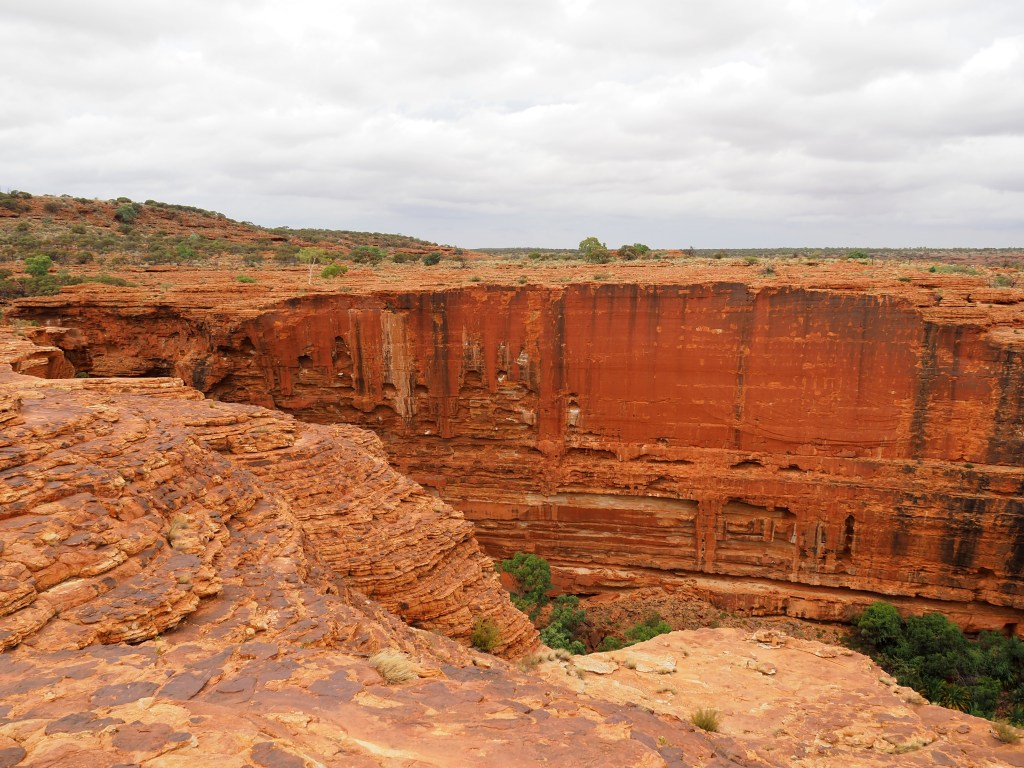
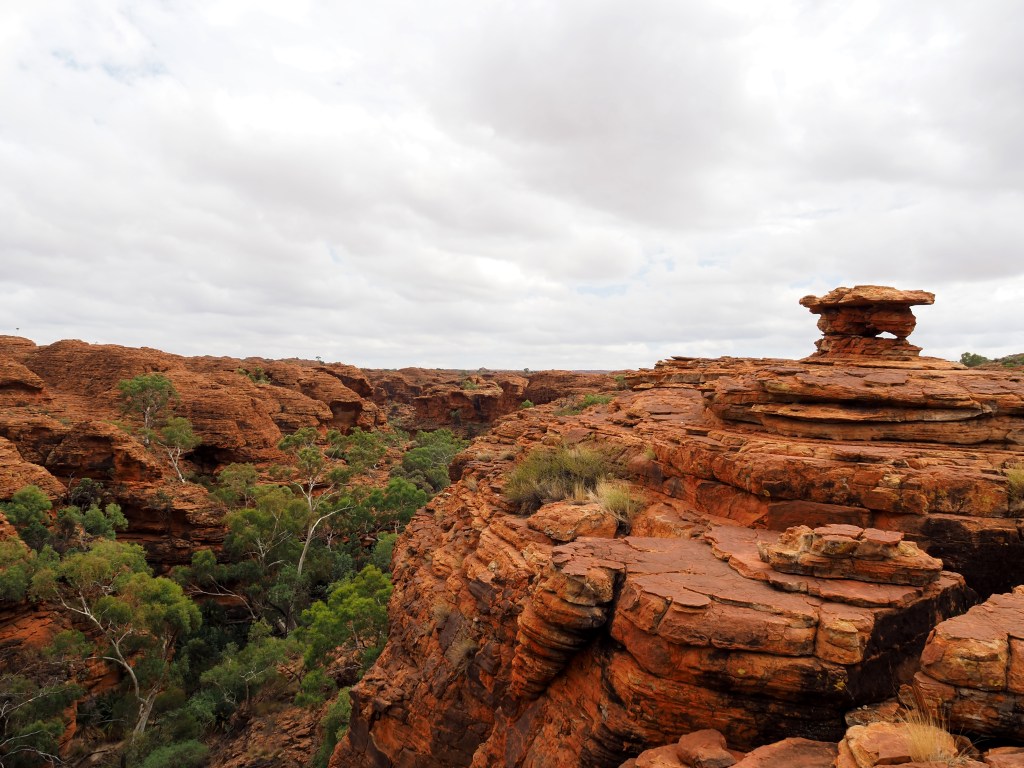
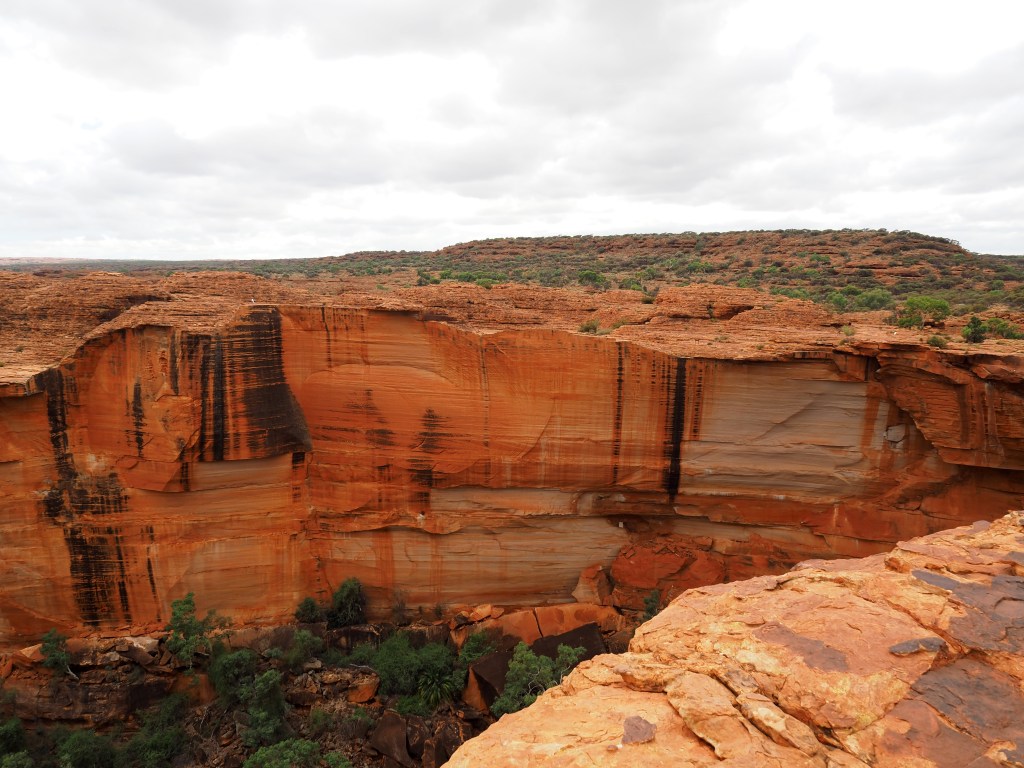
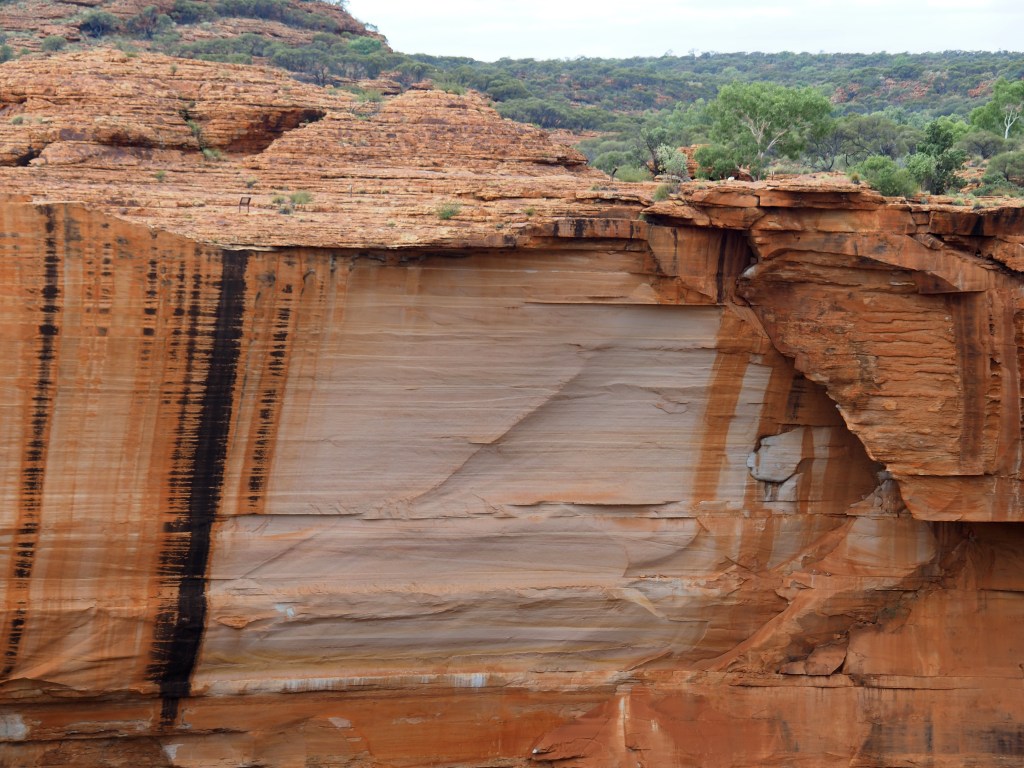
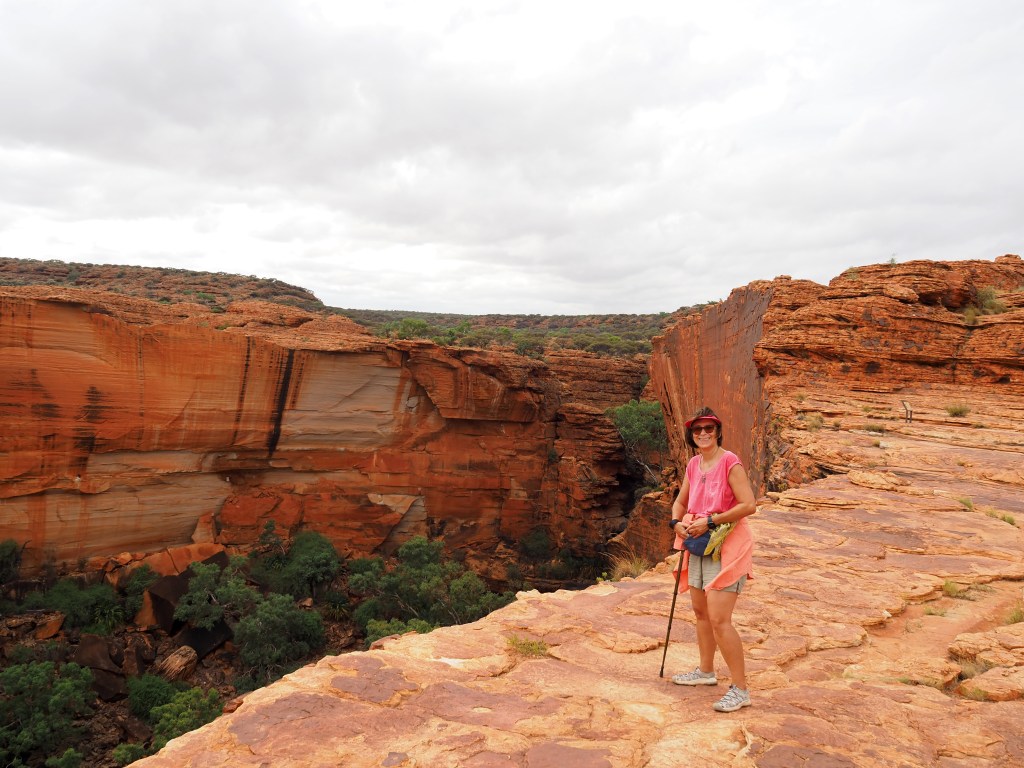
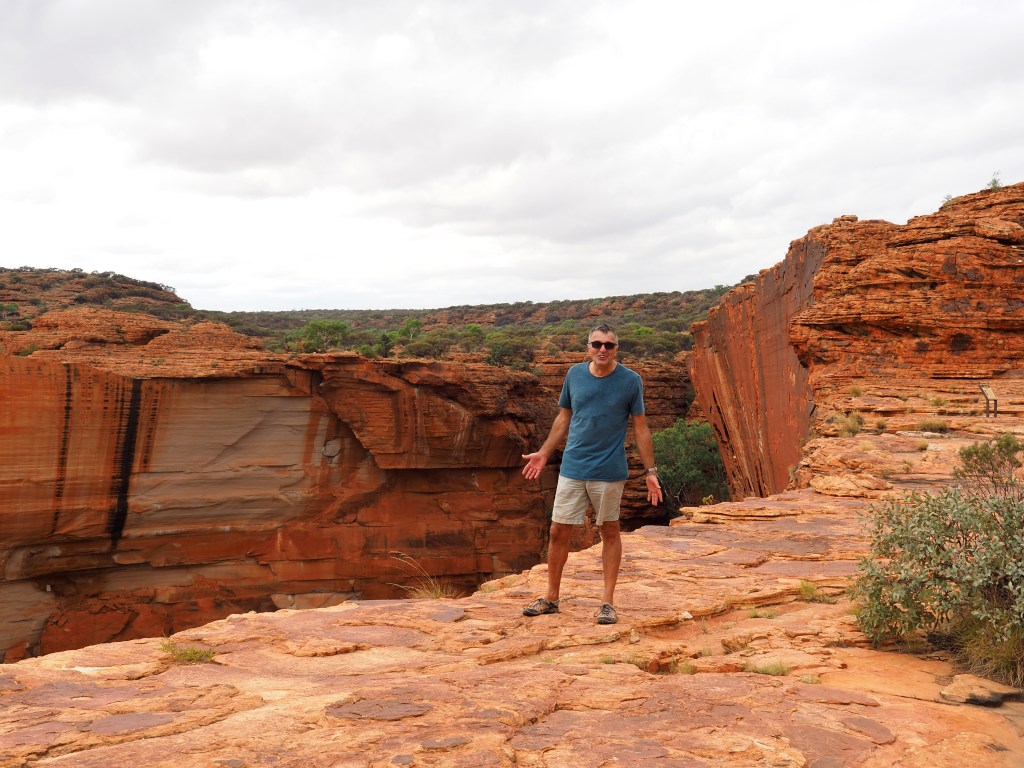
So, we went hiking. And honestly, it wasn’t that bad. It was still hot—somewhere between a pleasant 33 and 36 degrees—but with low humidity, climbing the hills didn’t feel too brutal. We even had time to enjoy the scenery and take photos. And yes, I even had enough energy left to pose in some of them.
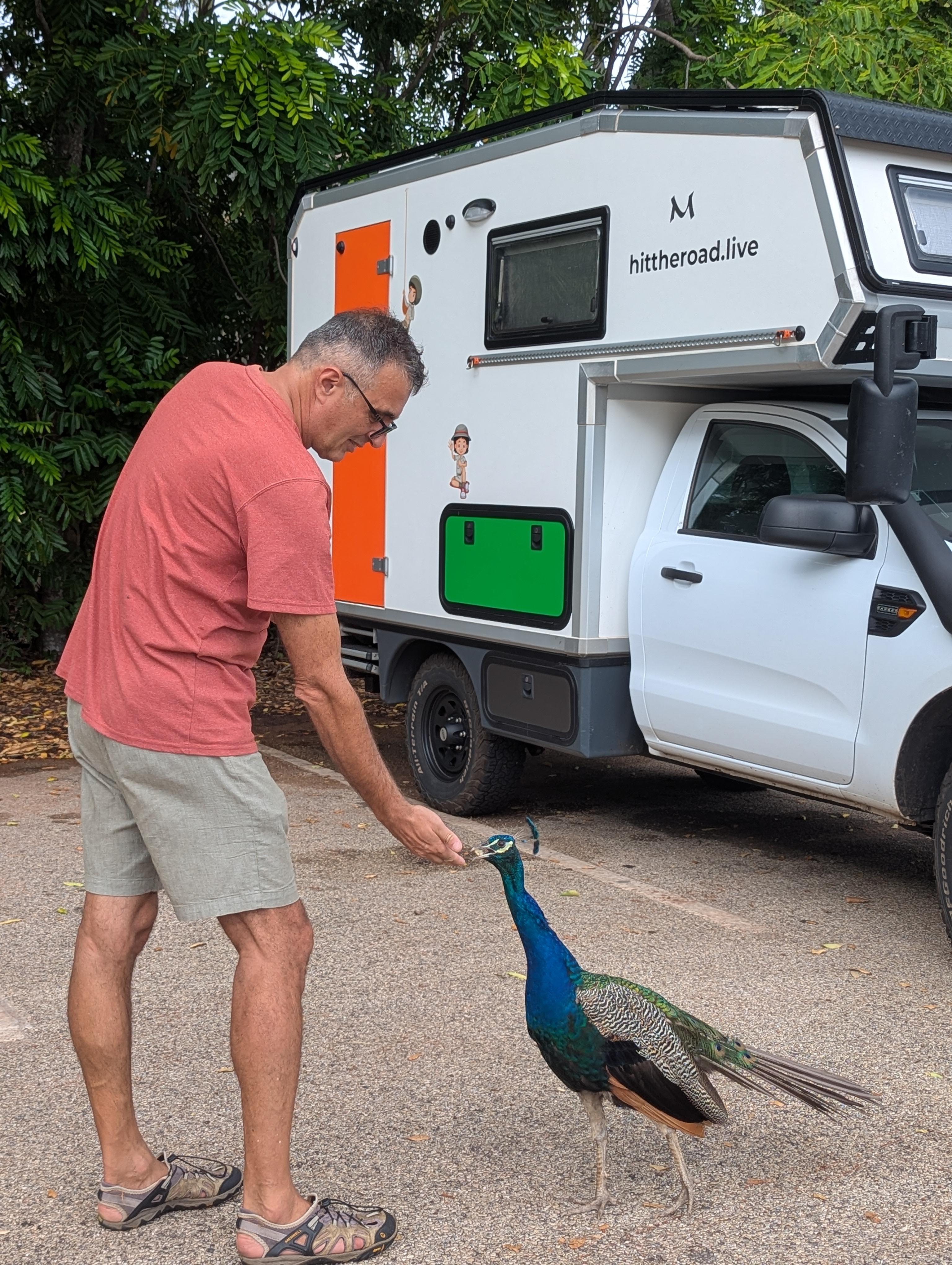
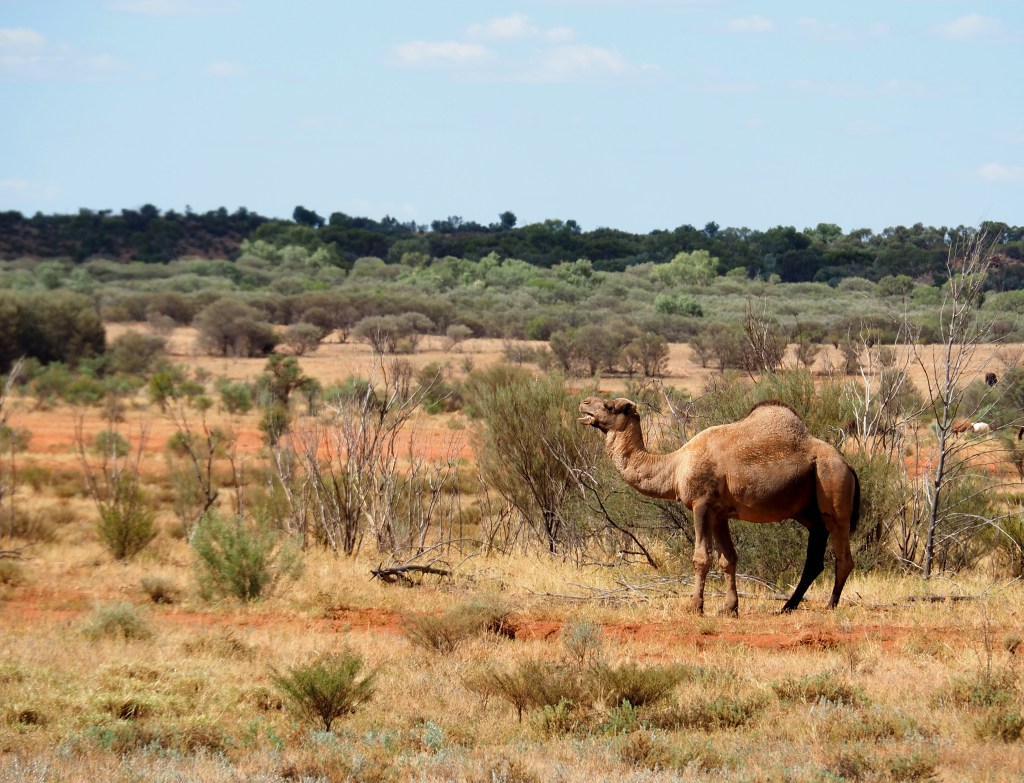
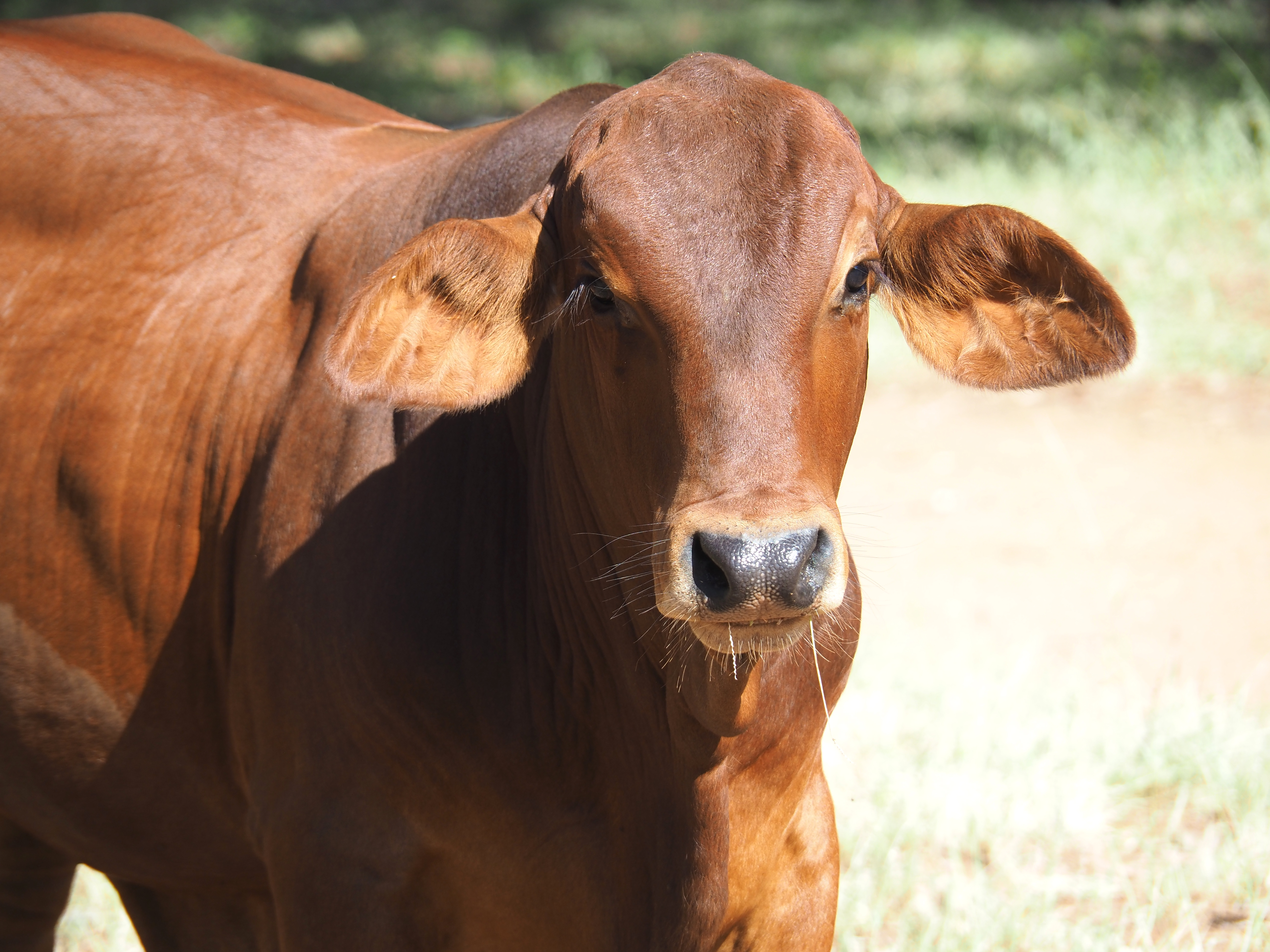
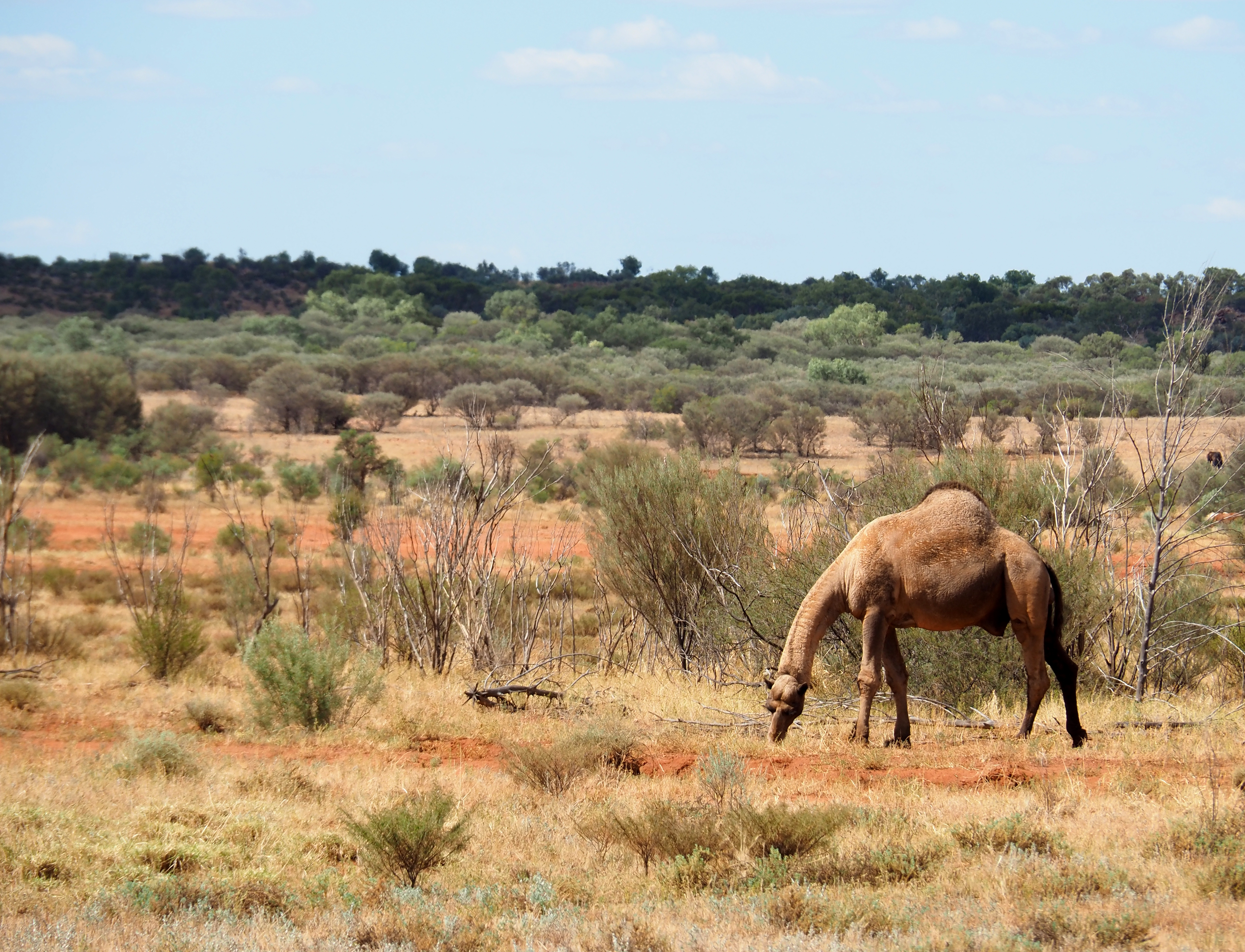
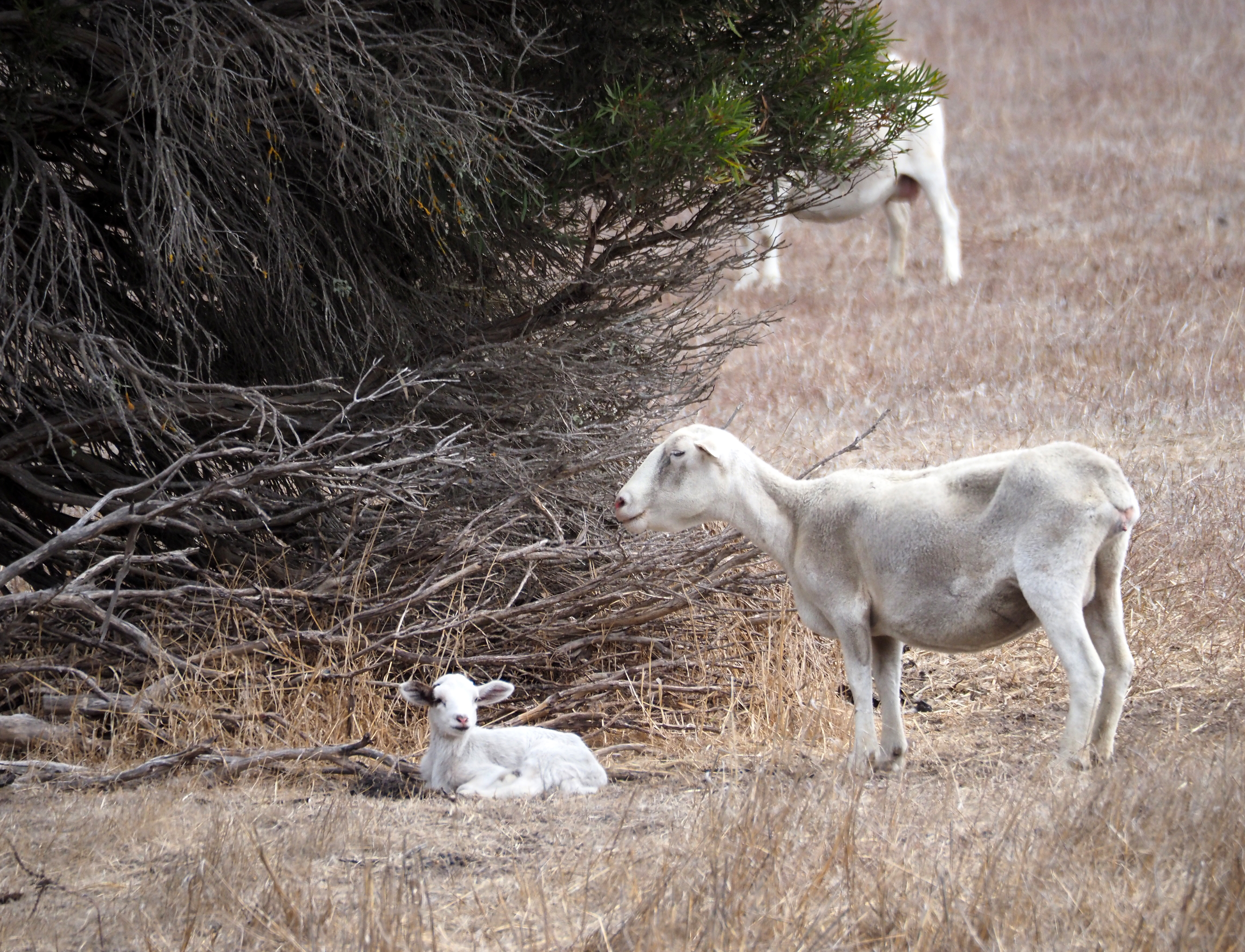
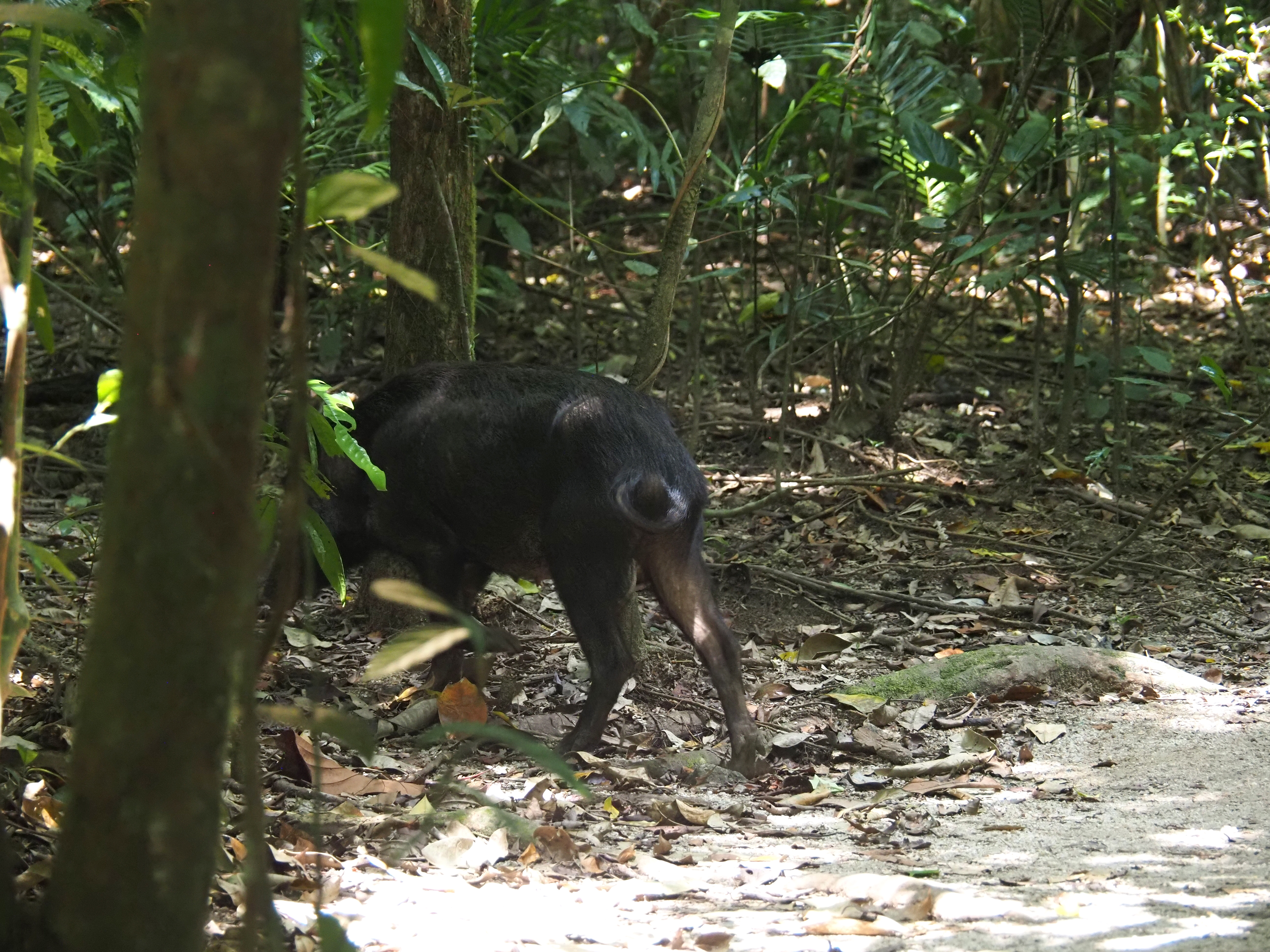
Since we started our Australian adventure in Perth, we met many feral animals on the road – pigs, goats, horses, cows, and even camels. Australia is famous for its wild animals, but no one warns you about the feral farm animals. Kangaroos and crocodiles may get postcards, but it’s the goats, camels, cows, and pigs that really run the outback. We saw goats perched on cliffs like they were on an extreme yoga retreat, staring down at me as if I were the strange one. A few days back on the road, wild cows appeared out of the bush without warning and gave us the same puzzled look.
And here in the shadows of the King Canyon were the camels. They wandered across the highway in slow motion, chewing thoughtfully, fully aware that they were late for absolutely nothing.
When we stopped at a wild camping site for the night, the pigs arrived around the camper. The wild hogs moved through the bush like they were searching for something.
What I have seen of Australia for the last few months is a vast, wild, beautiful country. The feral animals proved to me that in Australia, even the livestock refuses to be domesticated. The land is so wild that the animals didn’t just escape the farm—they unionized, went rogue, and decided to live their best, most feral lives under the endless outback sun. I am a little bit afraid that if we continue our journey through the continent, we will go feral, and it will be impossible for us to get back to our quiet, domesticated Torontonian lives 😊
Ivan :
According to the statistics, these are the estimated numbers of invasive feral animals in Australia.
- Feral Cats: 2 to 6 million
- Rabbits: Estimated at around 200 million
- Feral Pigs: Estimated 23 million
- Feral Camels: Over 1 million
- Feral Goats: At least 2.6 million
- Feral Horses: Up to 400,000
- Feral Deer: Estimated 1 million
- Feral Donkeys: Up to 5 million
Well, I can somehow imagine 200 million rabbits, but 5 million feral donkeys?
Marinela:
When we were planning our route, I was reluctant to drive 2000 km across Australia to see Uluru. I suspected that it was just another tourist trap, a red rock somewhere in the middle of a desert. Been there, done that. Well, I haven’t been that wrong for a long time. It was touristy, even in the low season, but it was one of the most unique places I’ve seen. And I think I’ve seen a lot. It is worth every kilometre driven from Darwin and the 2000 more to get out of the desert. We decided to do a quick 10 km hike around it. It was only 36 degrees Celsius and not humid at all. So, I have pictures of this one-of-a-kind stone from every angle.
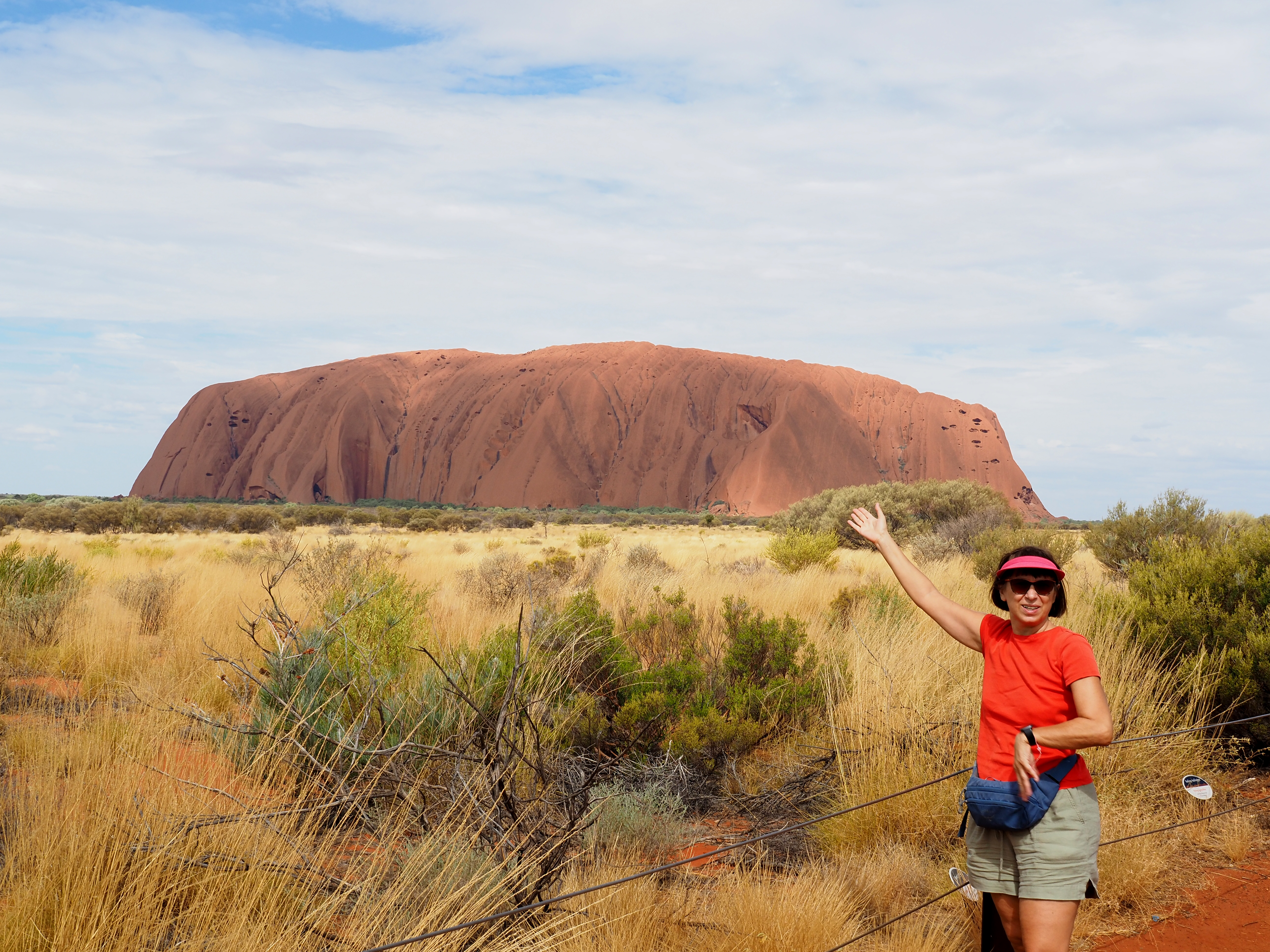
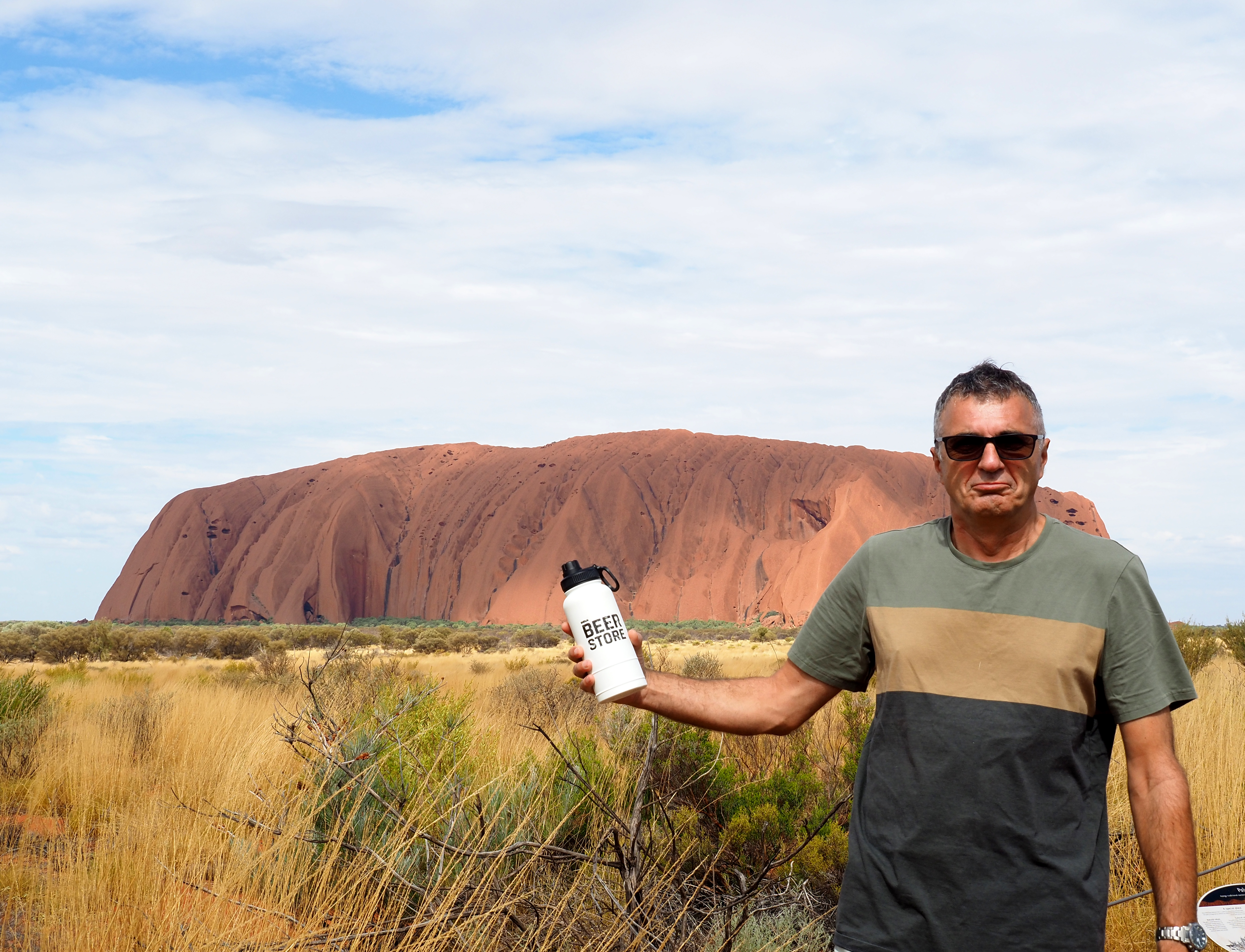
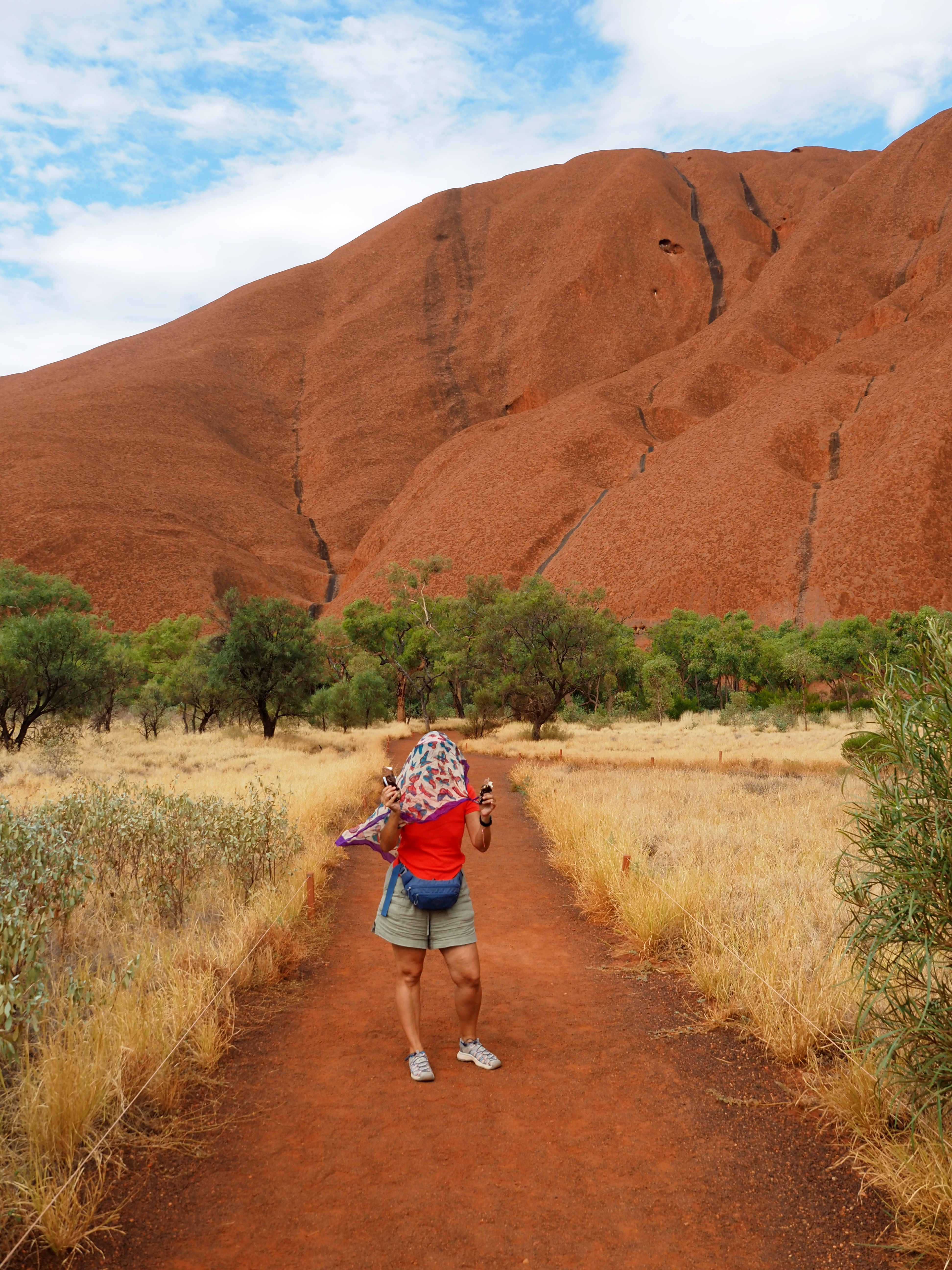
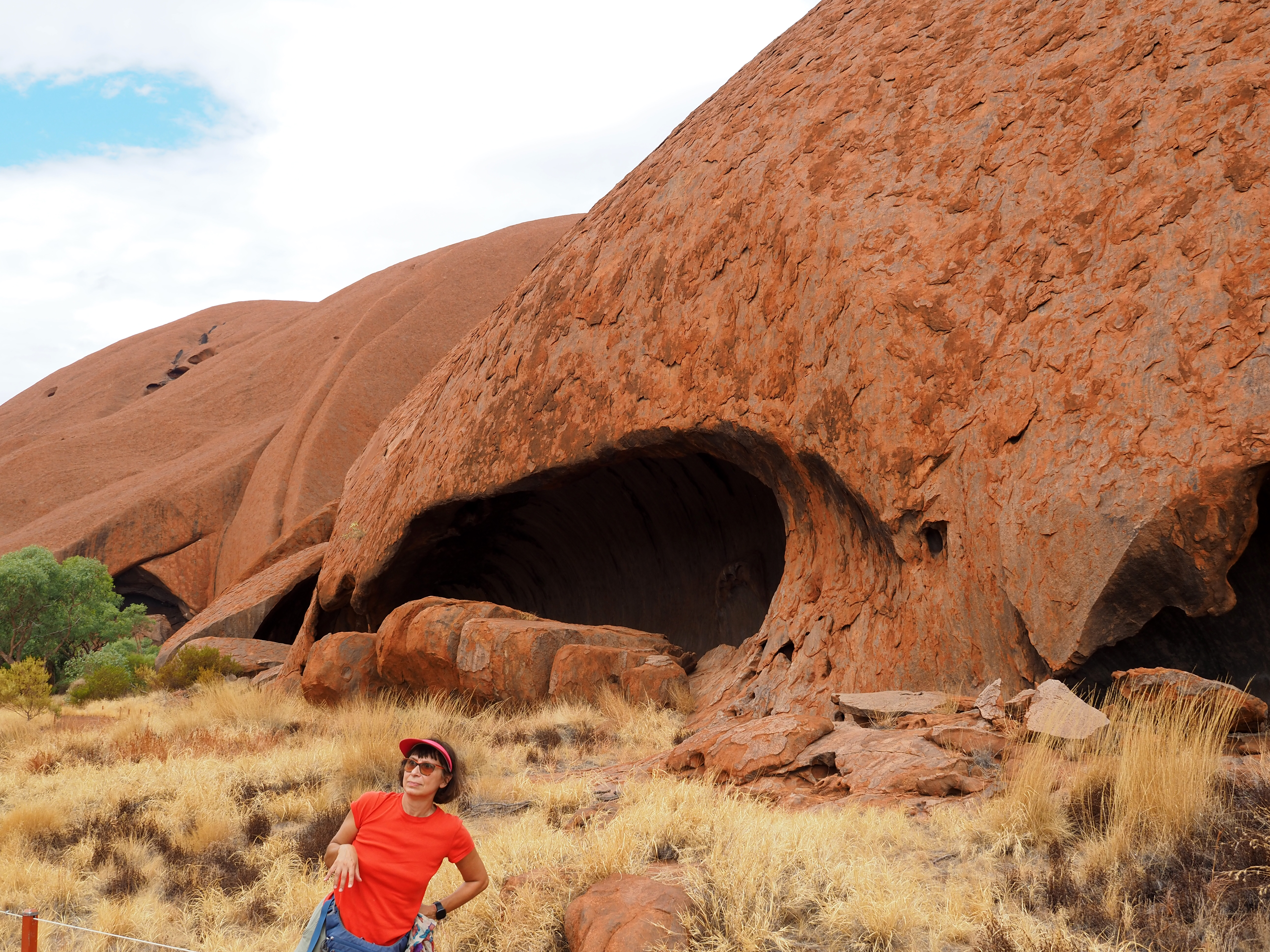
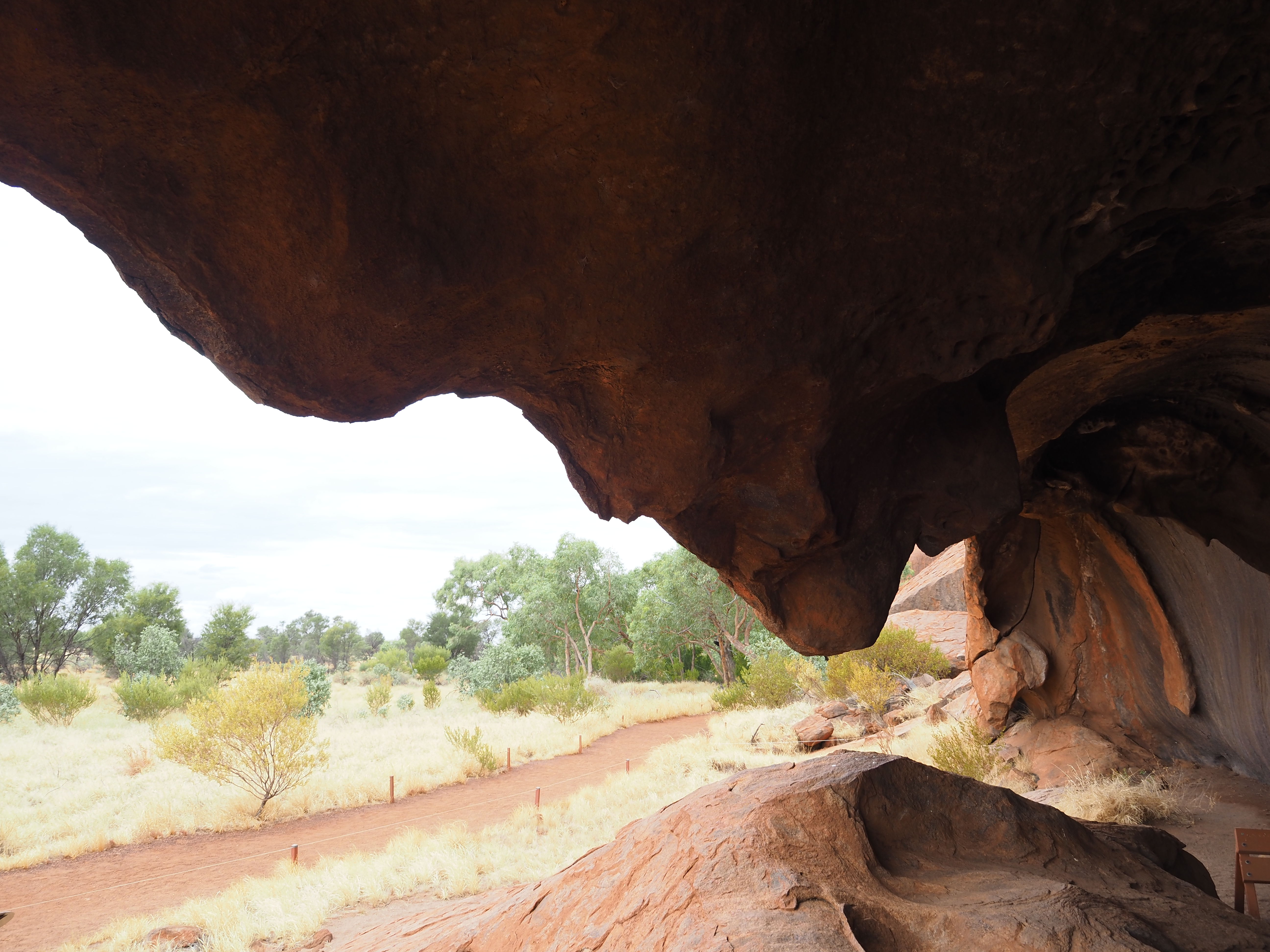
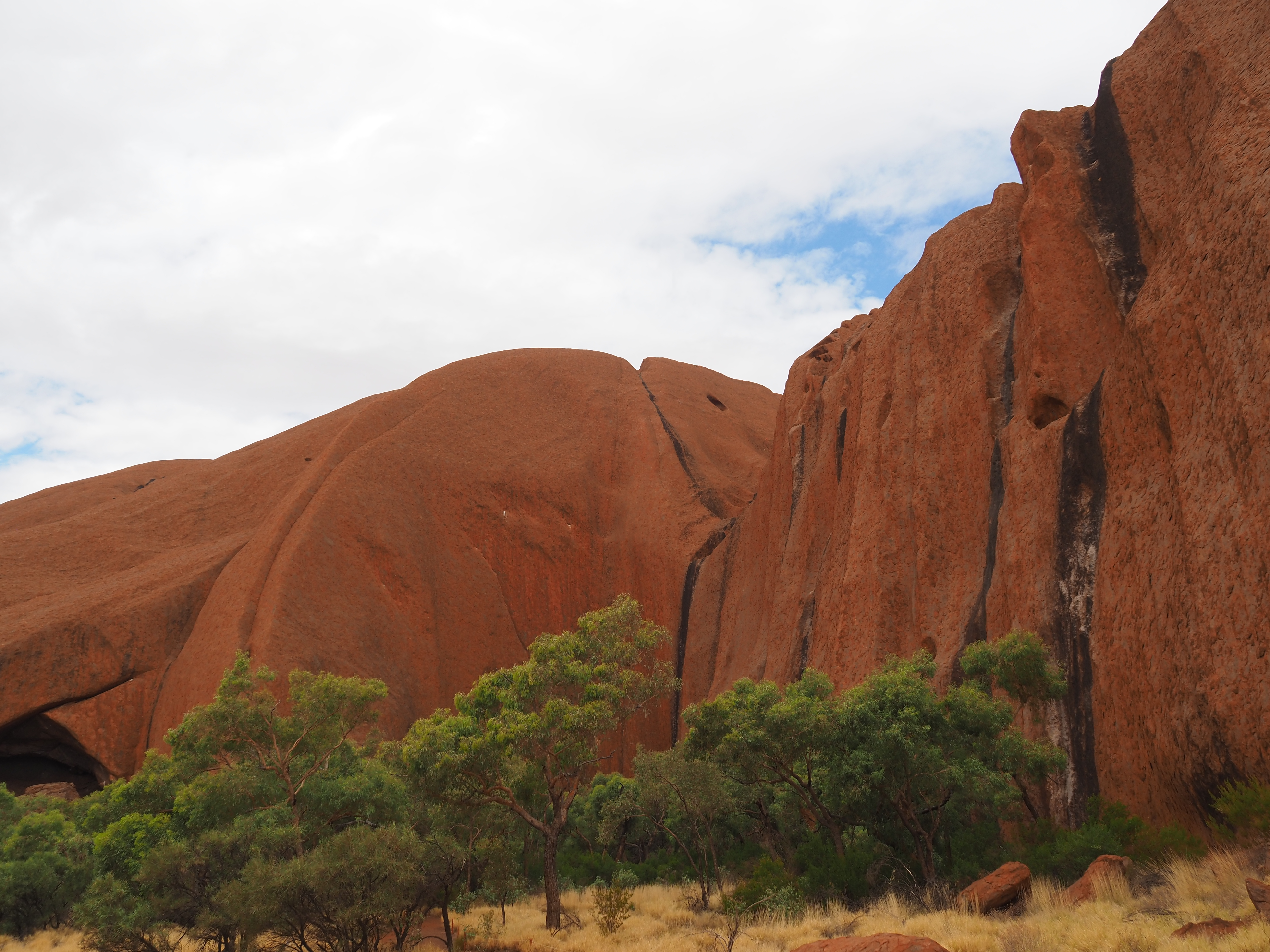
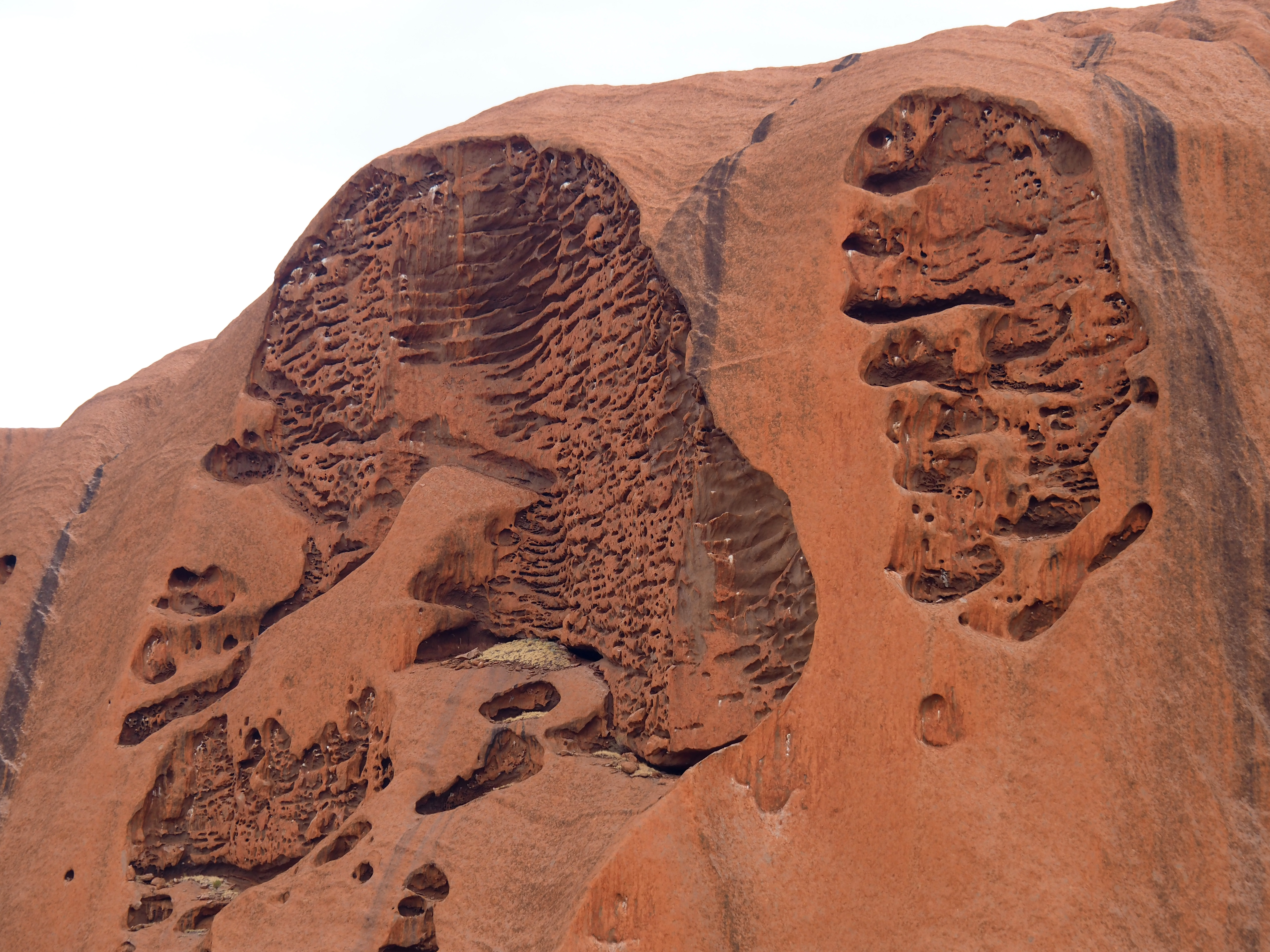
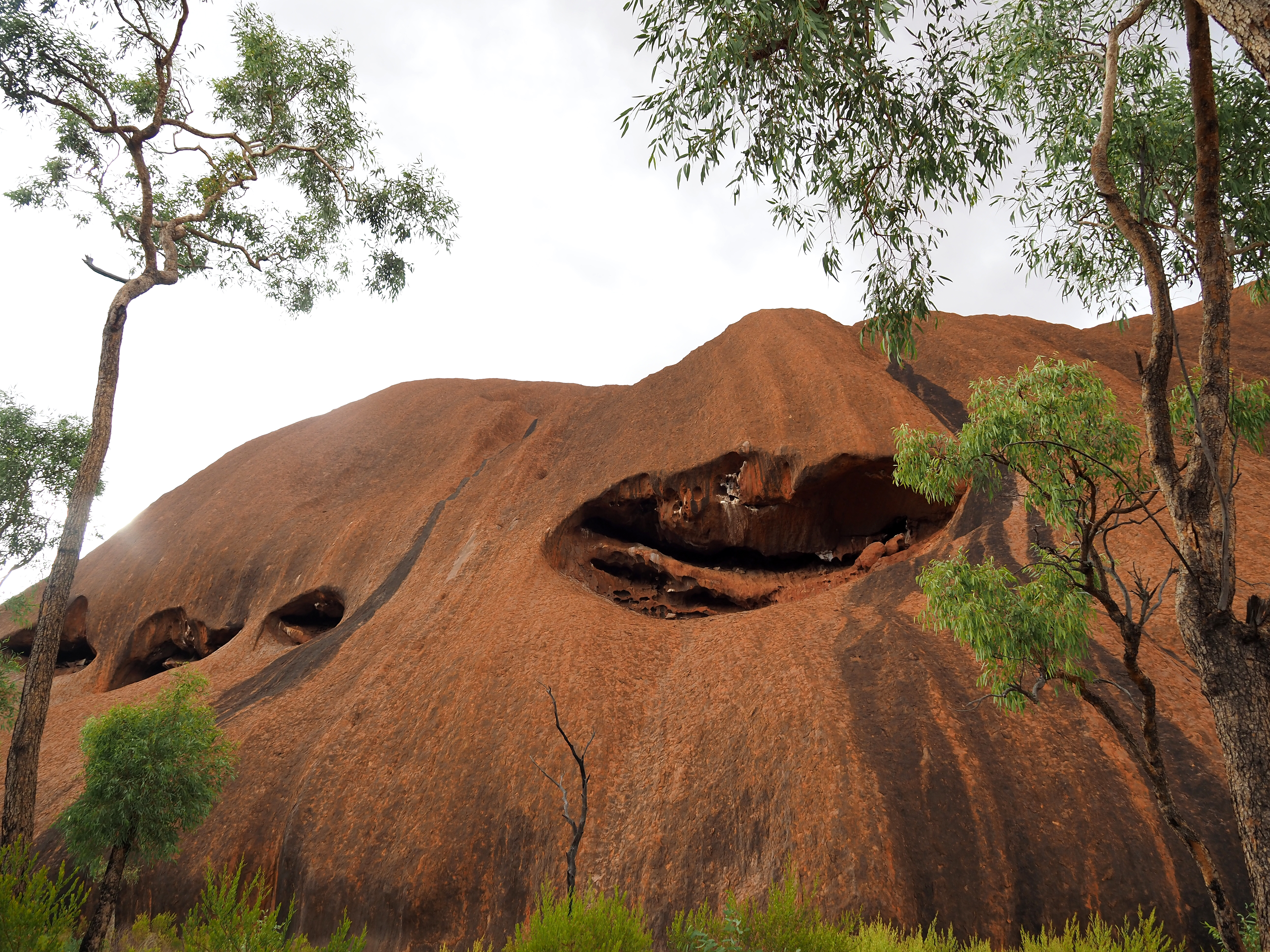
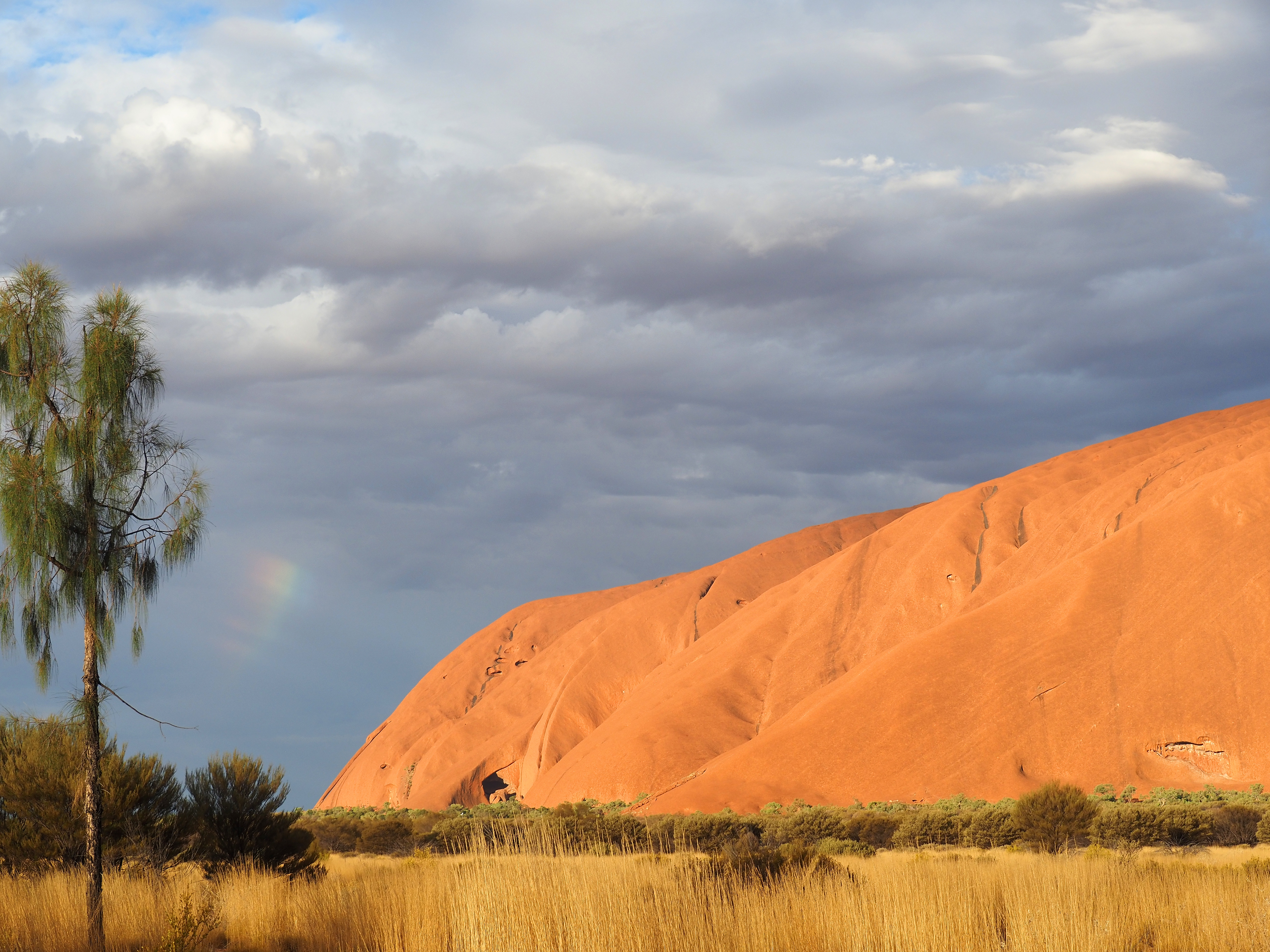
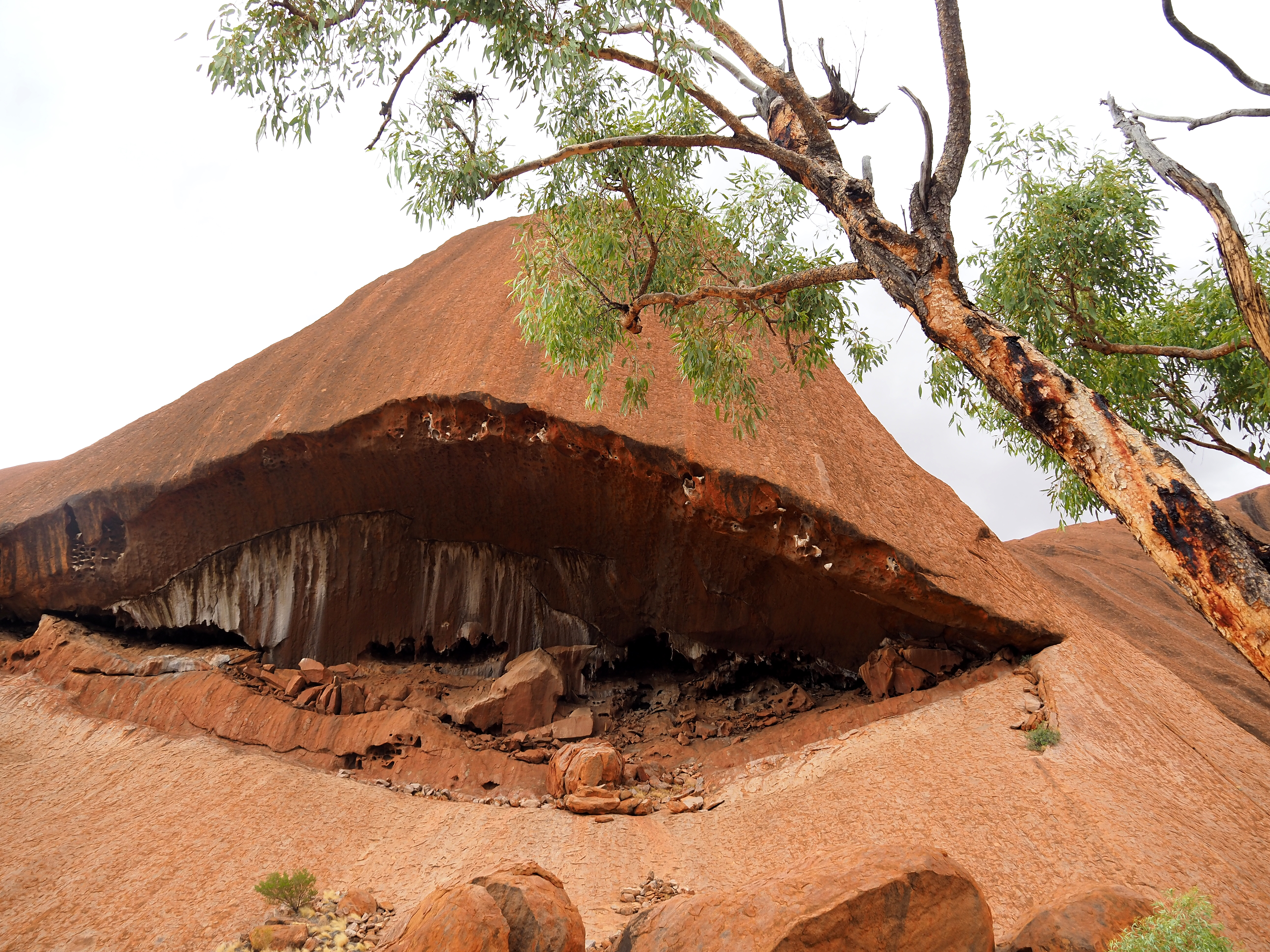
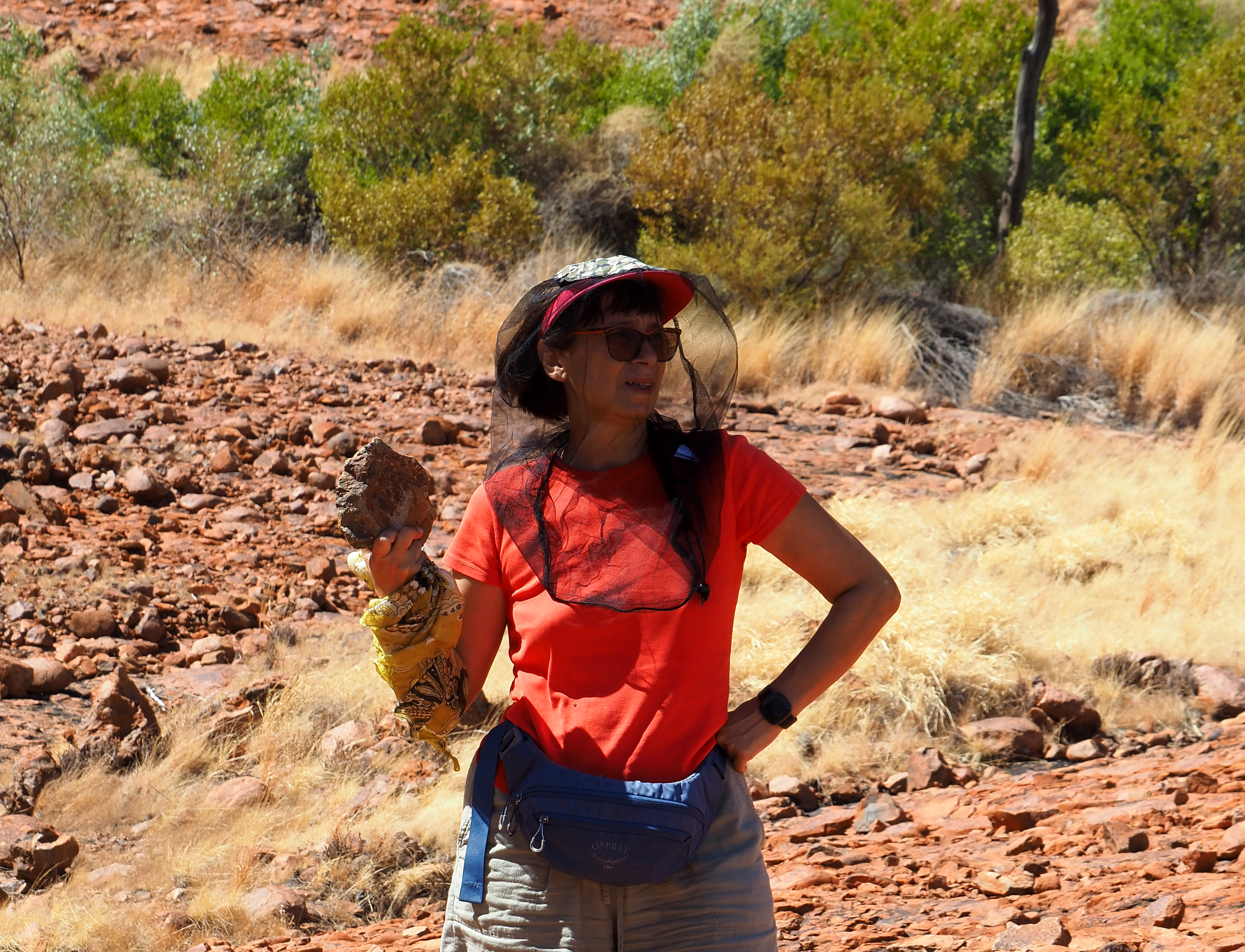
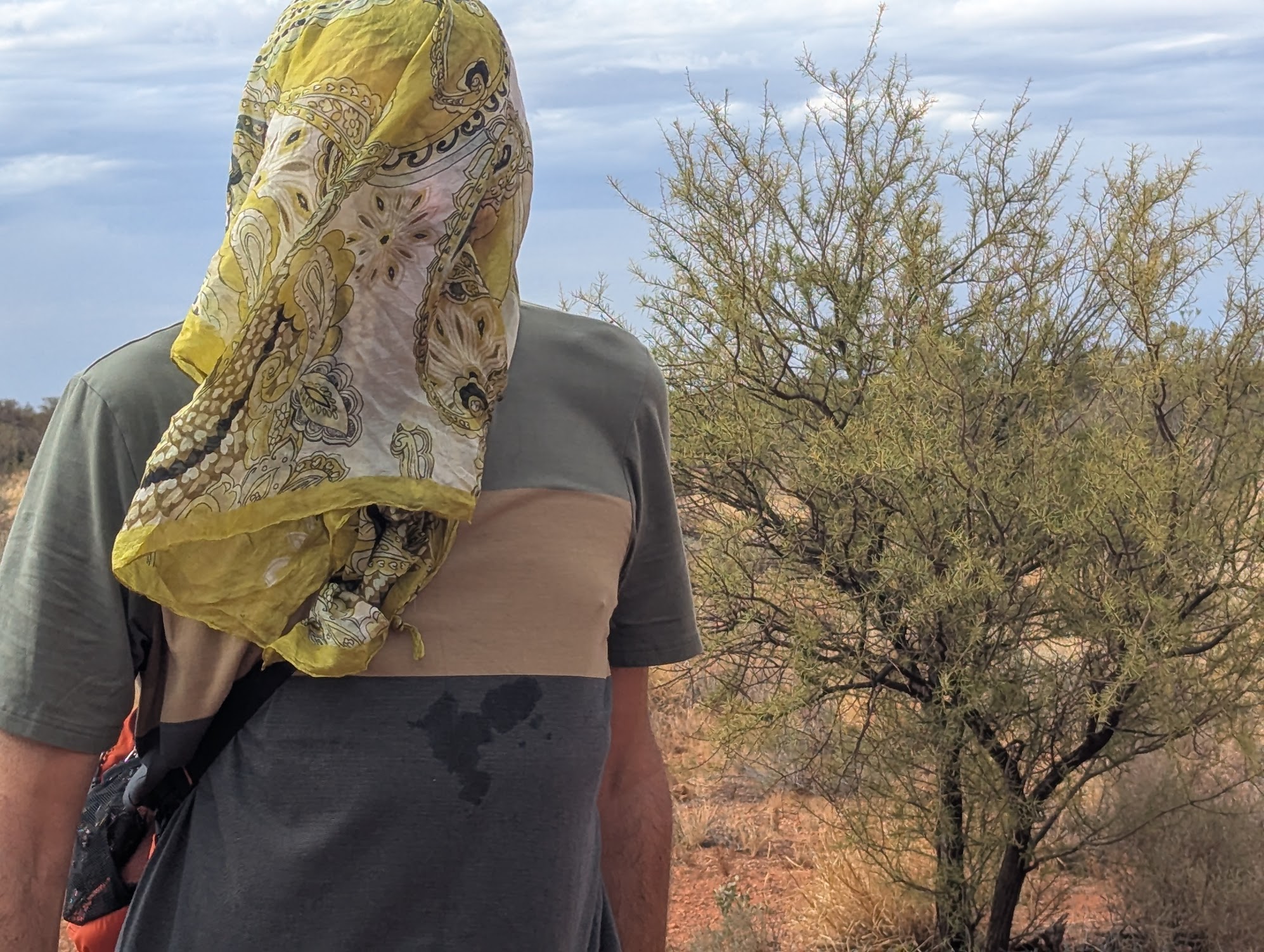
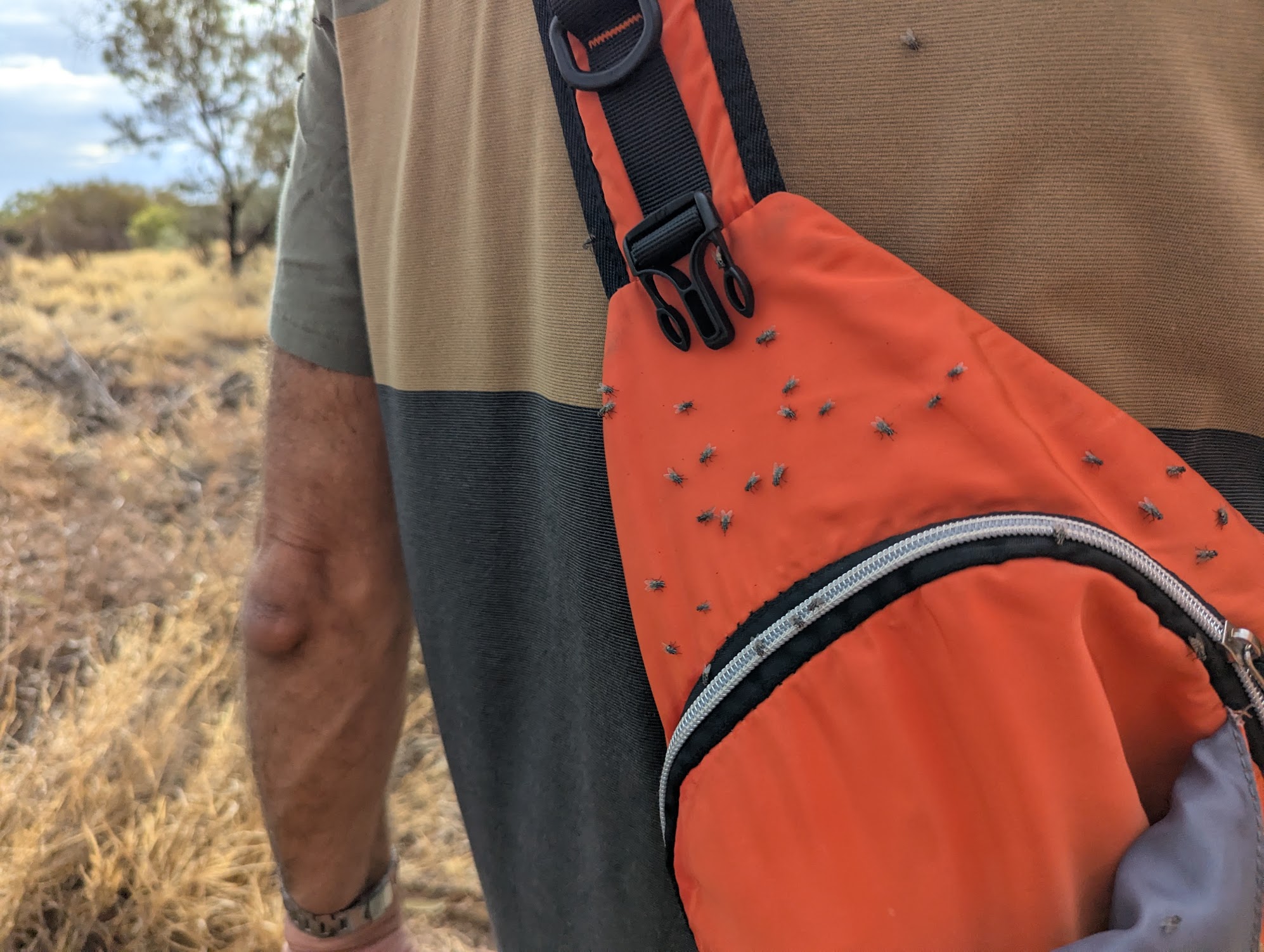
There’s no phone signal, the flies are aggressively friendly, and the red is everywhere. And yet, somewhere between the heatstroke, the endless horizon, and the stars shining at night, I fell completely in love — dusty, sunburnt, and already planning to tell everyone on Facebook and Instagram that driving through northern Australia is “life-changing” and the summer here is hot but manageable.
 hit the road...