Ivan:
To travel around Australia in a campervan has been a long-time dream for us. We had been trying to organize it for more than a couple of years, and at some point, I was close to giving up. First, it was COVID and the entire mess surrounding it. When Australia finally opened, there was a huge backlog of cargo waiting to be shipped back and forth. Arranging the shipping of a single vehicle on a RoRo ship is peanuts for the shipping companies moving thousands of new cars; no one wanted to waste time with us. A couple of times, we were able to make a booking, but then we couldn’t meet the shipping line’s requirements (vehicle completely empty, no Lithium batteries, and so on). At some point, I said that it could be easier to send this vehicle into space than to Australia.
Seabridge, the company we used to ship to Mexico, told me that the process is too complicated, the Australian customs inspection is brutal, and there are huge delays. The last customers they sent there a few years ago were very unhappy and blamed everything on them. That’s why they simply didn’t want to ship motorhomes to Australia anymore.
Well, that looked like a door slightly opened, and I rushed to put my foot into it. I begged them to just put my truck on the ship and solemnly declared that whatever happens afterward is solely my responsibility. I would never, ever even think of blaming them for any misfortune that will inevitably occur. After a few calls and me begging and crying on the phone, they finally agreed.
Then we spent about a week cleaning our beloved “La Casita” inside and out, preparing it for the Australian biosecurity inspection. Any speck of dirt, a dead fly on the radiator, or (God forbid) a seed stuck somewhere can lead directly to refusal of entry to Australia. We went underneath, into the engine area and at every corner we could reach with toothpicks to remove anything suspicious. When she looked better than new, we put La Casita on a ship from Baltimore to Antwerp. A couple of weeks later, I flew to Belgium to take her through European customs, bring her to the next boat, wish her a nice trip, and promise to wait for her in Perth in about two months.
Australia, Here We Come…
Marinela:
The first impression of Perth is of a place where the pale blue sky meets the warm ocean, embodying an easy, relaxed lifestyle. The light is bright, clean, and golden, giving the entire city a calm glow. The heat is another immediate sensation; even with a hint of breeze coming in from the Indian Ocean, it can be pretty intense. Perth offers a sense of space with its wide roads, beautiful parks, expansive skies, and plenty of room to breathe. If you are not looking for gas attachments.

We spent the week waiting for La Casita, exploring the city, and shopping for a gas bottle. Ah, the gas bottle! Do you remember the struggle we had with it when we first arrived in Mexico? This time, we were a bit smarter and didn’t walk around the city with a lot of luggage and a gas container in my hands. We checked all possible places for a gas attachment and waited for the camper to be cleared from customs before making any purchases.
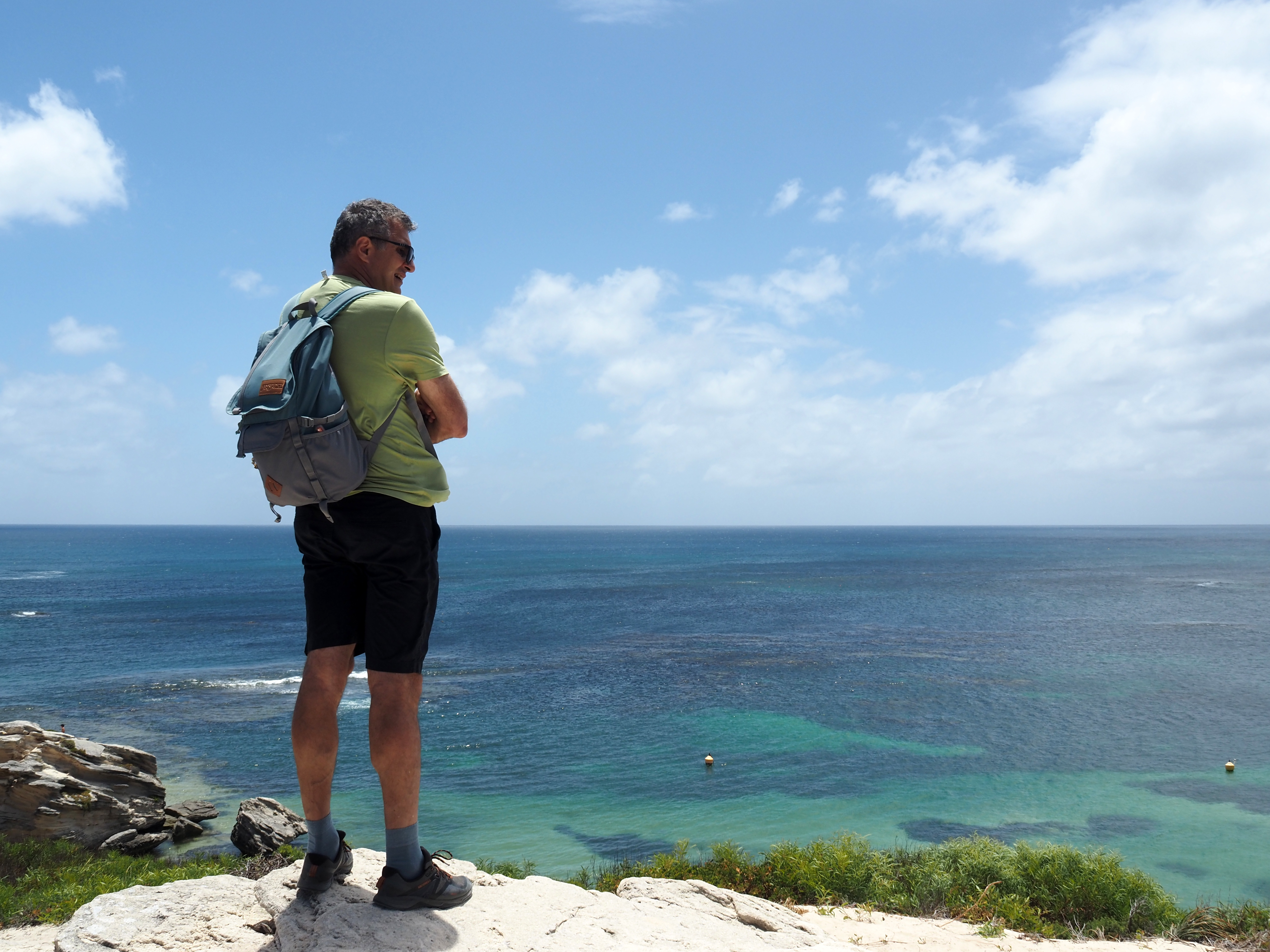
Our friends from Switzerland, Sandra and Thomas, were travelling around Australia, and fortunately, our paths crossed in Perth. We went together to Rottnest Island.
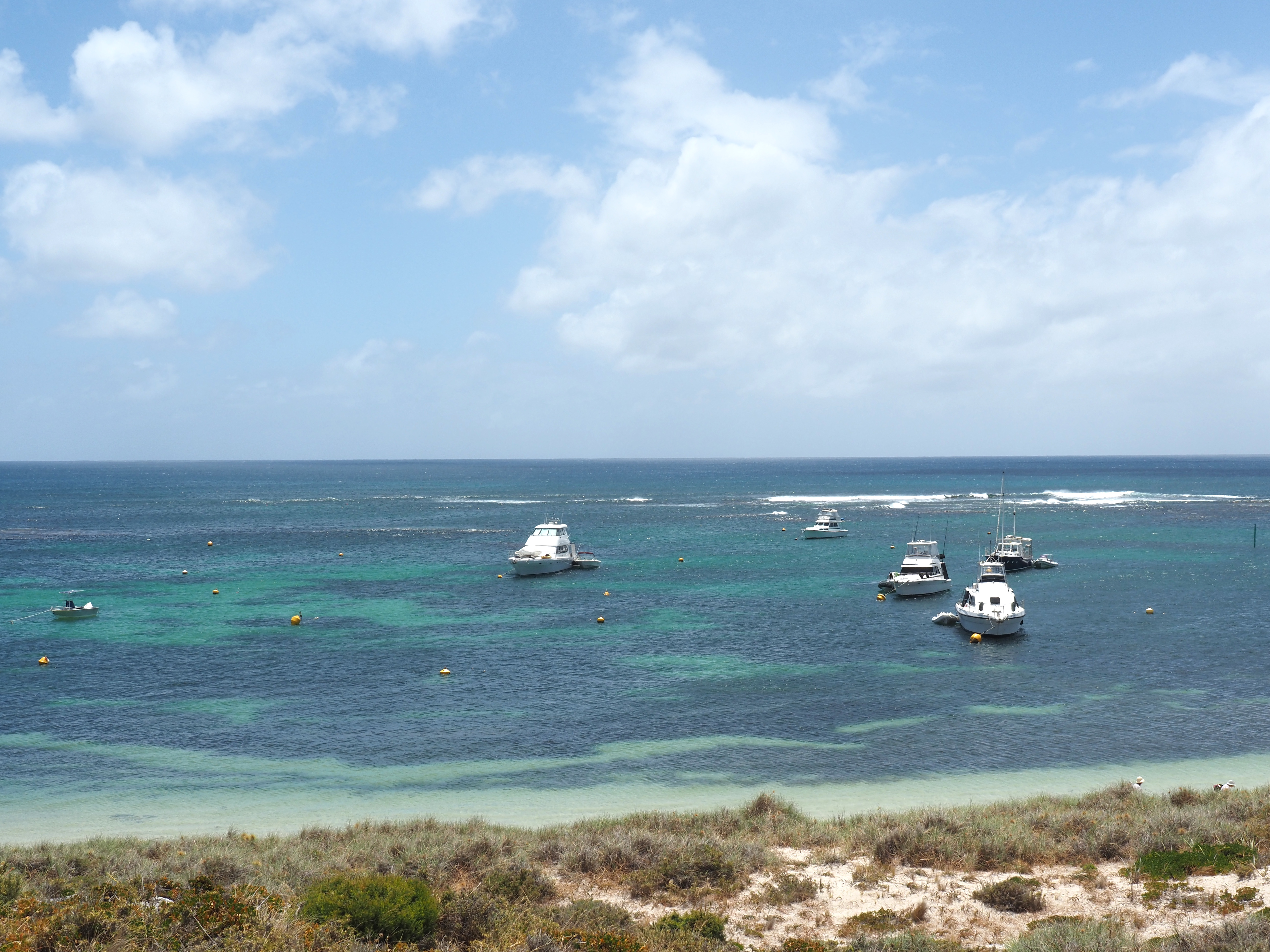
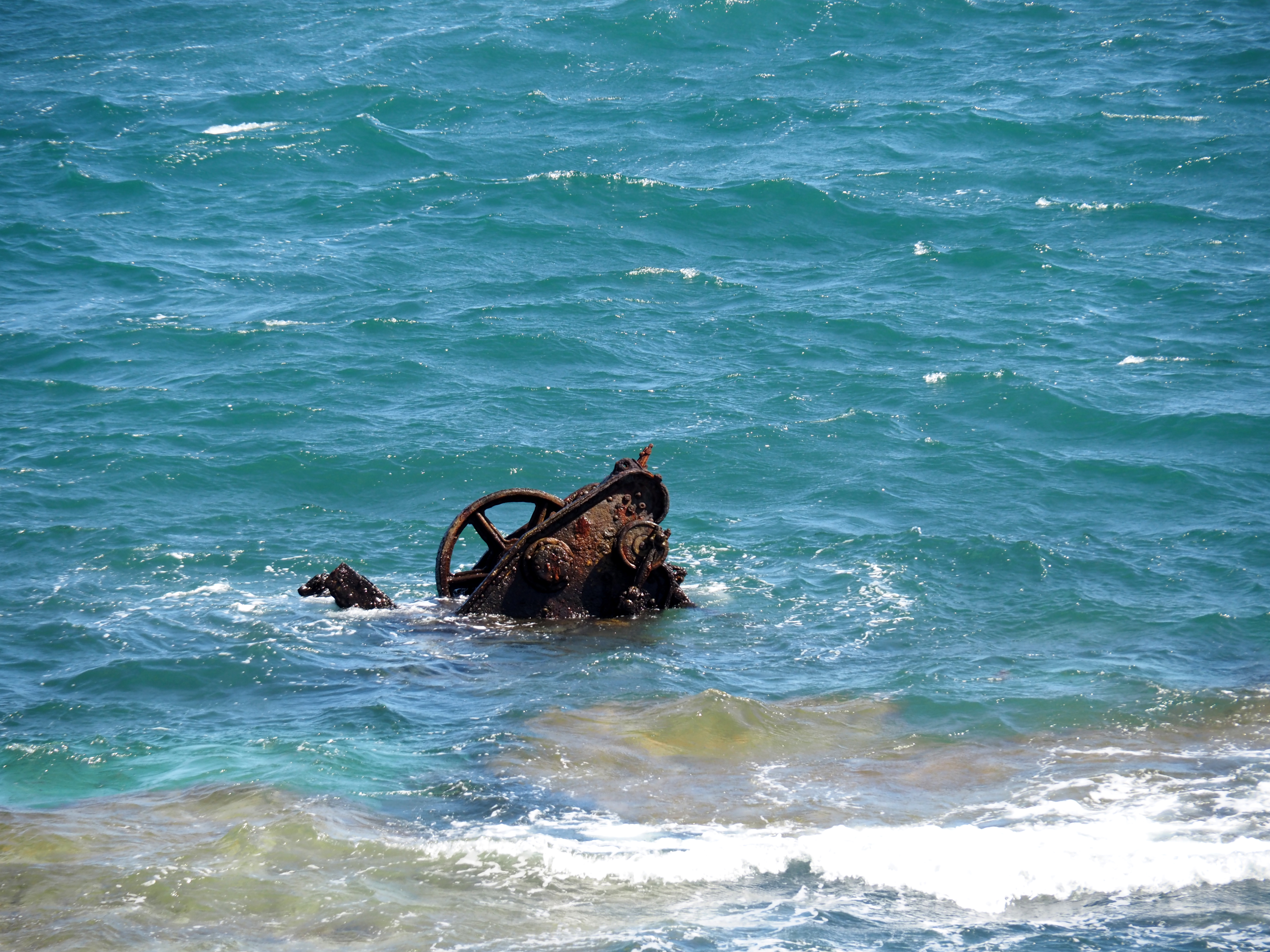
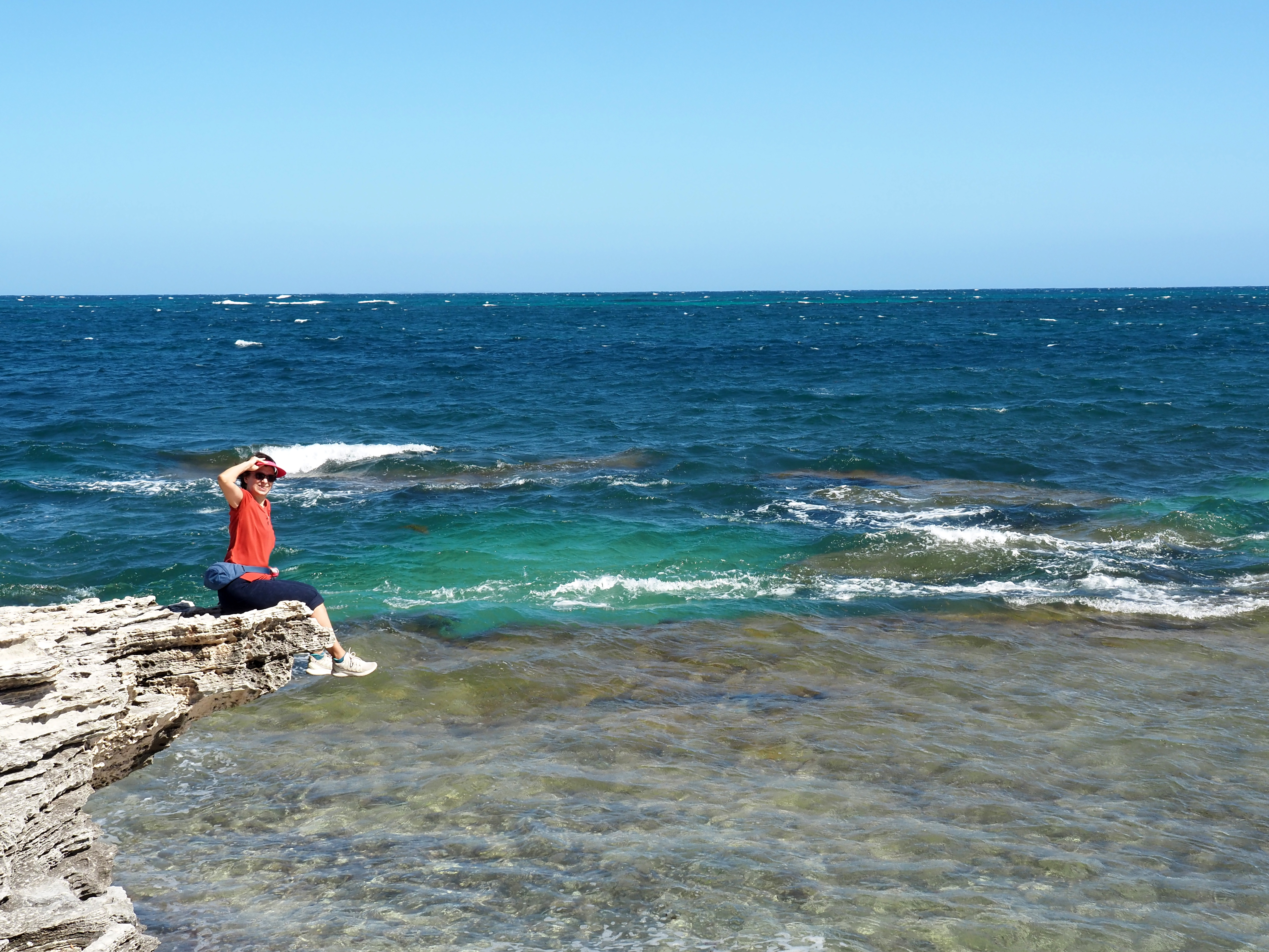

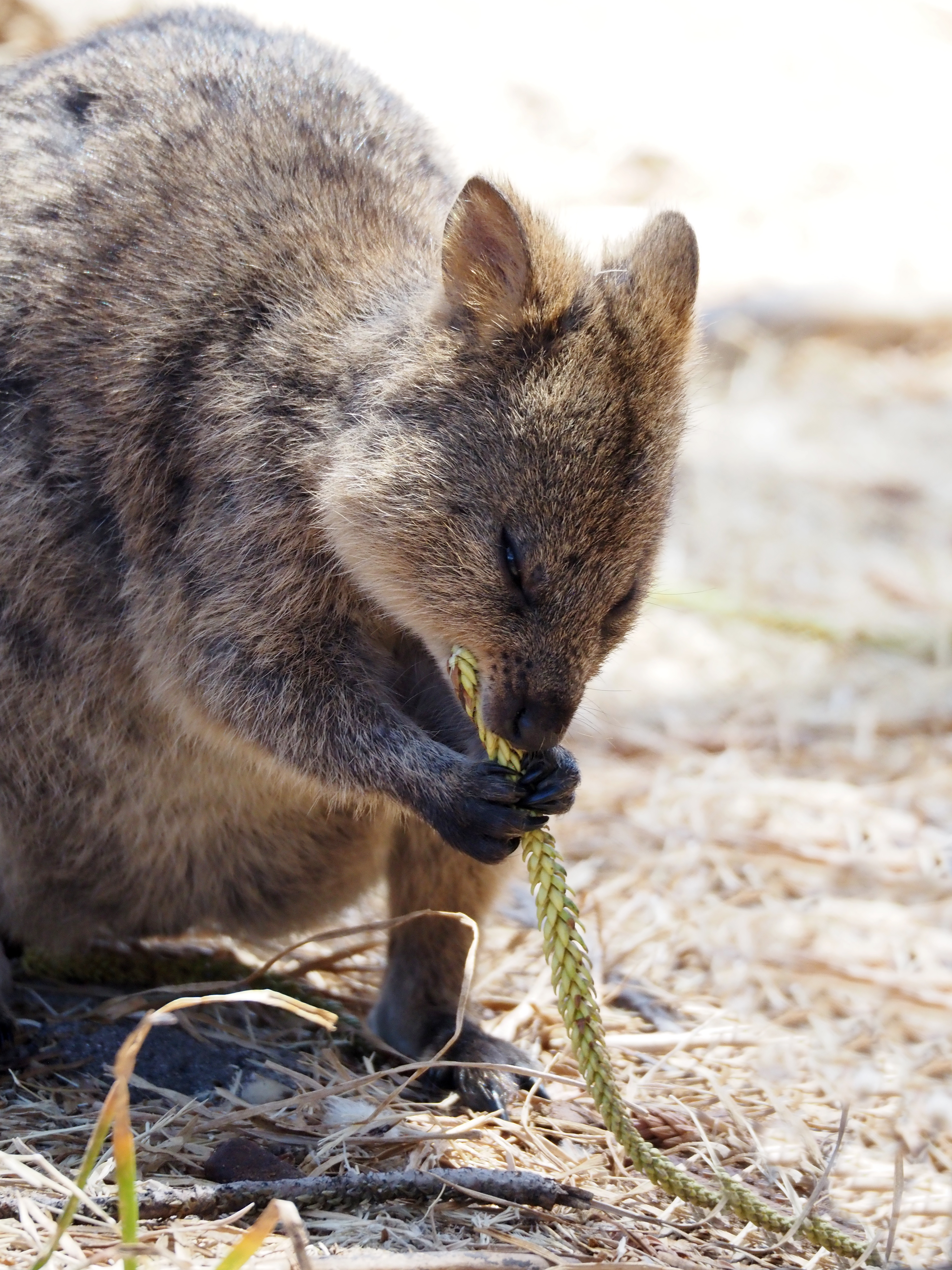
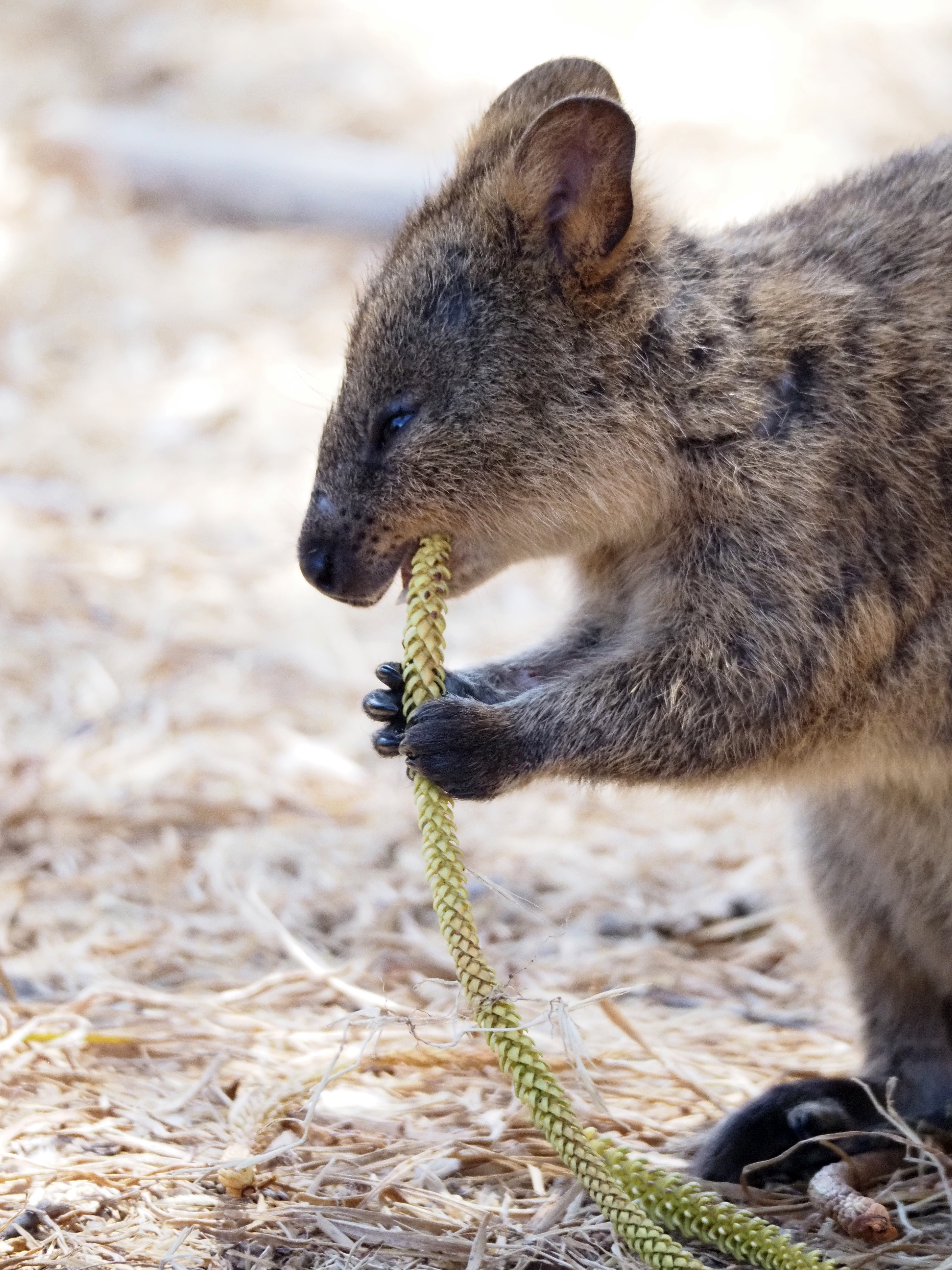
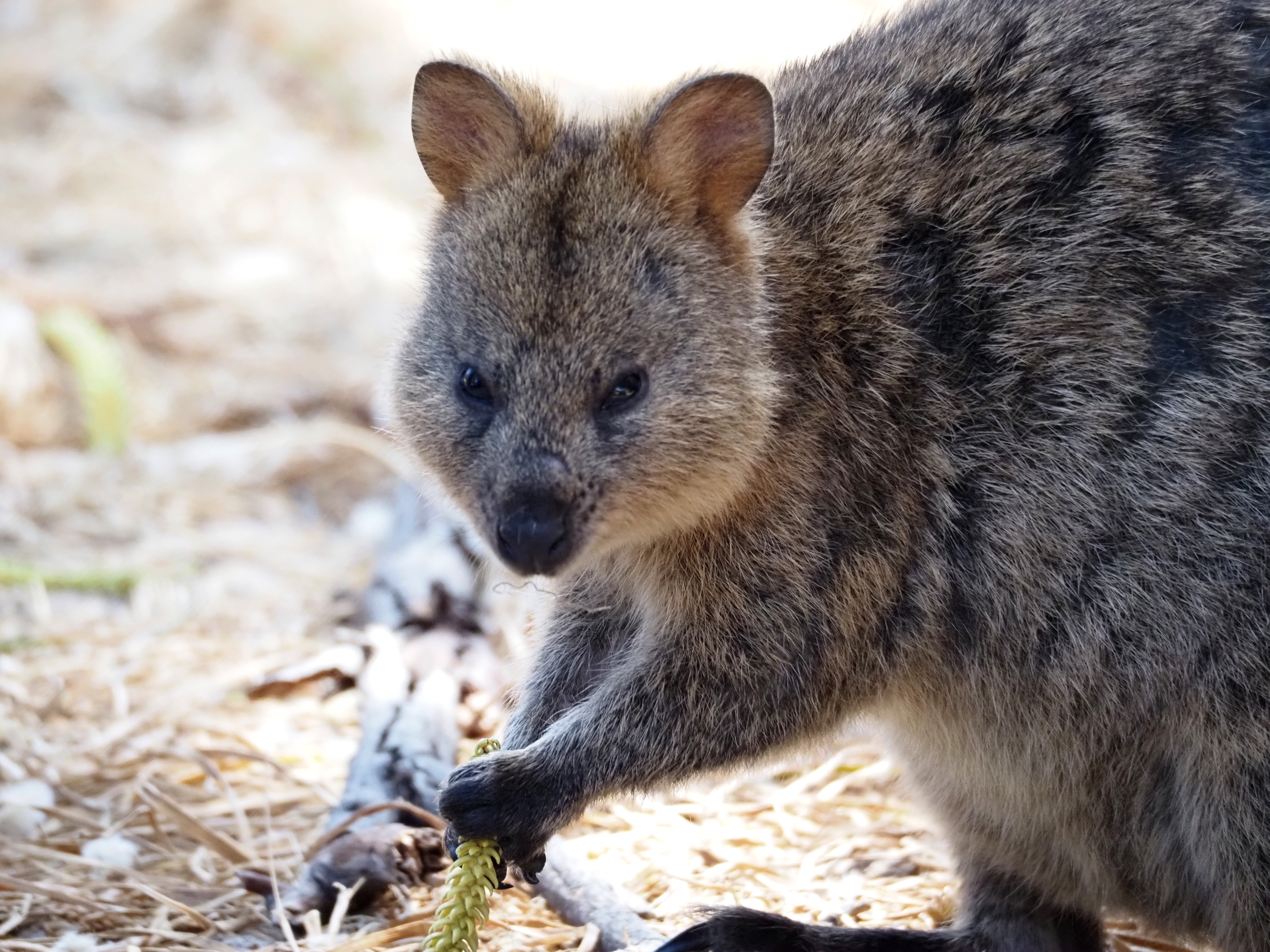
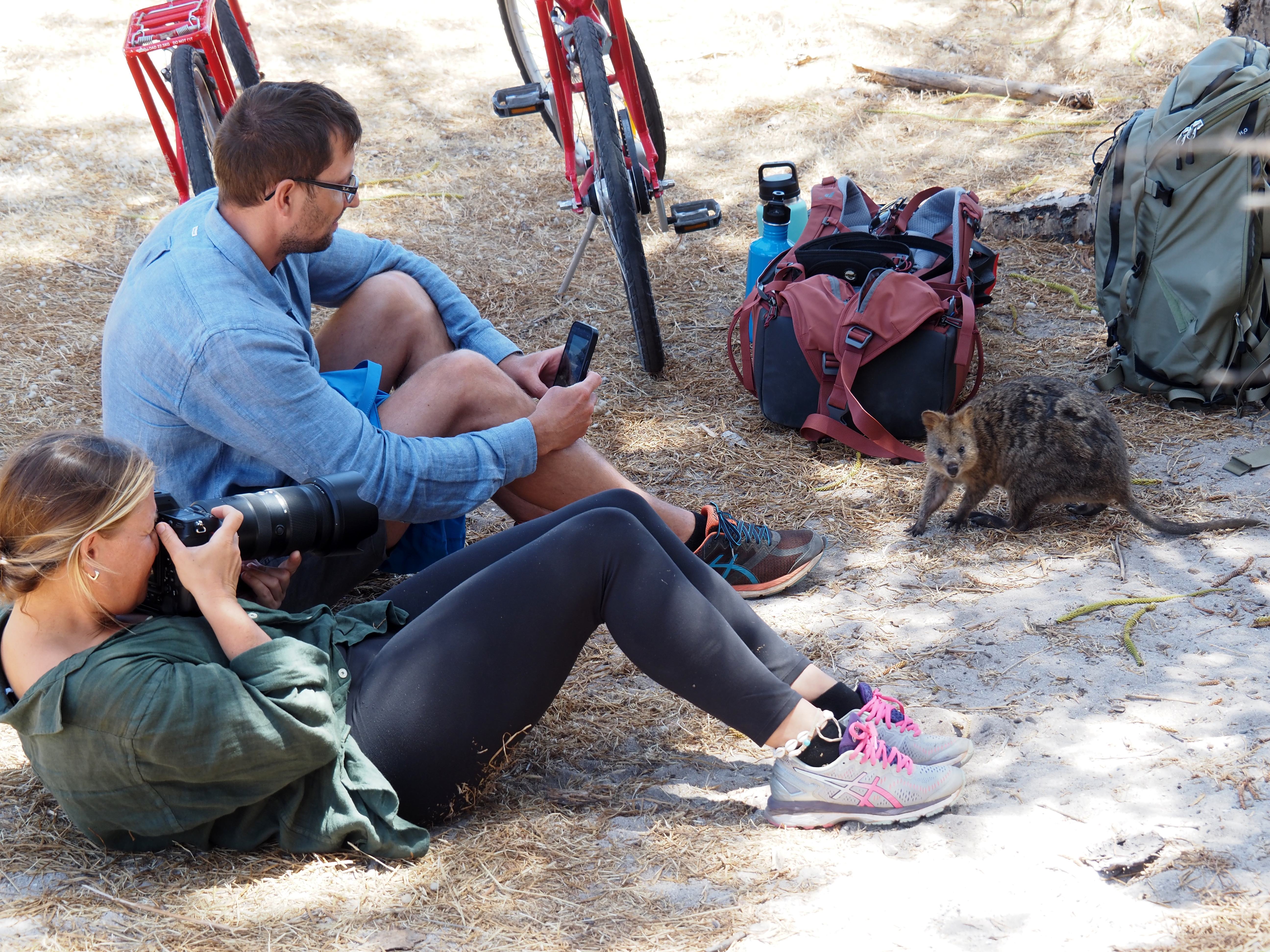
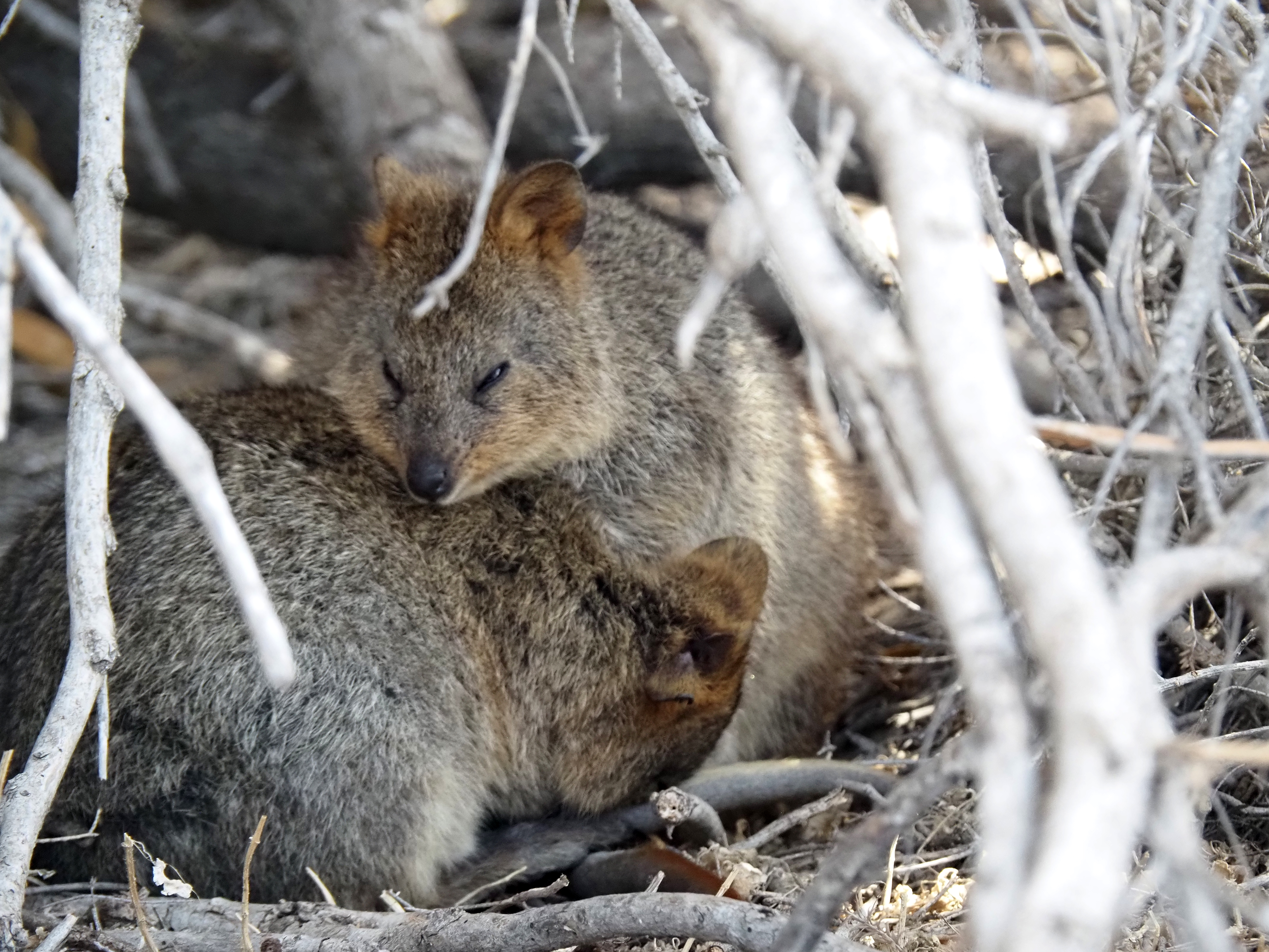
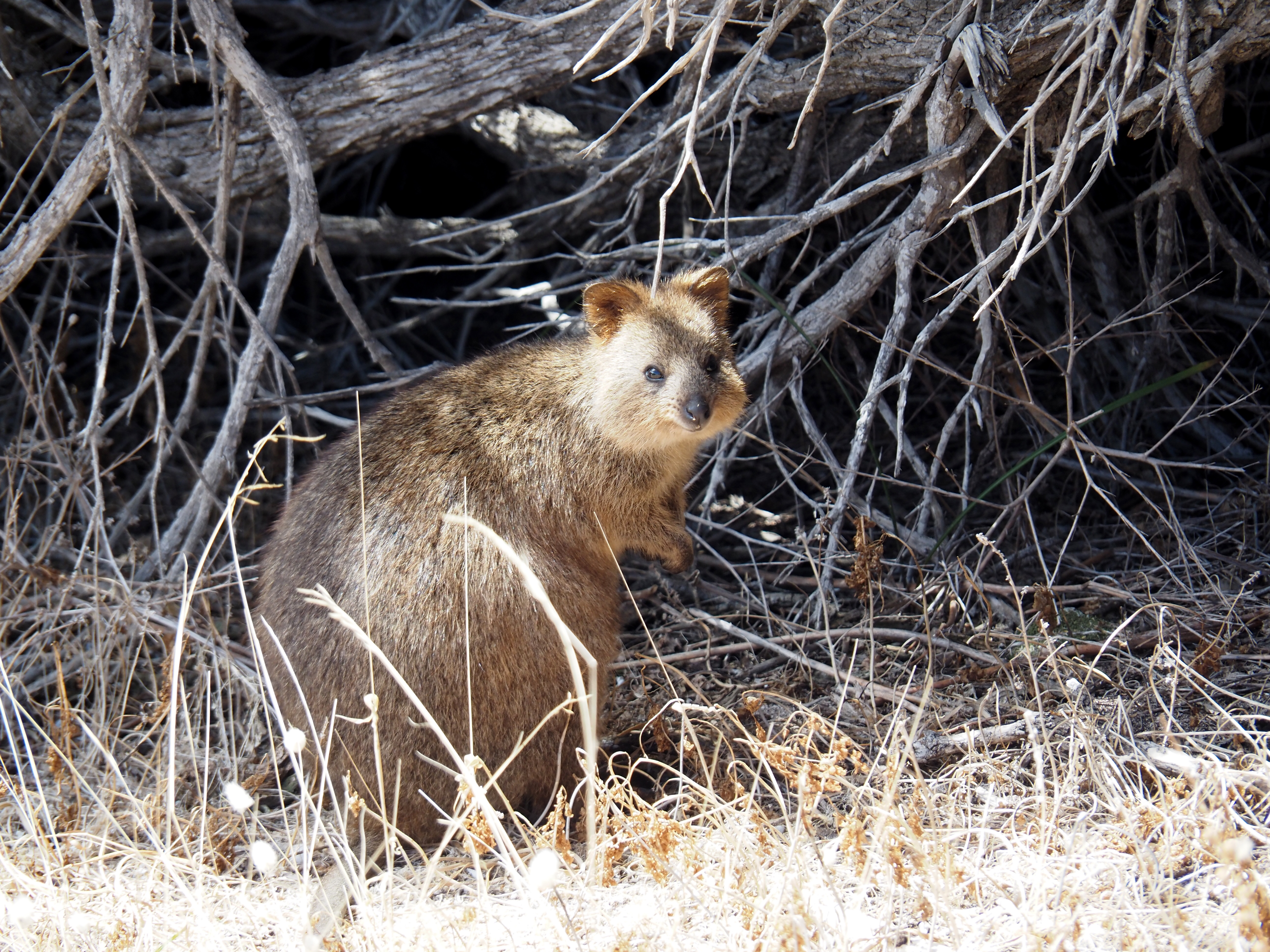
How many parrots and quokkas are too many? I knew I would see plenty more parrots and marsupials on our trip around Australia, but I couldn’t help myself—I took hundreds of pictures, practically making that poor quokka a movie star!

Ivan:
Just to mention, every normal person goes around Rottnest Island on a bike. Since my lovely wife is one of the few people on this planet who couldn’t learn how to ride a bike, we walked for 8 hours around the entire island in 40 °C heat. I loved her very much at the end of this walk…

Marinela:
Surprisingly, the fearsome Australian biosecurity inspection went relatively smoothly. After about an hour of thoroughly checking every possible area for dirt, the inspectors smiled at us and stamped our paperwork. With just one more day to go, all the customs formalities were behind us, and we finally received our camper.
After all the Mexico troubles, it was a huge relief. Even finding and installing the infamous gas bottle and all the necessary attachments was easy here.
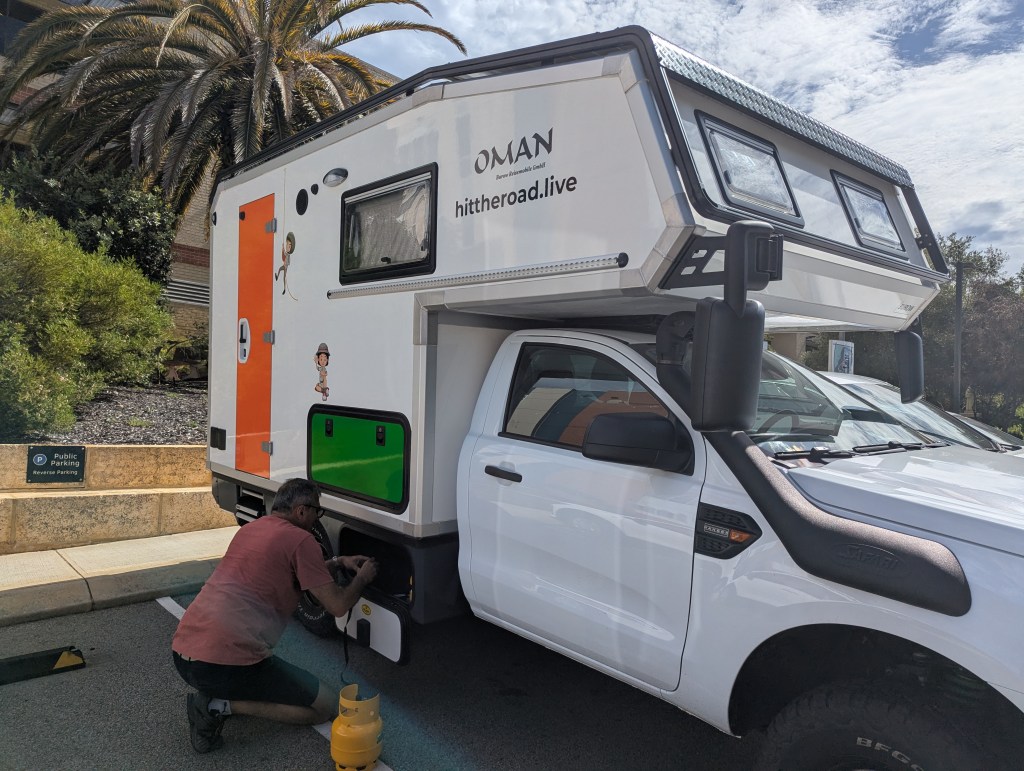
First, we headed south to the Margaret River region, famous for its world-class wineries and rugged coastline. The first few days of driving through southwestern Australia were full of surprises; the scenery was unlike what I had imagined. The drive was winding past huge agricultural fields, green forests of towering karri trees, and charming towns.
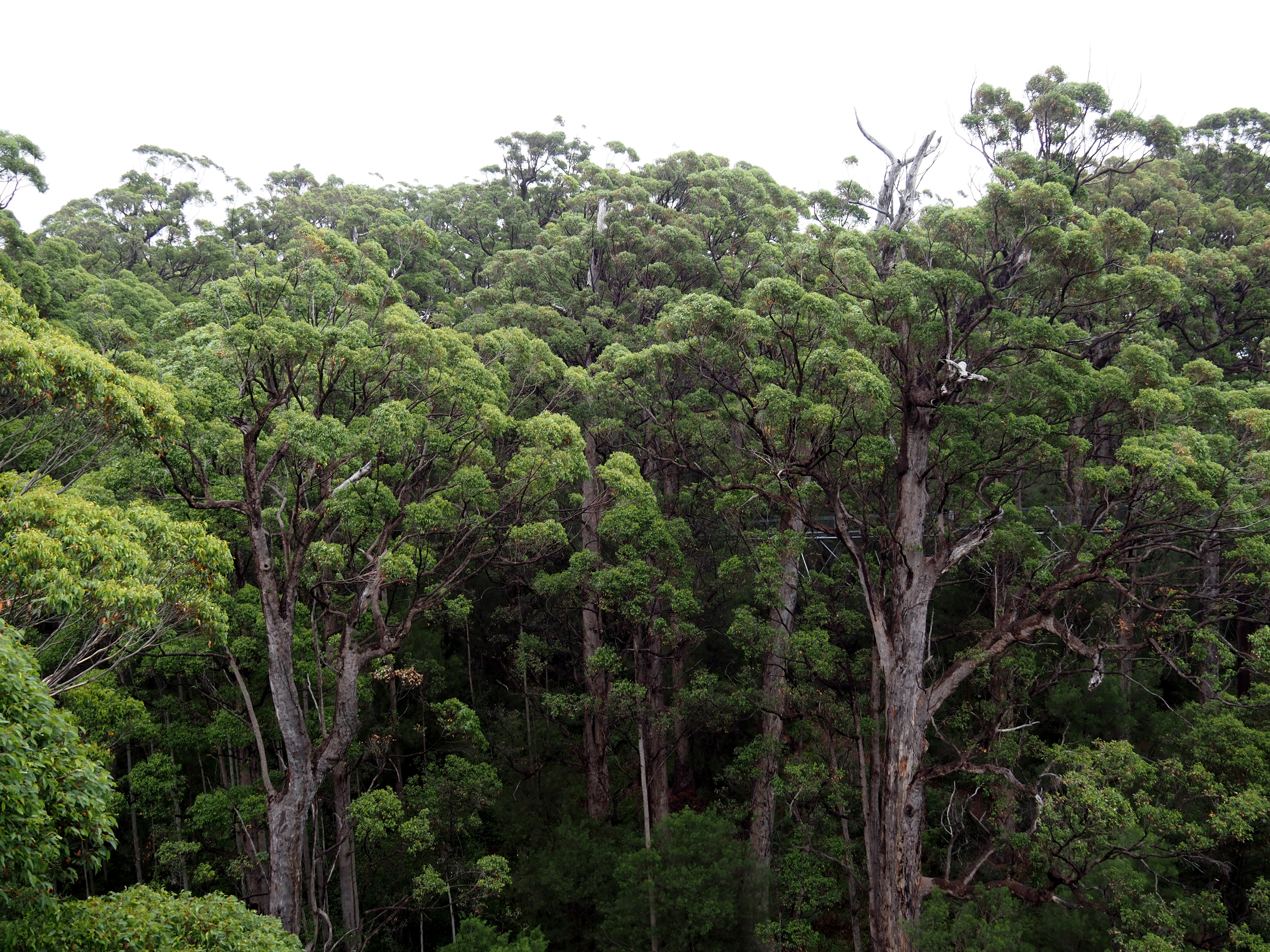
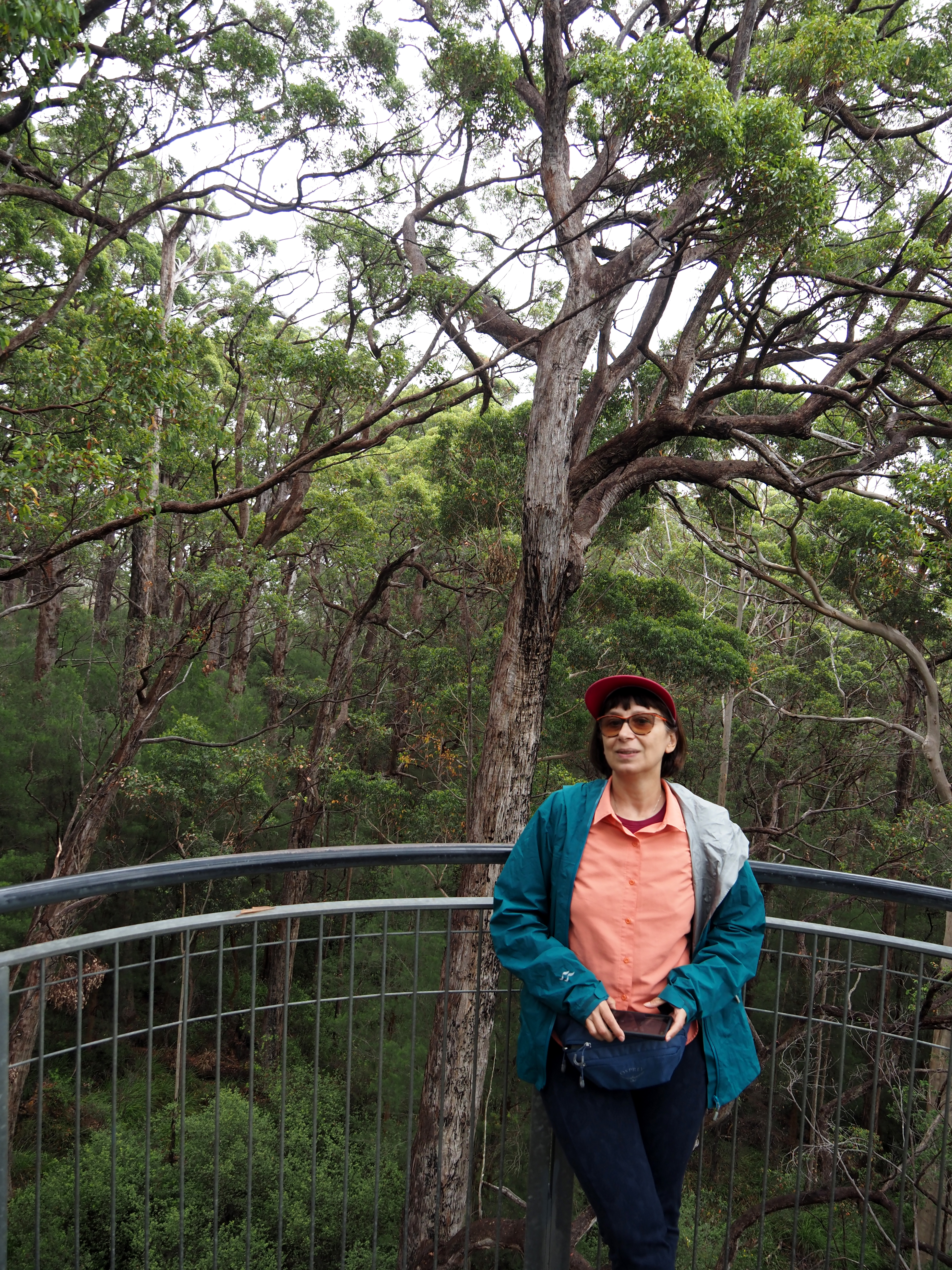

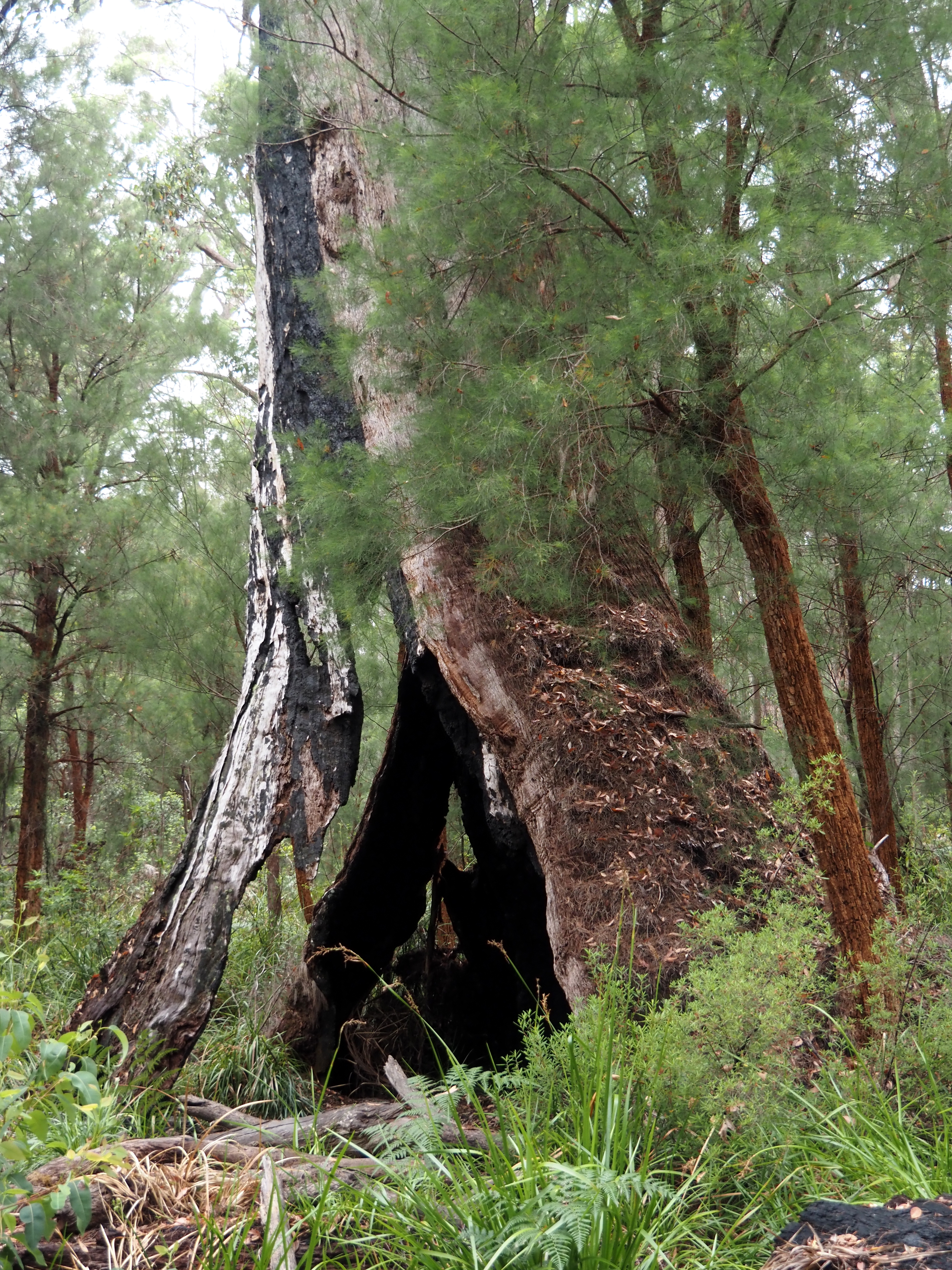
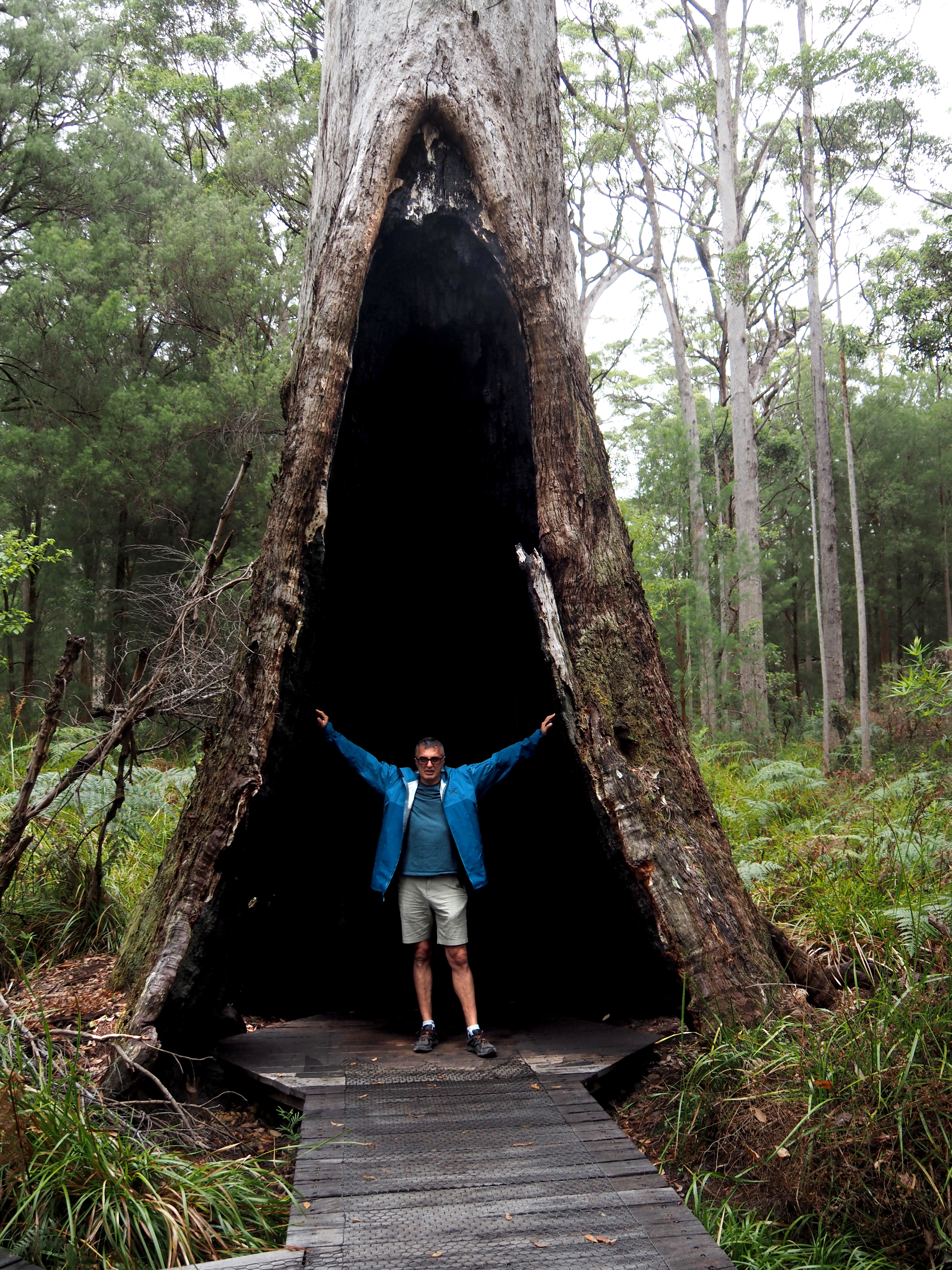

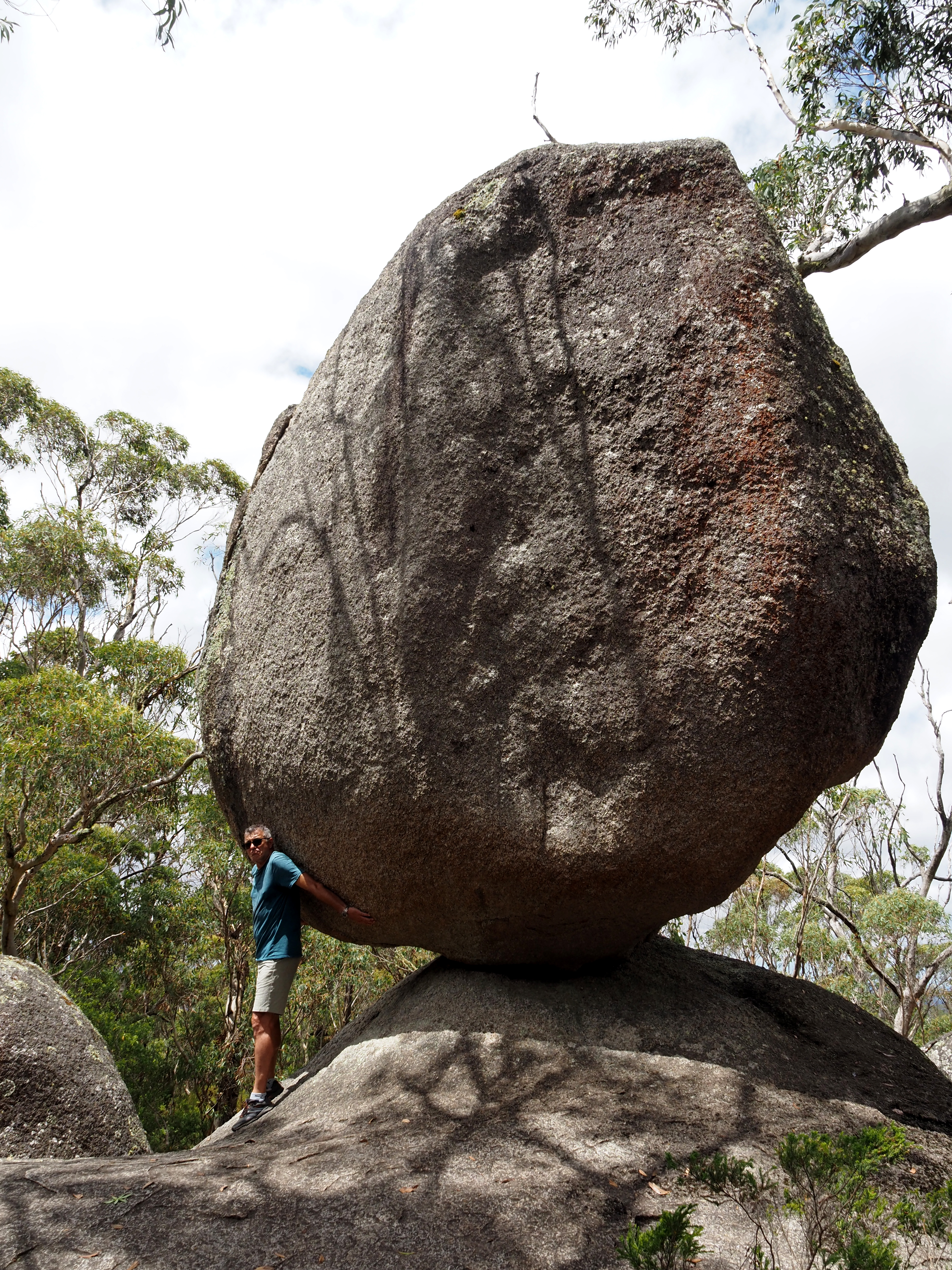
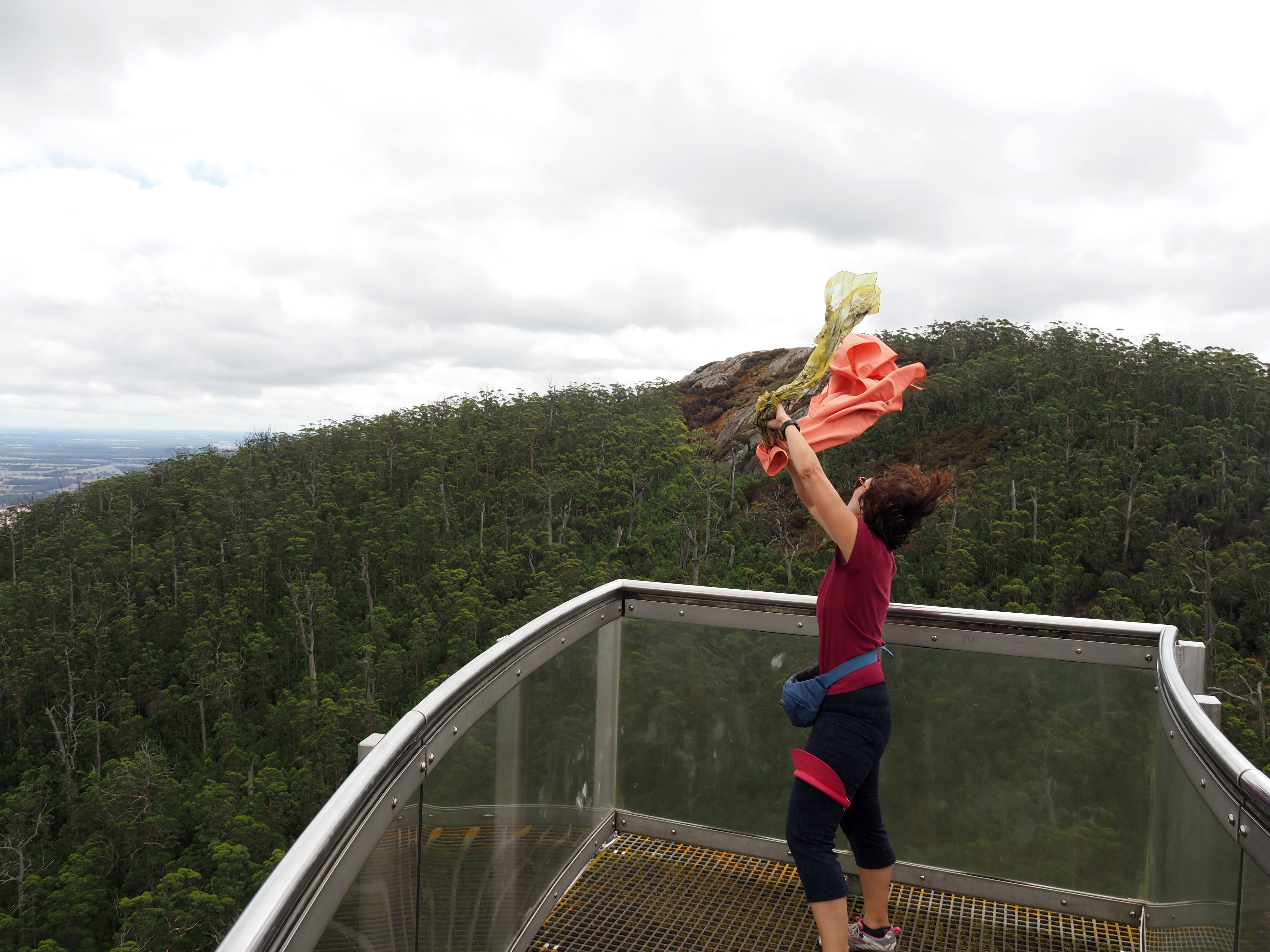
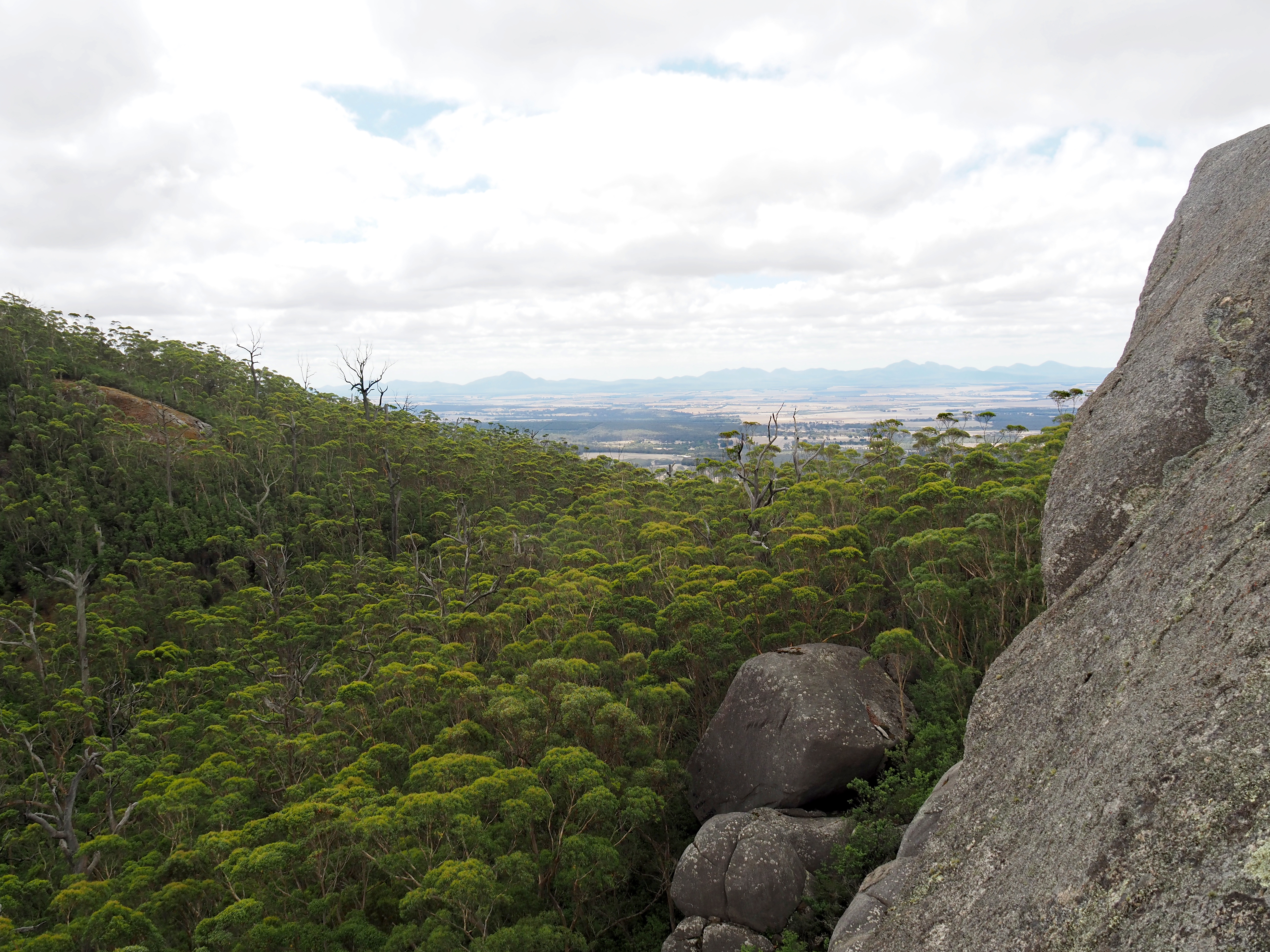

We stopped at the Valley of the Giants Tree Top Walk to admire the giant karri trees and took a brief hike at Porongurup National Park. However, we came to Australia for the beaches, not for the hiking. If I wanted lovely forest walks, I would have hiked in Ontario, and if I were seeking beautiful mountains, I would have travelled to the Swiss Alps. So, we decided to head towards the beaches.
Here, the beaches are wild, beautiful, and peaceful. We found a charming caravan park in the small village of Hopetoun and truly enjoyed our time there. February is the best time to visit the beaches of Southwest Australia. The school break is over, there aren’t many foreign tourists, and we had the two-mile, five-mile, and 12-mile beaches all to ourselves.

Visiting Lucky Bay beach is a must when you’re in this part of the country. It’s a true coastal paradise, renowned for its impossibly white sand, clear turquoise waters, and the iconic kangaroos that often lounge along the shore. Located within Cape Le Grand National Park near Esperance, this stunning bay consistently ranks among the world’s whitest and most beautiful beaches. The sand, which has been scientifically confirmed as the whitest in Australia, consists of fine quartz grains and emits an interesting squeaky sound when walked on. It’s so beautiful that I find myself reluctant to go into the water; I could spend hours just admiring it.

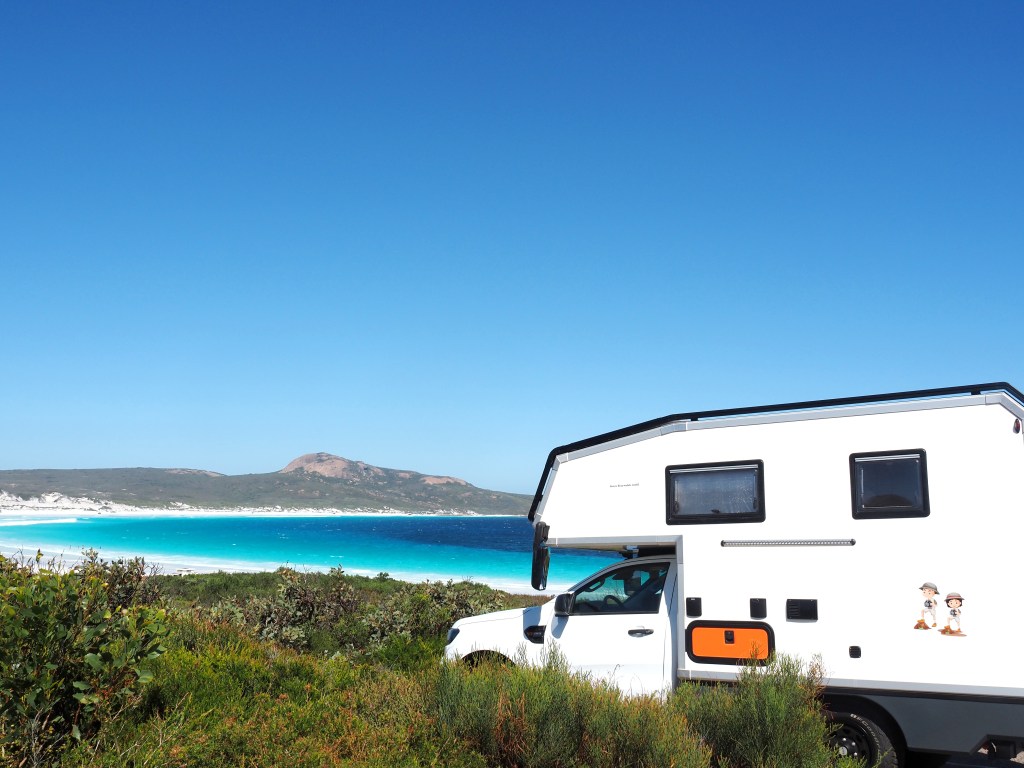
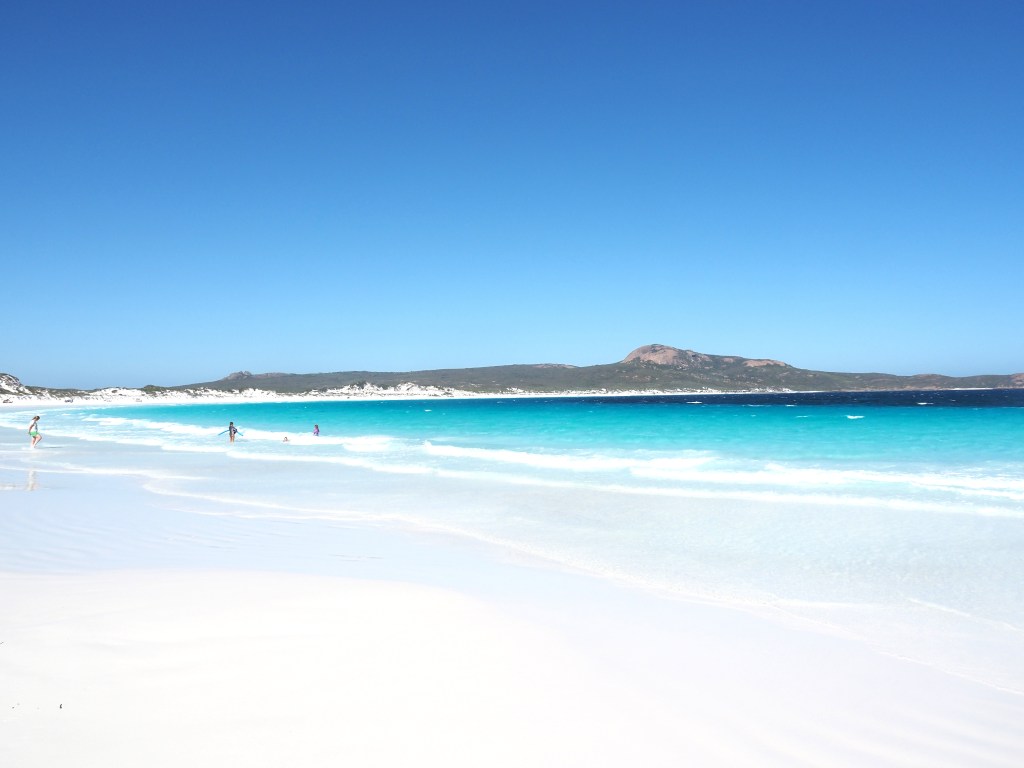

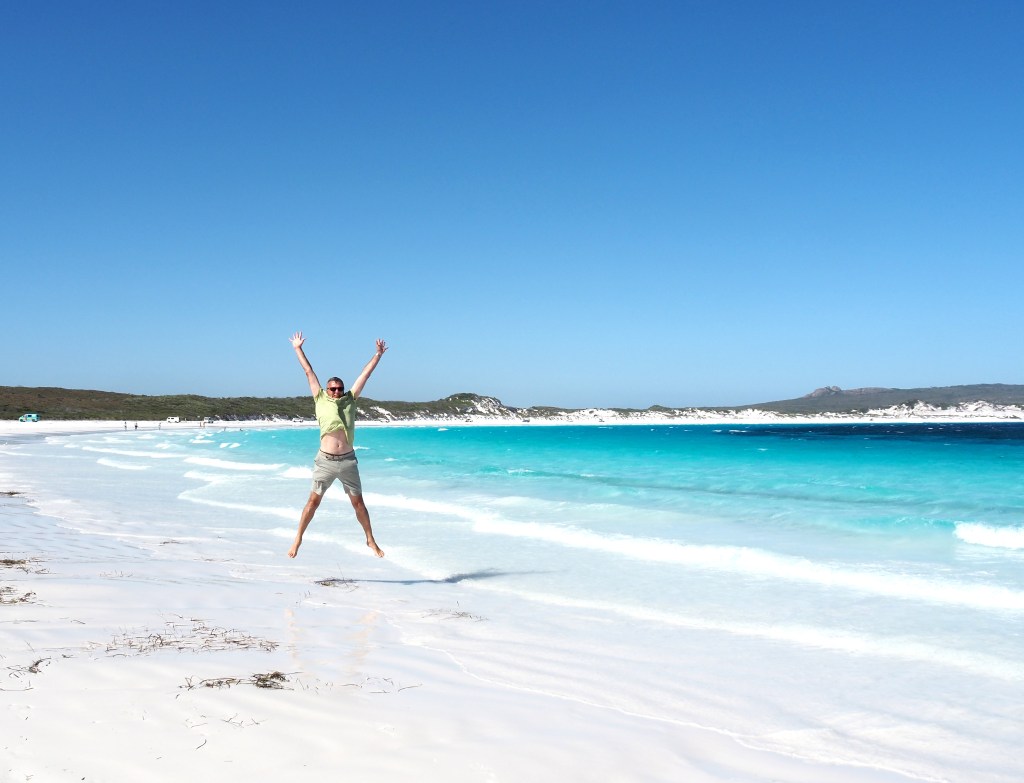

After two weeks of beach time, I was ready to explore the interior of the country. Western Australia truly showcases dramatic contrasts. Just a few hours’ drive north from the turquoise seas, we found ourselves in the heart of the Australian outback. Travelling here feels like stepping into another world—one that is vast, untouched, and full of character.
It is impossible to talk about Western Australia without mentioning mining. Road trains are the biggest, longest, and probably heaviest trucks in the world. Passing (oh, no… here is overtaking) one of them seems like a road adventure.
Ivan :
Actually, it was mostly the other way around. Very often, I was driving close to the speed limit of 100 km/h when I noticed, in awe, that a truck towing 4 or 5 trailers full of ore, with a mass like a mid-size train, was slowly starting to “overtake” me. The whole process took on average 2-3 minutes. The good thing was that in Western Australia, roads are so straight that you can drive for hours without touching the steering wheel and seeing any oncoming traffic.
Marinela:
And because everything is the biggest in Australia (sorry, Texas), we went to the world’s biggest open-air gold mine. Don’t check my cabinets, please. I stuffed some gold chunks under my t-shirts 😊.

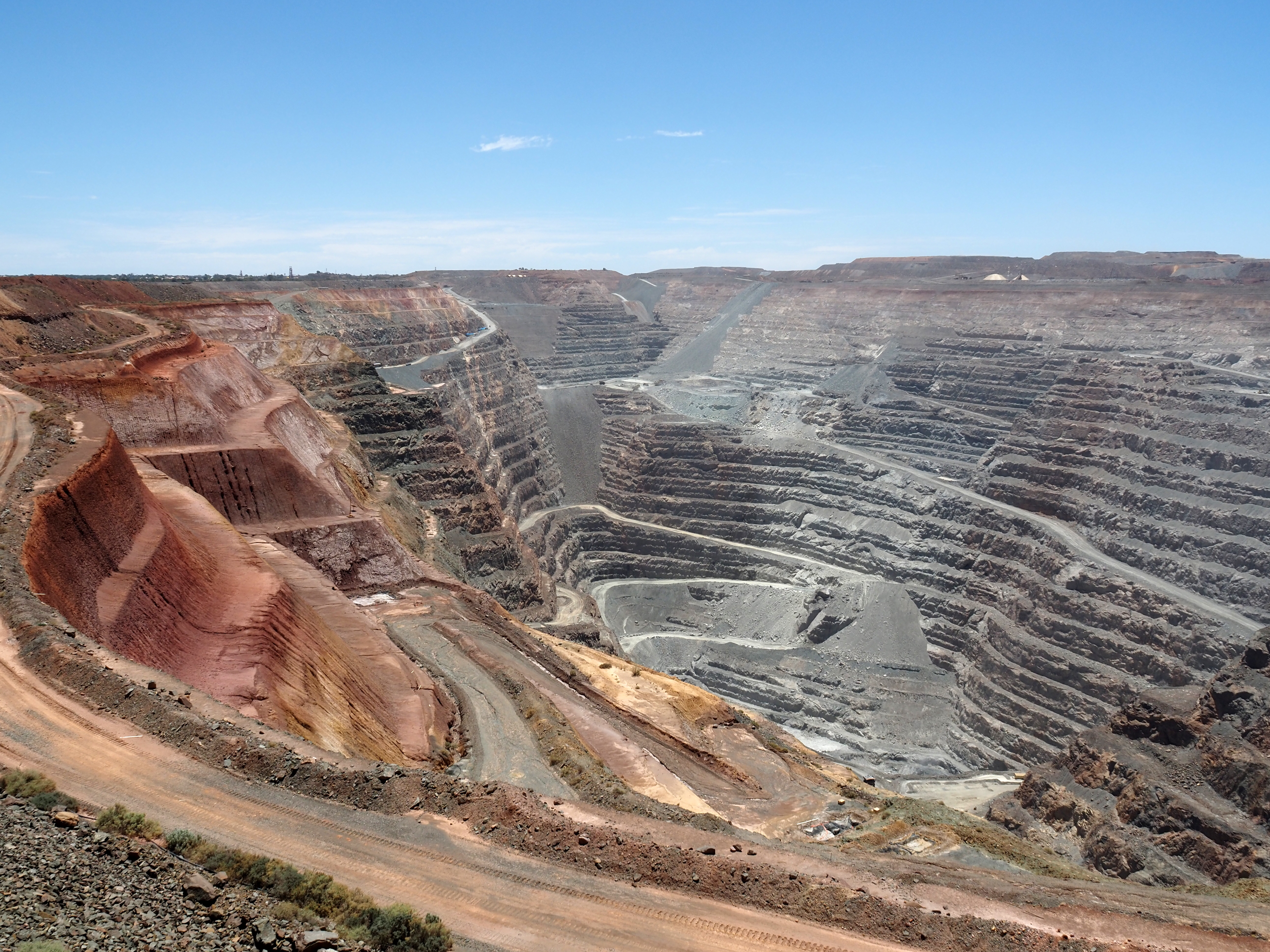
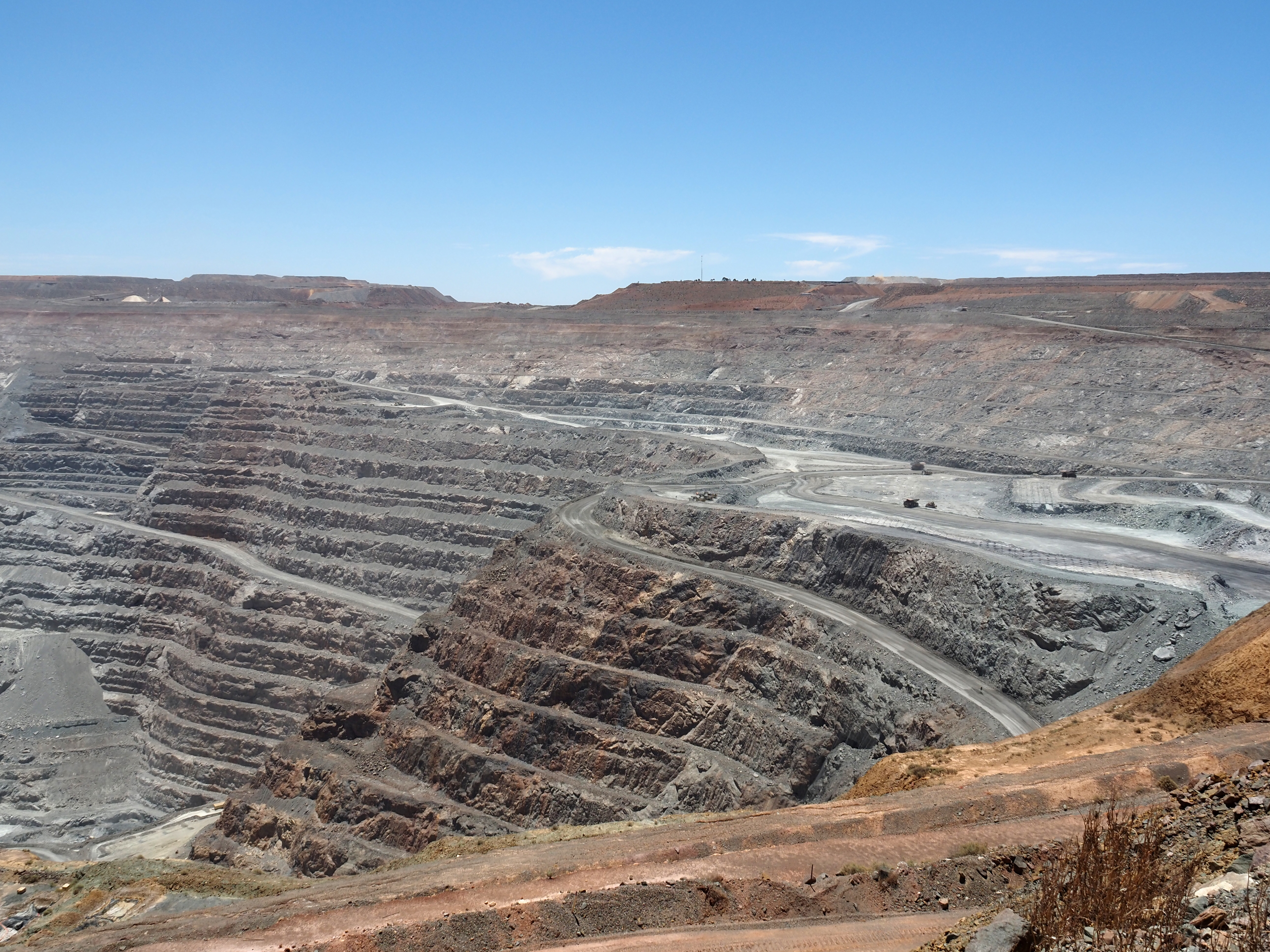

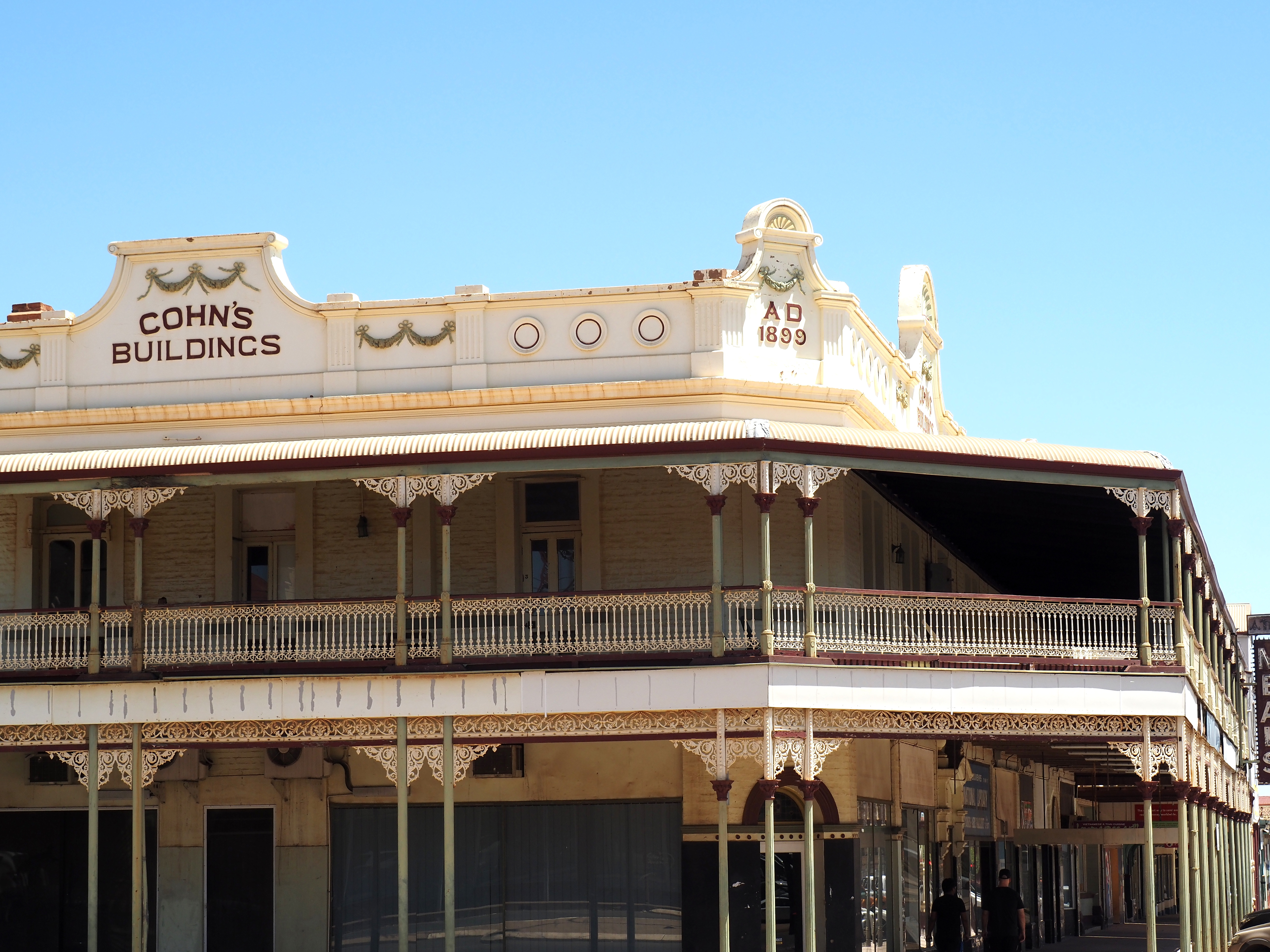
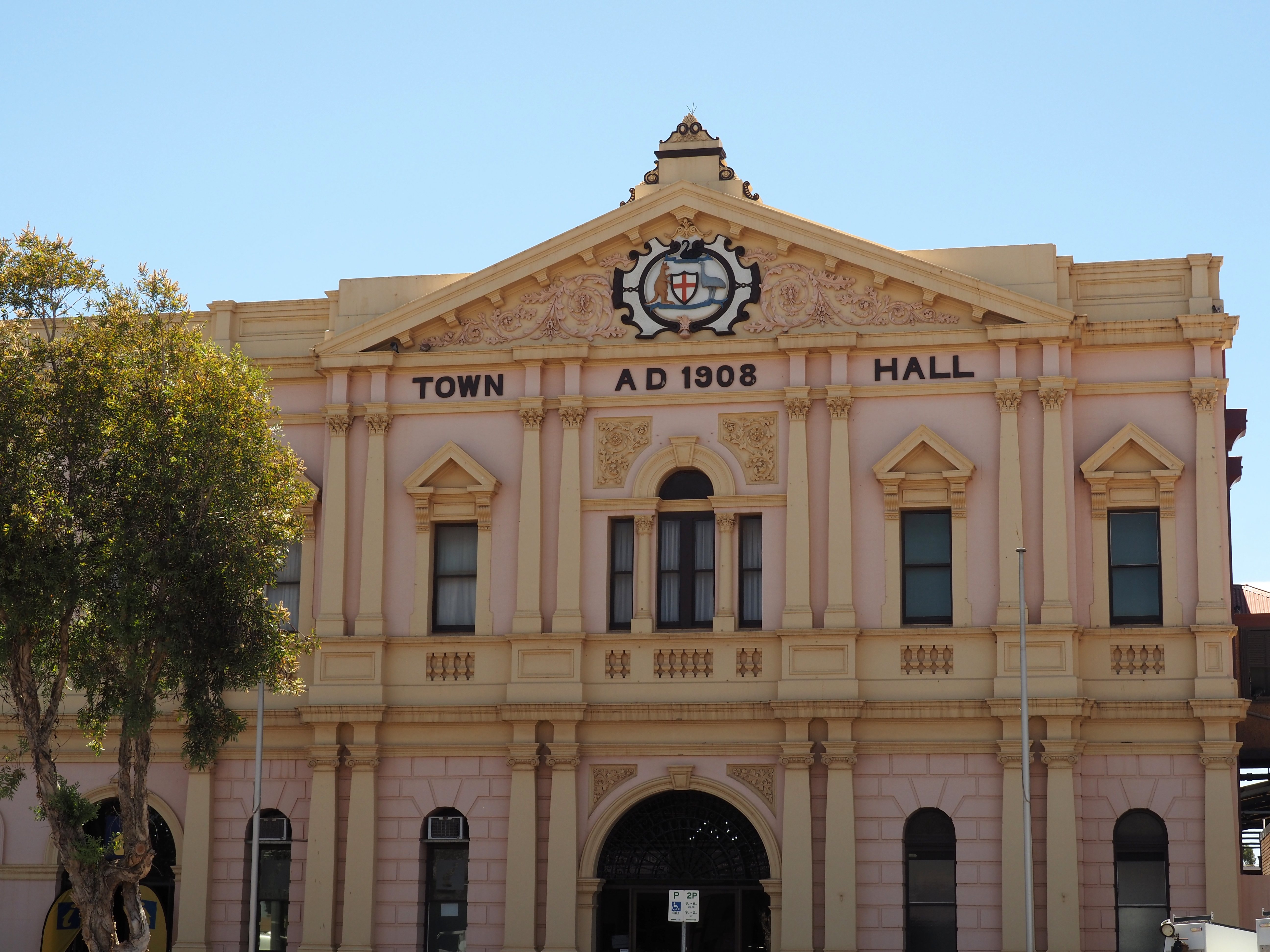
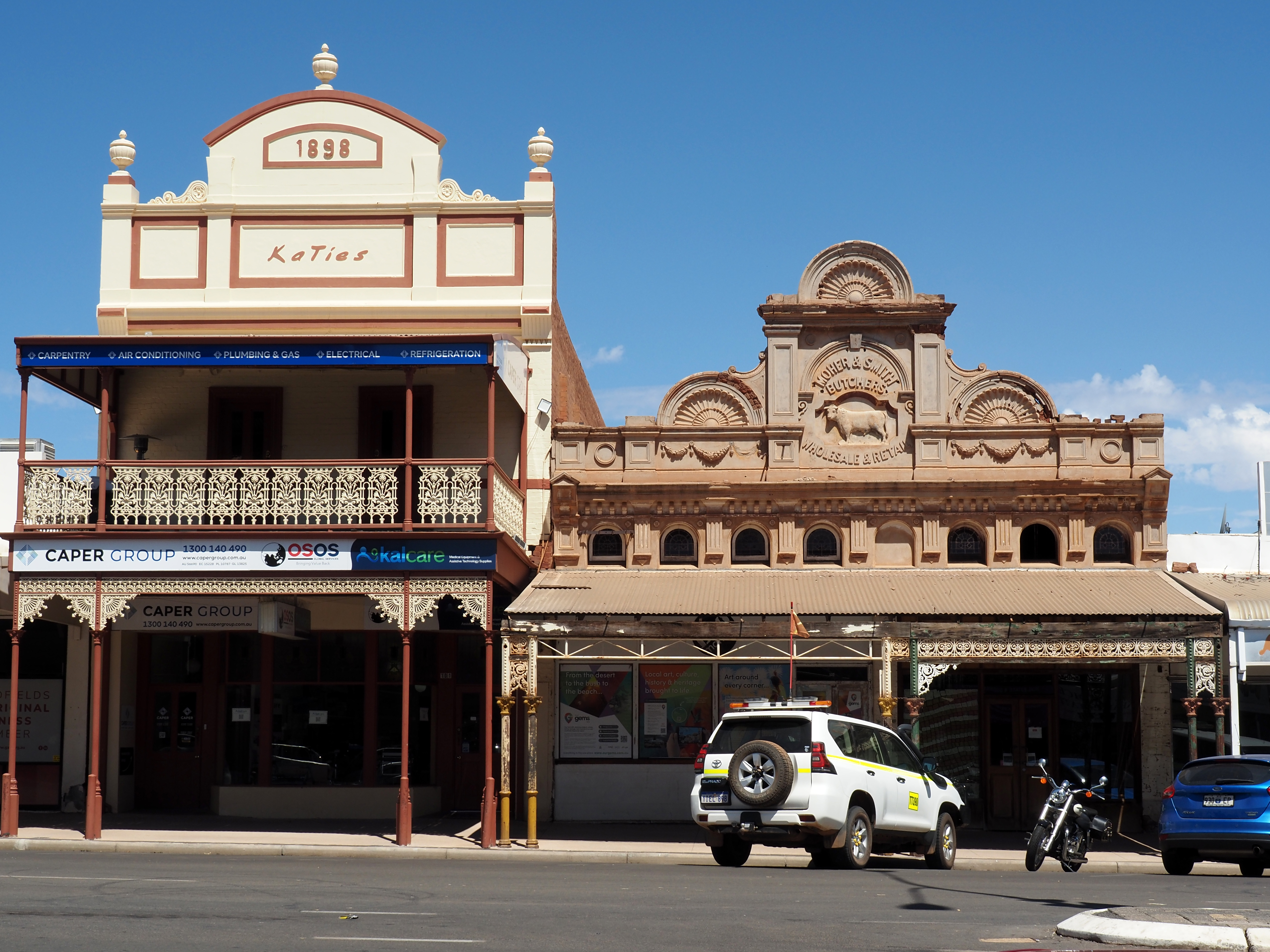
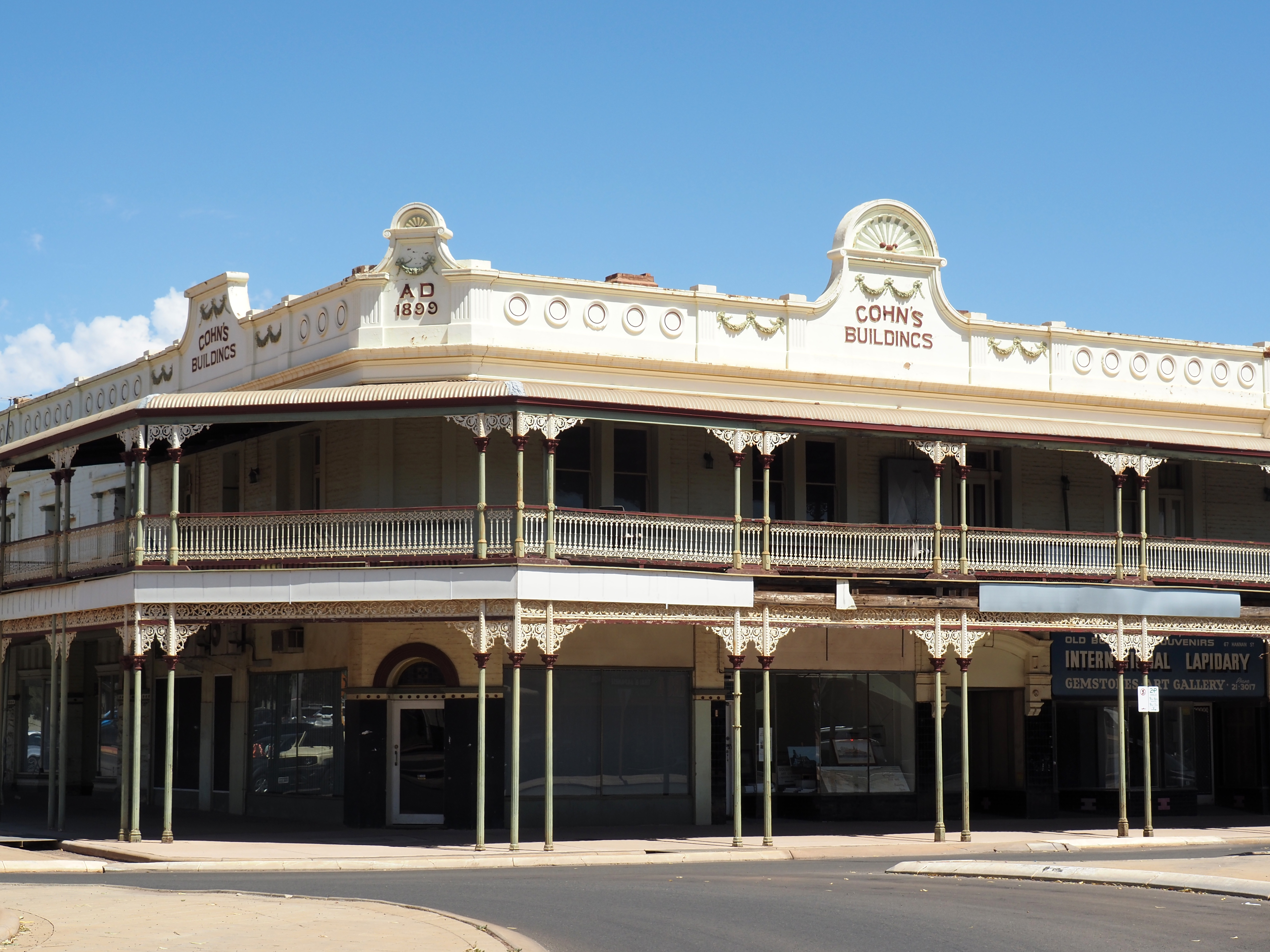
I fell in love with Kalgoorlie the moment I arrived. It’s precisely the kind of town that speaks to me – full of old-world mining charm, streets lined with Victorian-era architecture, and a rugged history that still feels alive today. The gold rush spirit lingers on the ornate balconies, the grand old pubs, and the stories locals share with pride. There’s a raw authenticity to Kalgoorlie, a blend of heritage and hard work, that makes every corner feel rich with character and memory.



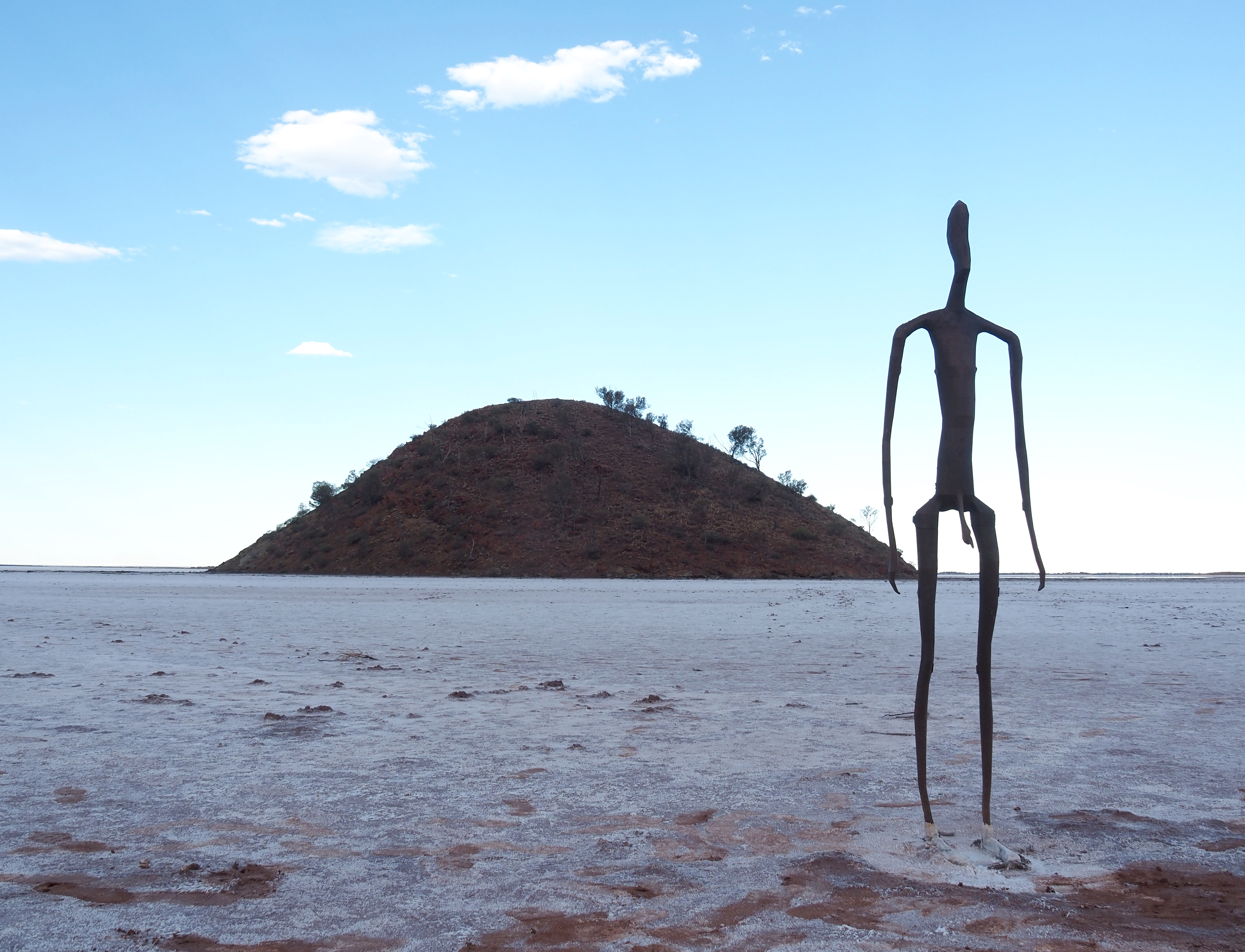
We spent the night wild camping close to the “Inside Australia” monument at Lake Ballard. And we were very sorry. Imagine sleeping on the shore of the vast, salt lake with ghostly, strange figures around you. Imagine that there is no other human being, except your husband in a radius of at least 100 km. Imagine that the temperature was 48 degrees during the day, dropping to 39 when the sun went down, and we are without AC. And now imagine that you open the windows of the camper and all, millions of flies, small bugs, and mosquitoes decide to pay you a visit inside your home.


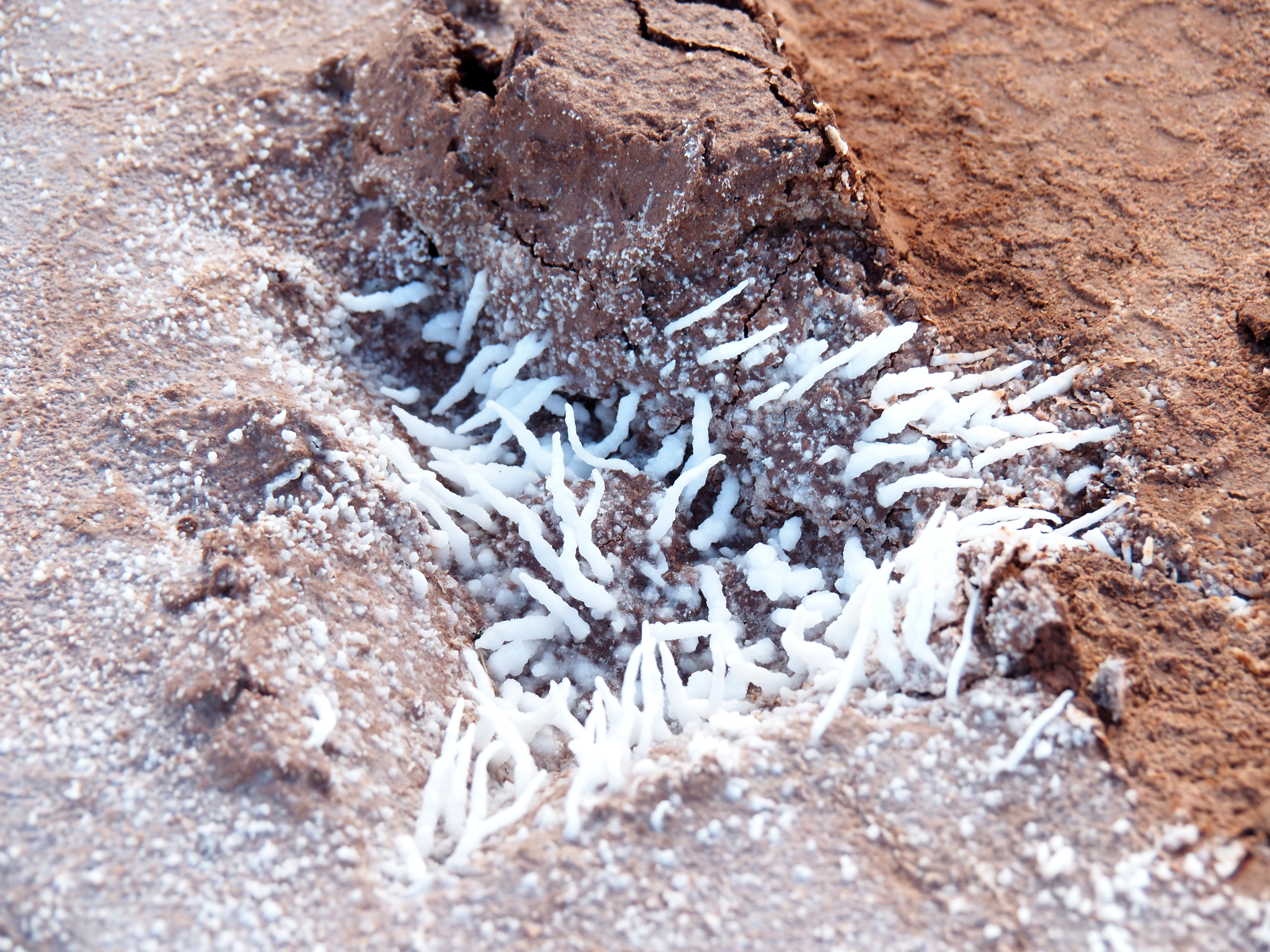
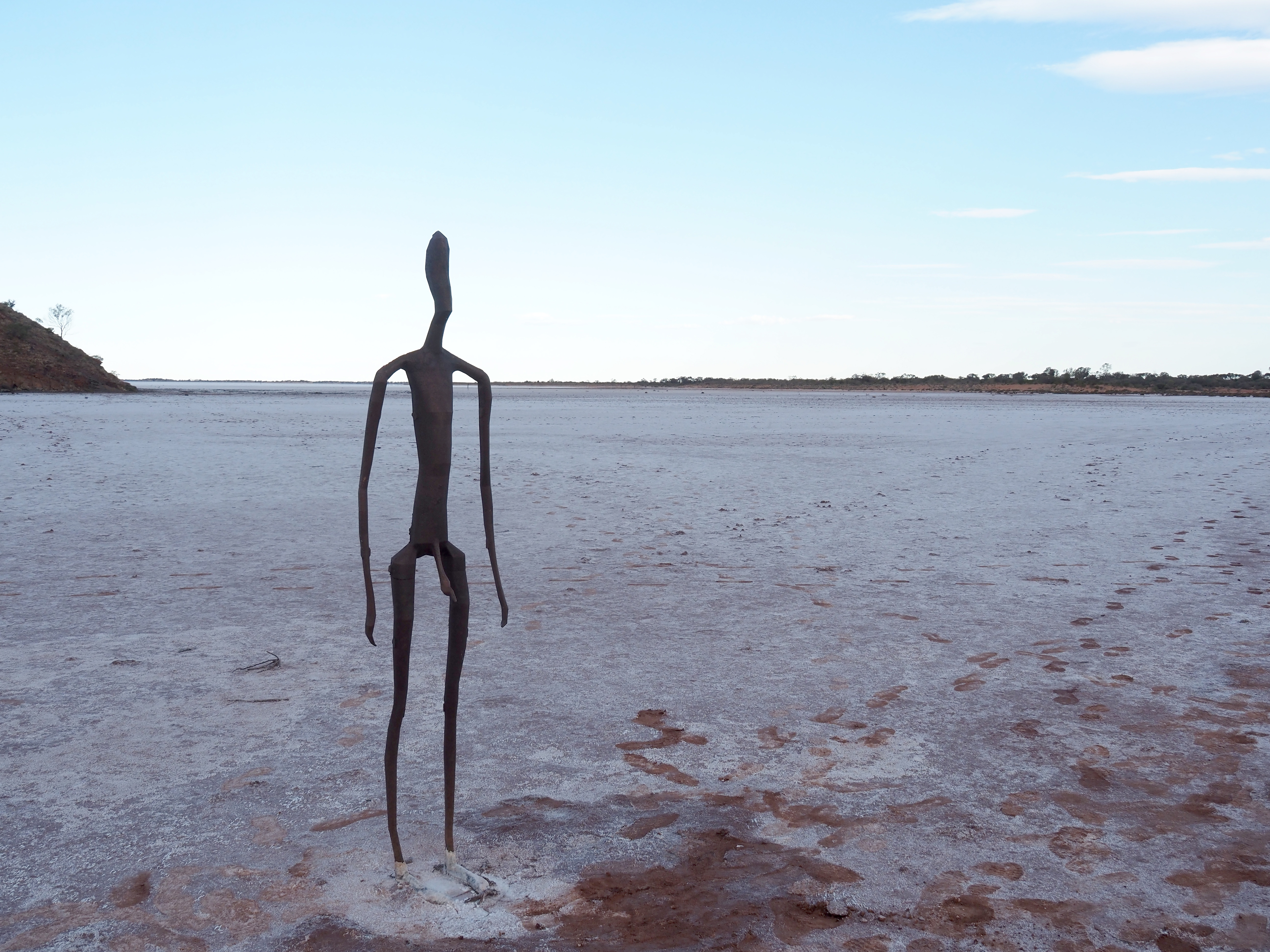

We spent most of the night fighting the invaders, with little success.
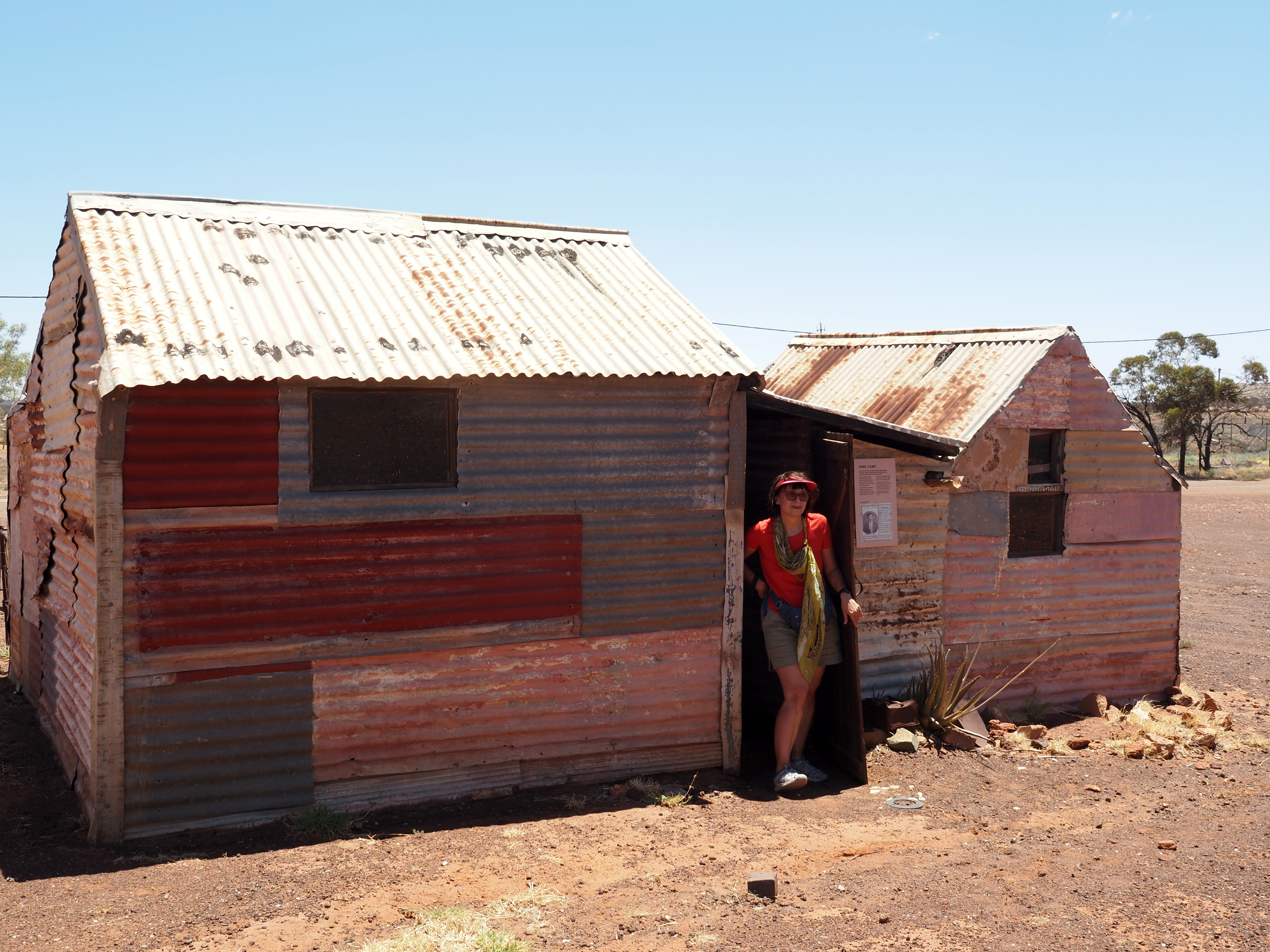
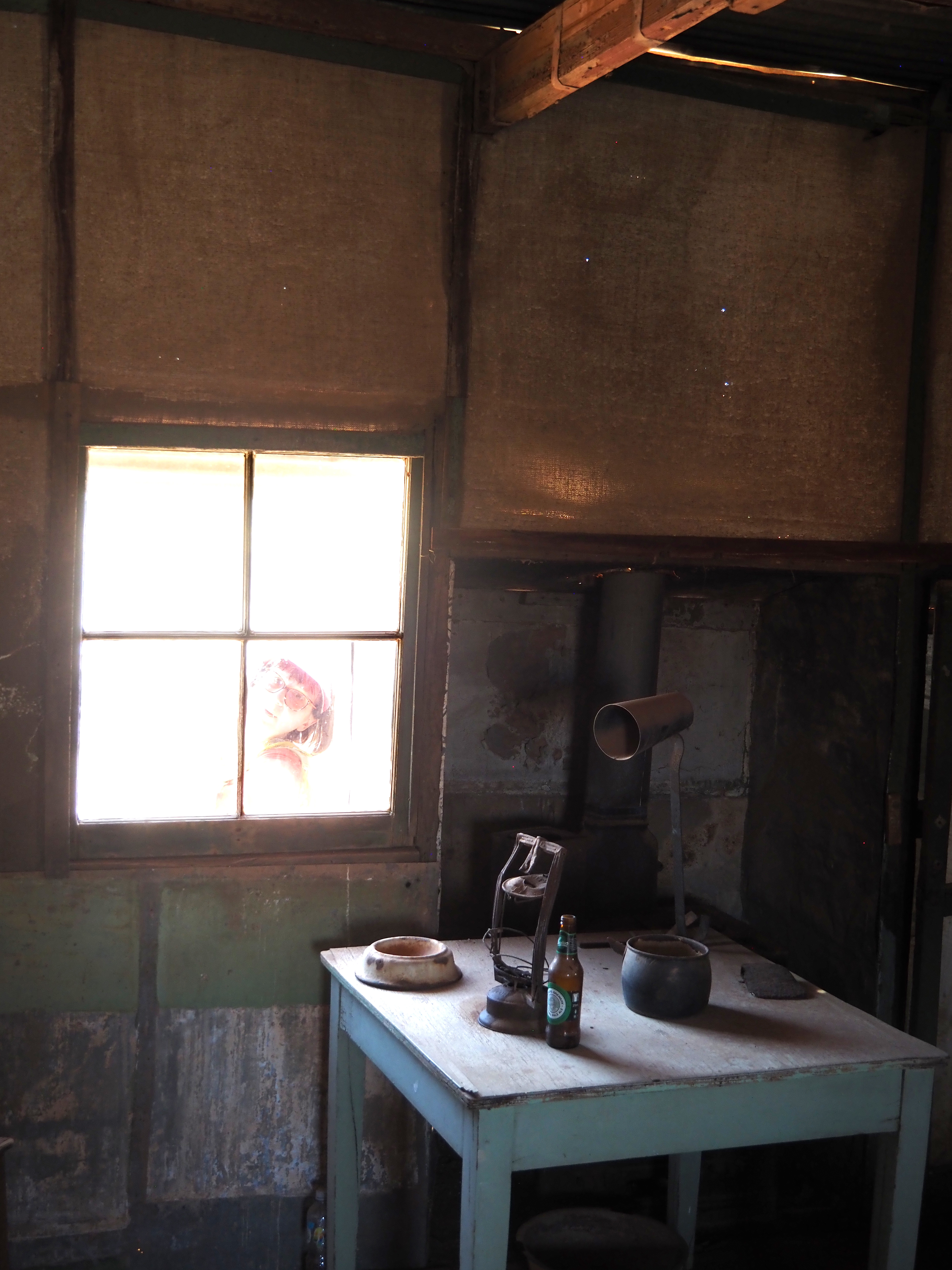
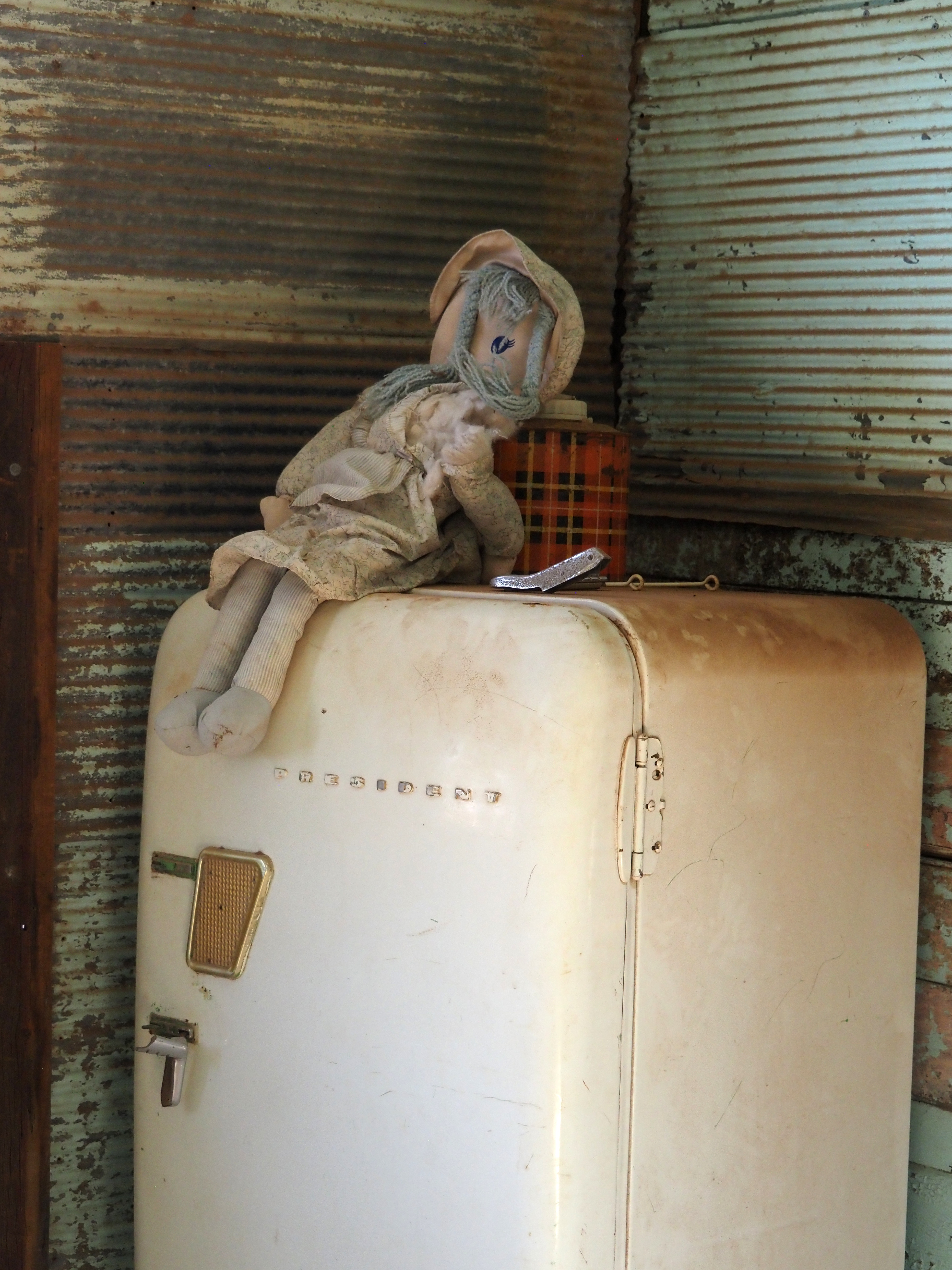
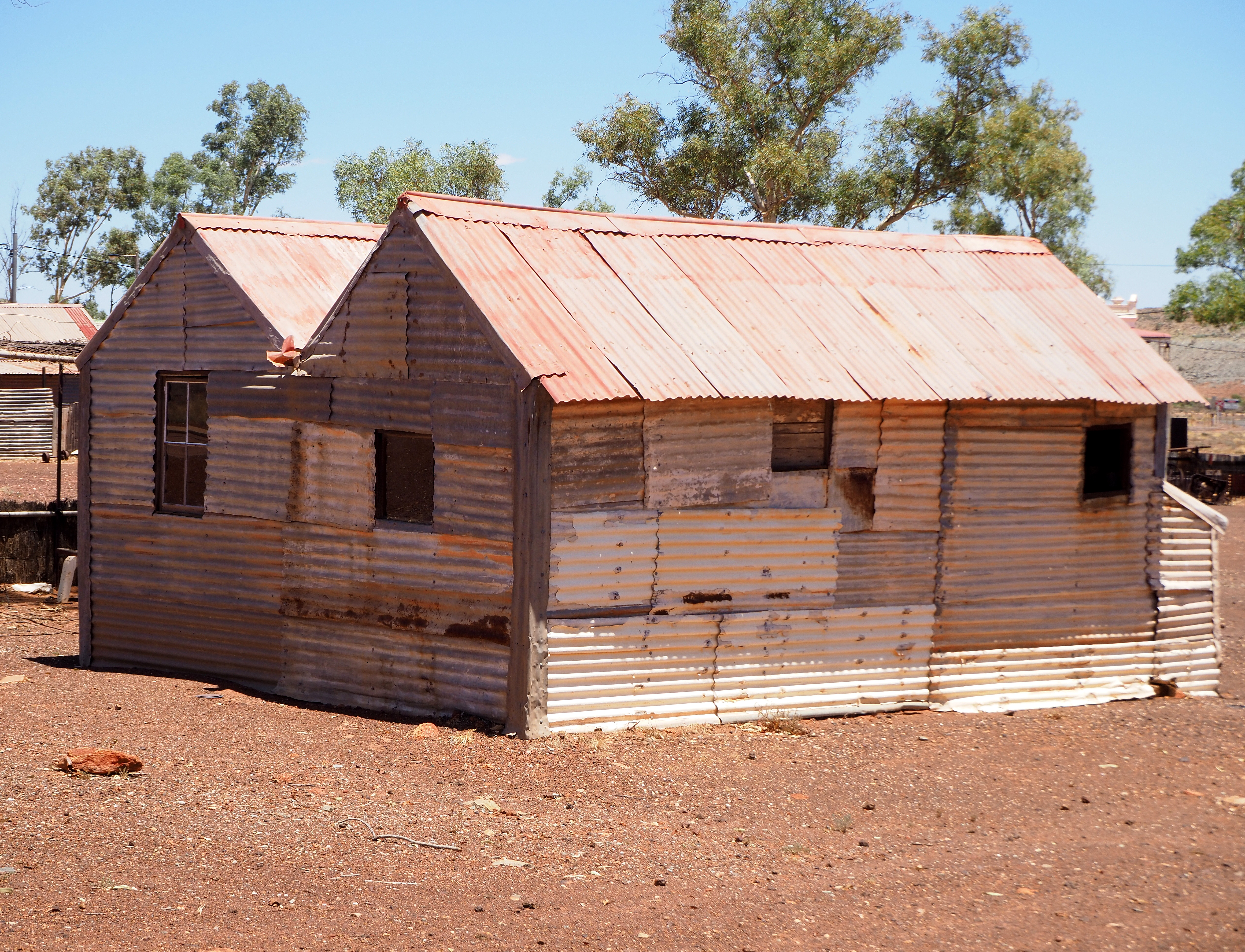
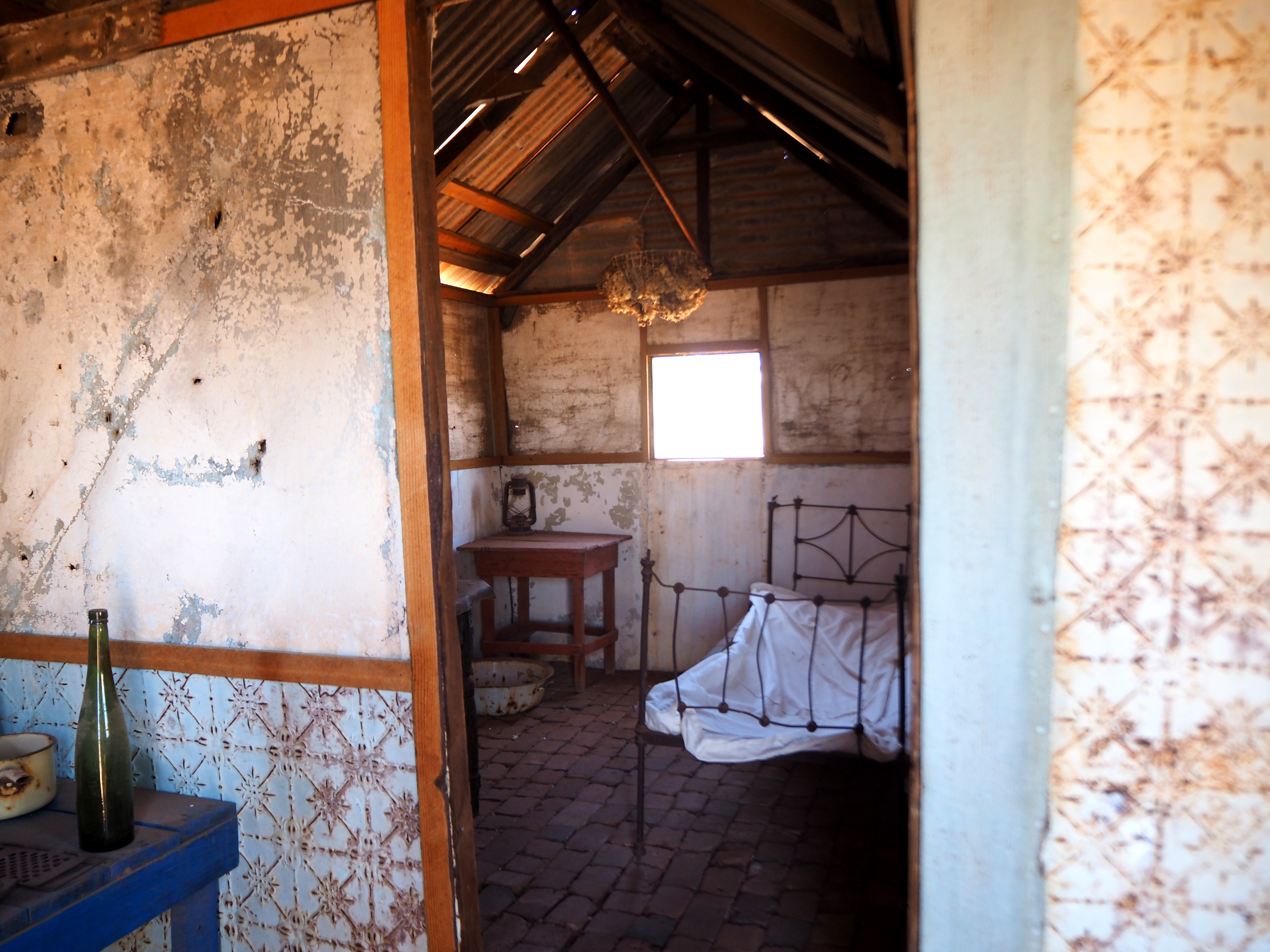
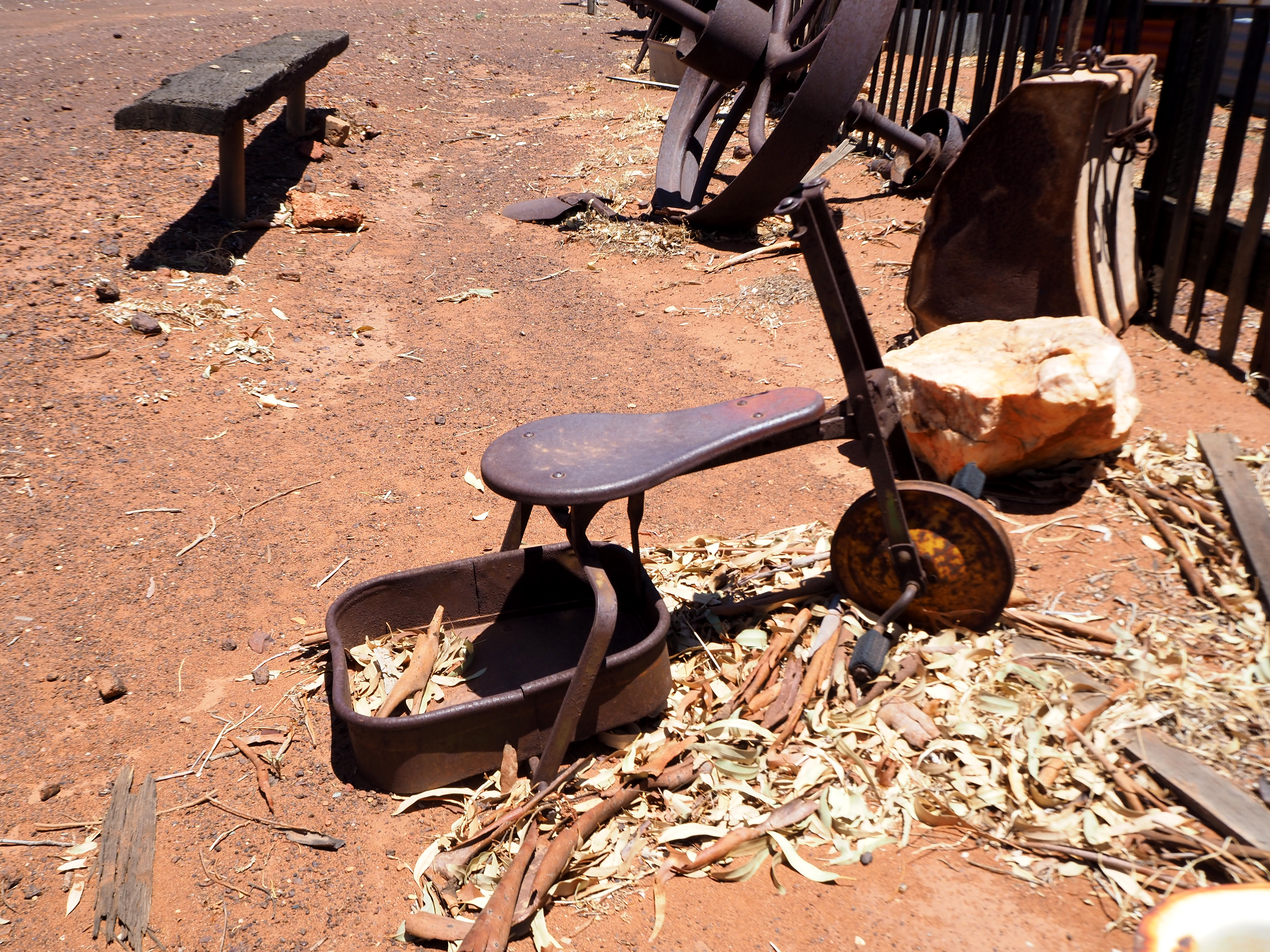
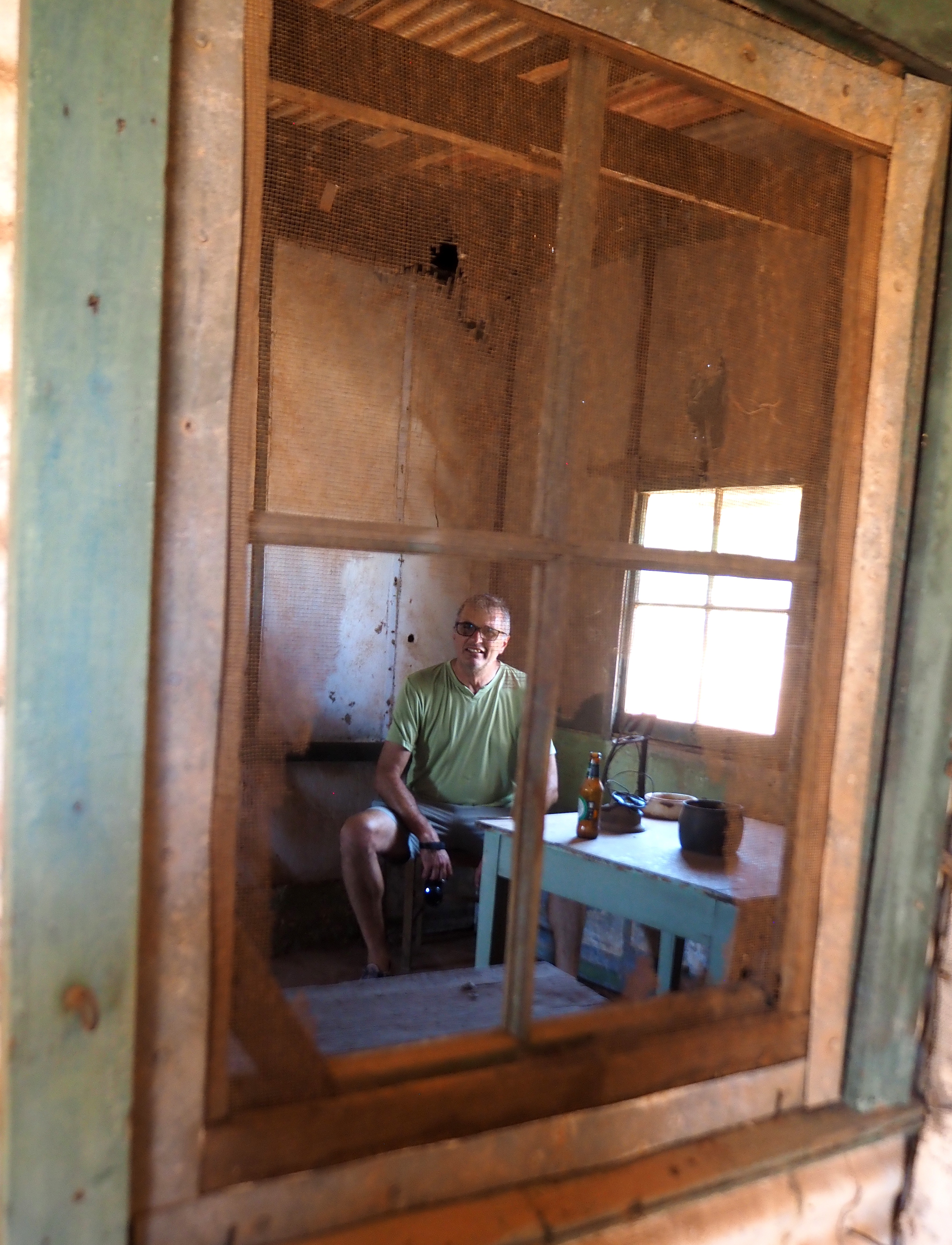
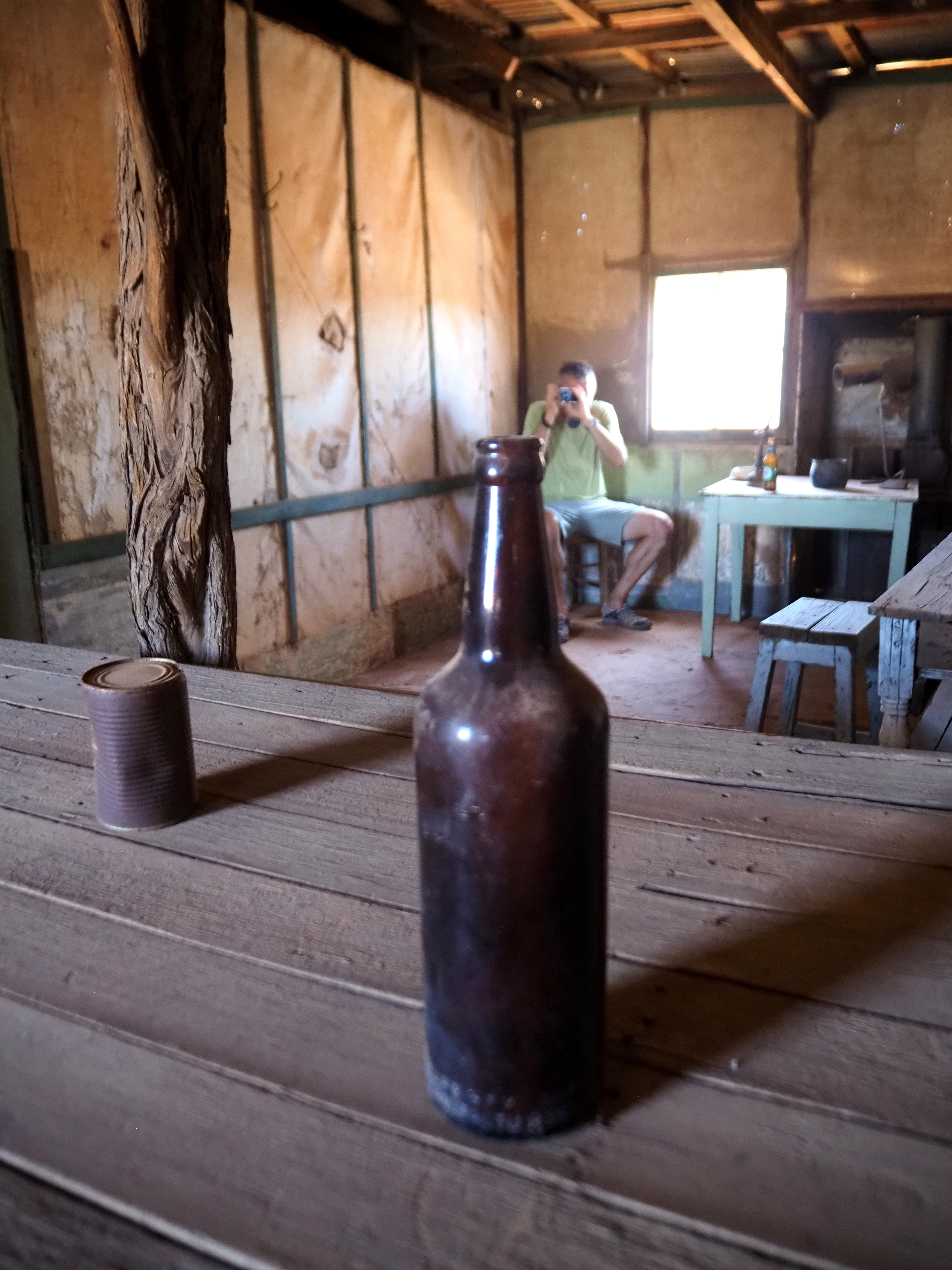
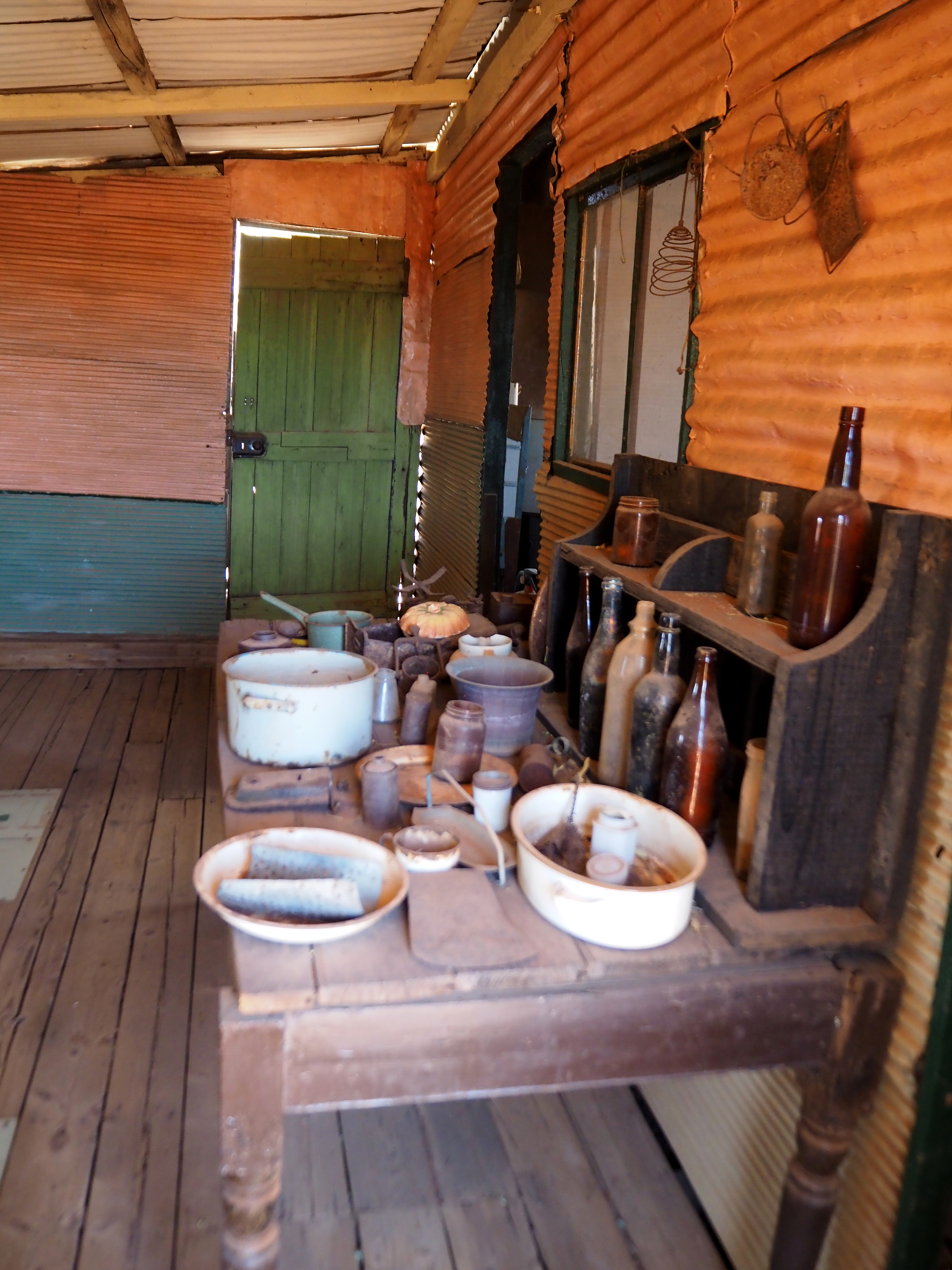
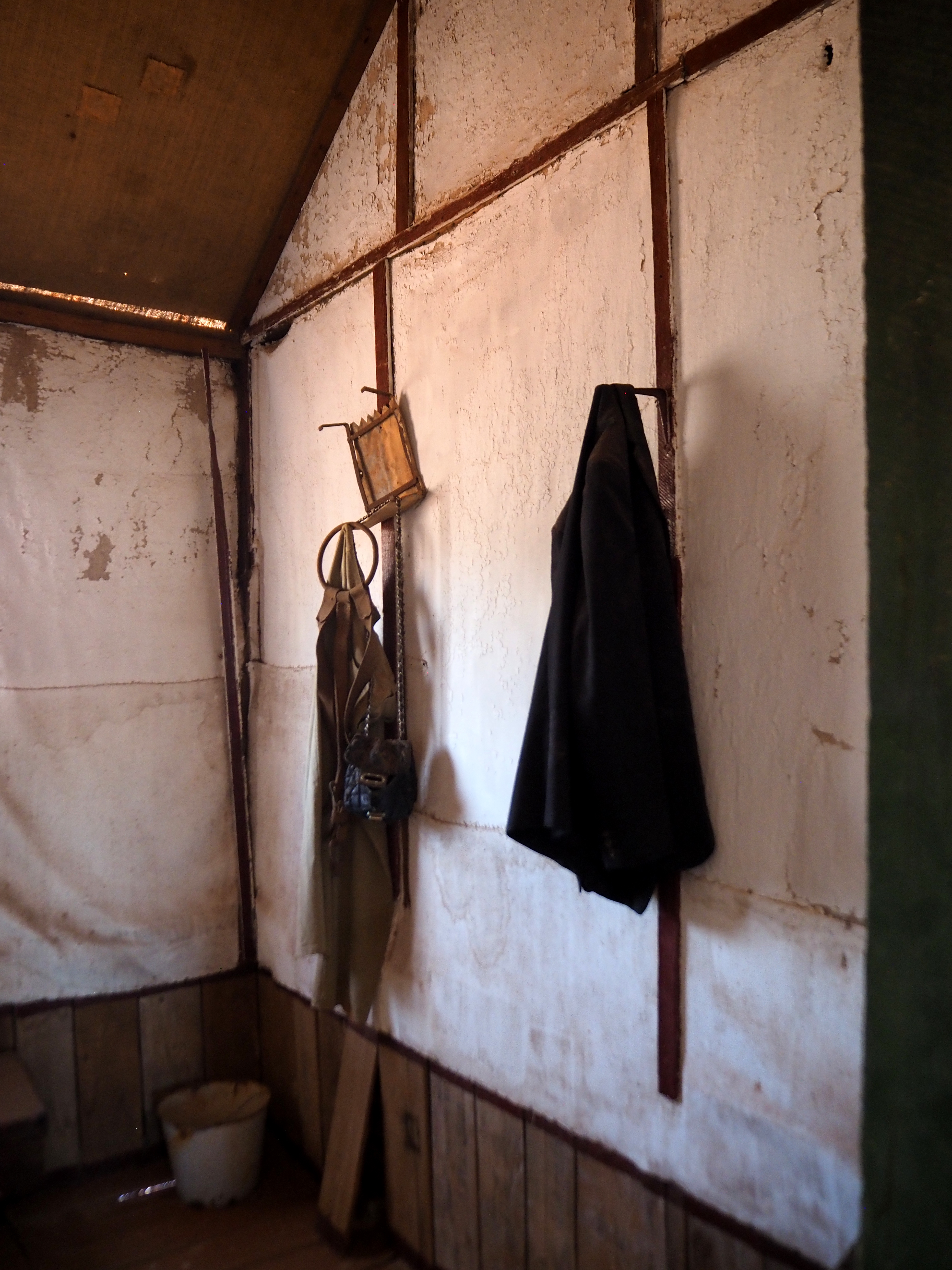
The eerily quiet Gwalia ghost town is a haunting reminder of a once-thriving community built around the gold rush era. People lived, and loved, and worked, and died here, leaving behind weathered cottages, empty shopfronts, and abandoned relics that still echo with their stories. Walking through the deserted streets, you can almost imagine families gathering on verandas, miners heading out for long shifts, and the everyday rhythm of a town that has long since faded into silence.







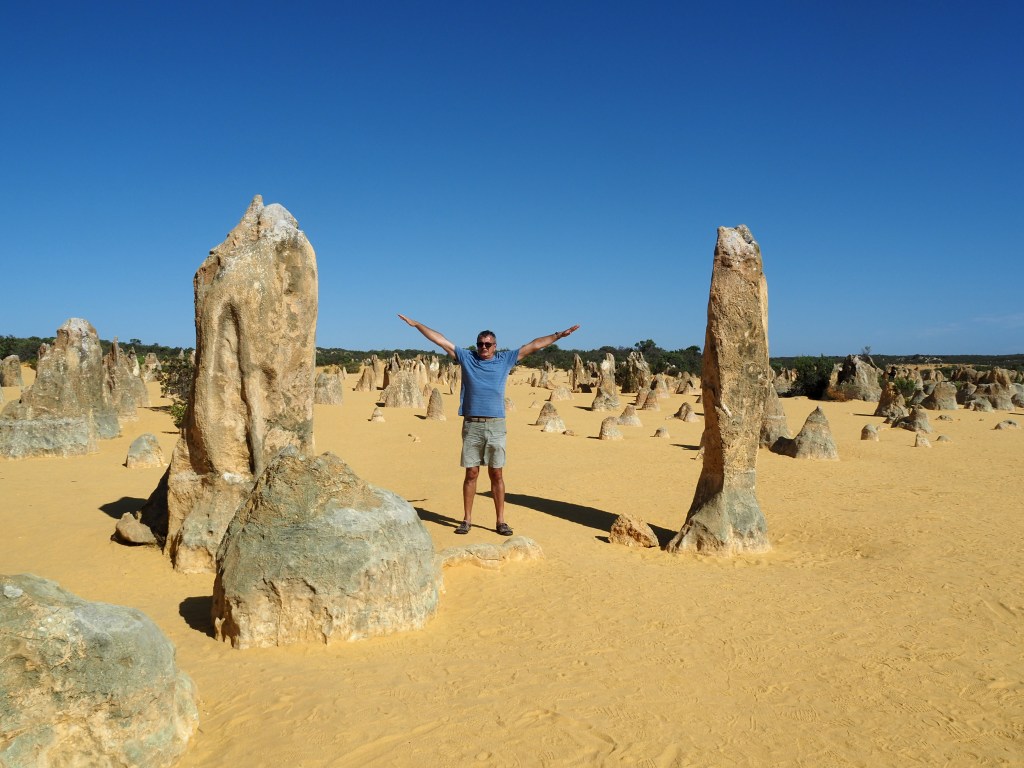
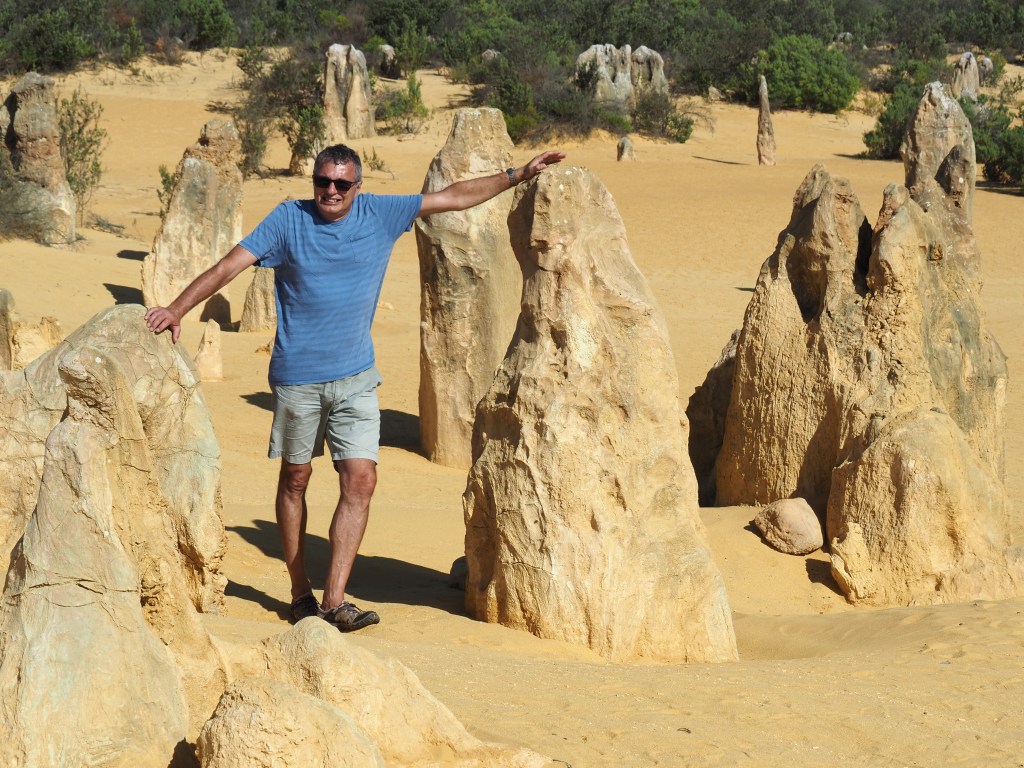
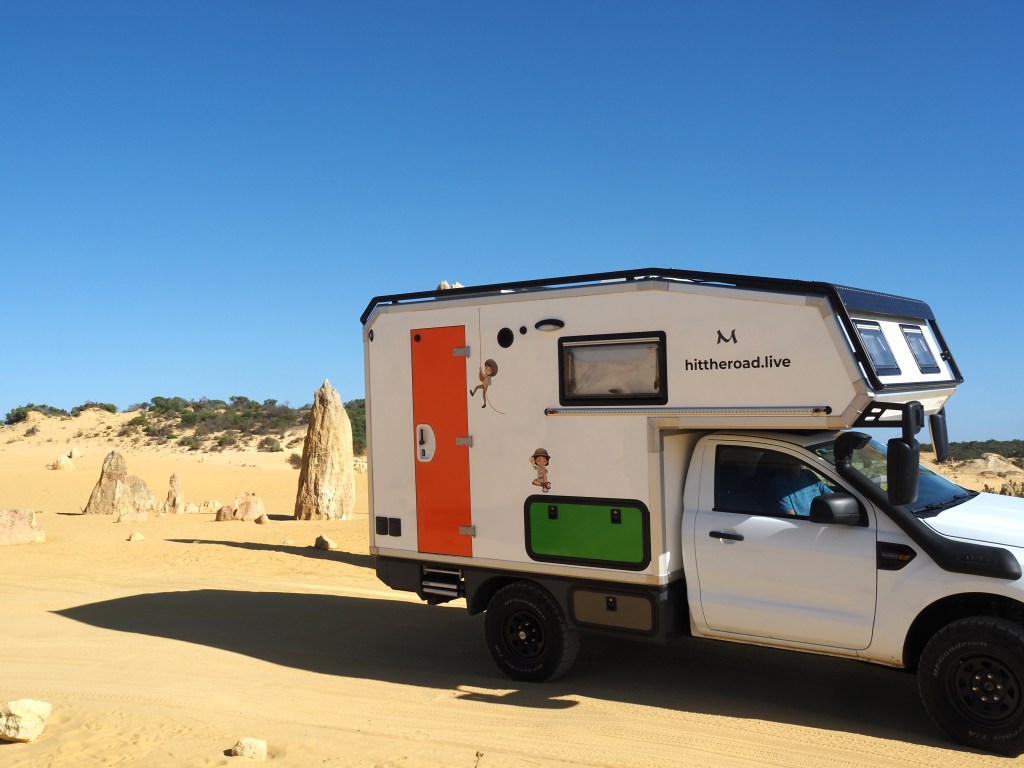
No visit to Western Australia is complete without a stop for pictures at Pinnacles Desert. Thousands of massive limestone pillars rise from a stark landscape of yellow sand, forming one of Australia’s most intriguing landscapes. And I think our camper, La Casita, fits right into this dramatic landscape. It is built for the vast, red outback of Australia.



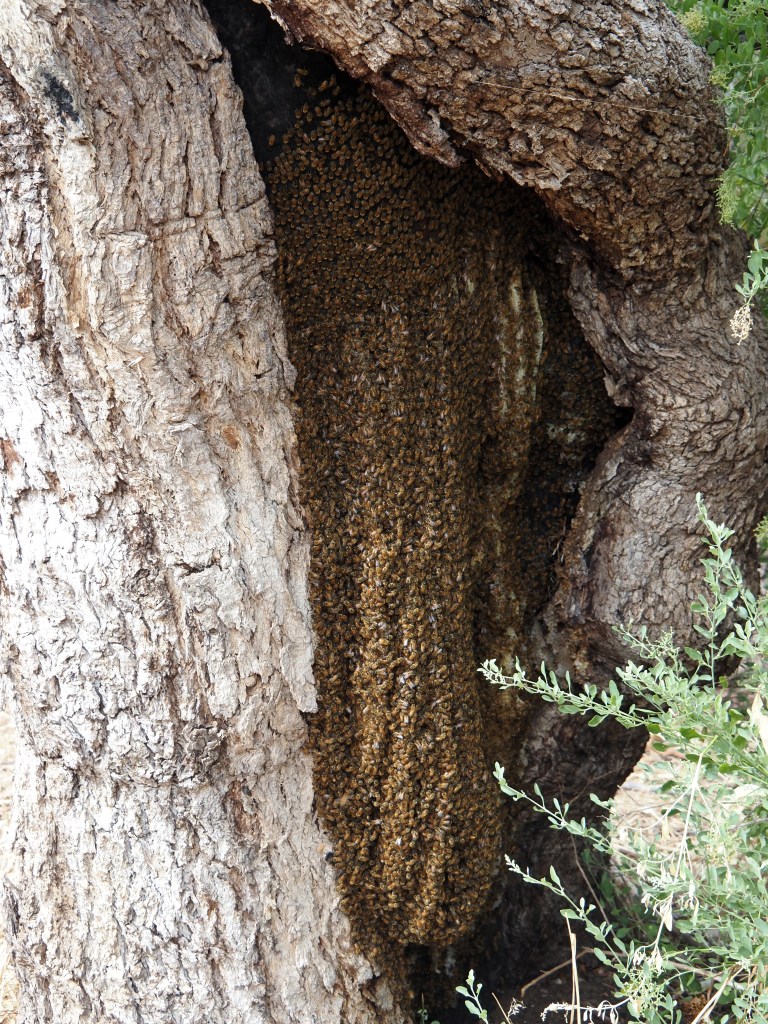
Our next wild stop for the night was nearly as unforgettable as our stop at Ballard Lake. We arrived late in the evening and settled for the night. When the sun came up the next morning, we discovered a surprise – we had parked next to a massive bee nest!
Going north, Western Australia’s landscapes grow more dramatic with every mile.
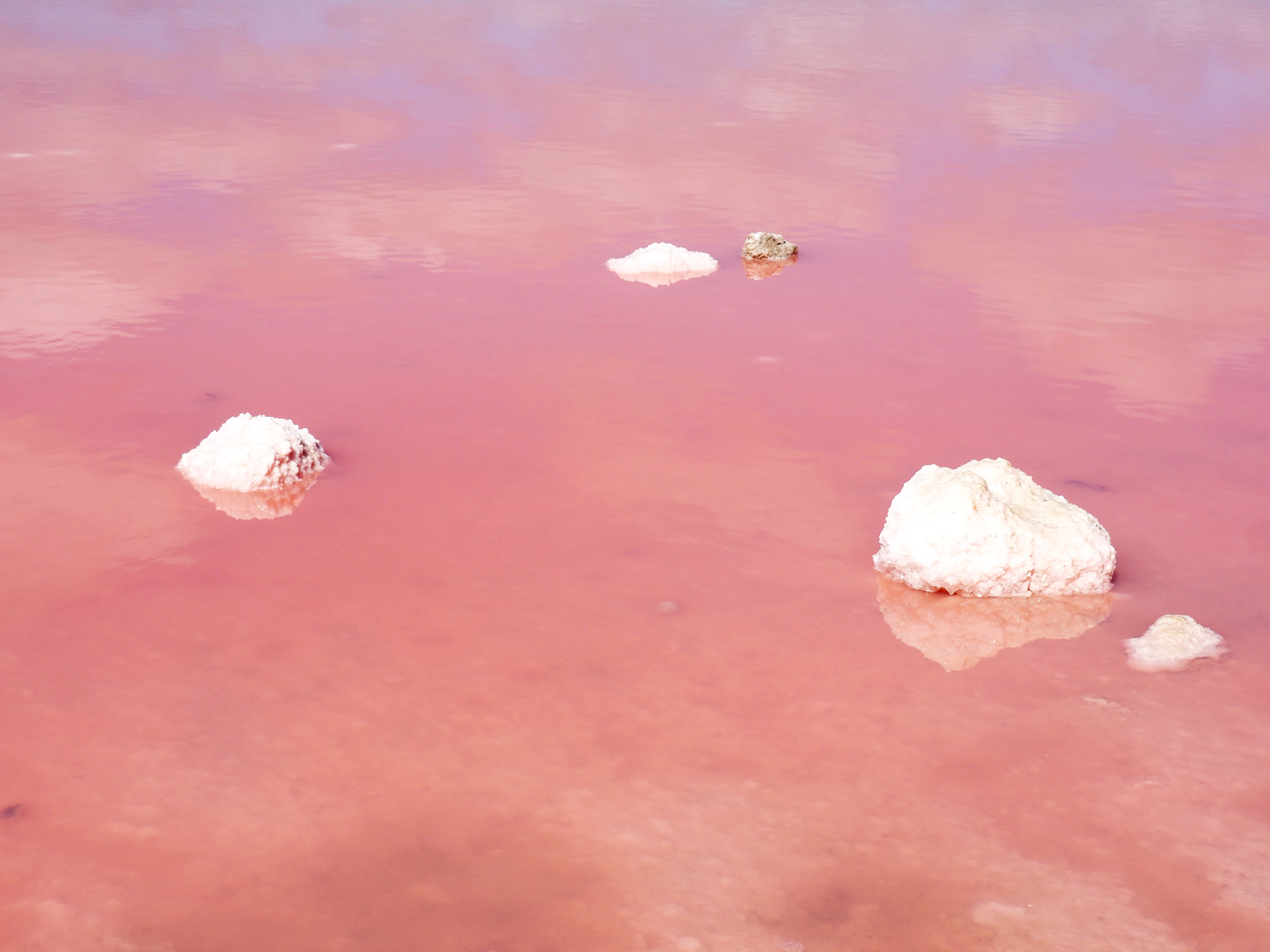
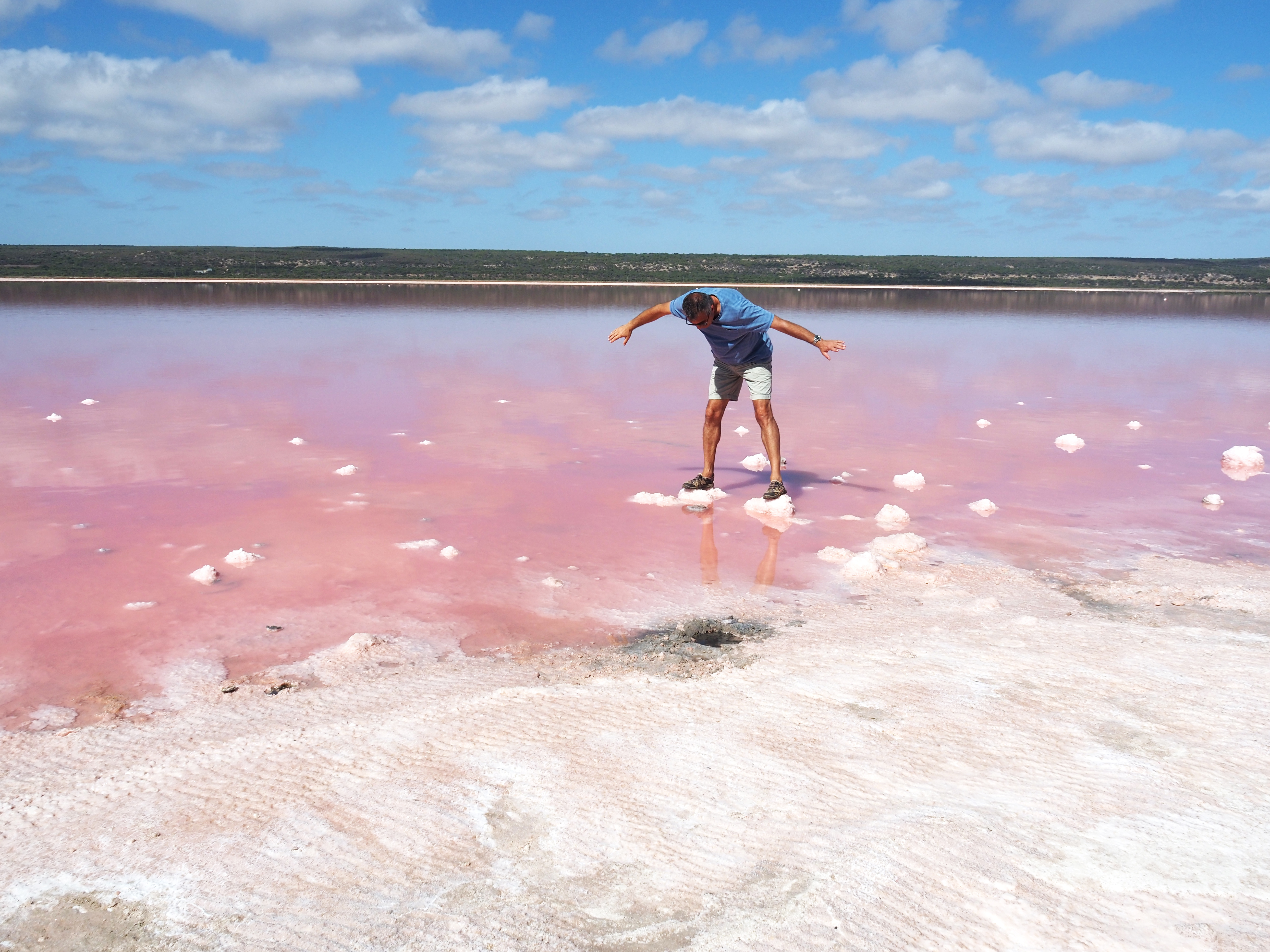
We did a detour to visit the pink lake near Kalbarri. It is not our first pink lake. After Laguna Colorada in Bolivia, La Coloradas in Mexico, and the pink lake in southern Spain, I didn’t expect surprises.



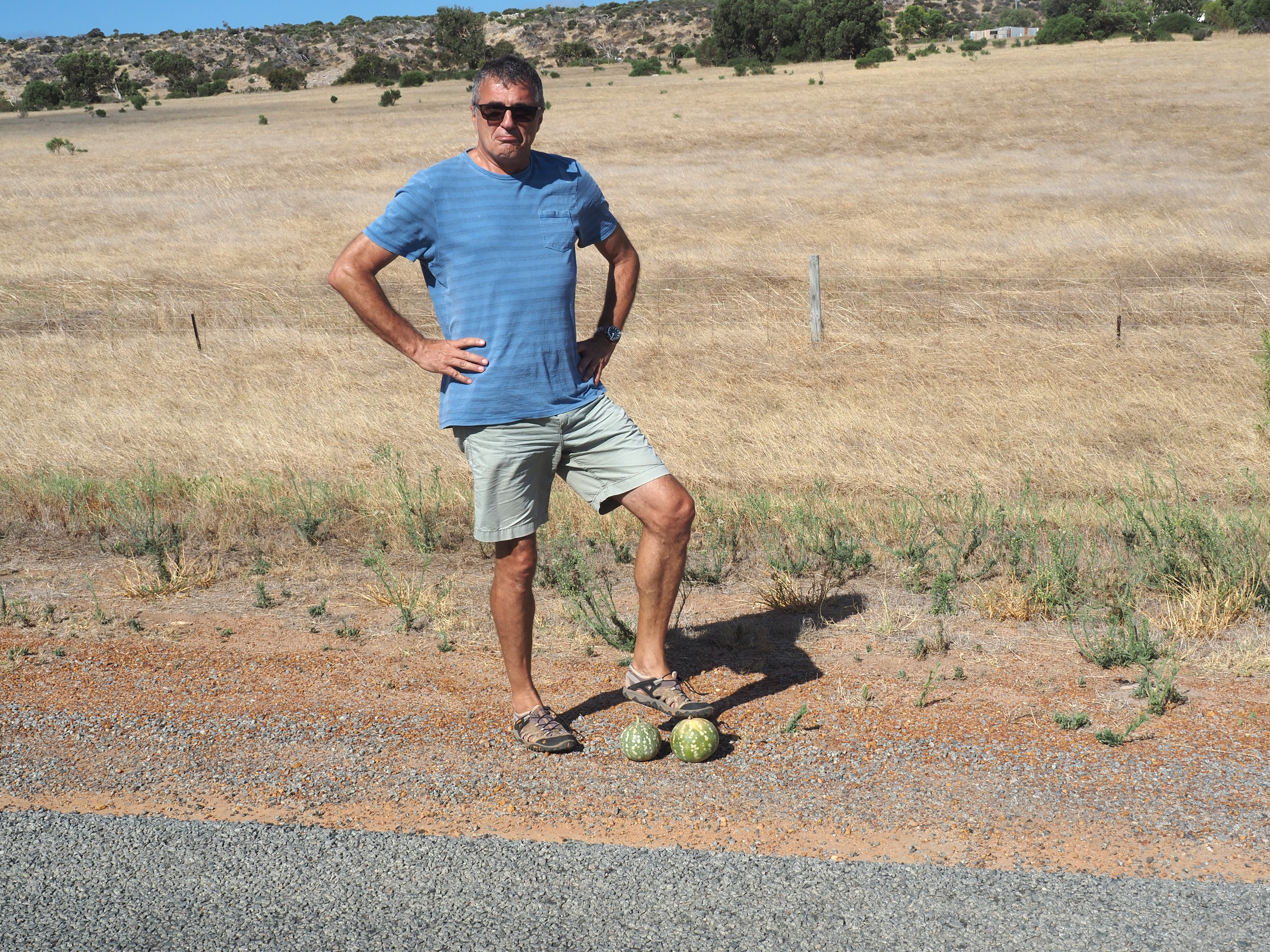
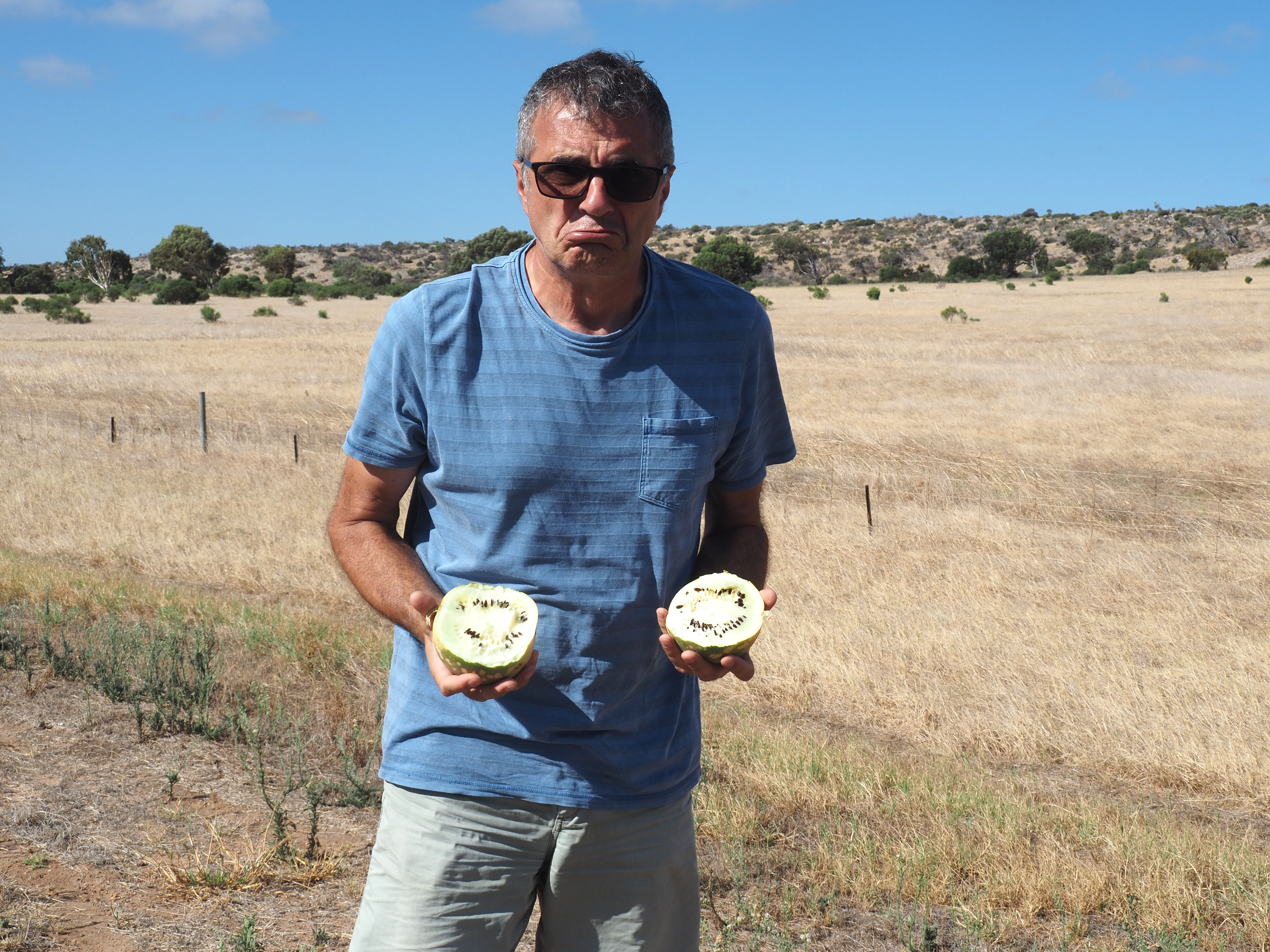
The surprise was the fruits alongside the road that looked like small wild watermelons. My hunter-gatherer nature got excited, and I persuaded Ivan to collect some. Luckily, we Googled them before eating. Well, they are considered invasive weeds; they are edible but not palatable.

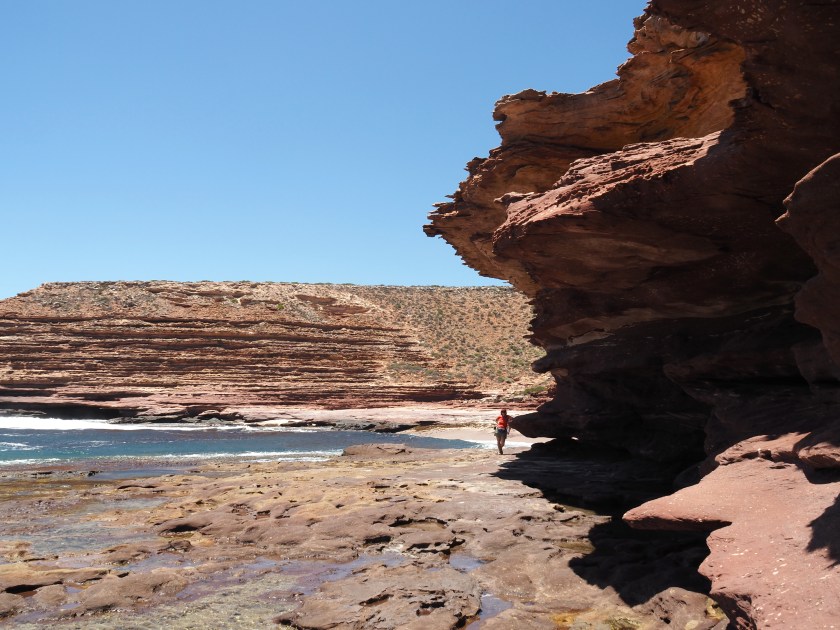
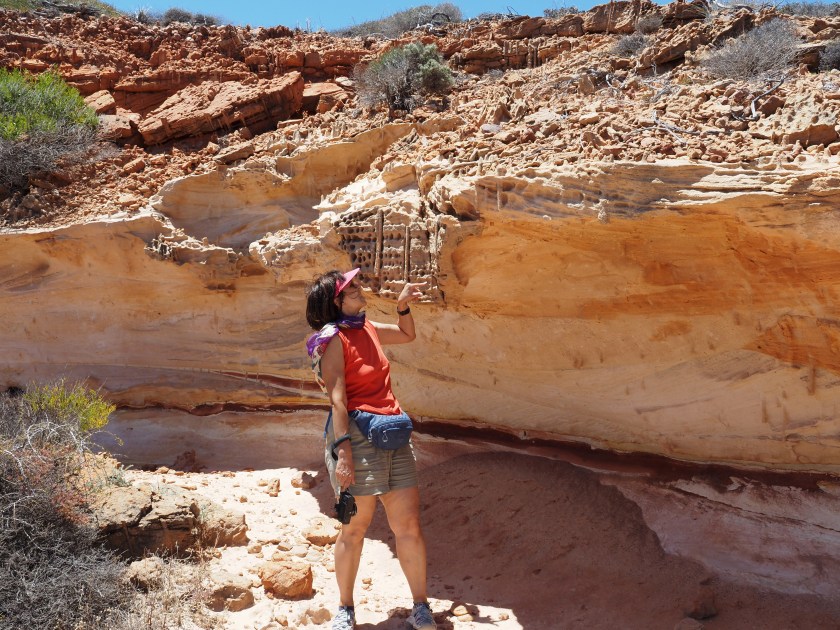
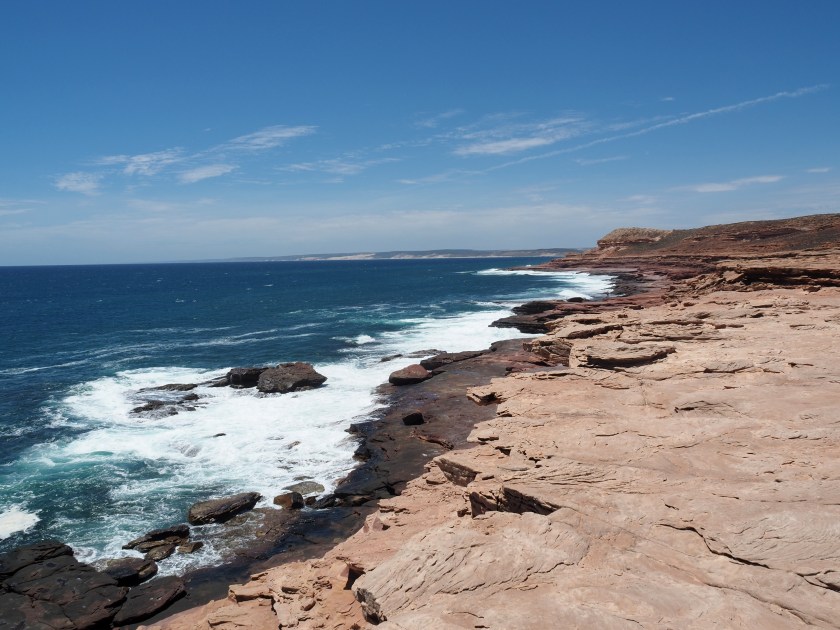
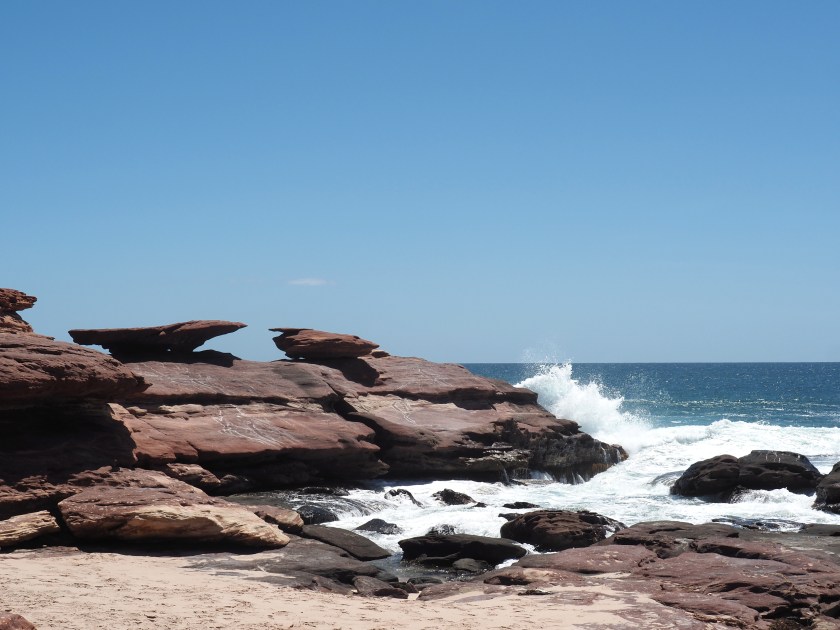
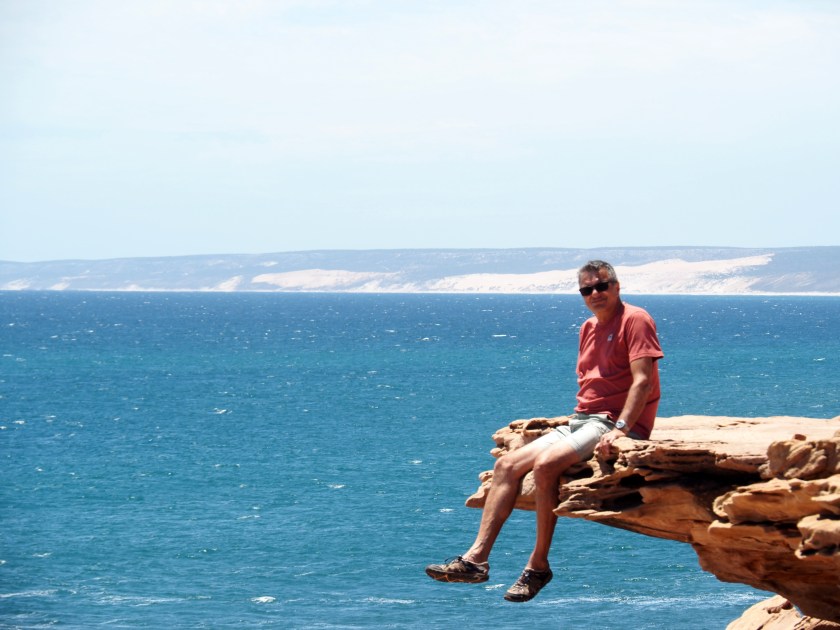
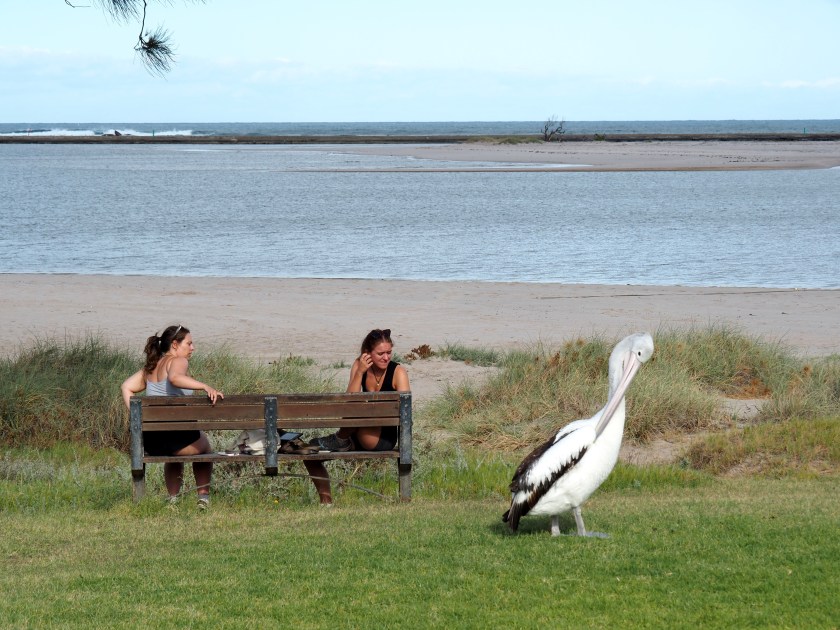
I really fell in love with Kalbarri. Imagine a small town (or large village) in the north of Western Australia. One shop, two petrol stations, a few half-empty hotels/holiday houses, two restaurants, a cafe, and fishermen unloading the day’s catch. Swallows flocking along the wires and fences, parrots in the grass, kangaroos and emus in the clearing.
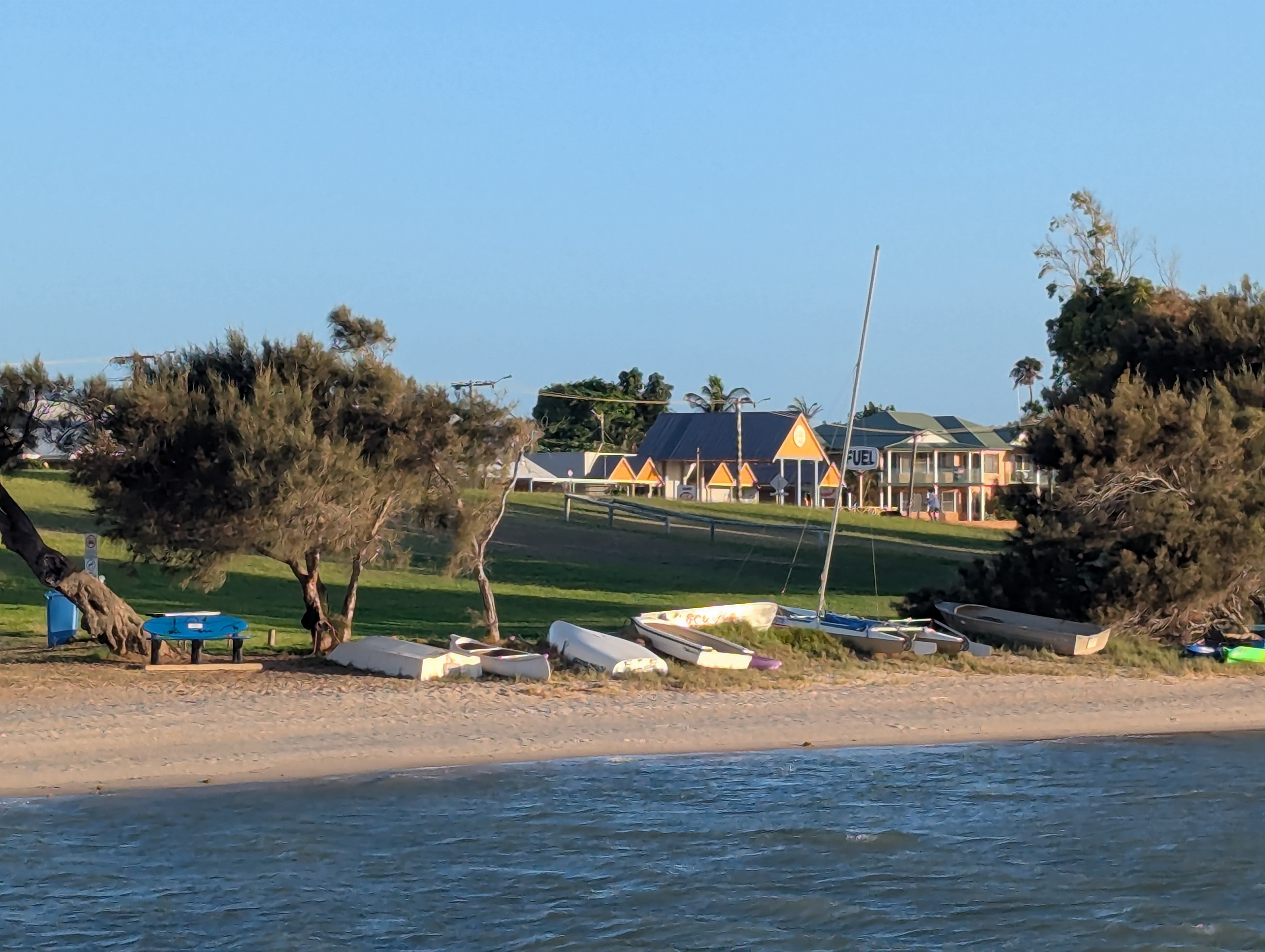
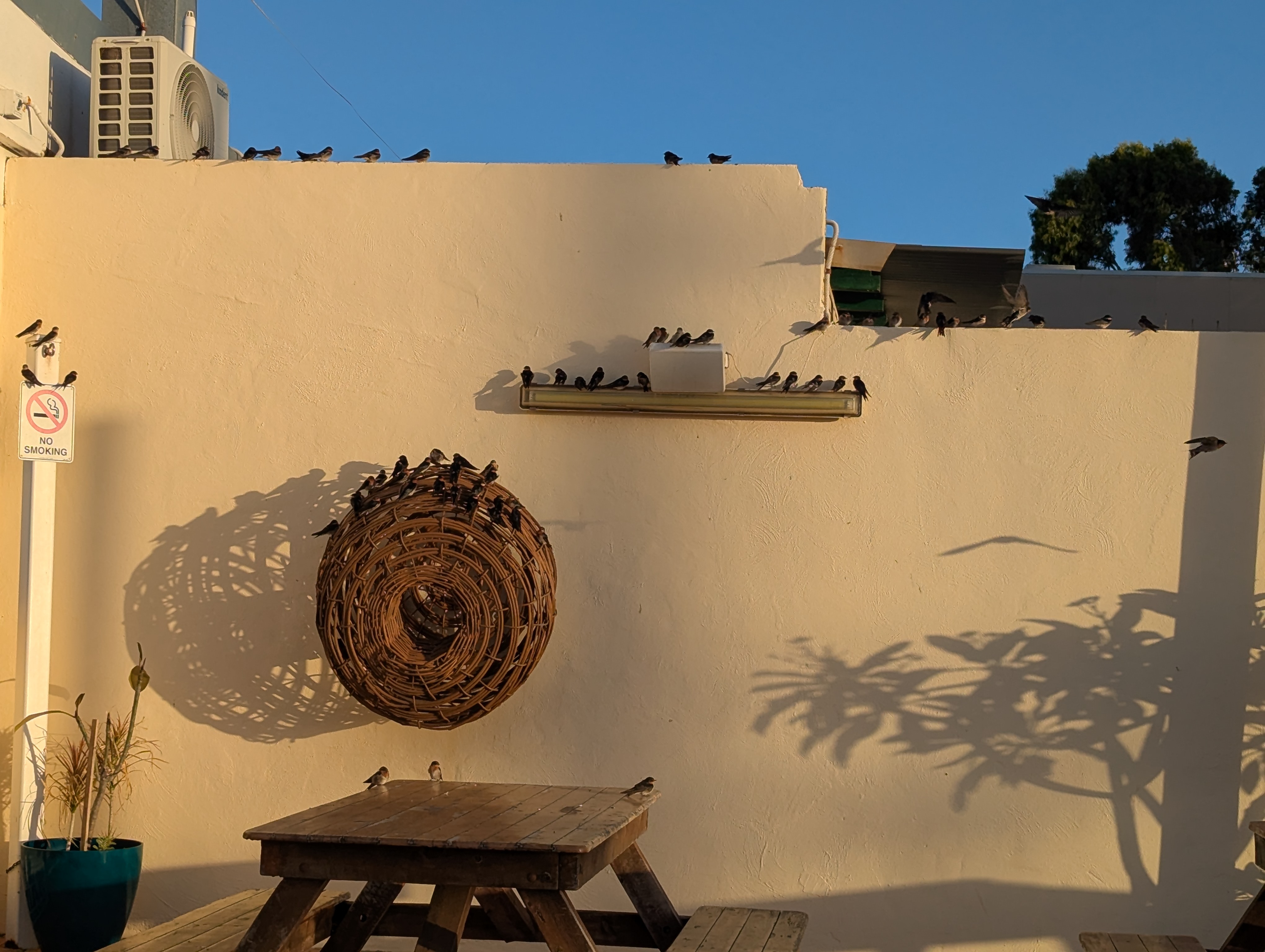

No, it has nothing in common, but it feels like a small Bulgarian village on the Black Sea shore on September 19, 1975, when the summer break is over, but my parents decide to postpone my school year by a few days to enjoy the quiet time at the sea. No, it has nothing in common, but it just smells like my childhood…
There is a famous song from my adolescence: “Оставаме, оставаме и нищо, че е есен.. Оставаме, оставаме и нищо, че брегът е пуст” (We stay, we stay and it doesn’t matter that it’s autumn. We stay, we stay and it doesn’t matter that the coast is deserted).





——————
Around Monkey Mia, for the first time, I started to think that we were somehow in the wrong season. The campground was exceptional… and almost empty. The very few fellow overlanders were Germans, or Dutch or Swiss people with rental campervans.
Even the famous Shell Beach was deserted. Shell beach – formed from billions of tiny shells! The deposits of tiny shells are 10 meters deep in places. It is a fantastic place to see. But walking on them wasn’t much fun.

On the way to Coral Bay and Exmouth, we crossed the Tropic of Capricorn. Almost a year ago, we crossed the Tropic of Cancer in Mexico, so we were exactly on the opposite side of the world, not only north-south but also east-west:)

Exmouth and Coral Bay were extraordinary. They are home to the Ningaloo Reef, one of the few places in the world where you can swim with whale sharks. Unfortunately, we were not in the right season to do that. Unlike the busier Great Barrier Reef, Ningaloo offers a more secluded, raw experience.

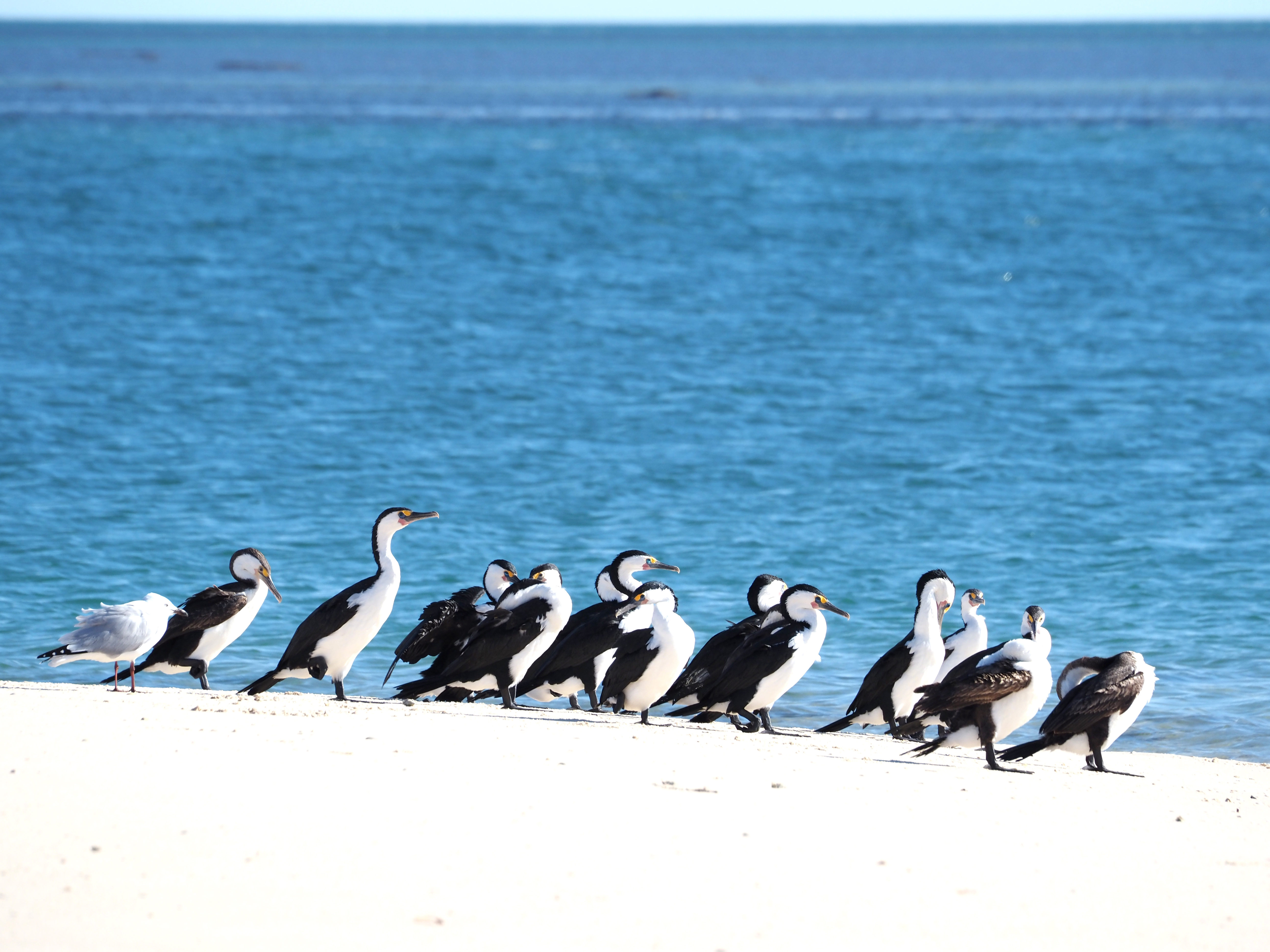
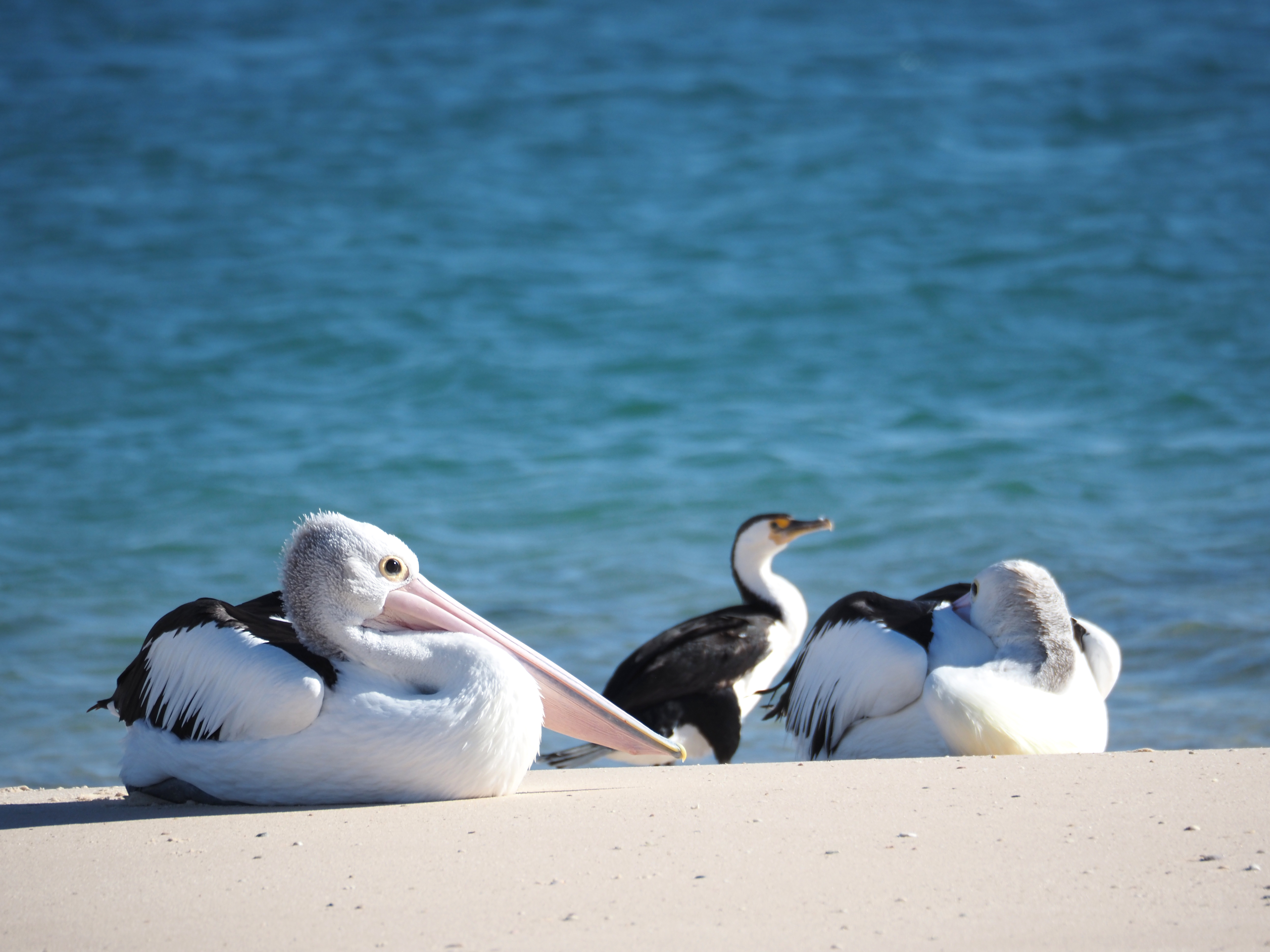


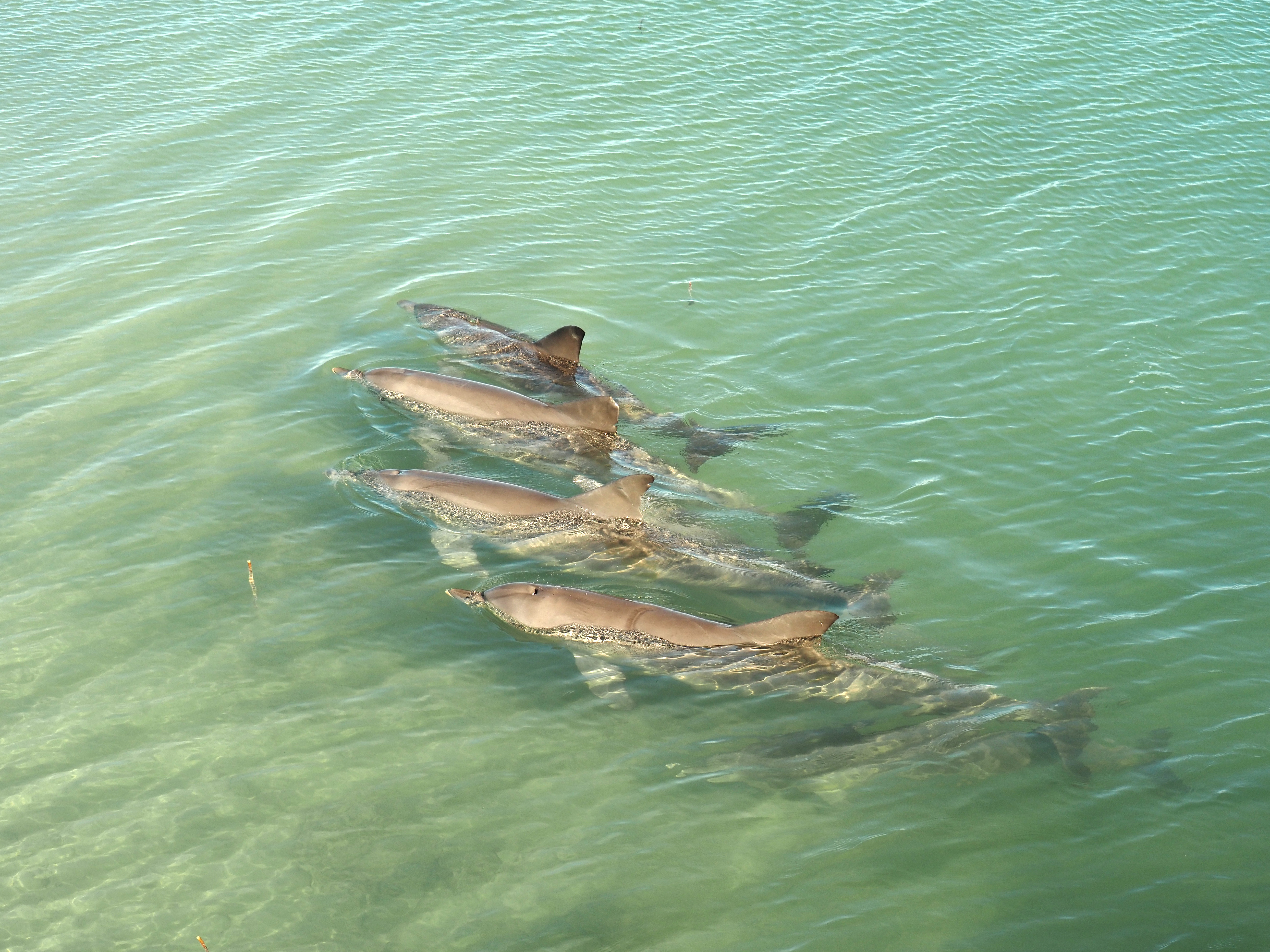
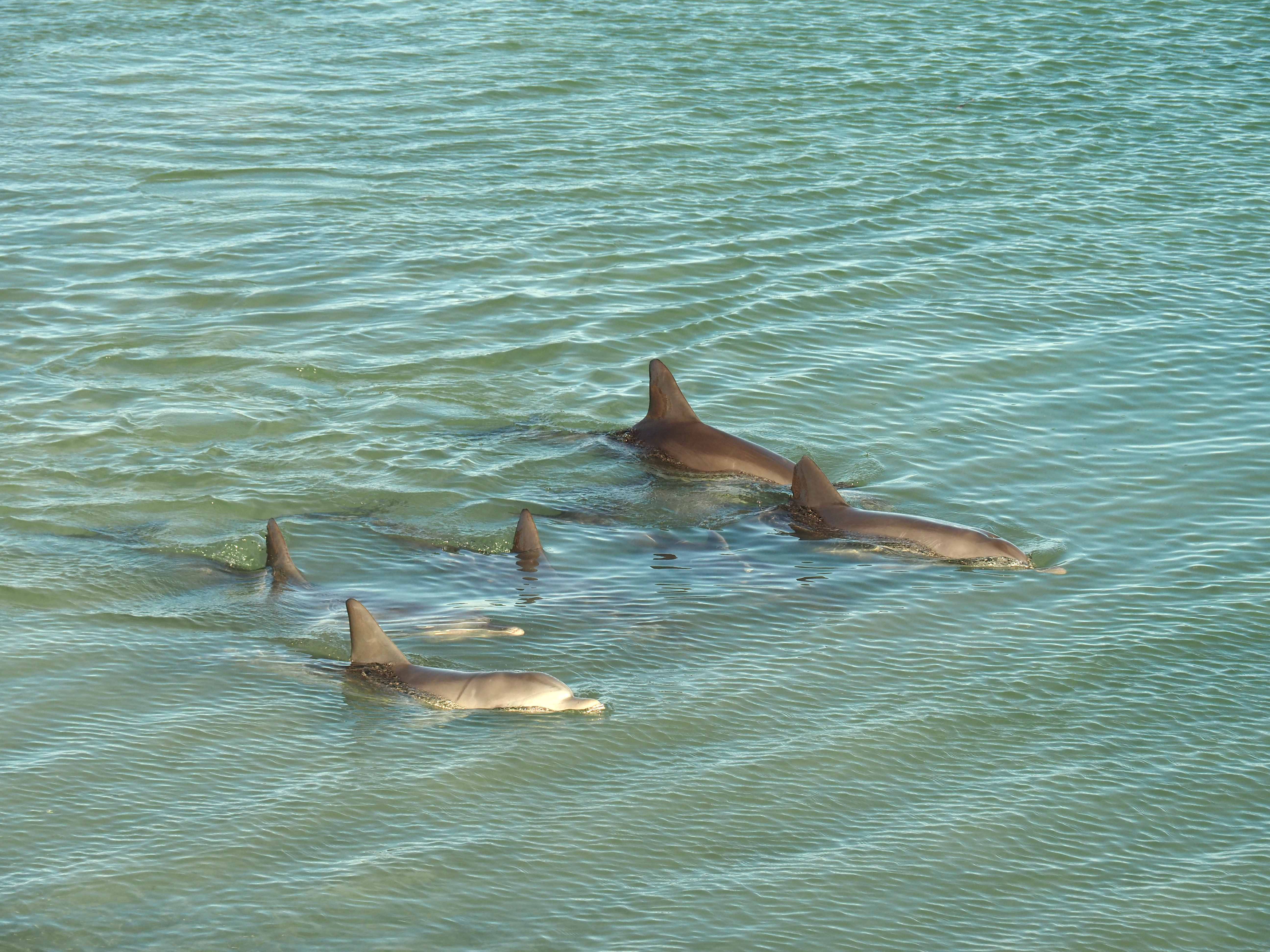
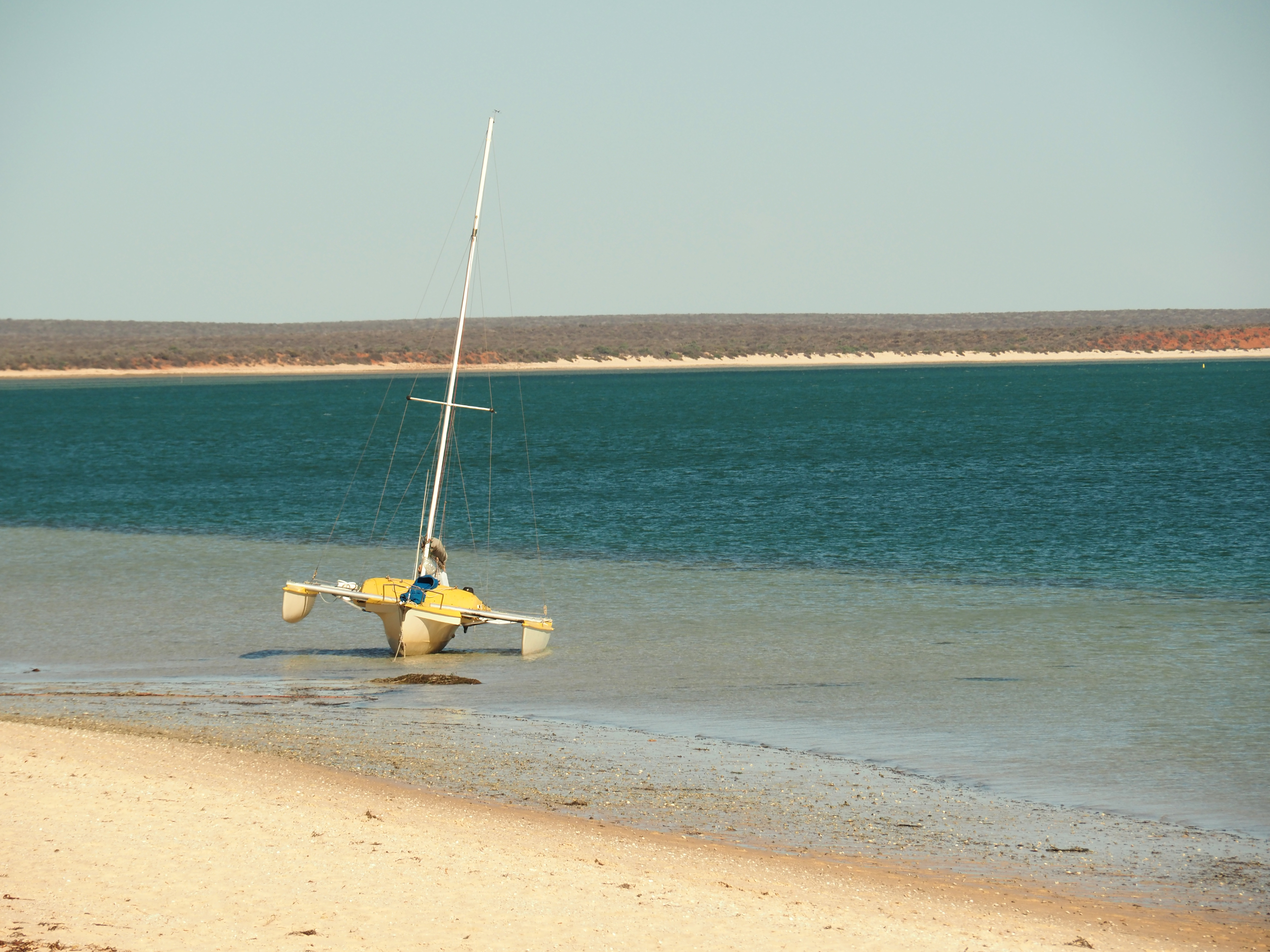


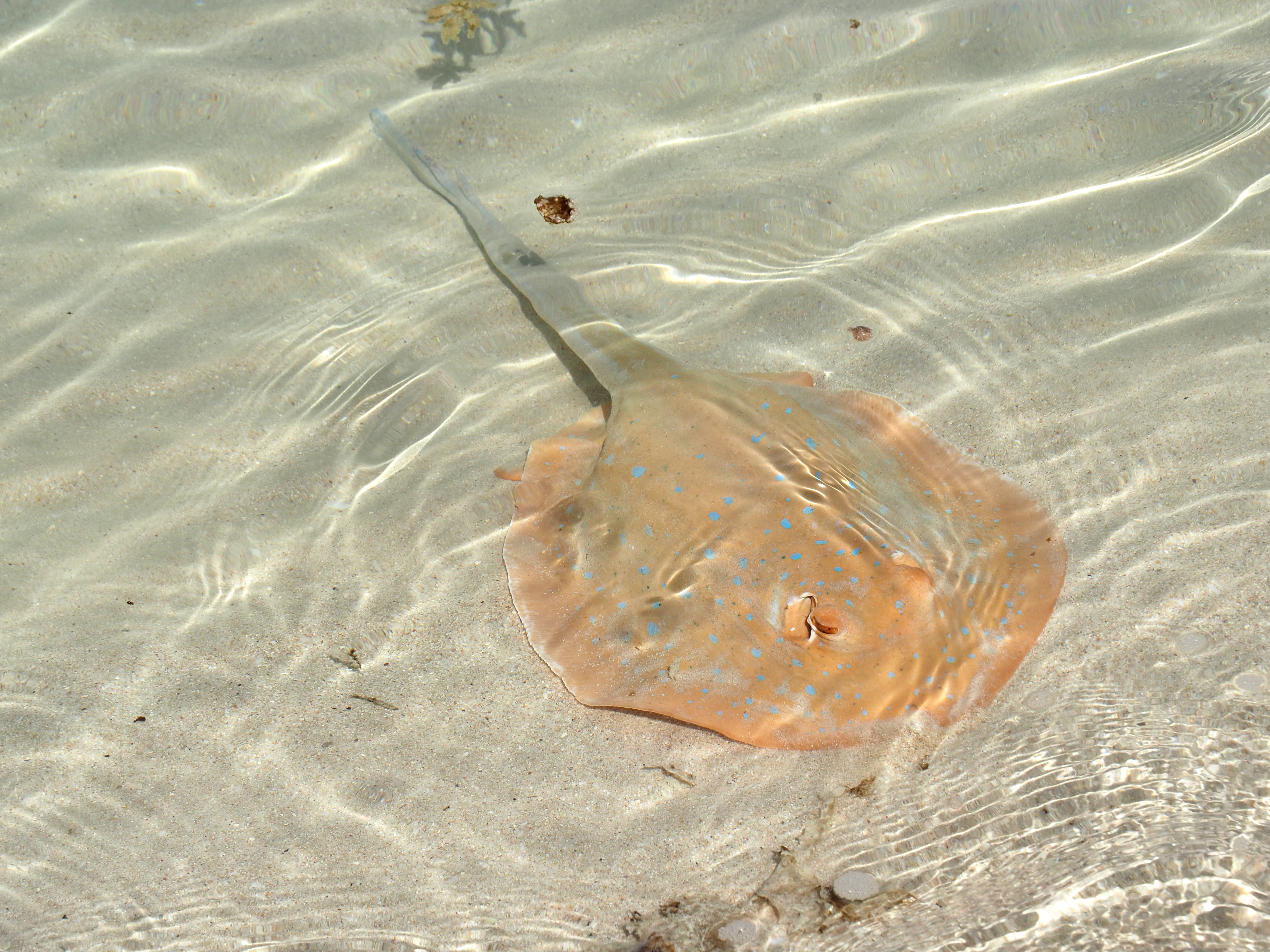
Snorkelling here felt like drifting through a living aquarium just steps from the shore. The ocean water temperature was around 30 degrees Celsius, and going into the ocean felt like stepping into a bathtub.
And again, we were in the wrong season for this part of paradise. The huge caravan parks felt deserted, and our biggest company was the residents’ parrots and emus. Yes, yes, I know I am not supposed to feed them, but how can I not? I think the cockatoos in Australia are like our raccoons, but much more charming.
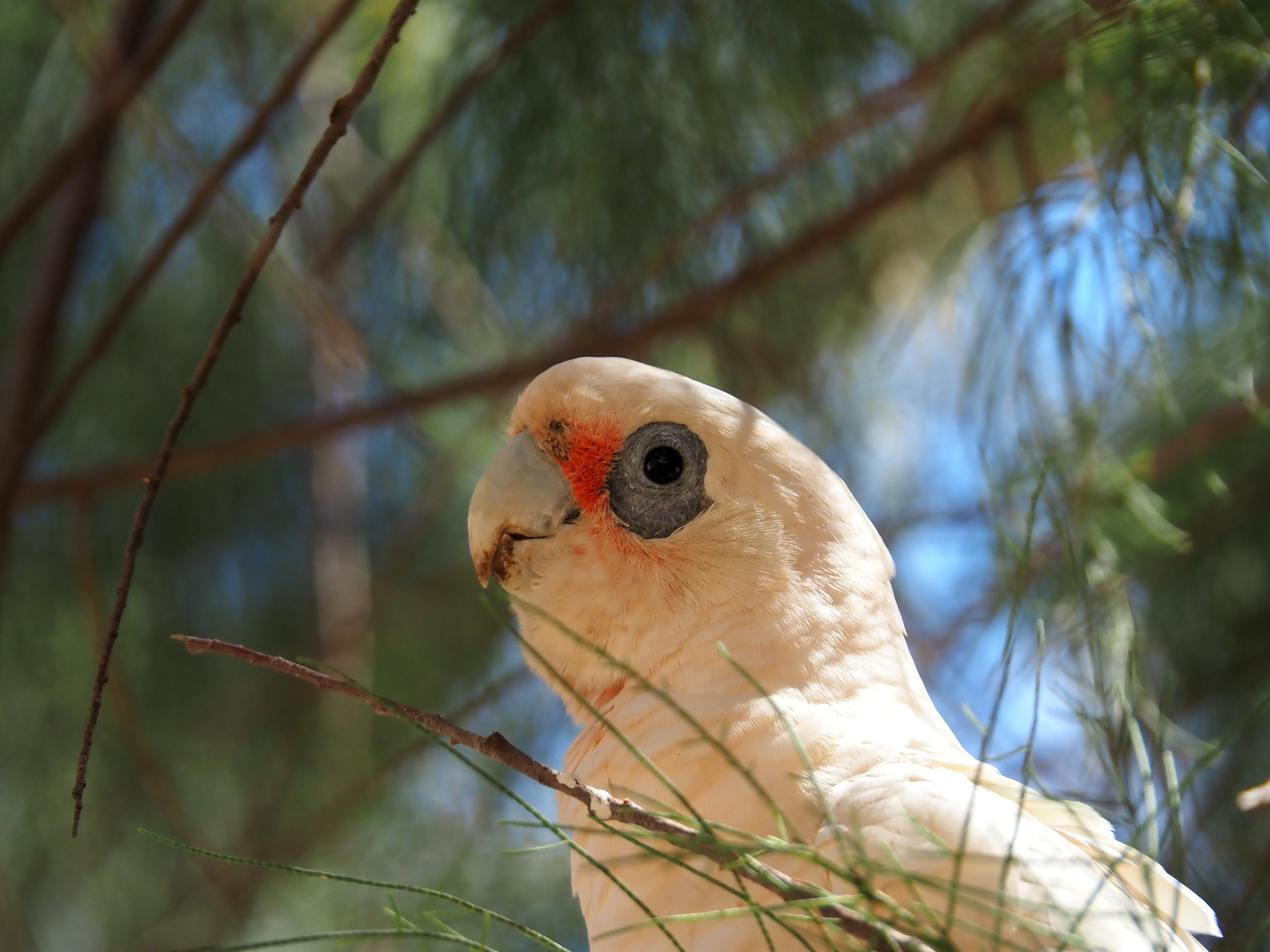

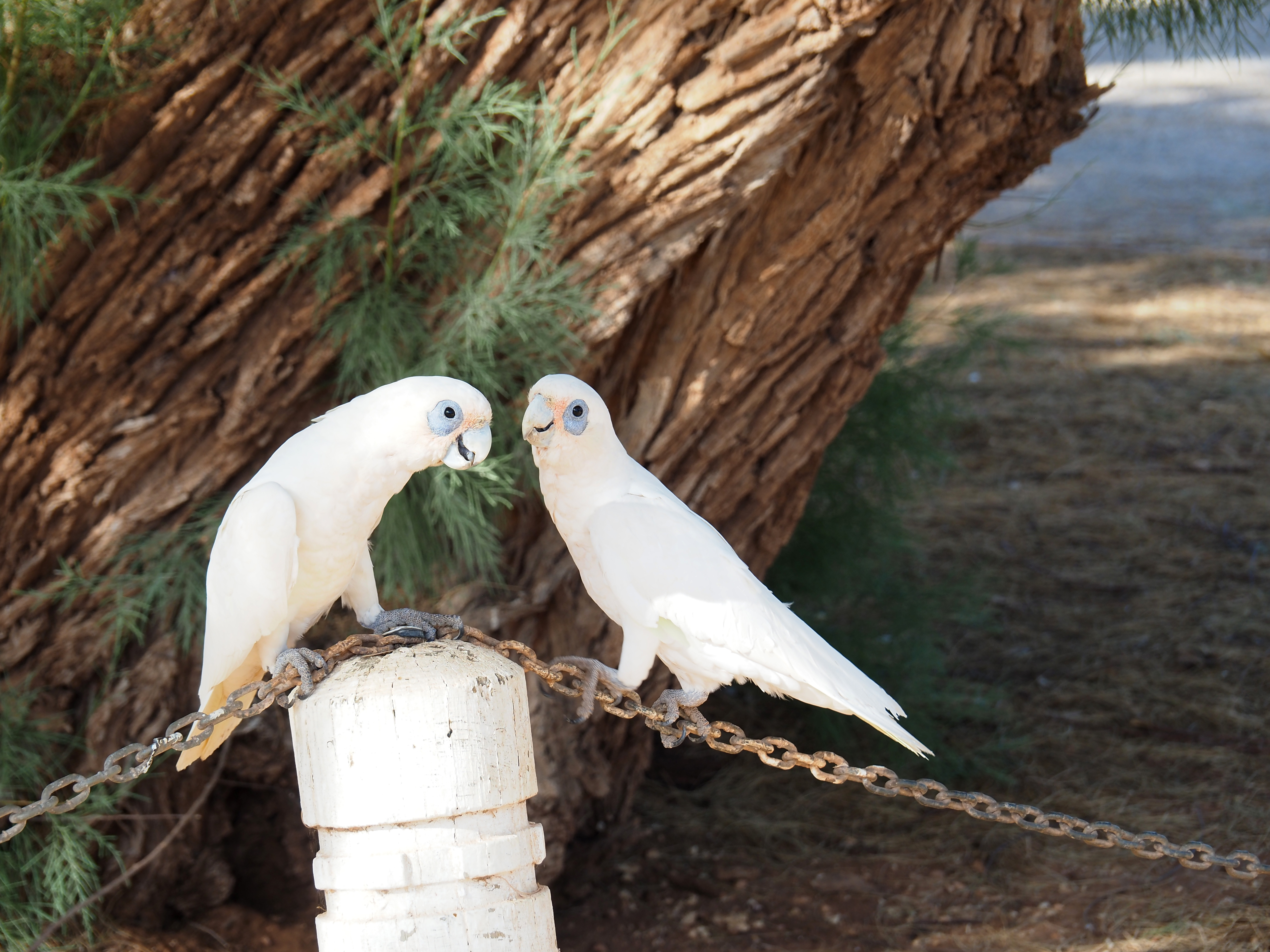
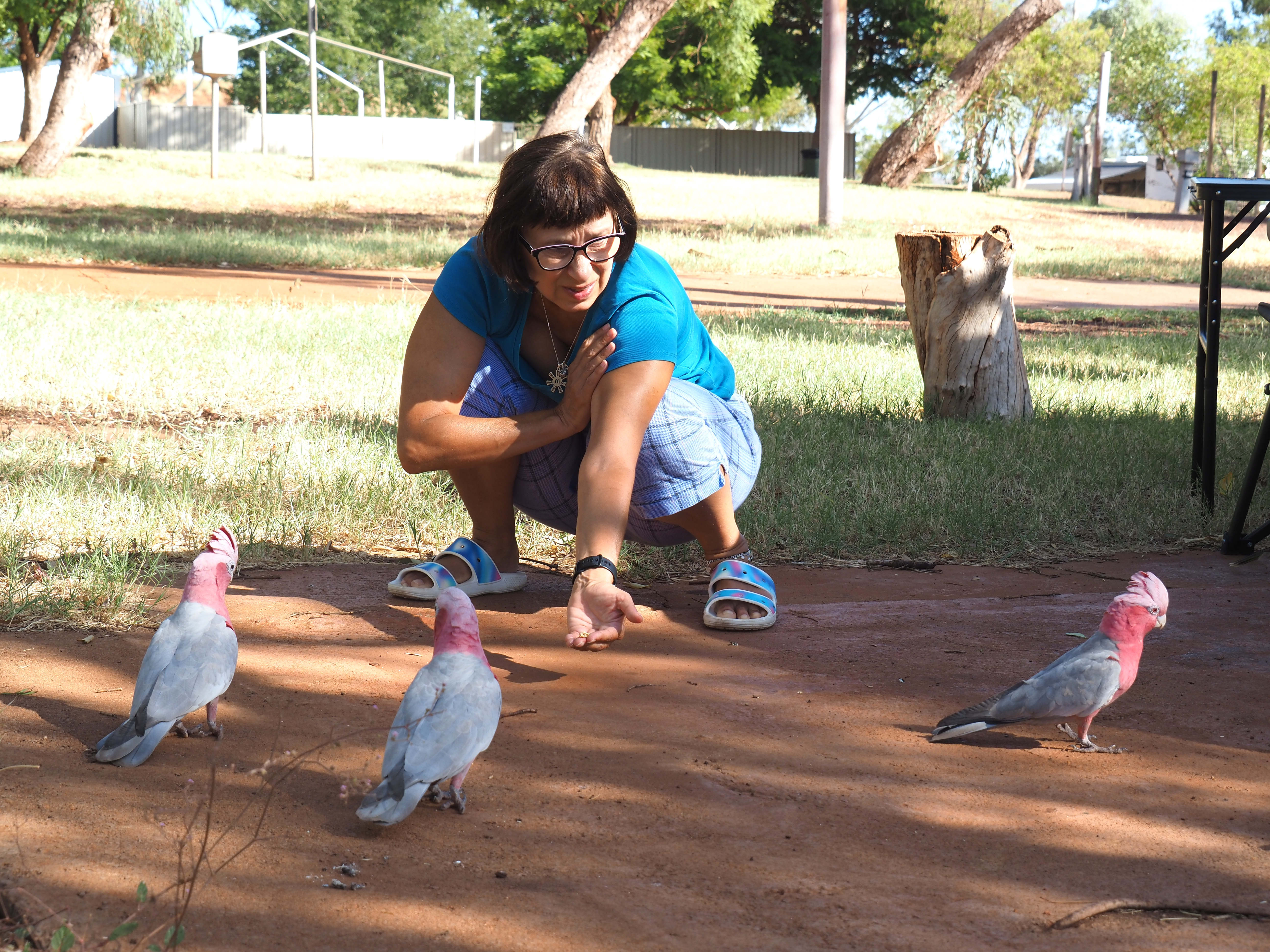
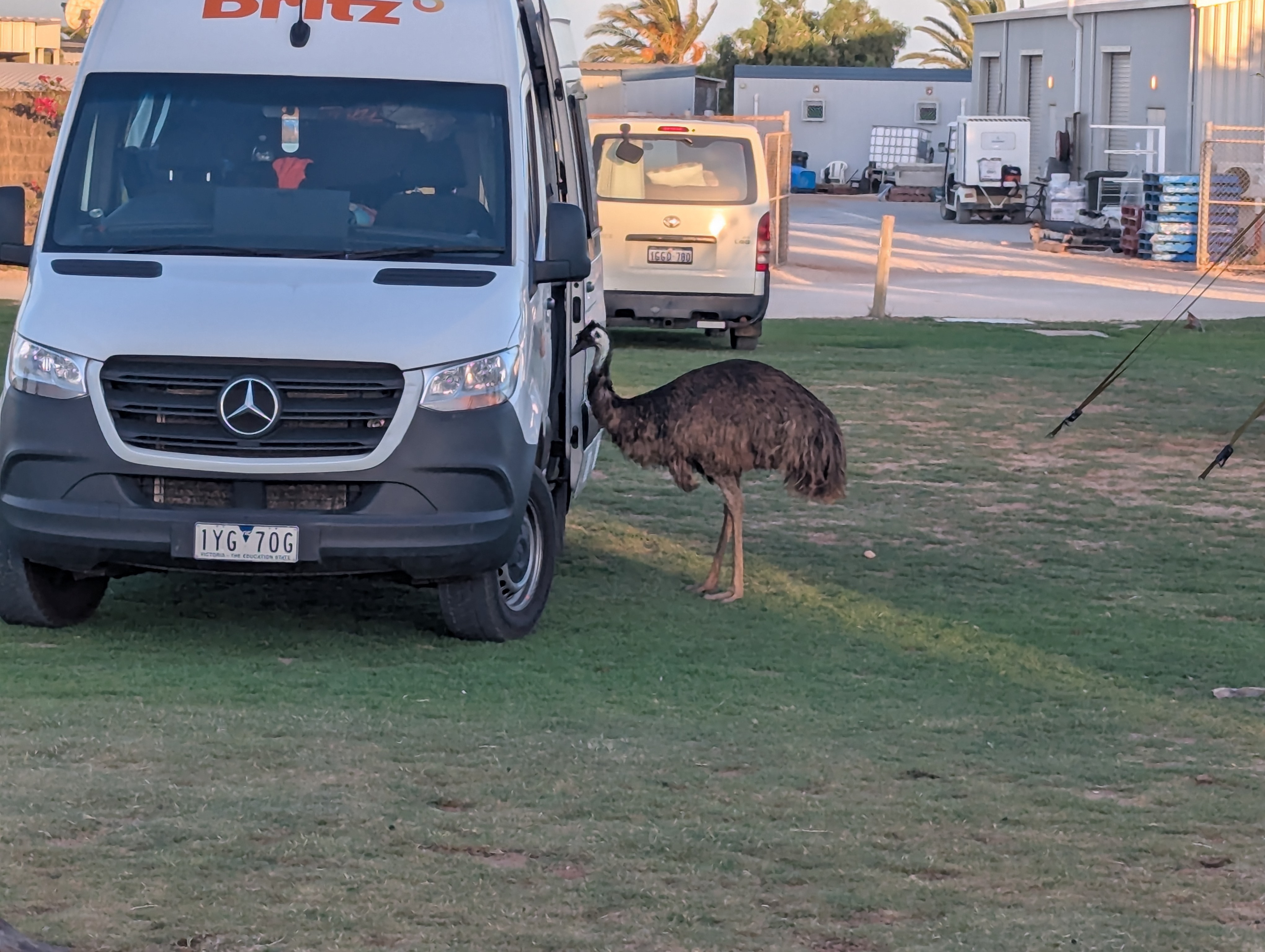
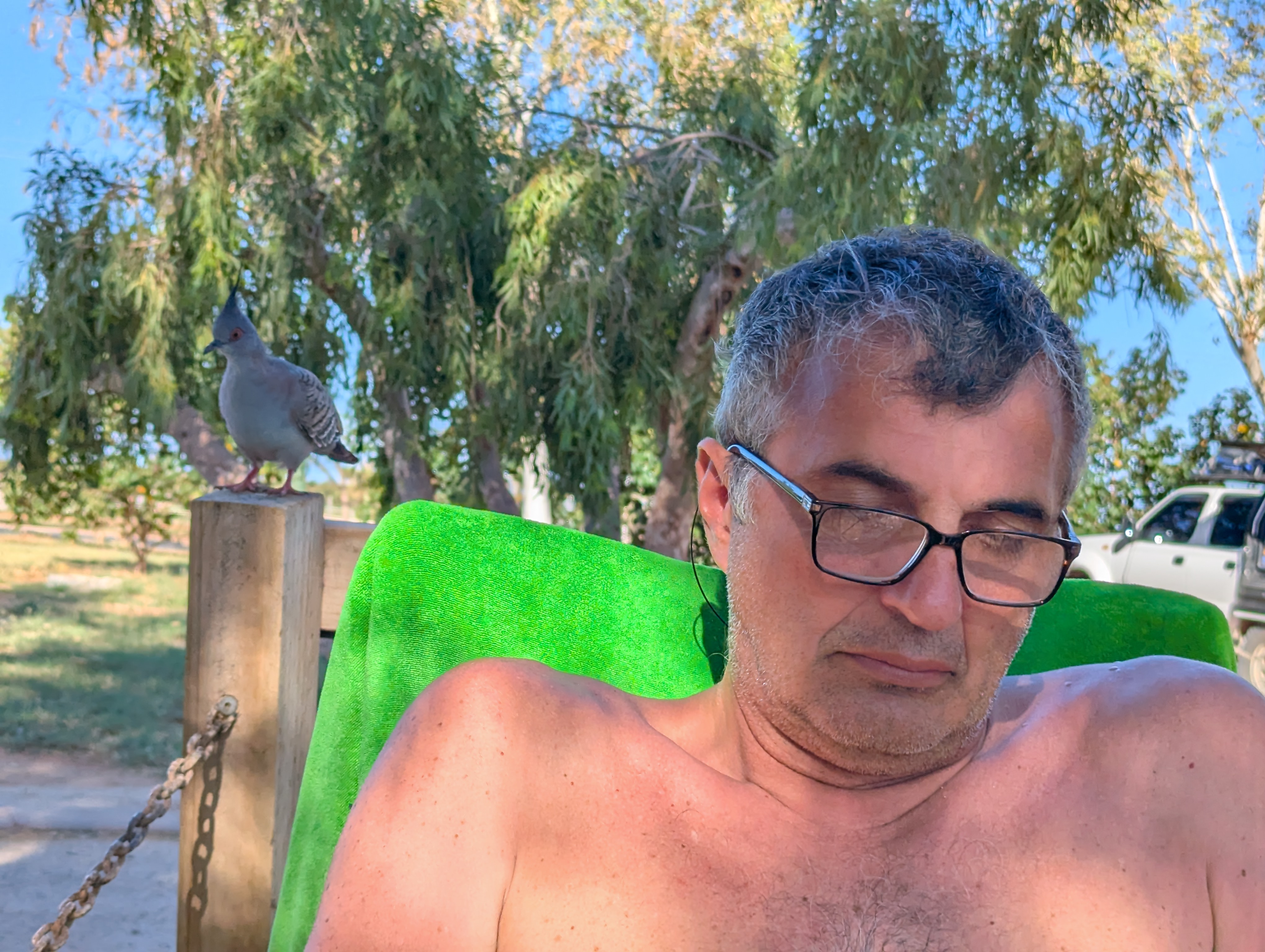
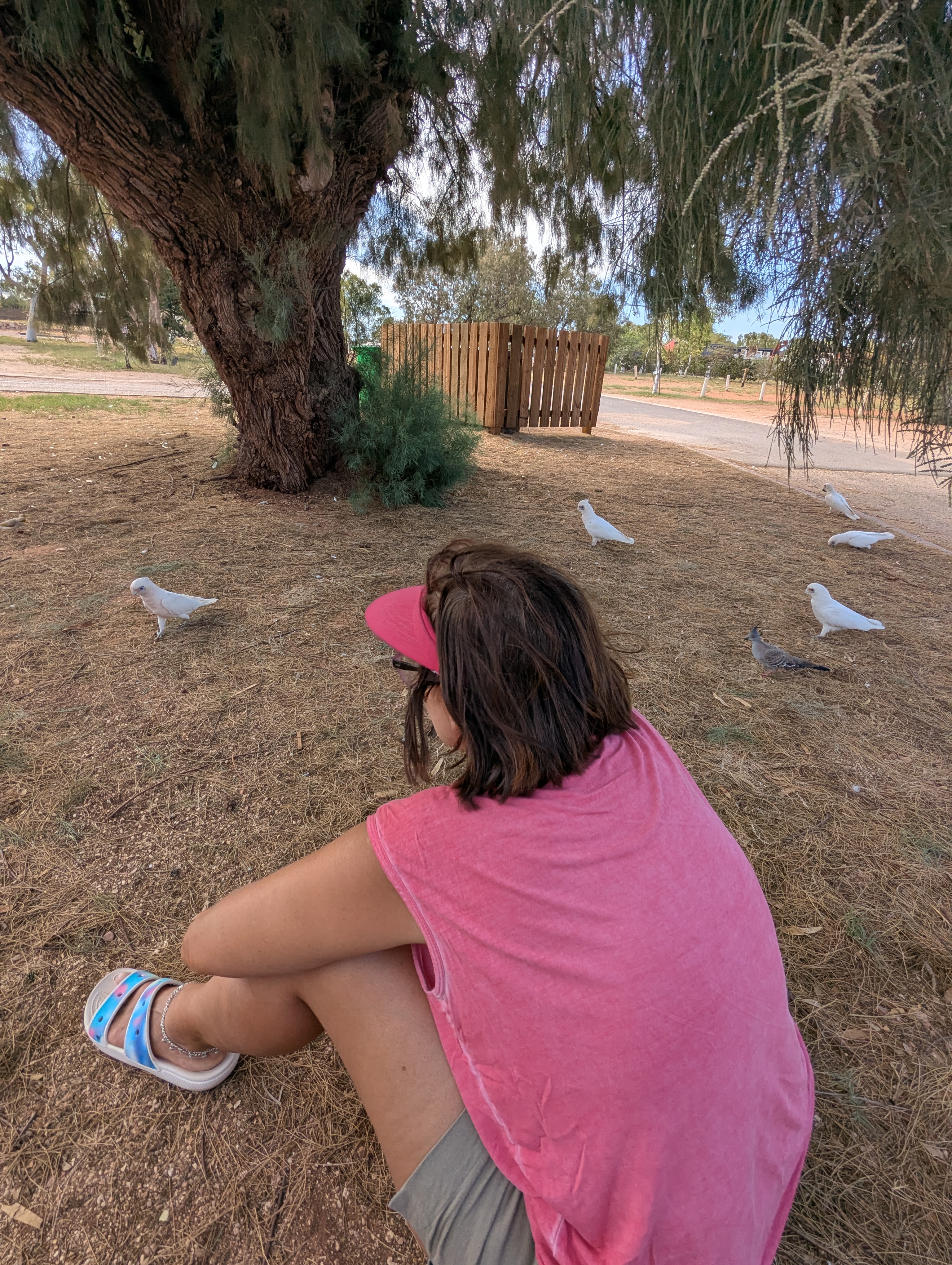
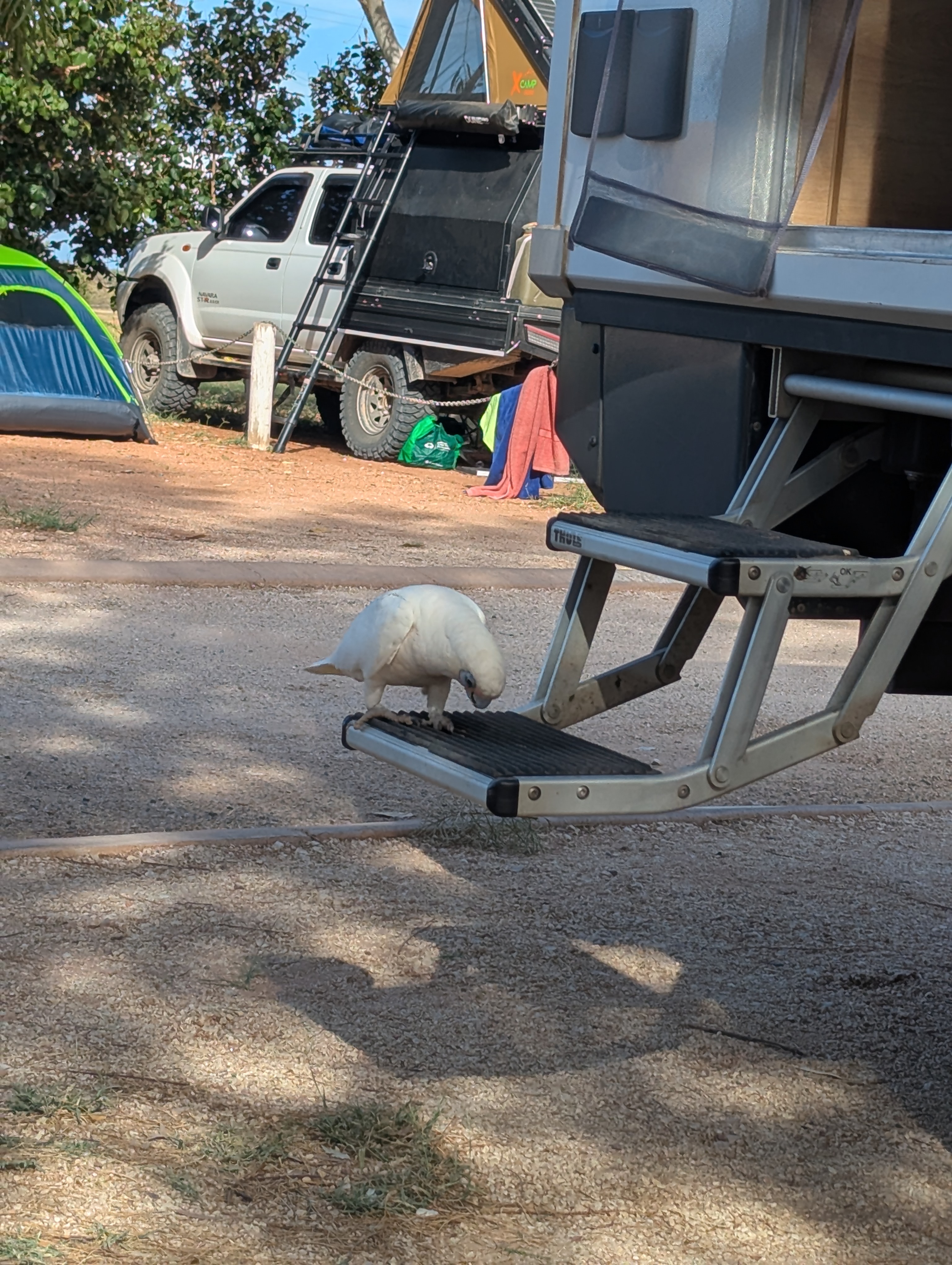


In the campground at Coral Bay, things started to get out of control. On the second day, I counted that I got into the ocean three times, went into the pool twice, and took four showers, without bothering to dry myself. On top of that, in the evening, Ivan becomes feverish with very COVID-like symptoms. If you keep in mind that there are only two other campervans in the whole campground, I am wondering whether he could have been infected by a passing manta ray that came very close. In the small general store, there were no thermometers and a minimal supply of cough and fever medicine, so after two days, Ivan felt a little better, and we decided to continue our journey to Tom Price.
Karinjini National Park was gorgeous, but hiking in 45-degree heat was impossible, so we just took very short walks. It was so hot that even the cockatoos learned how to turn on the water tap and get some coolness on the hottest day.
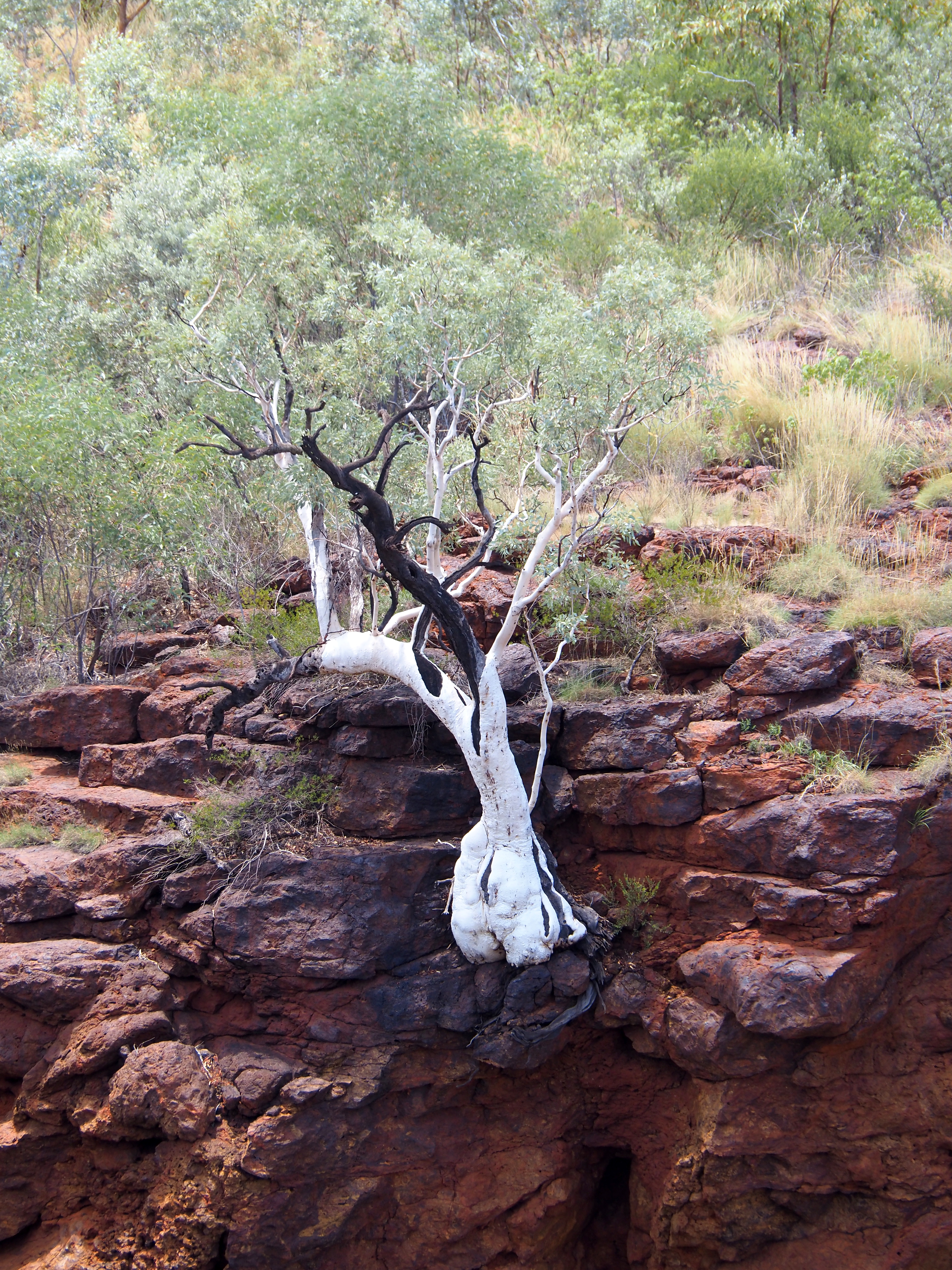

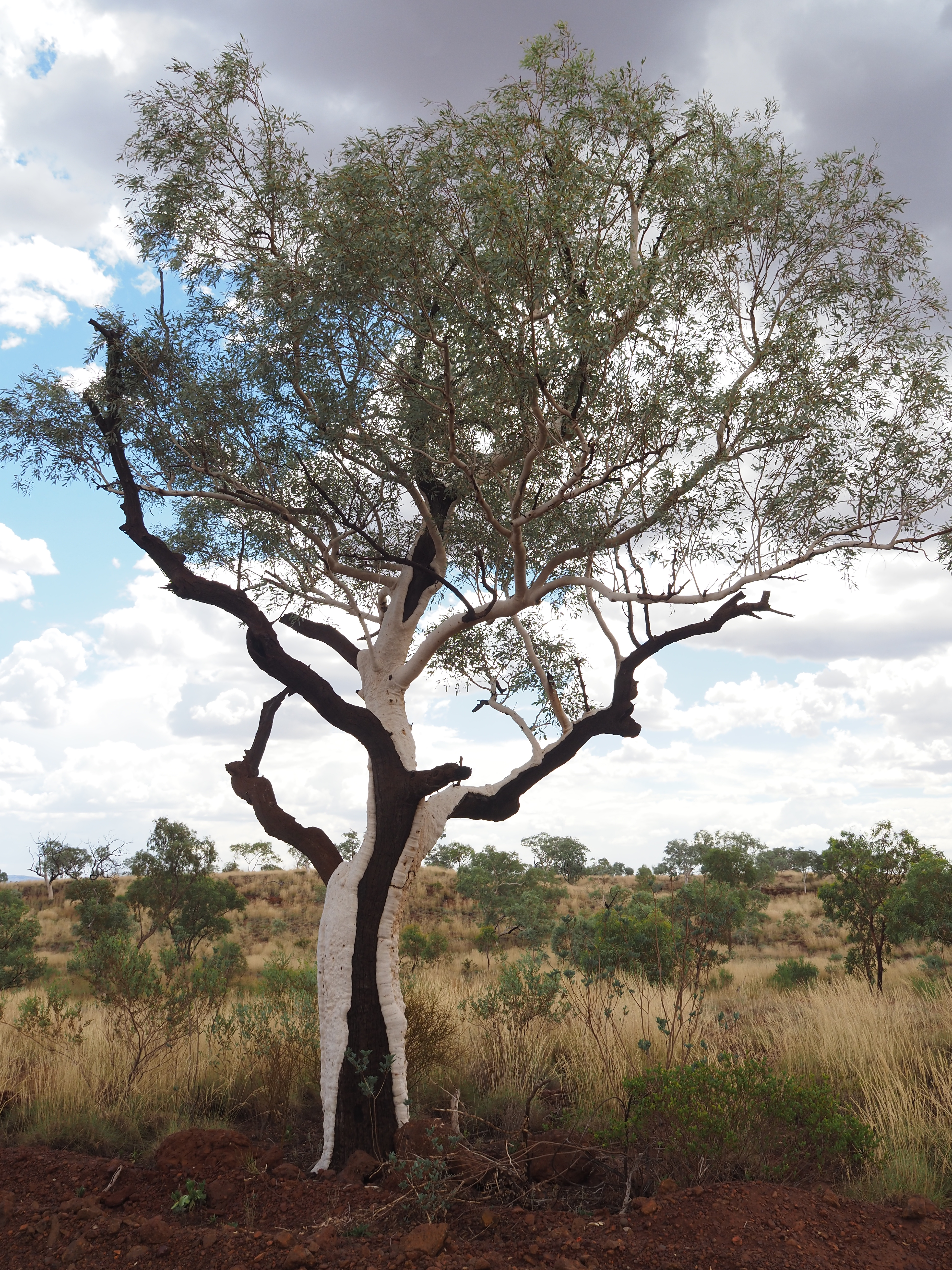

In beautiful Broome, we suffered severe heat exhaustion, and I don’t even have pictures of this city.
Do you know when it is too hot? When your lovely one starts dreaming about snow. It was 46 degrees towards the end of the day. When is the situation critical? When I start singing.
So, somewhere here, on the road of the breathtaking Australian Outback, Ivan said:
“Darling, we cannot continue like that. We need to install an Air Conditioner. “
Ivan:
They say that if you drop a frog in a pot of boiling water, it will jump out instantly. But if you put a frog in а pot with cold water and start warming it up, the poor thing will boil without even thinking to escape. I haven’t done this experiment, but I completely believe it. This is pretty much what happened to us.
The guy who helped us with the customs clearance asked where we were going. When I told him, he shook his head and said we wouldn’t survive there without an air conditioner. Of course we will, I said. We’ve been to much hotter places – the Amazon, Panama, and Death Valley in August. He looked at me with a mix of respect and pity… Ryan, you were entirely correct. This is not the first time we have failed to listen to the locals and paid the price.
Every day, the temperature and humidity climbed slowly but steadily, reaching close to 50 °C with high humidity. One night at 2 AM, I found myself in a lawn chair outside the camper, sweating like a pig, unable to sleep or think about anything except the heat. The temperature was 35 °C with 90% humidity. Enough is enough; it’s time to give up and get an air conditioner.
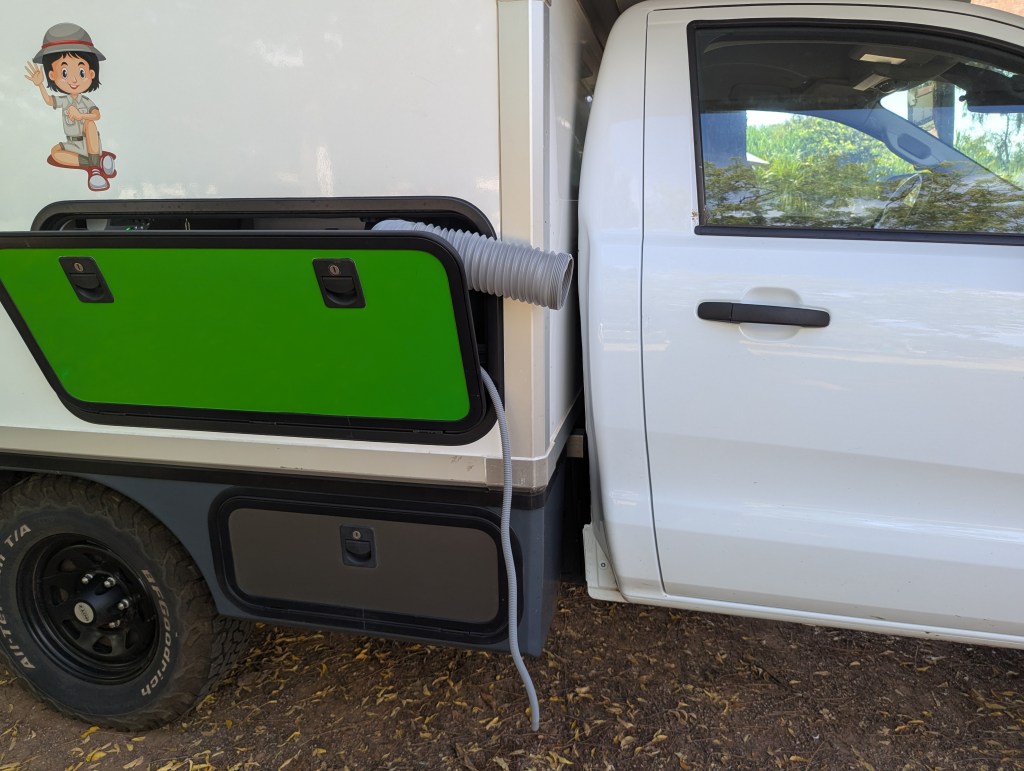
After quick research, I ordered a portable one. It arrived a few days later, and after spending a few hours at the local hardware store, borrowing some tools from the camping maintenance guy, and cutting and drilling holes in La Casita, I had the air conditioner stuck in the storage compartment, blowing nice cool air inside. The only problem was that the storage space door had to be opened for the warm air to escape. This Frankenstein solution worked for a few nights. Until the first rain…
Marinela:
Our trip to Western Australia began beautifully and remained enjoyable, but by the end, it was hot and sweaty. I couldn’t help but think about the next 1,000-kilometre drive to Darwin, where Ivan said that he will be installing an air conditioner. This time, a real one.
To be continued…
 hit the road...