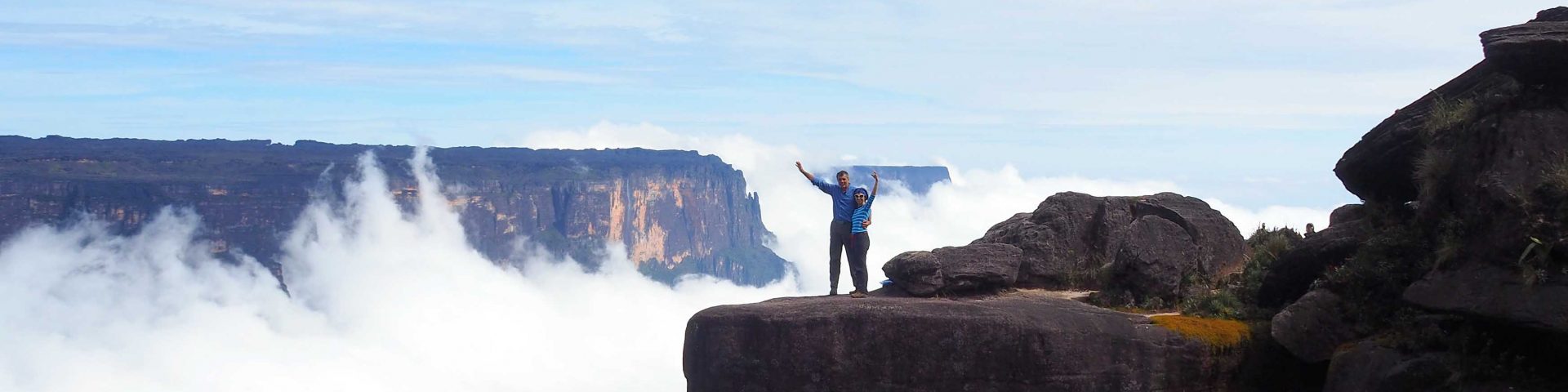
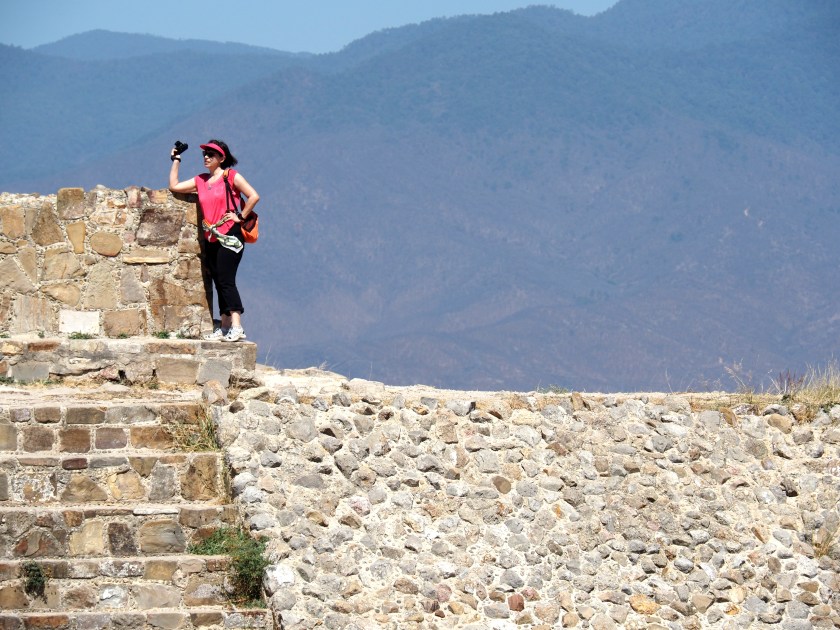
We visited Mexico in 2017 on the last leg of our Pan-American adventure before going home. It was our last frontier on the way home. After a year of travelling through South and Central America, we were exhausted and looking forward to returning home. I figured out that we drove 3,800 km through Mexico in 8 days. We visited as many places as possible in this short time, but Mexico is a vast country with many undiscovered and unseen wonders.
On my birthday in the summer of 2023, we finally got our new camper van – Ferdy the Ant.
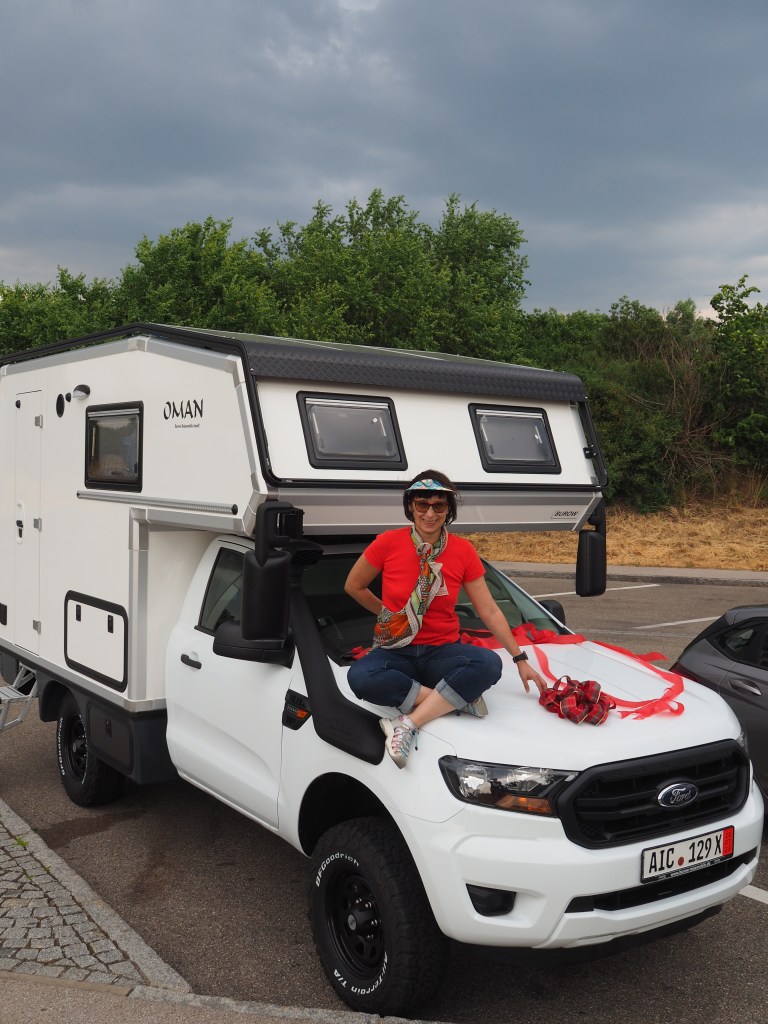
The initial plan was to ship Ferdy to Australia and spend at least a year exploring the last unvisited continent. But… unfortunately, shipping a campervan on a RoRo ship to Australia in post-Covid reality proved to be next to impossible. Facing the prospect of spending one more winter in Canada (don’t get me wrong—winters in Canada can be beautiful, but I’ve had my fair share of them), we decided to ship Ferdy to Mexico.
And just like that, we arrived in Veracruz in the middle of January with our luggage, waiting for Ferdy.
On our very first day in Veracruz, we experienced some temperature and cultural shocks. It was fascinating to go from a month spent in Zurich, Switzerland, to Mexico and from minus 15 degrees Celsius to +30.
We had to remove the gas bottles when we shipped Ferdy the Ant from Antwerp in December. When we got off the plane and checked in at the hotel, my loved one said:
‘We have to go right away to the stores and try to find a small gas bottle.’
‘But darling, it is raining today, the only rainy day in a week. Let’s leave it for tomorrow.’
‘Tomorrow, the camper will be here. We have to go to the customs and the bank, and the day after we leave. You will need this gas bottle at least to make your coffee in the morning.’
Coffee in the morning is an argument you don’t disagree with, so rain or shine – we went right away to the streets of Veracruz looking for a gas bottle.
Ivan was so happy when we arrived at Home Depot, as depicted in the picture. With my Spanish help 😊 he found a 5-litre gas bottle.
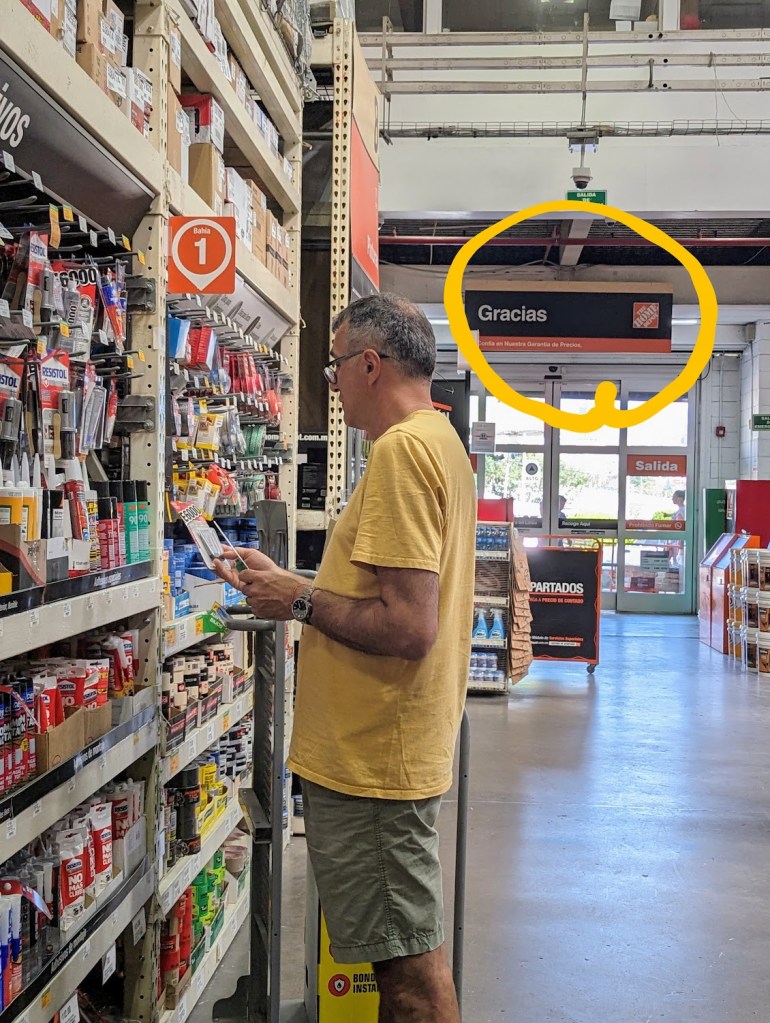
According to him, it would fit into the camper’s gas compartment. So, hugging the gas bottle, we went to the hotel, expecting to spend there only a day or two before our adventures started.
Well, not quite. Three days later, the camper was still shaking on the boat, and we were on each other’s nerves in the small hotel room. Given the very real possibility of one of us killing the other (guess who!), we decided to rent an Airbnb for three more days.
I could never have guessed how hard life is for a backpacker. We didn’t rent a car in Veracruz; we were waiting for our camper. Moving from one hotel to an apartment with two backpacks, a suitcase, two duffel bags… and a gas canister wasn’t easy logistically, but somehow we did it.
The day we moved, the customs inspection was finally scheduled. With it came the first unpleasant surprise—someone broke into Ferdy at the Ro-Ro boat’s stop in Jamaica, and we had to wait longer for customs to release it.
After three days, we had to vacate the Airbnb place and move to the next hotel.
You know how: 1 suitcase, two backpacks, two duffel bags, aaaand … the gas bottle.
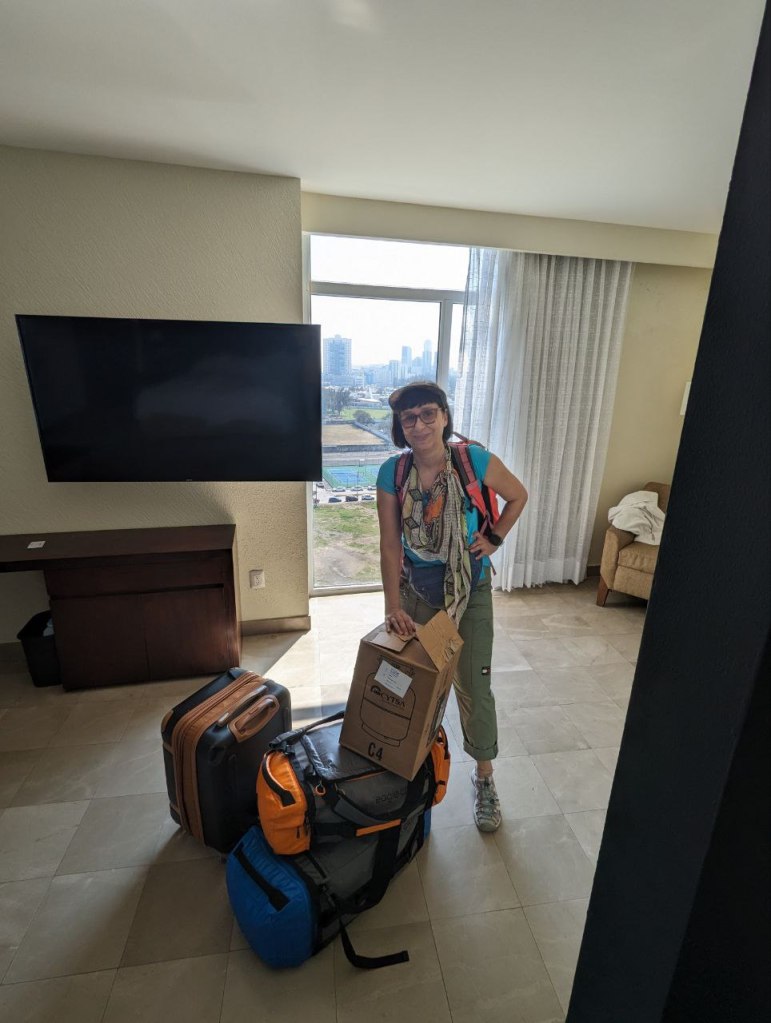
This time, we stayed at the Marriott. Ivan still has some points left, and as a platinum member, he got an apartment.
So far, so good. We extended our stay day by day and continued waiting for customs to do their job. After a week, it turned out that there was some kind of event at the hotel, and we had to move again. I won’t repeat myself, but you know the ropes…. and the gas bottle.
Finally, after two weeks in the boring port city of Veracruz, we managed to get the camper. For a day, we were extremely busy looking for a locksmith to fix the broken locks; it turned out the robbers in Jamaica stole all my forks, spoons, plates, my unique camper pots, and most of my clothes. This day and the next few days, the word we used the most was the “F” word, followed by some other adjectives.
We found a person who was able to convert the European gas system to the Mexican standard, and… guess what – the gas bottle we carried around with so much love did not fit in the place where it was supposed to fit. Somehow, through the whole madhouse, I managed to hurt my back, but after a day, we were on our way with our little house – Ferdy, the Ant.

Although our Mexico adventure started on the wrong foot, I was determined to see most of the places I’d planned to. My “Mexico travel map” was covered with many, many dots, most of which were archeological sites.
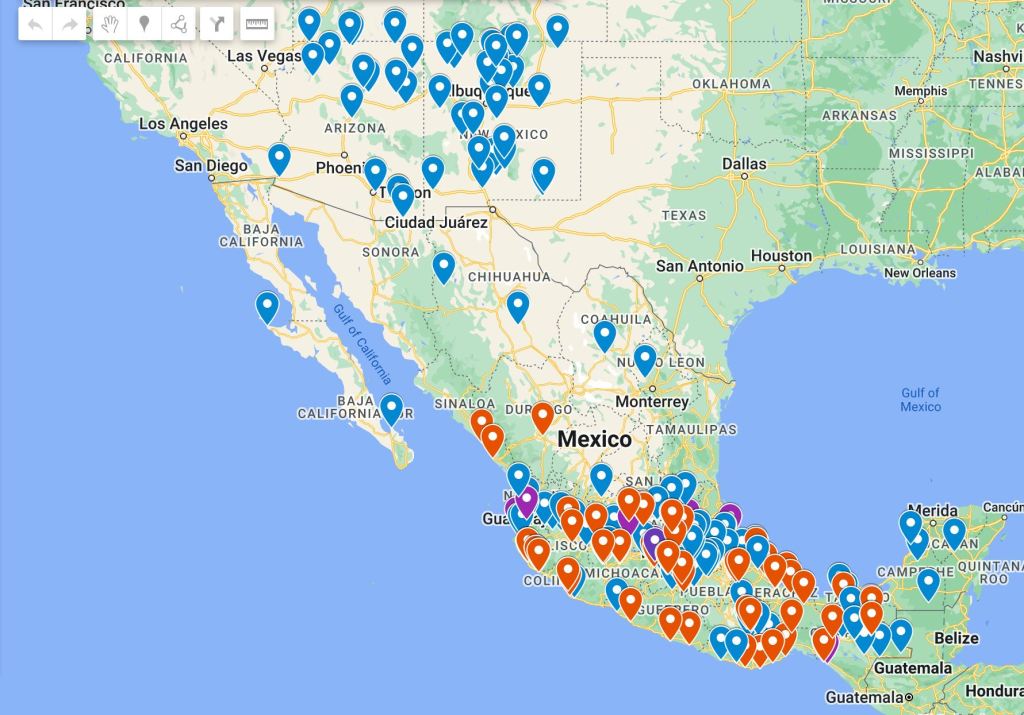
When we were in Mexico during our Pan-American trip, we mainly visited the Mayan sites in Yucatan. But the country’s central and northern parts are very rich in history, so I jump at the opportunity to see as many archeological sites as possible.
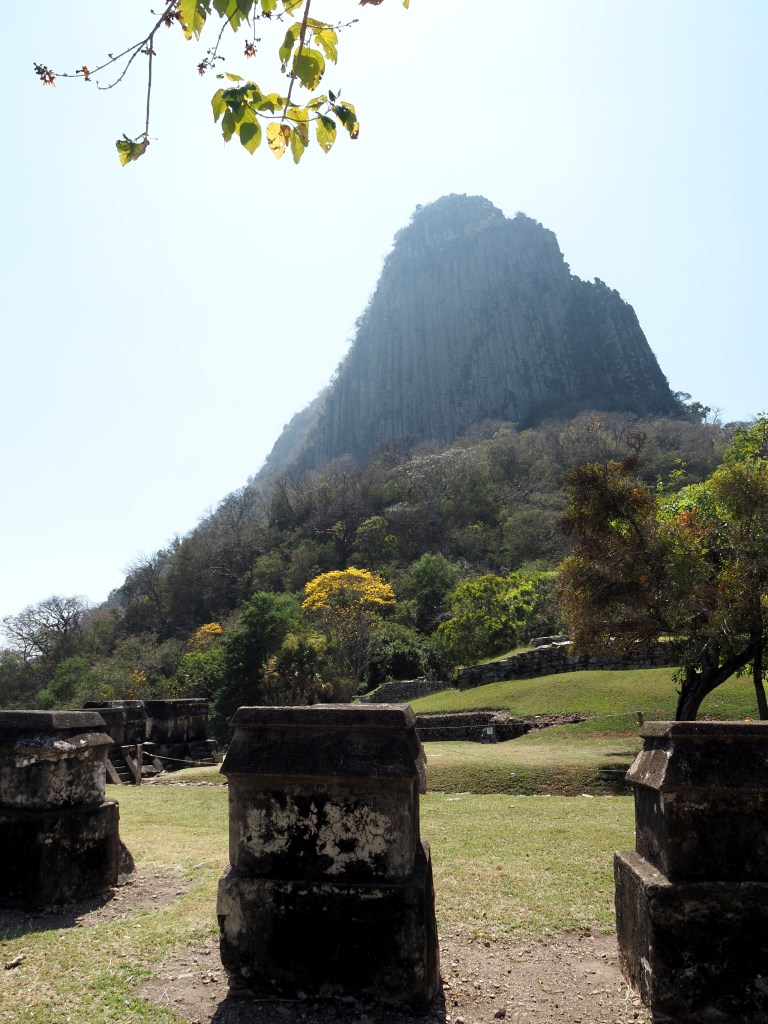
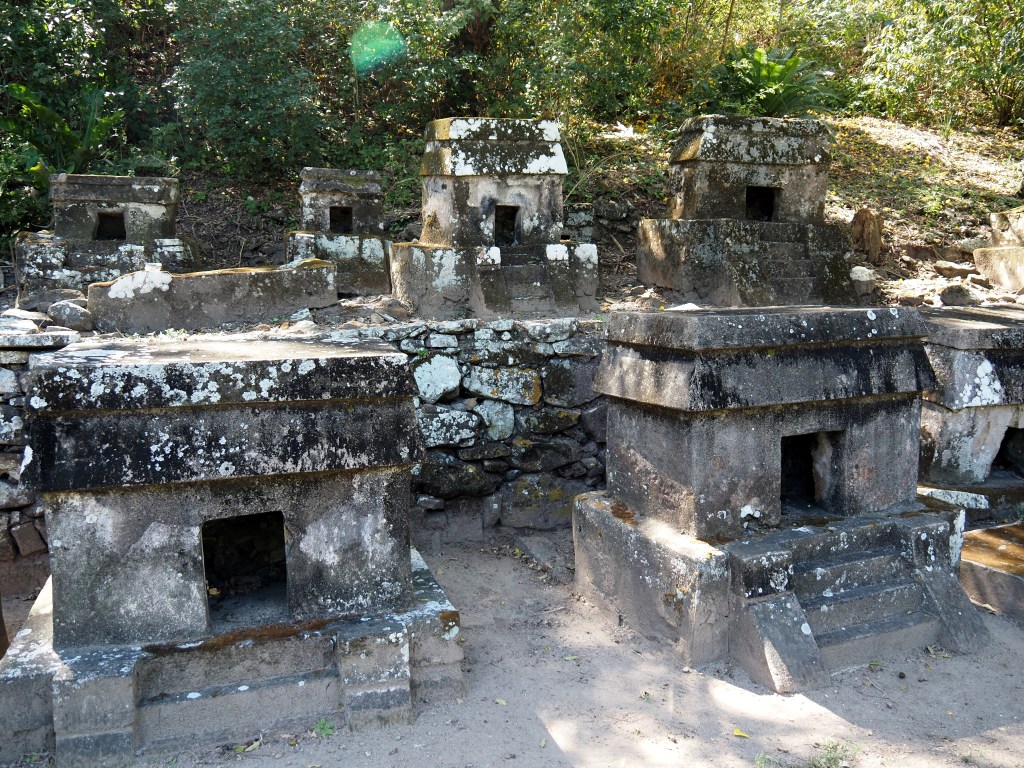
Quiahuiztlán
This place is one of the not-so-many sites left by the Totonac people. They are indigenous people of Mexico unrelated to the principal indigenous groups – the Mayans and Aztecs. It was a relatively large city back in pre-Hispanic times, but now what is left are three cemeteries and a few pyramids. Somehow, the place reminds me of a miniature version of Machu Pichu with the Cerro de los Metates as a background.
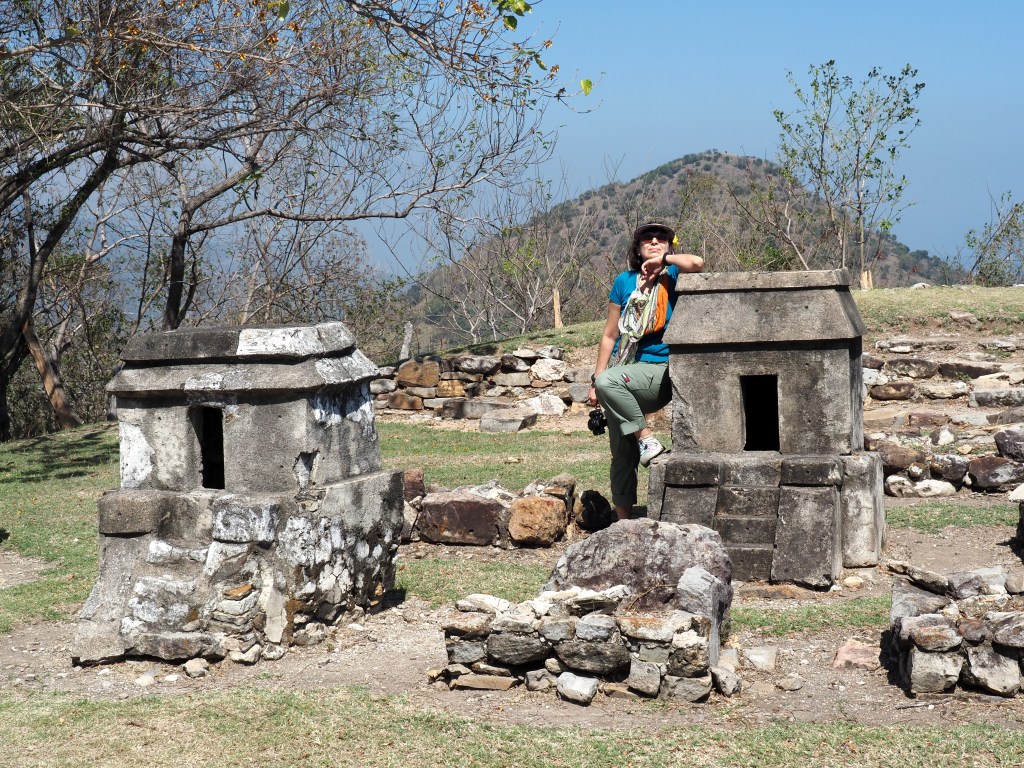
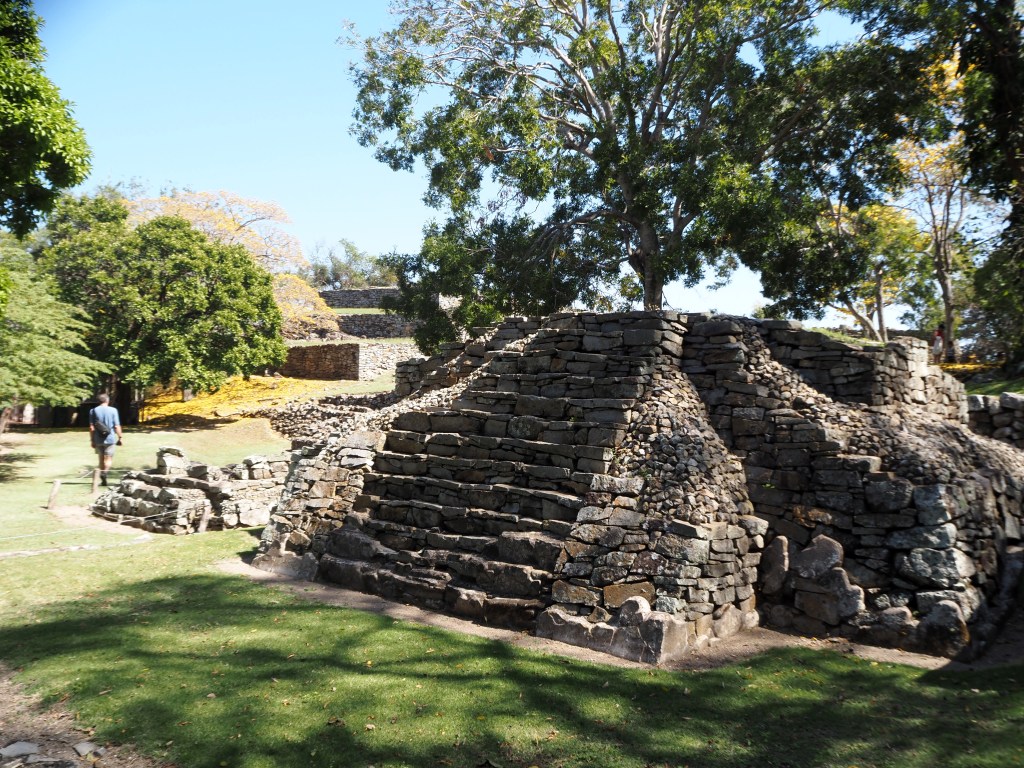
Casa de Cortés in La Antigua
One of our first stops, very close to Veracruz, is one of the first buildings built by the Spaniards in Mexico. Antiqua was founded in 1519 and was one of the first European cities in Mexico.
It is unknown whether this was Cortes’s house, although the locals on the main square tried to persuade us and even showed us the room where Hernan Cortes lived or the first customs building on the continent.
It doesn’t matter, I think. It still looks almost magical with the overgrown trees and pieces of coral in the plaster.


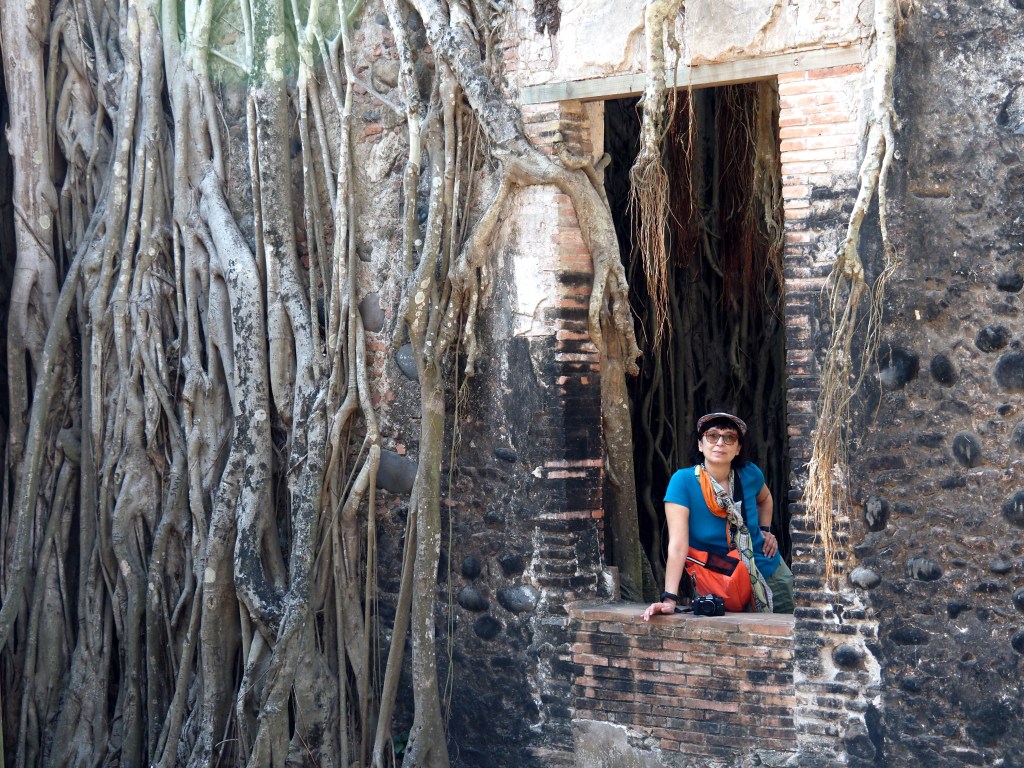
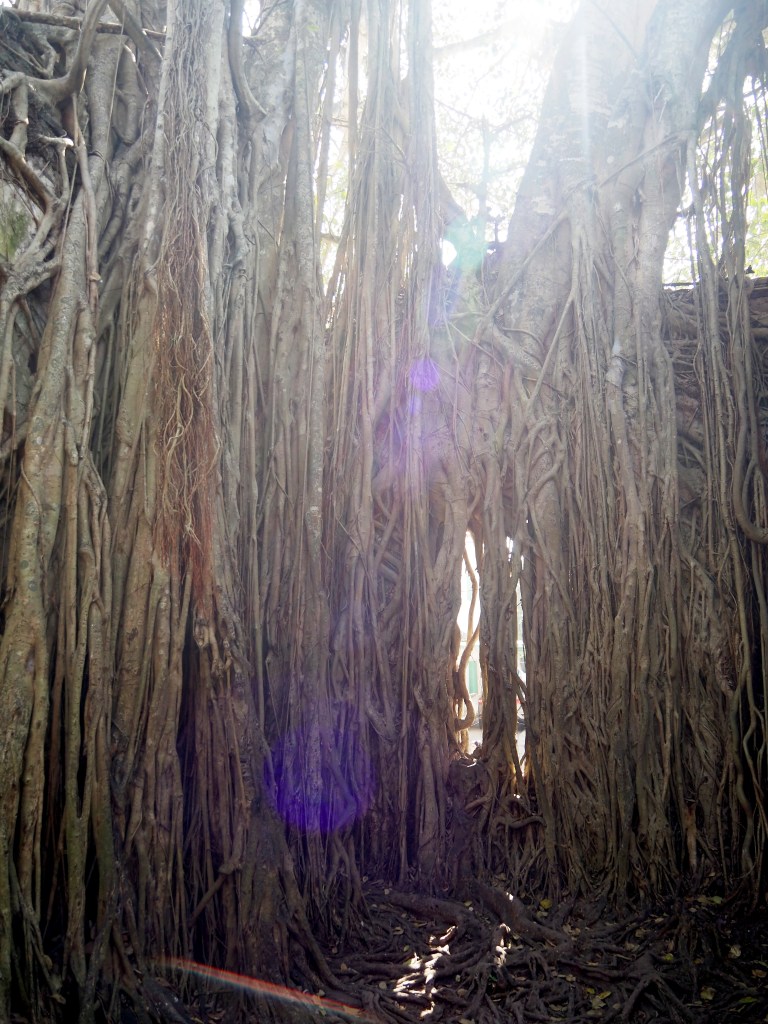

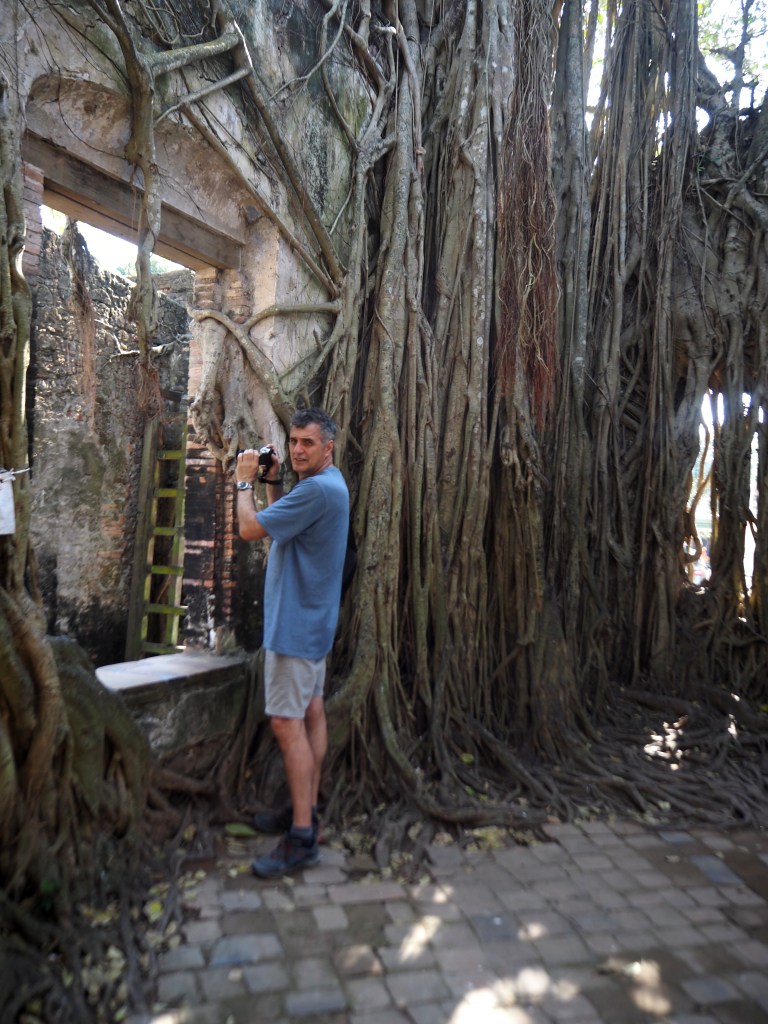
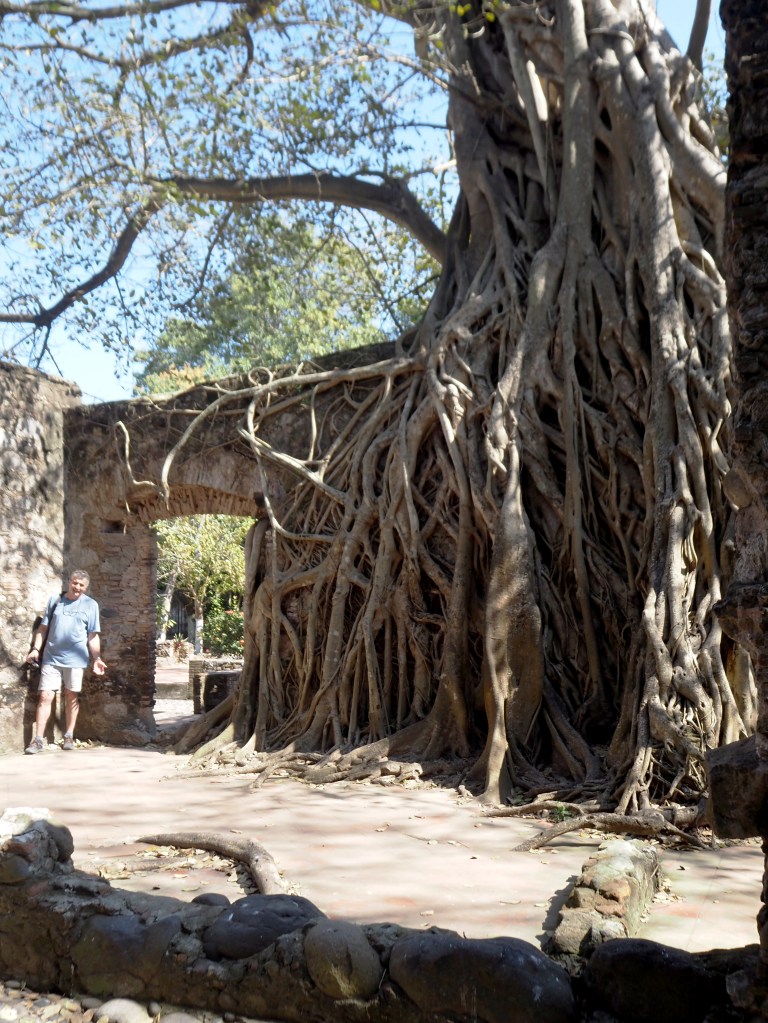

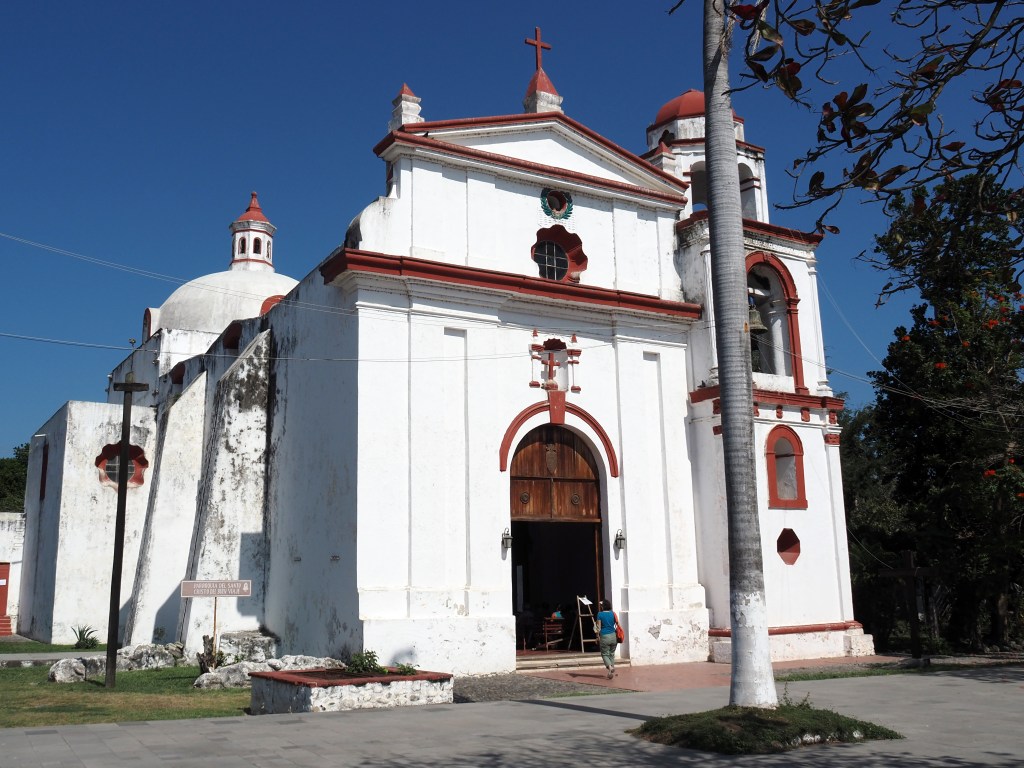


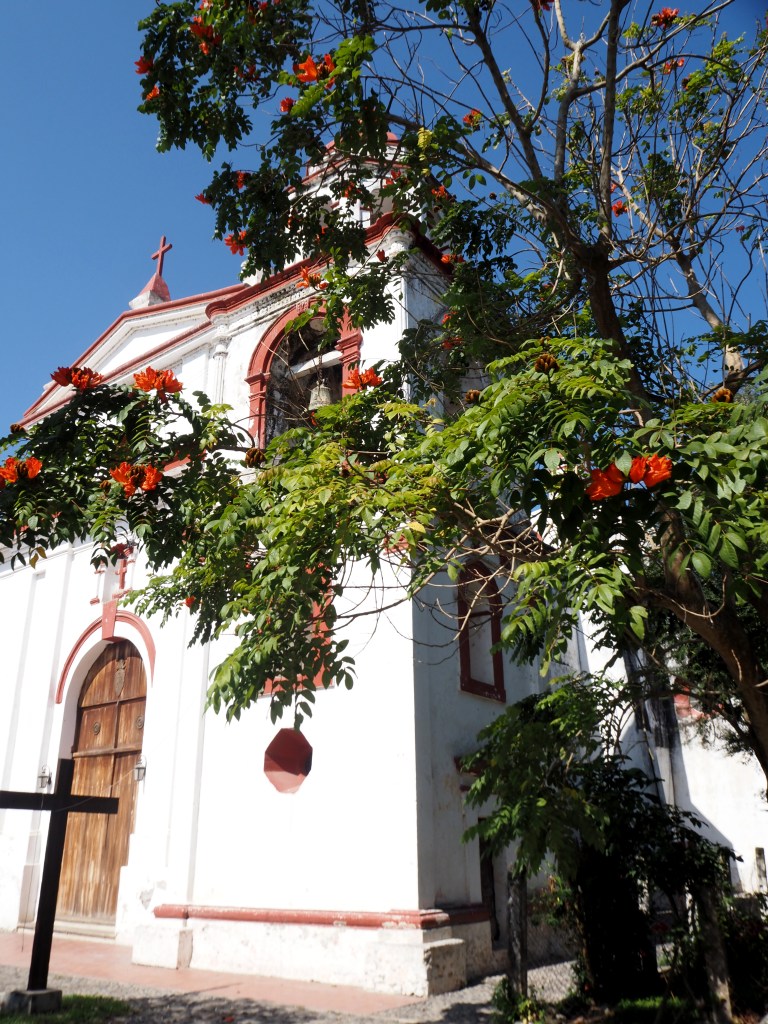
Next to it, one of the first churches built by the Spanish in America has been restored.
The mystery of Monte Alban.
When we reached Oaxaca, I was eager to visit one of Mesoamerica’s enigmatic and most influential cities: Monte Alban. For more than 1,000 years, the city was a powerful center of the Zapotec civilization before being mysteriously abandoned in the 8th century AD.
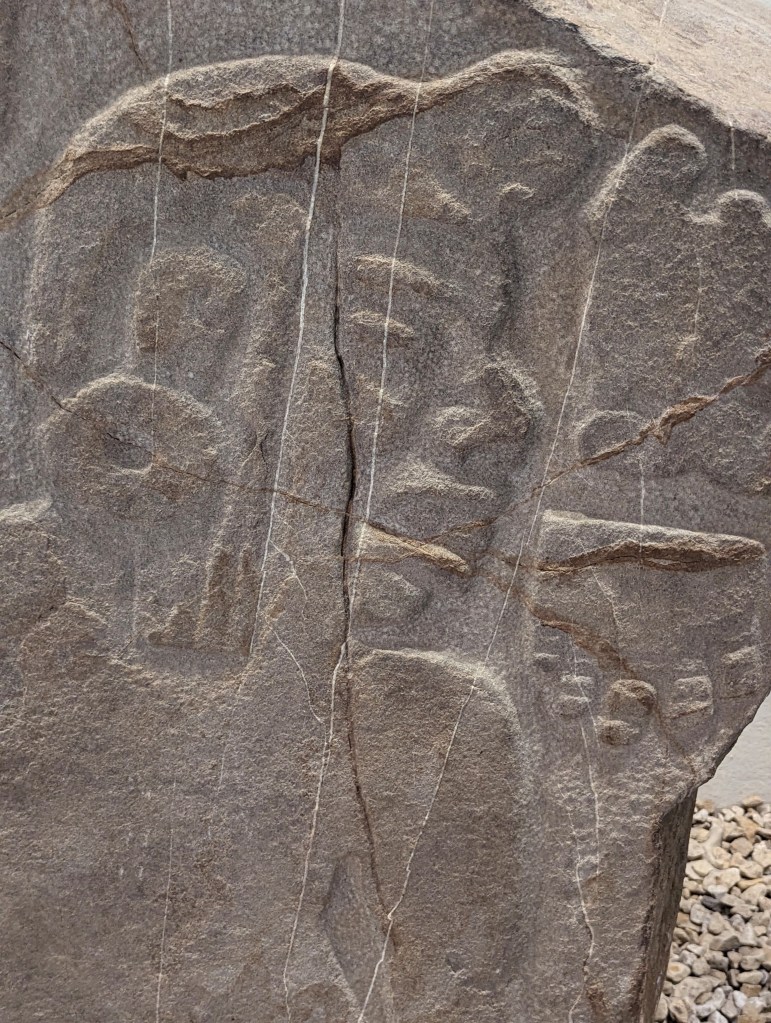
One of the legends says that Monte Alban was built around 500 BC by the remains of Olmec people running away from the coastal regions around Veracruz from a mysterious epidemic. The theory is supported by 300 Olmec-style images, known as Danzantes (or the Dancers). The Danzantes are a set of intriguing reliefs featuring strange, morbid, rubbery characters that appear diseased and deformed. The truth probably never would be known, but flattening a 6 sq km hill is enormous work.


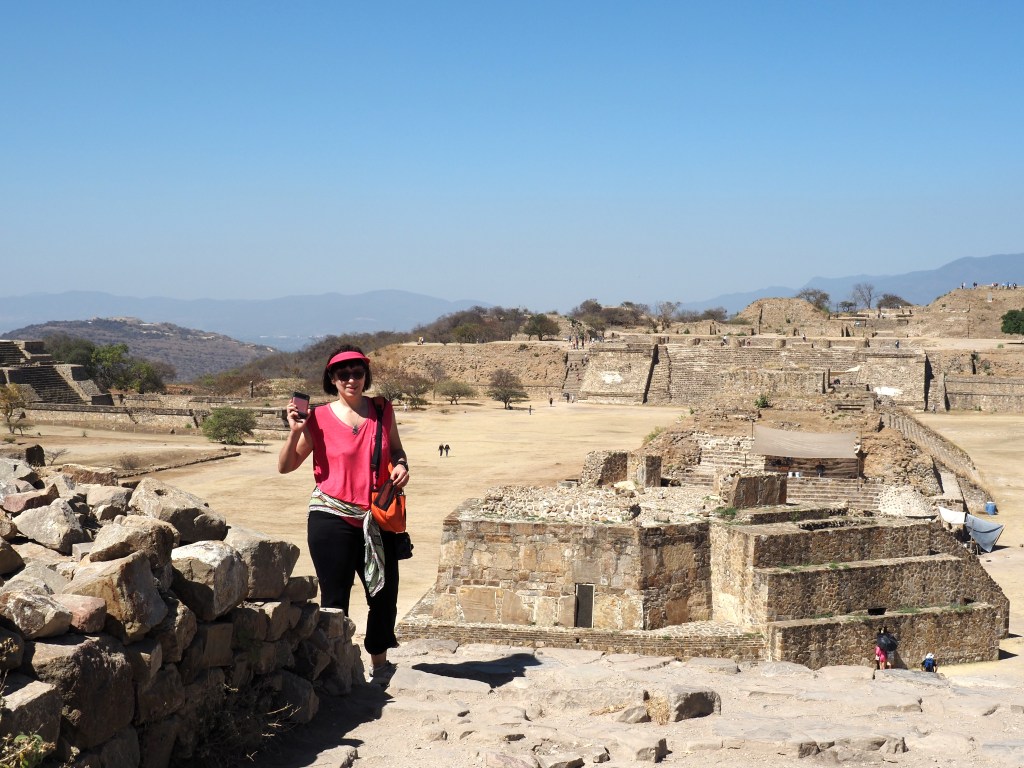

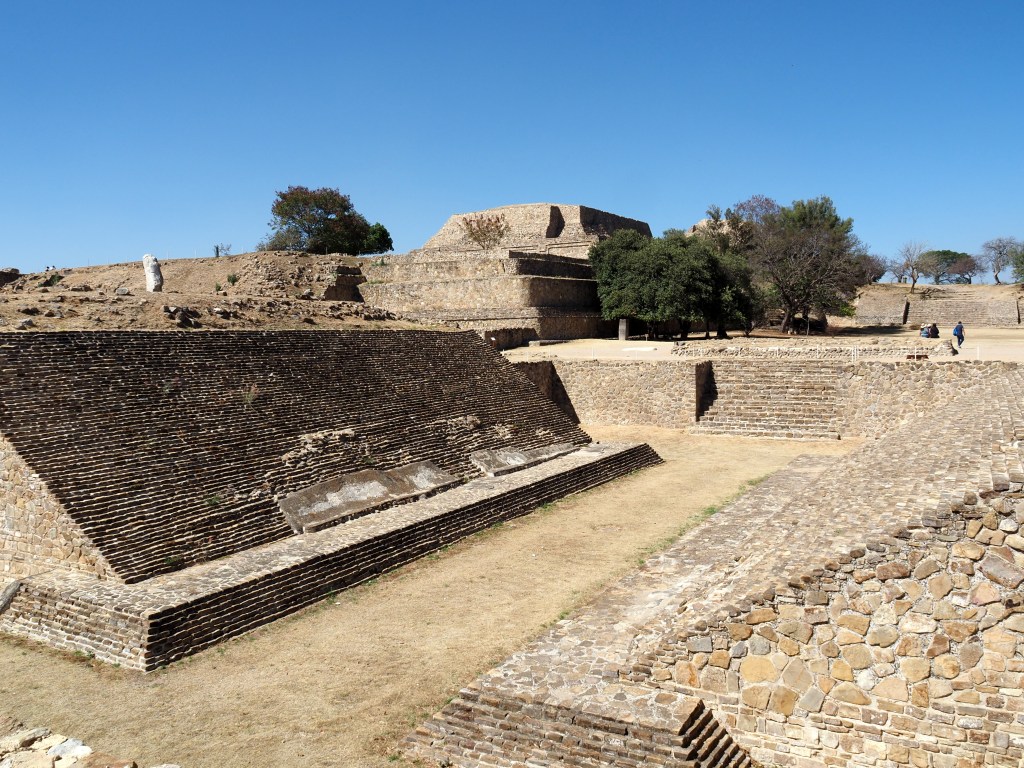

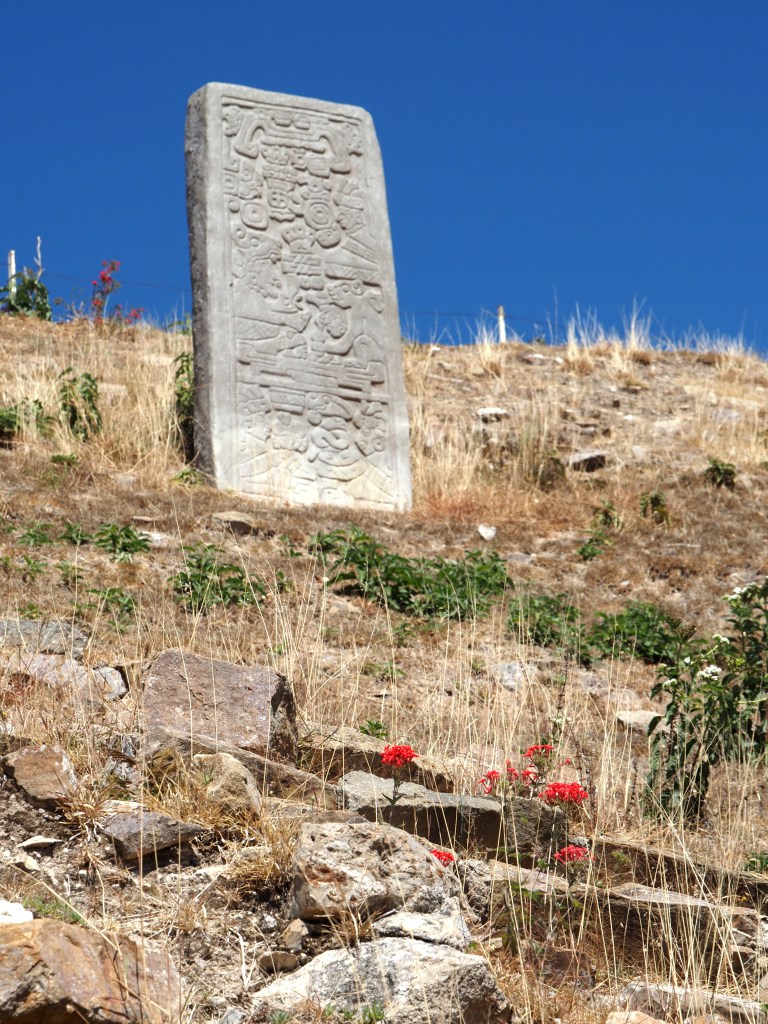
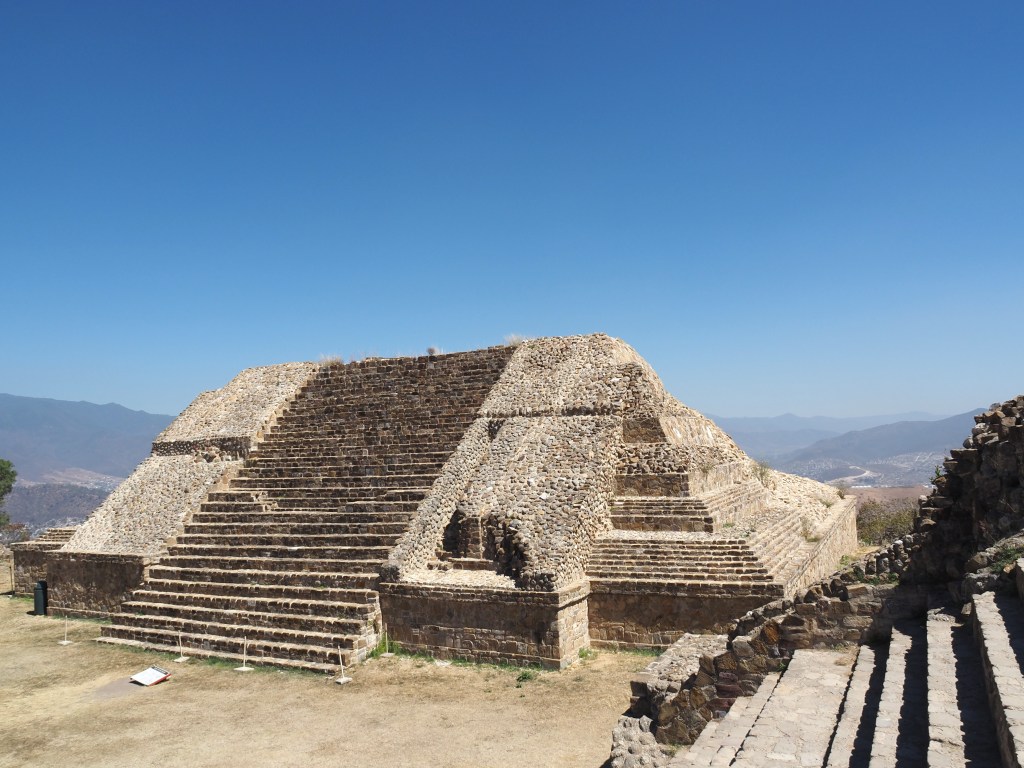


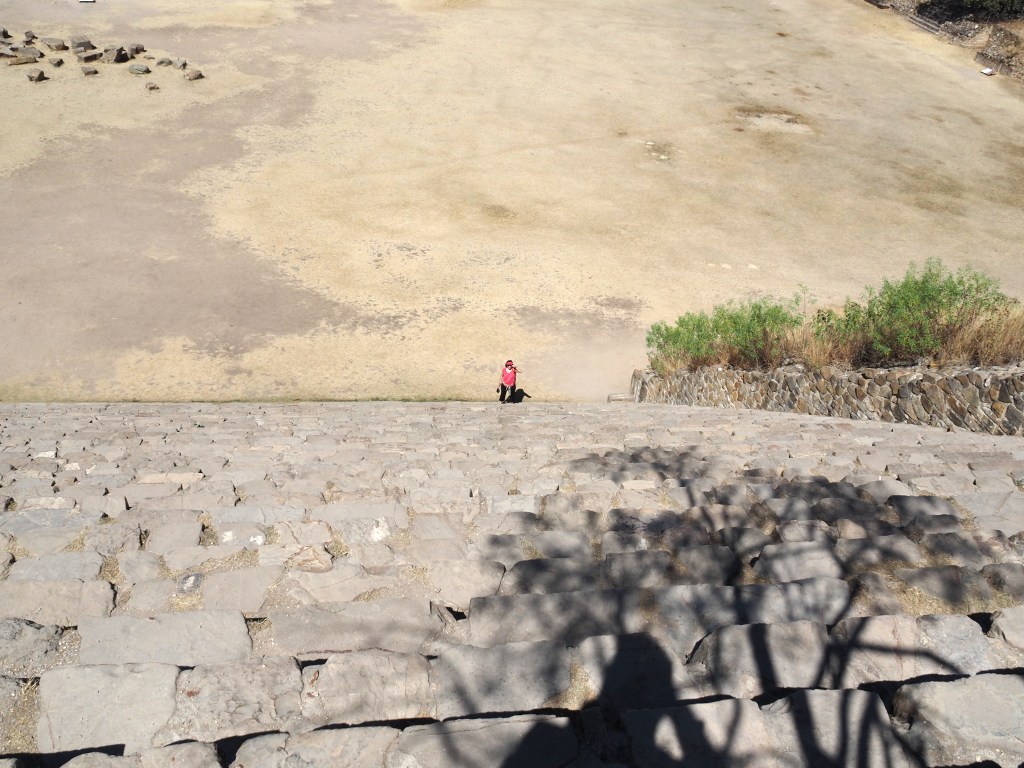
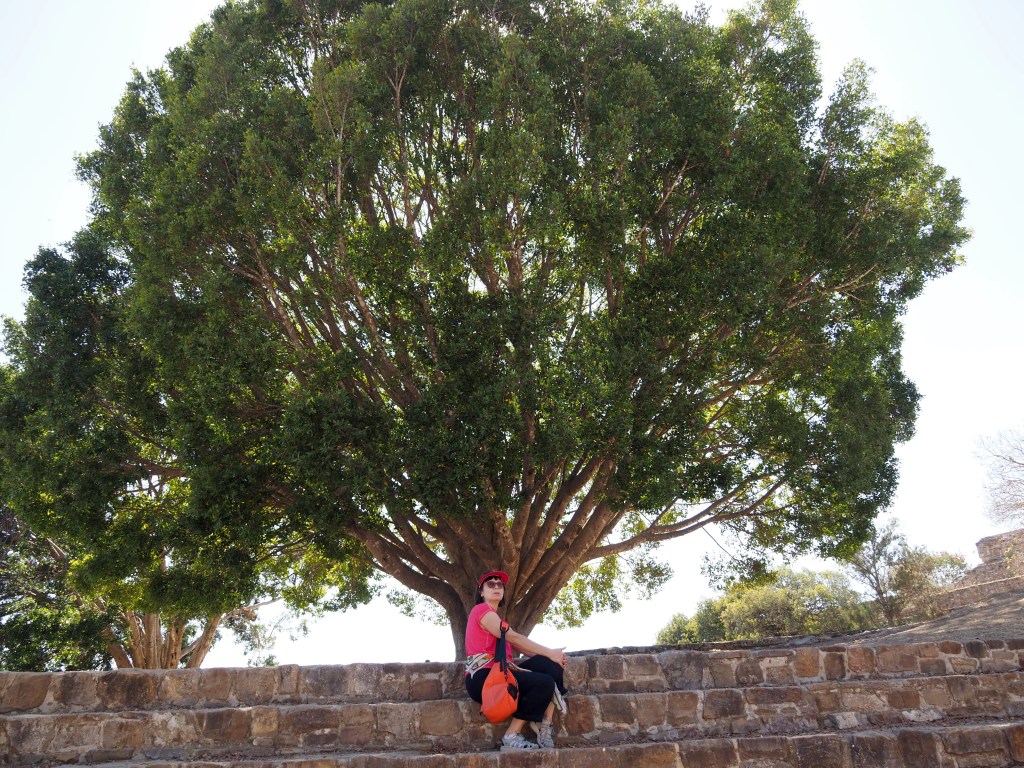
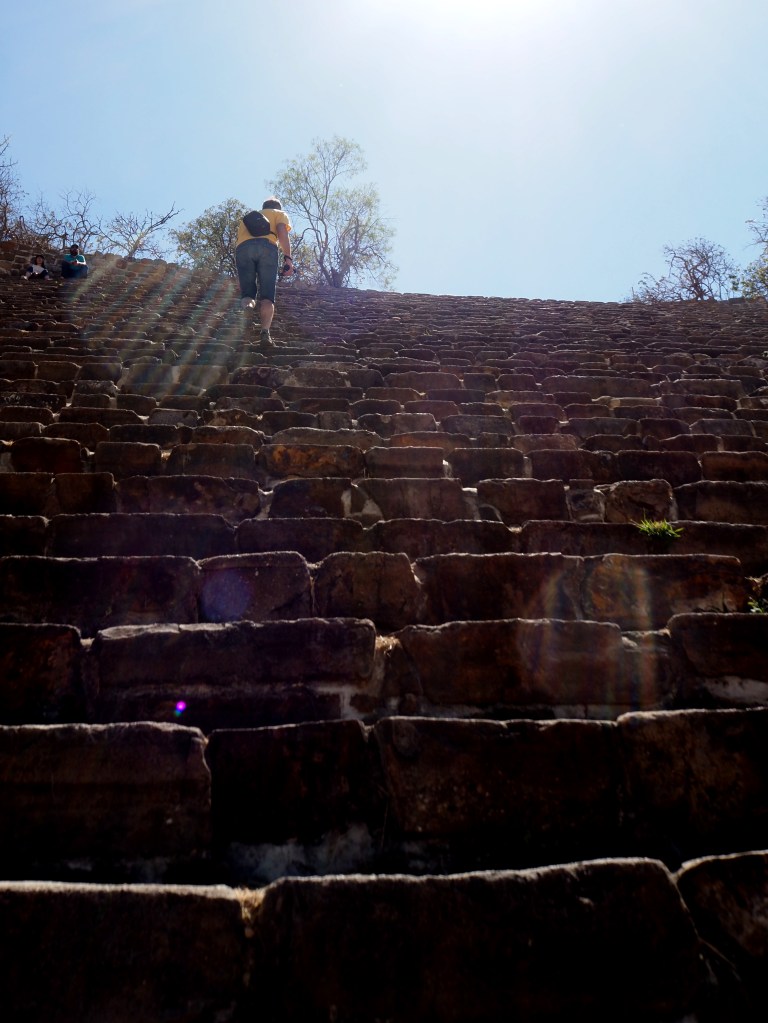
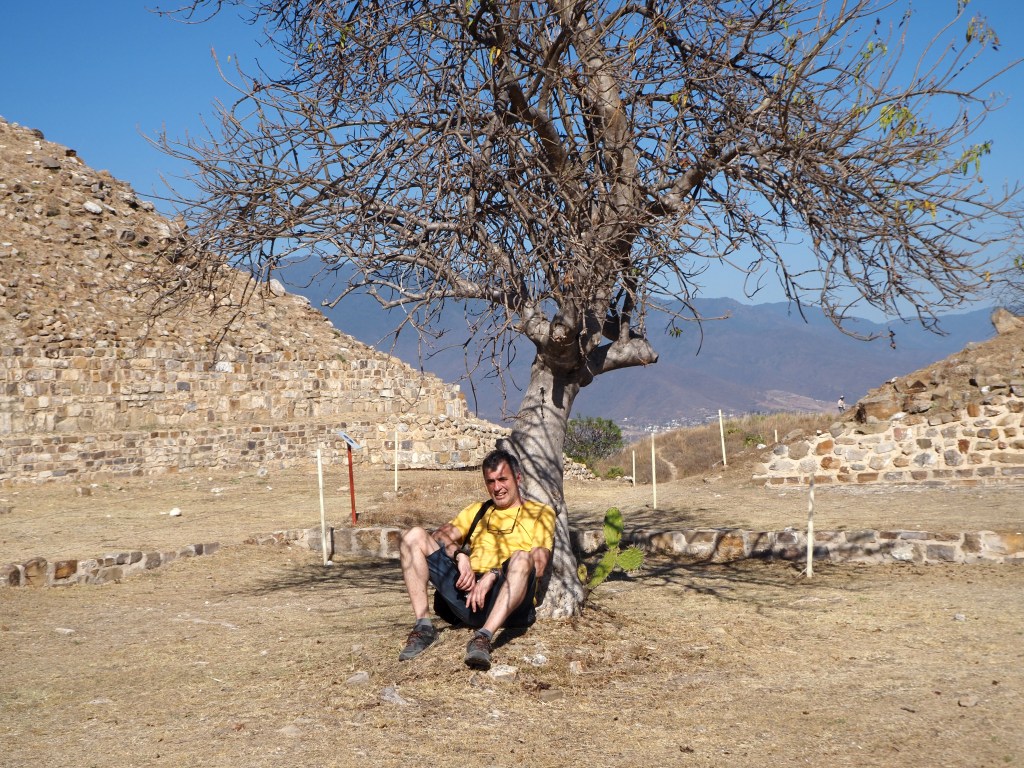
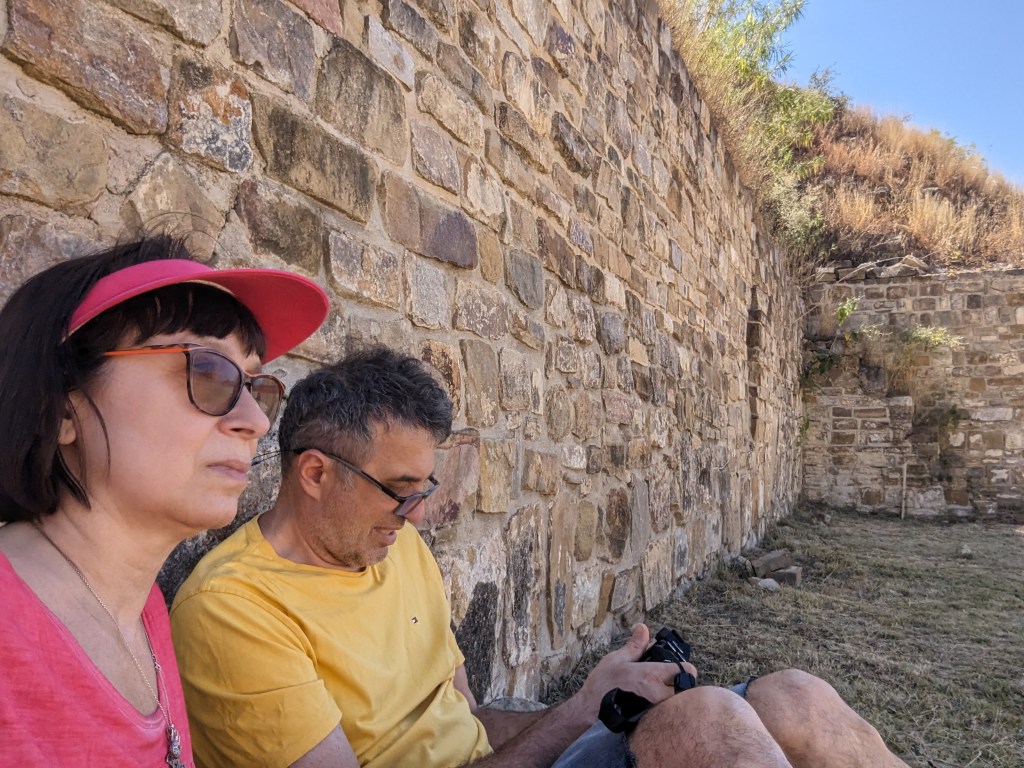
We were really surprised by the size of this place. It is vast, and climbing the steep stairs to the top of the pyramids at 30+ degrees Celsius took its toll. After an hour, we started hiding in the monuments’ shades instead of exploring them.
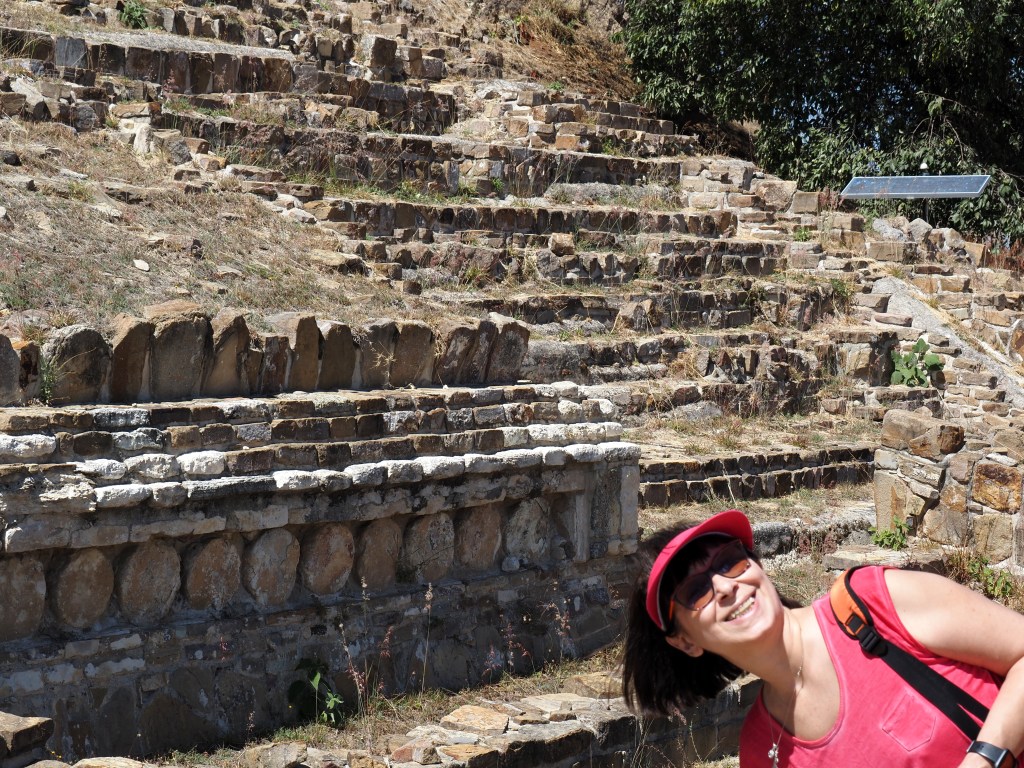
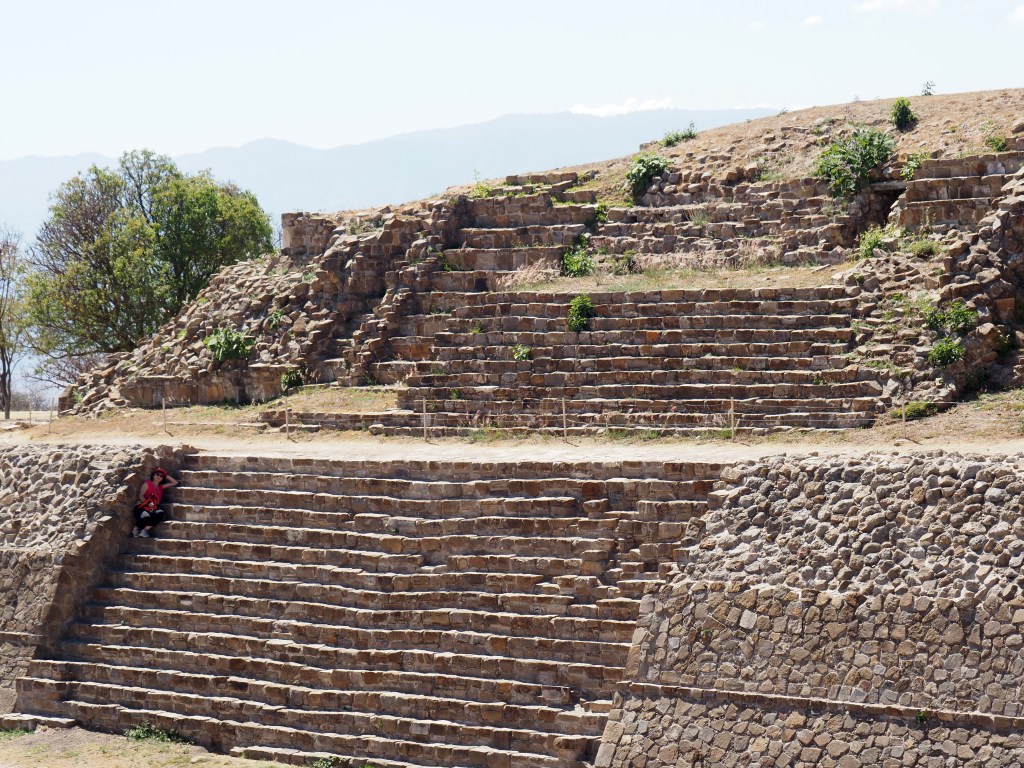

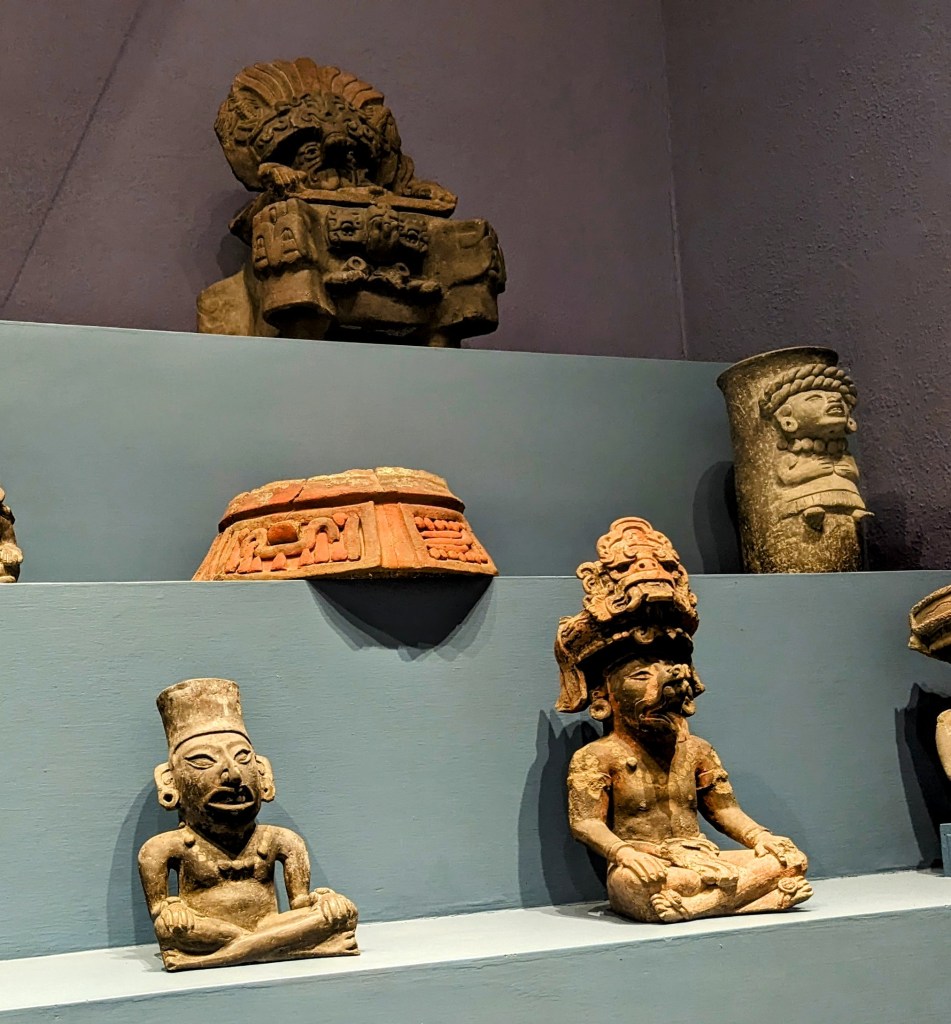
Do you believe in the extraterrestrial origins of Mesoamerican sites? Just look at some of the figures in the stelas displayed in the museum. Don’t you think they look like people of African descent? But please, don’t tell Ivan. He will laugh at me again.

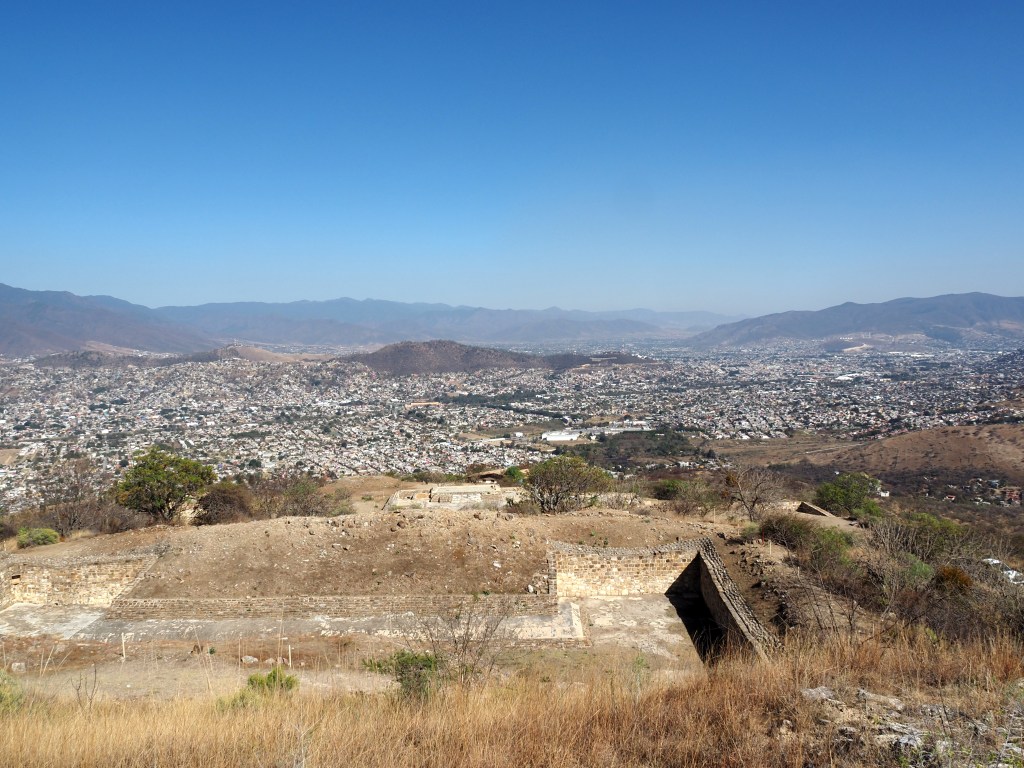
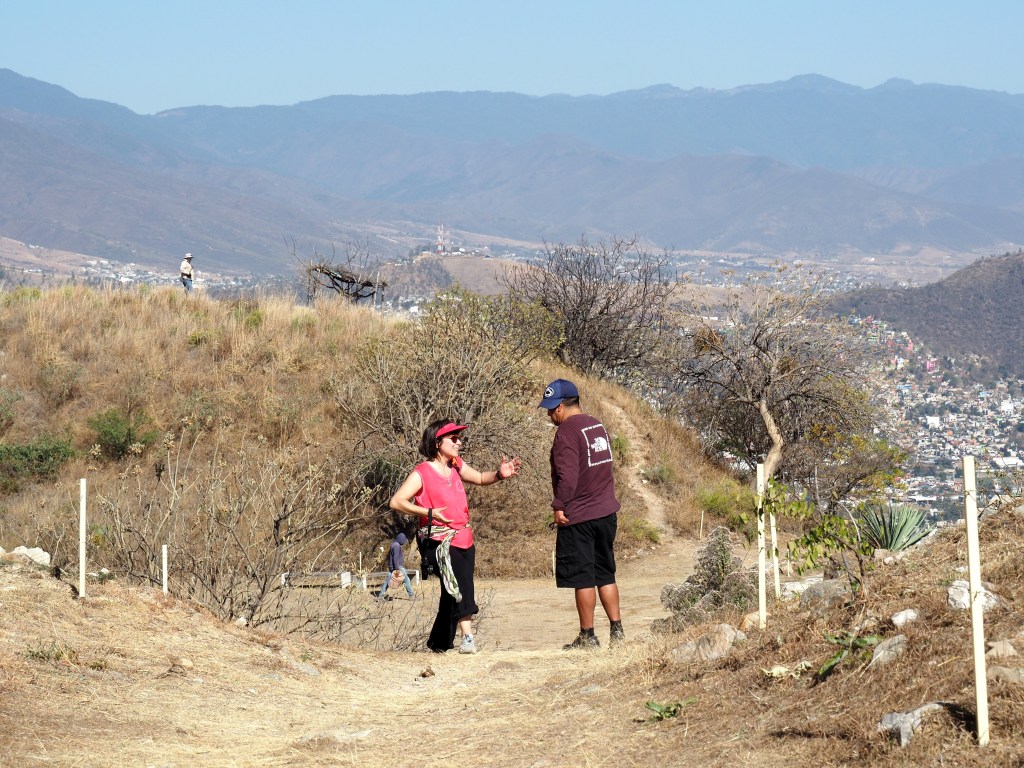
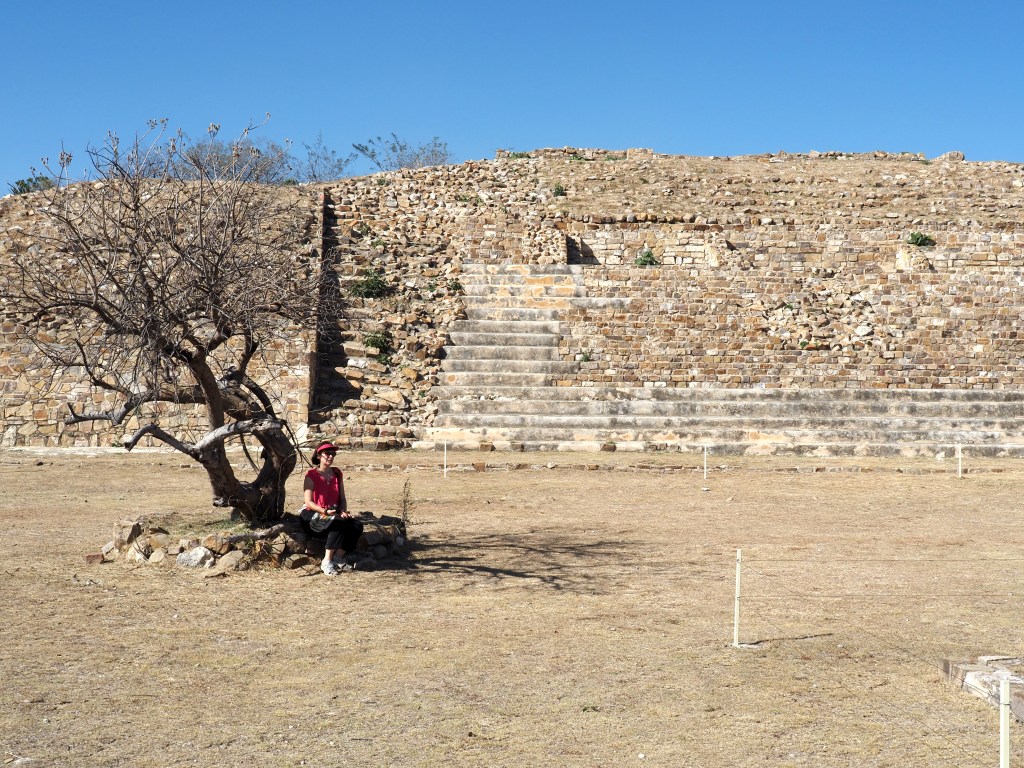
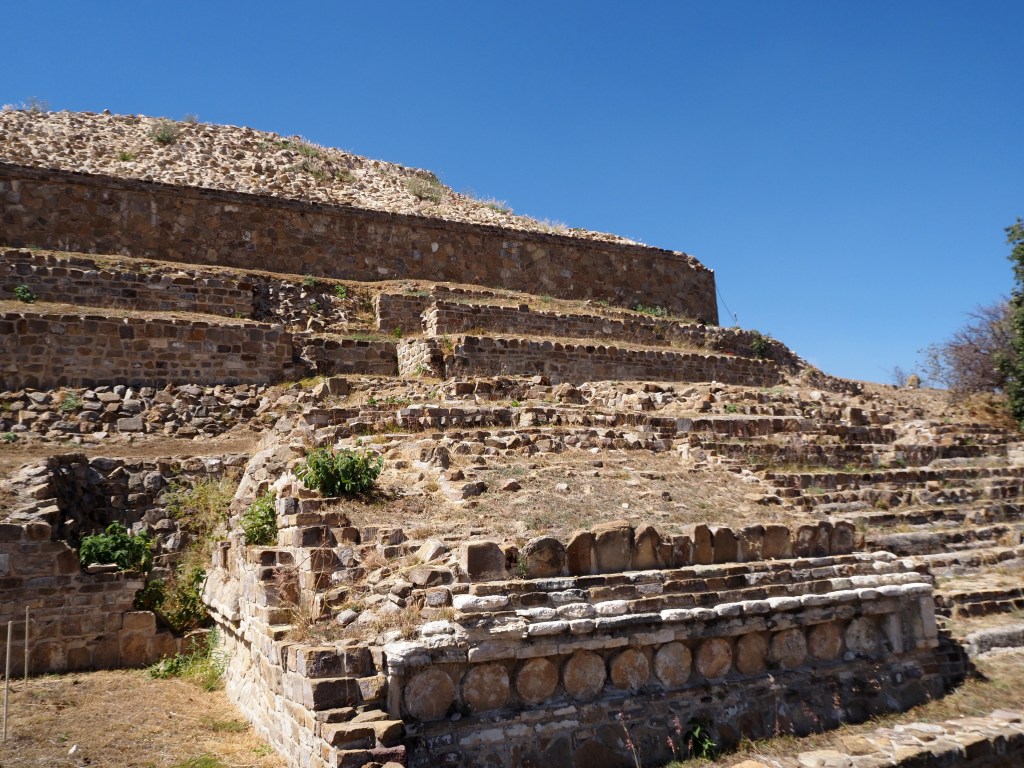
If you visit Mont Alban (what a name! I still wonder if some Macedonian living close to the border with Albania is involved), I highly recommend visiting Zona Arqueológica de Atzompa. It is close by and is a fantastic archaeological site on top of the mountain overlooking the entire city of Oaxaca.
The entrance is free, and there are no people. We walked through the ruins for an hour and saw only two other tourists.


Xochicalco archaeological site
Xochicalco is another significant site that is relatively far from the known tourist routes. It is on the UNESCO World Heritage list and totally worth visiting.
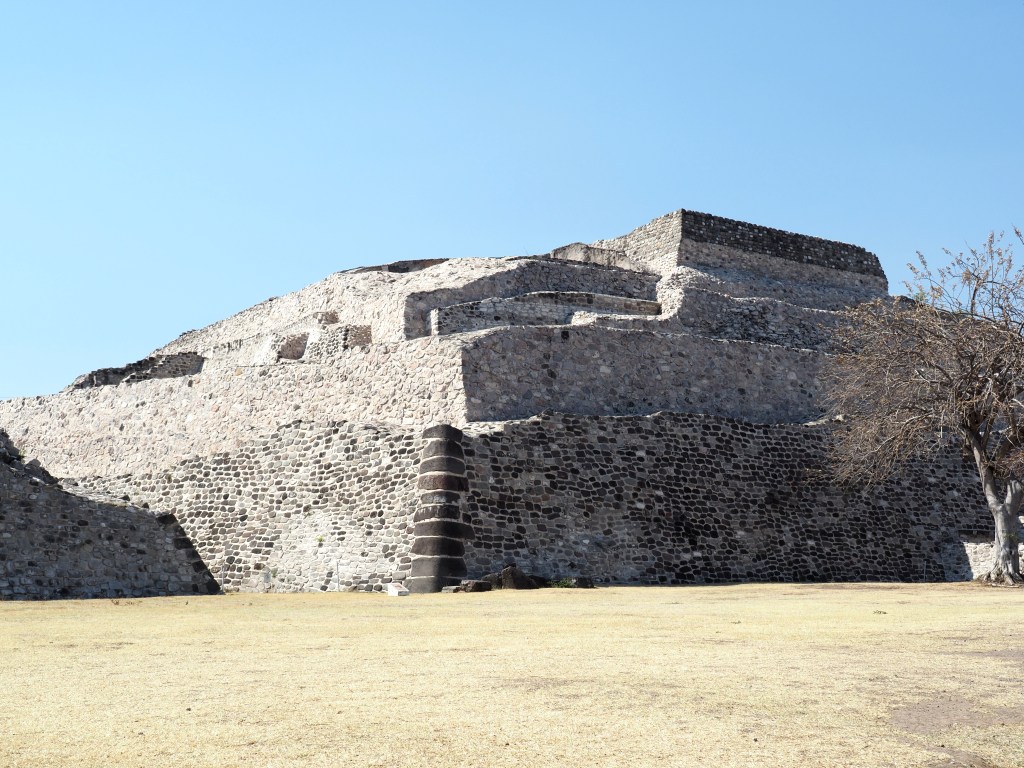


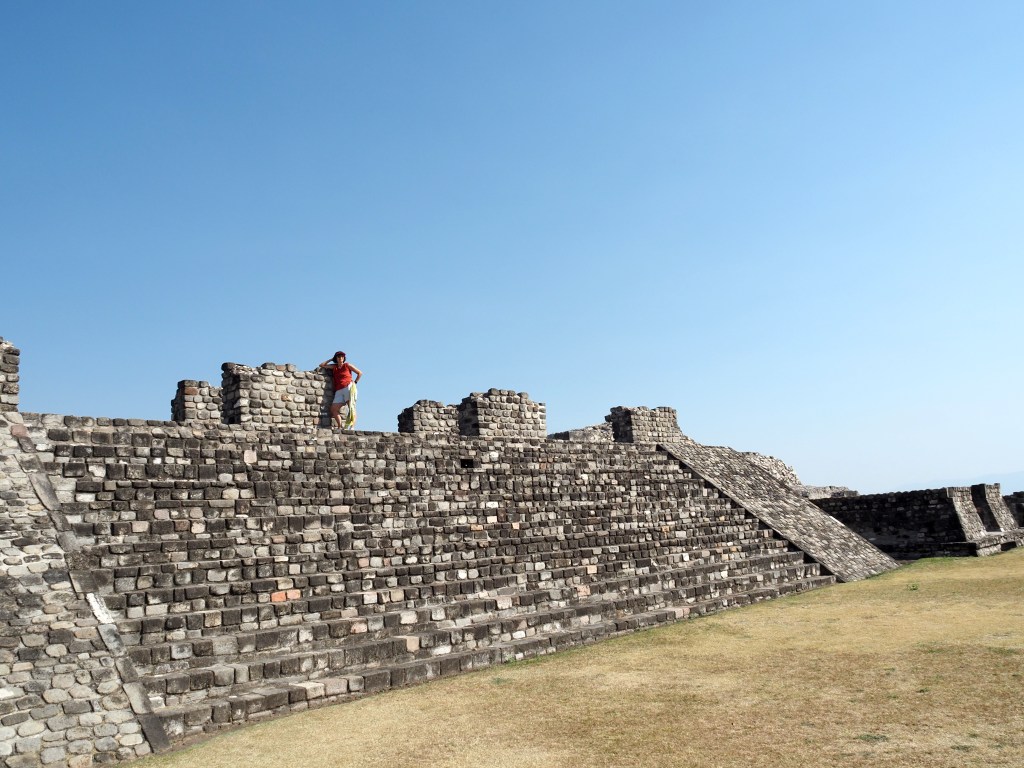
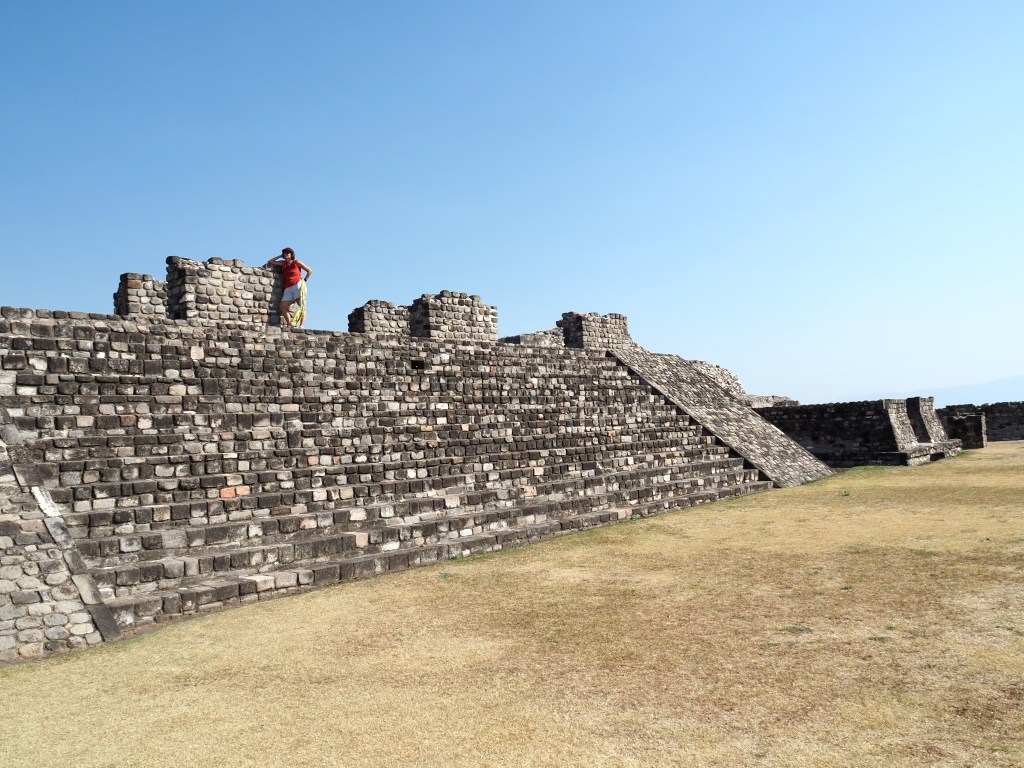
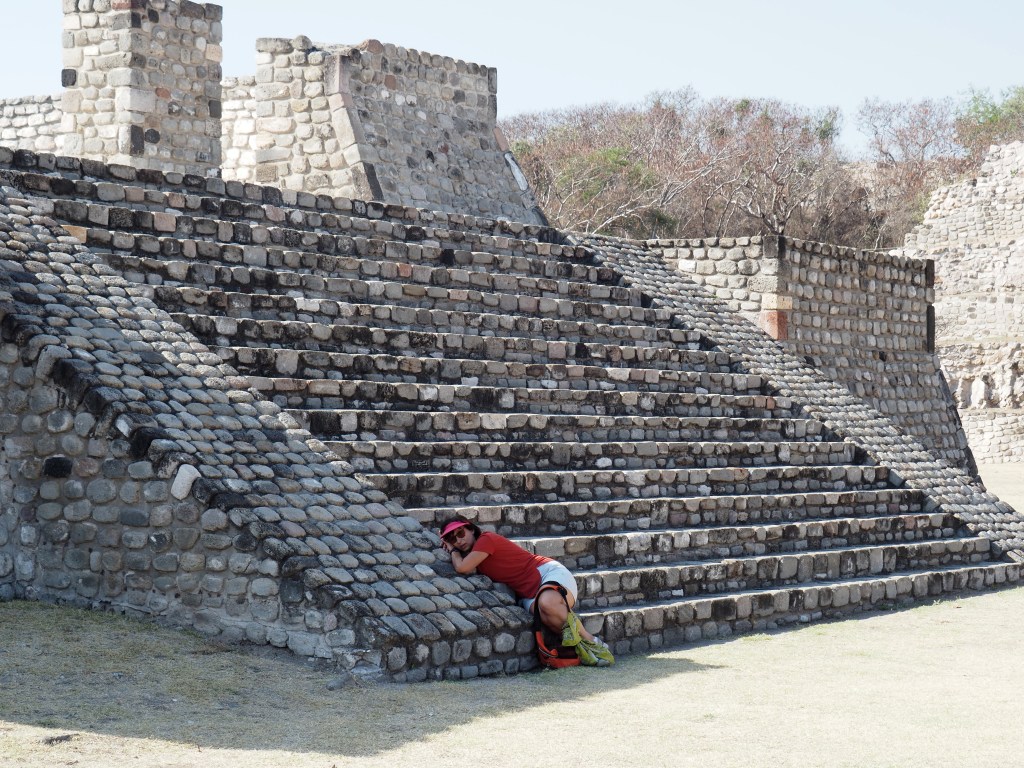
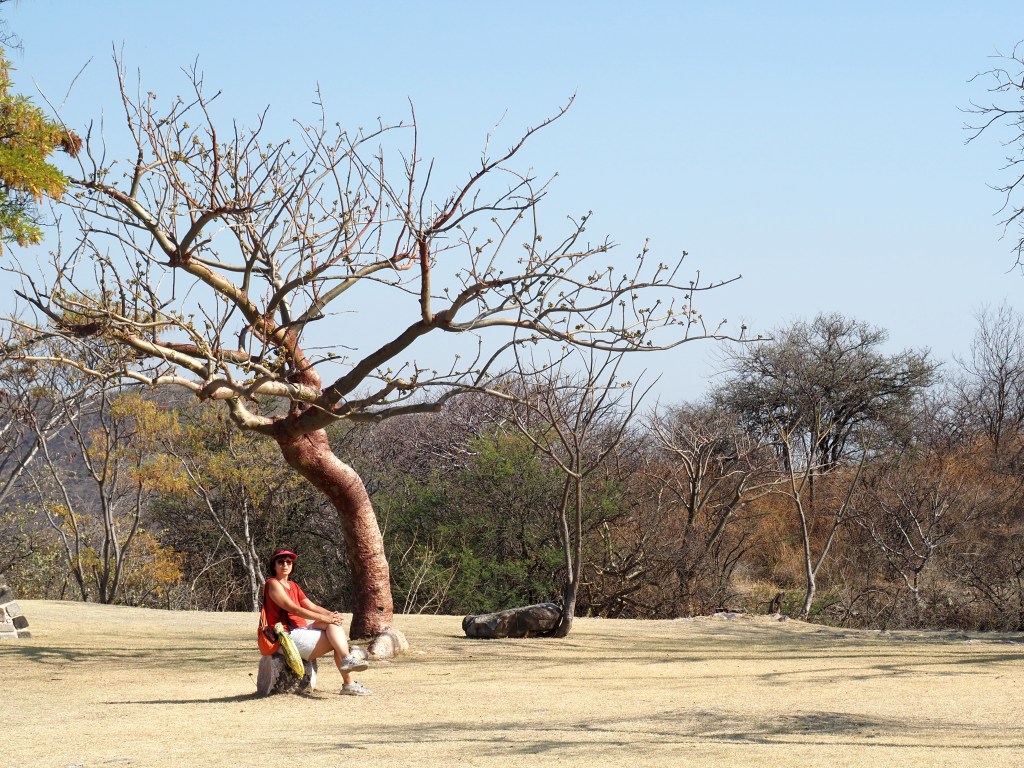

Unfortunately (or fortunately), when we arrived at the site, Ivan’s company had major computer issues. As you can see, he spent most of the time working on the phone and helping to fix the problem.


But I had enough time to chat with a local man who had helped with many archeological excavations during the years (his words).

He told me about the exceptional carvings on the sides of the Temple of the Feathered Serpent.
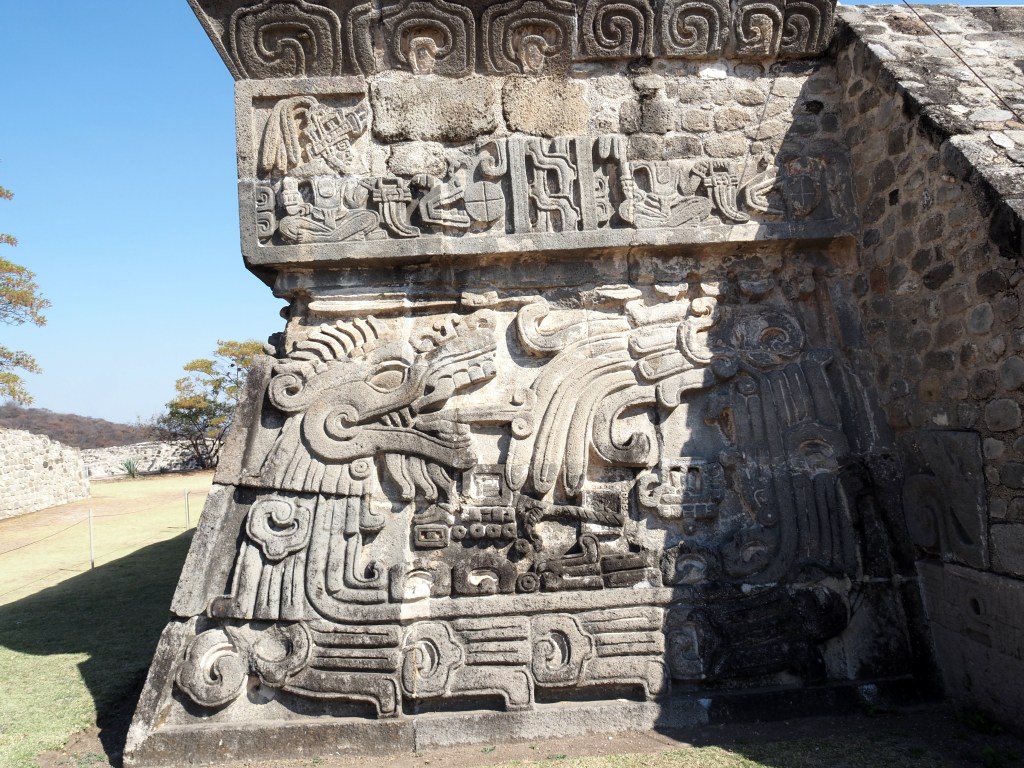
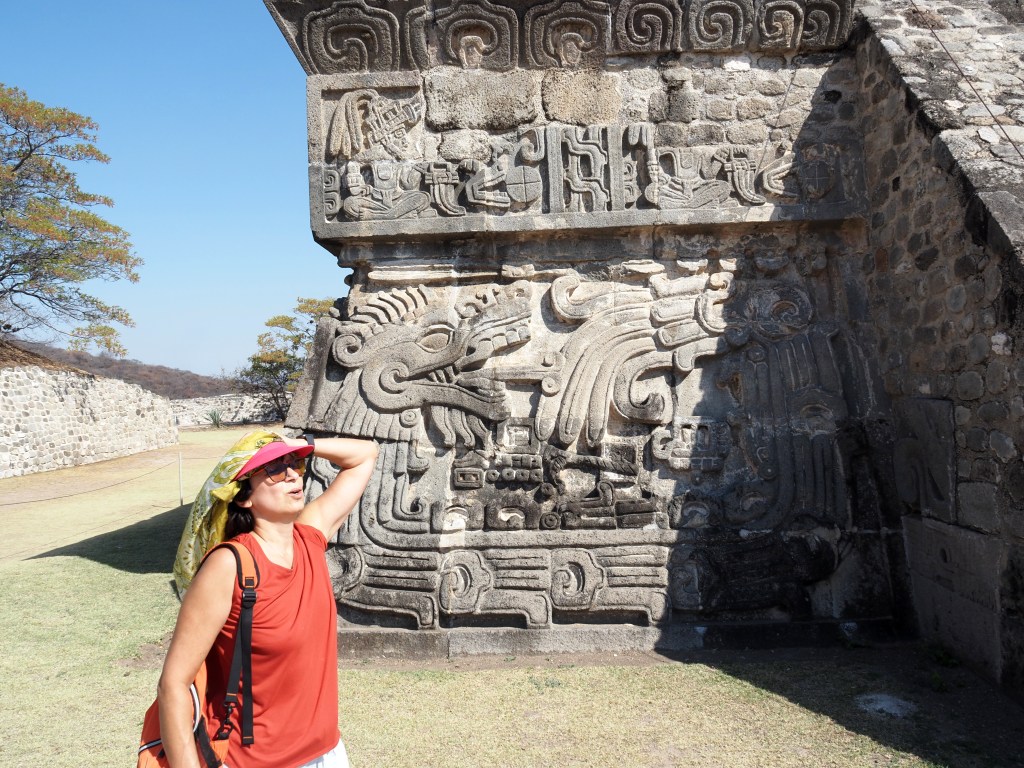
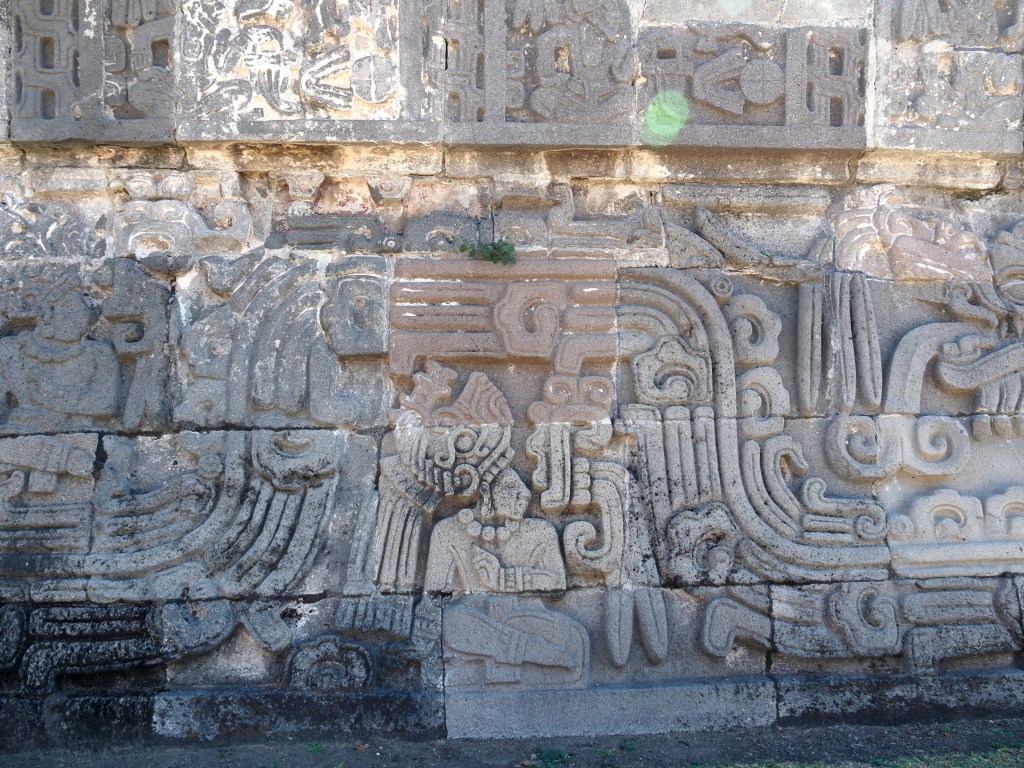
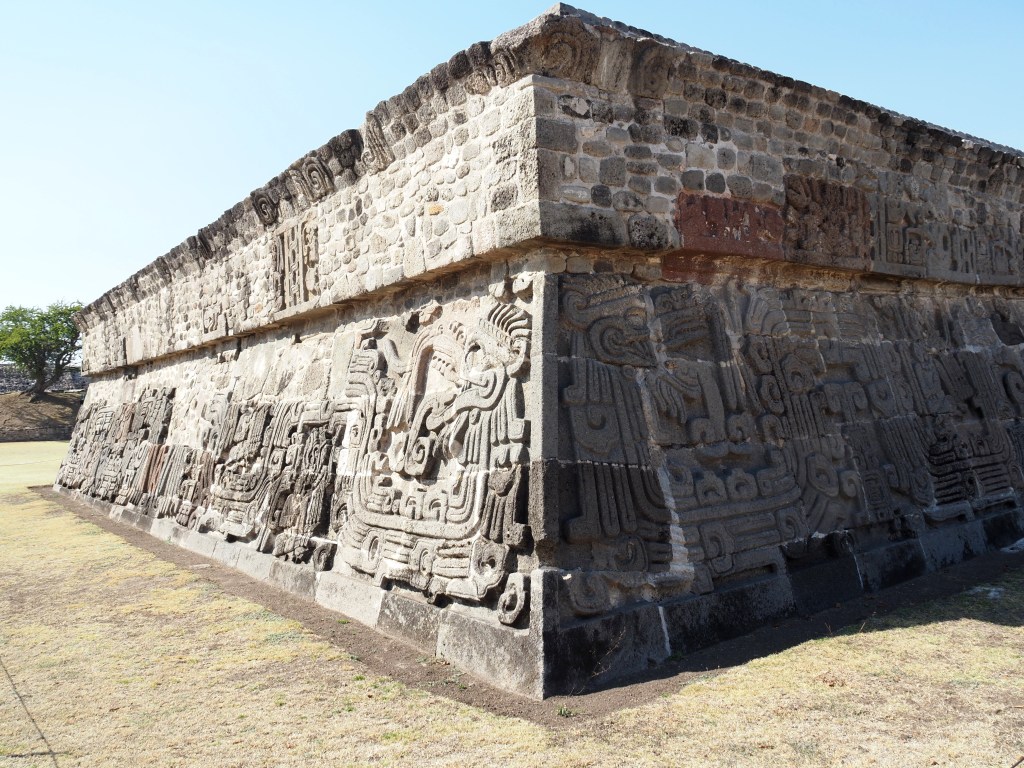


According to him, carvings on the sides of the pyramid are a secret calendar, and they predict the time and place of all solar eclipses in Mexico, including the one that will happen next month (his words). He told me (if I got everything with my basic Spanish) that you must know how to read the signs of the carvings because they aren’t supposed to be read only in one way. They have a secret code, and they can be read left to right, right to left, up and down, and diagonally. The most advanced readers of this mysterious language would know which signs to skip to get the secret message. The message will reveal the most hidden secrets in human history from the beginning of time up to the unforeseen future. He even hinted that his ancestors
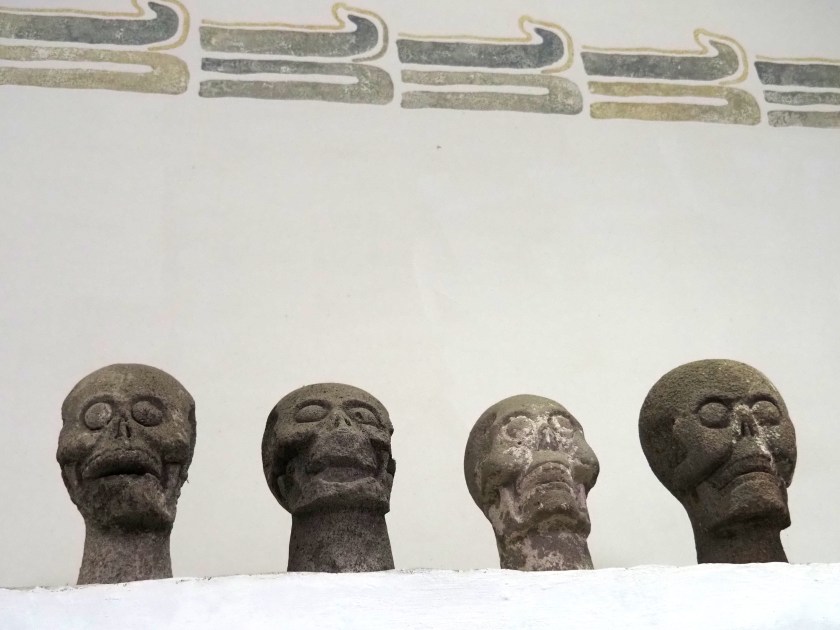
had given him some glimpse of this secret knowledge and that he could share it with me.
For a small amount of money 🙂

Zona Arqueológica de Tula
Sometimes Ivan gets tired of visiting old ruins day after day, and he definitely doesn’t believe in the UFO origin of some ancient civilizations. Sometimes, I have difficulty persuading him to visit this or that archeological site, and I never mention any theories about out-of-this-world origins to him. But I didn’t need too much persuasion to see Tula.
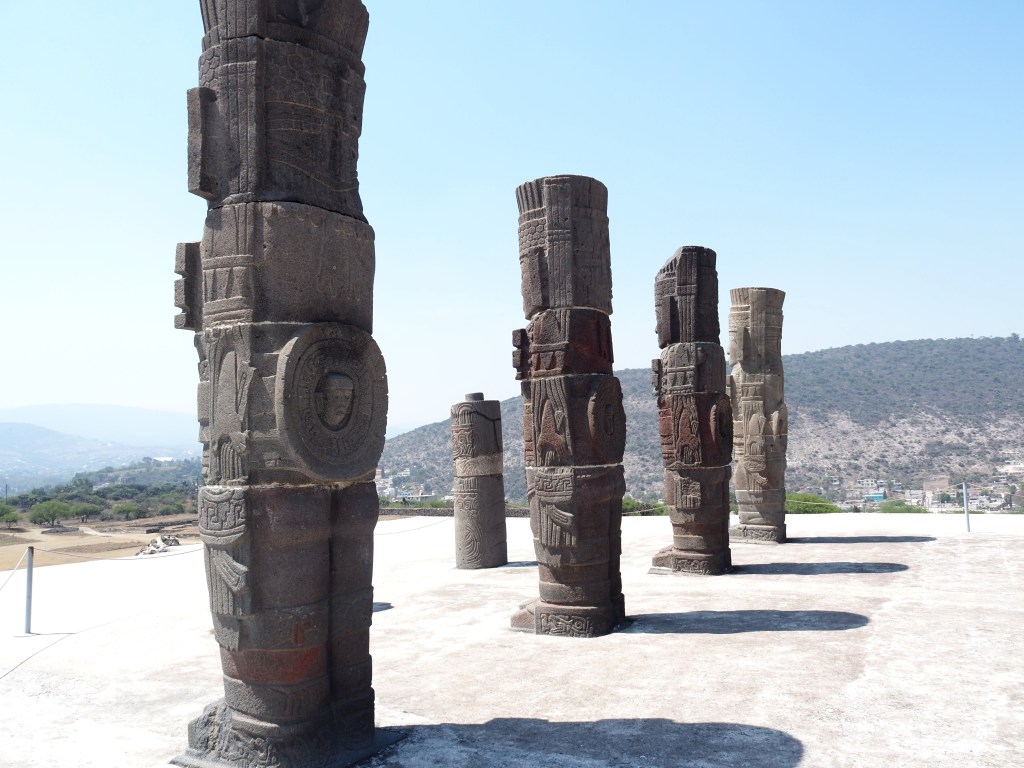
Tula was a center of the Toltec empire (one more Mesoamerican civilization on my list), and it is famous for its giant statues—the Atlantes of Tula. The figures are among the best-known pre-Hispanic sculptures in Mesoamerica. They are 15-foot tall statues discovered in the 1950s, raising speculation about their makers. They are named after the mythical lost civilization of Atlantis.
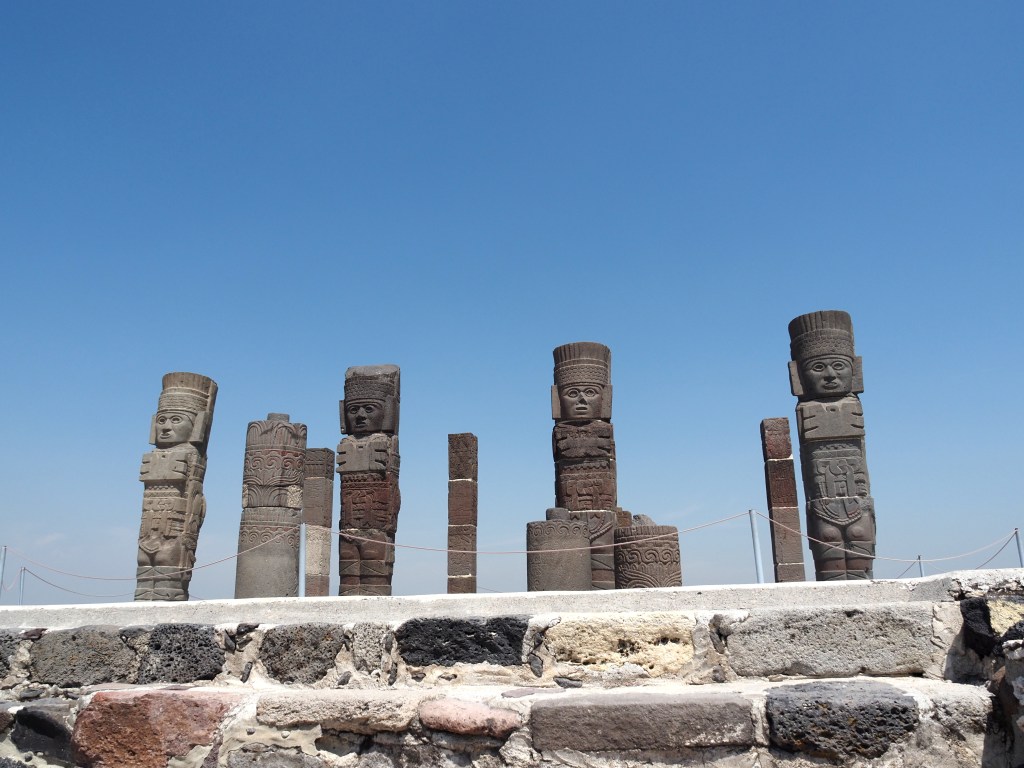


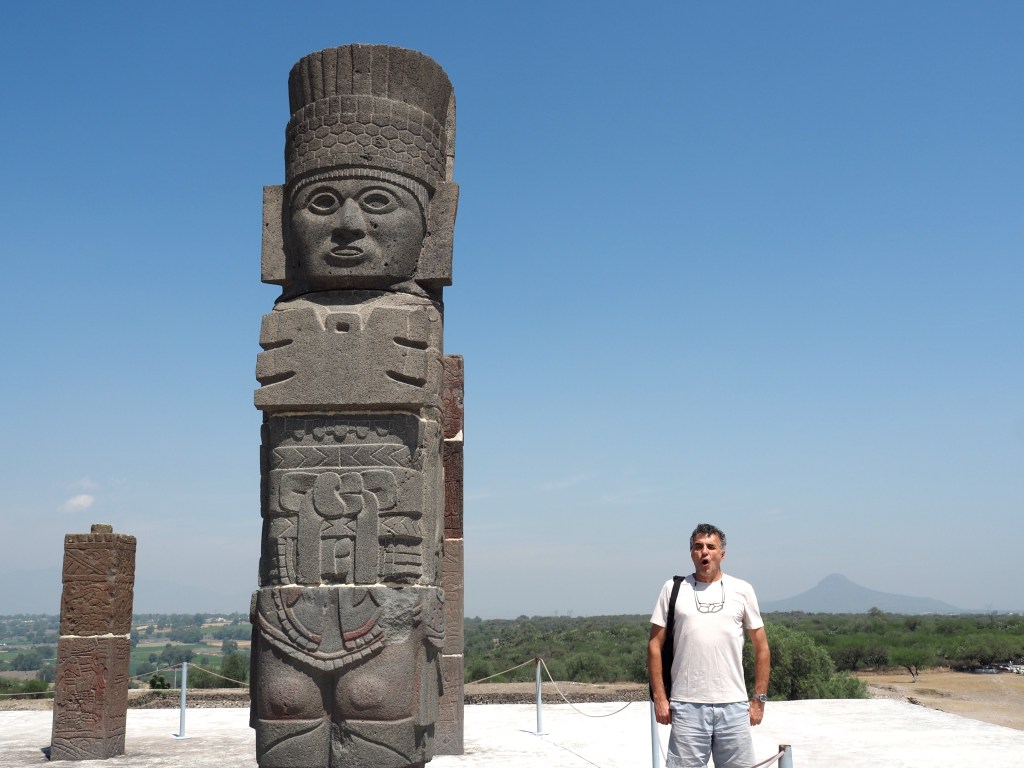

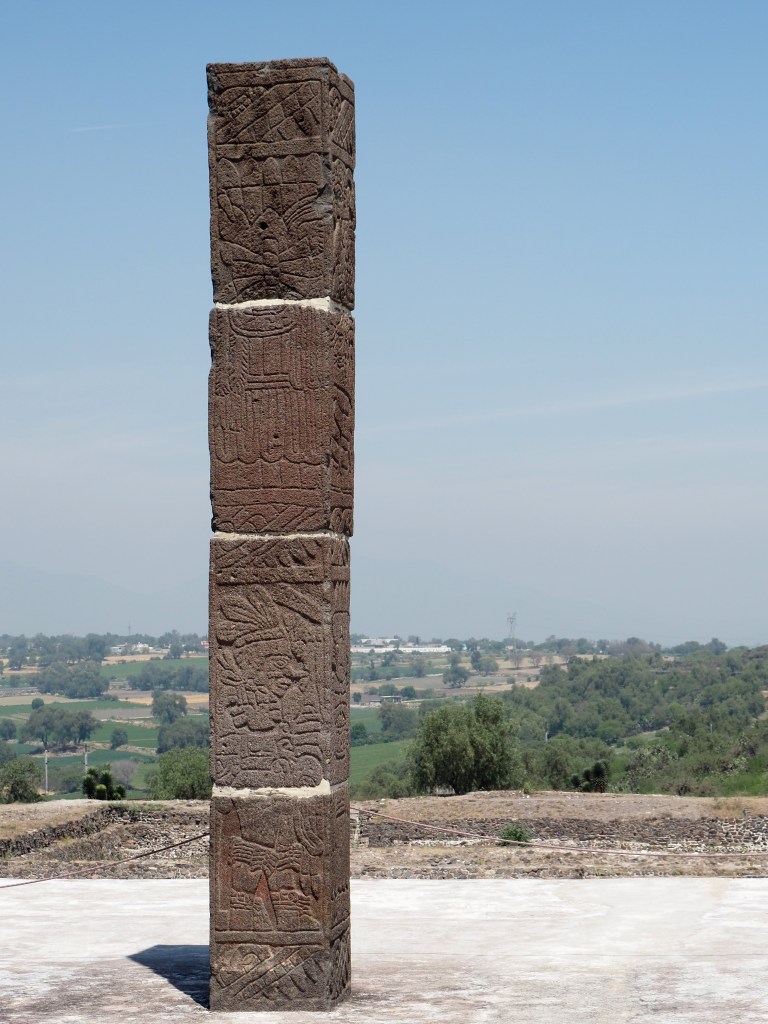
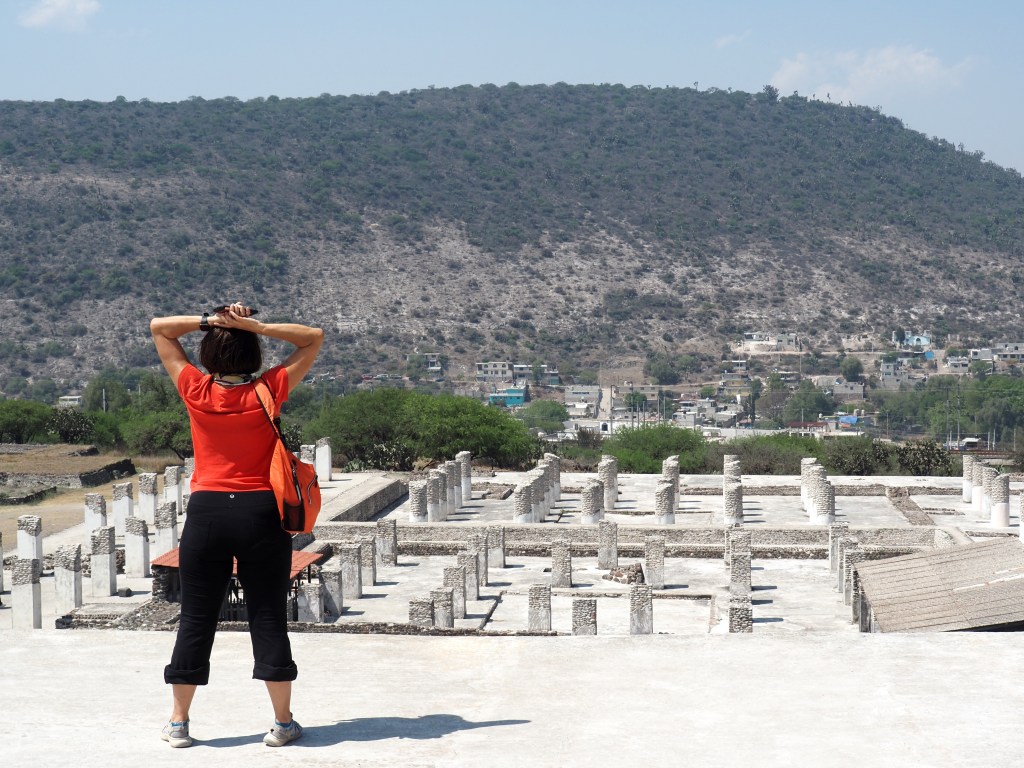
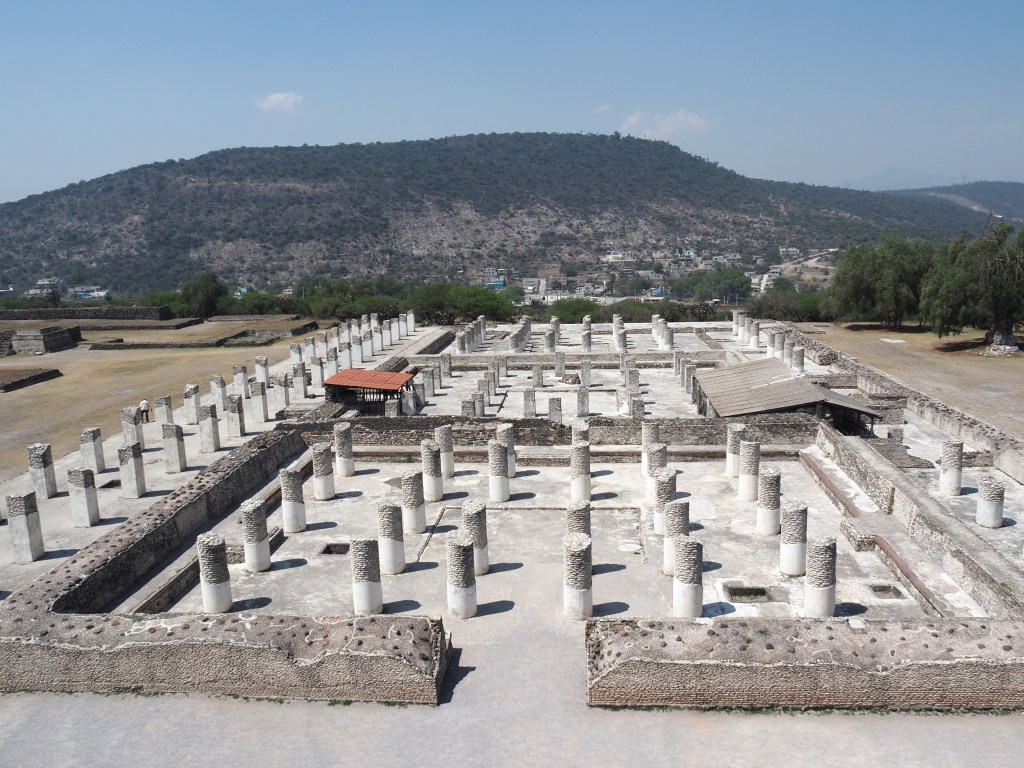
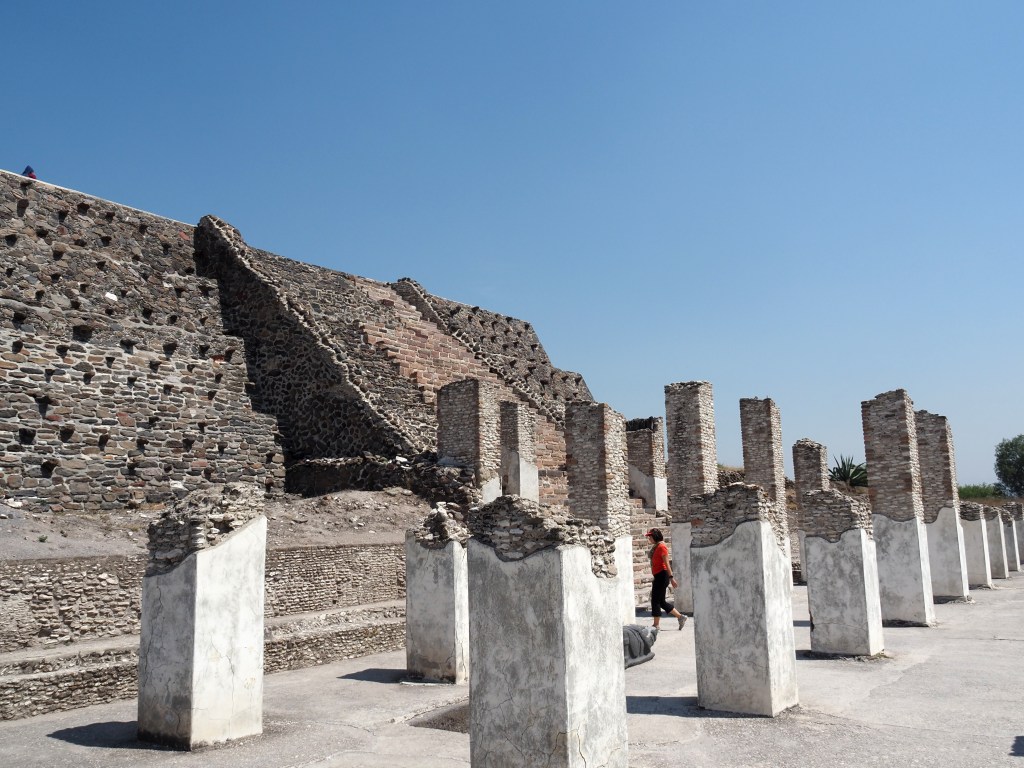
Similar figures were made by the Maya people in Chichen Itza and the Aztecs in Tenochtitlan. Still, the Tula figures are taller and believed to be the earliest.
There are speculations about the figures’ extraterrestrial origin. The main point is that the butterfly-shaped breastplates are devices that help to breathe in the atmosphere, and the weapon they carry on their back is a laser beam.
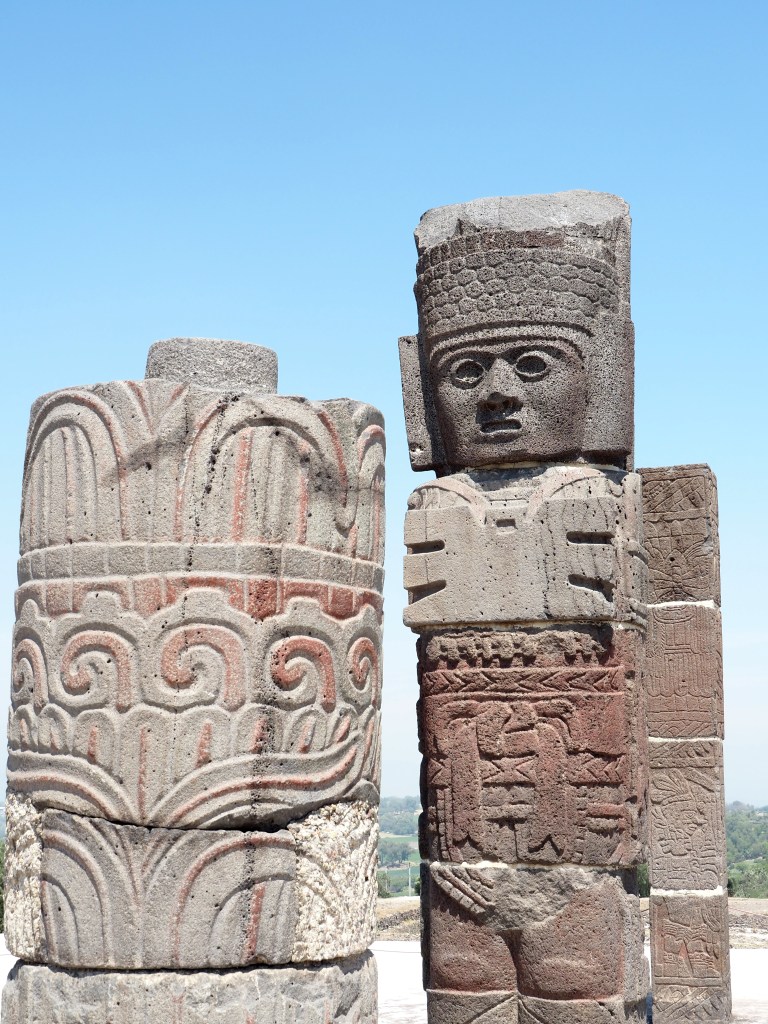
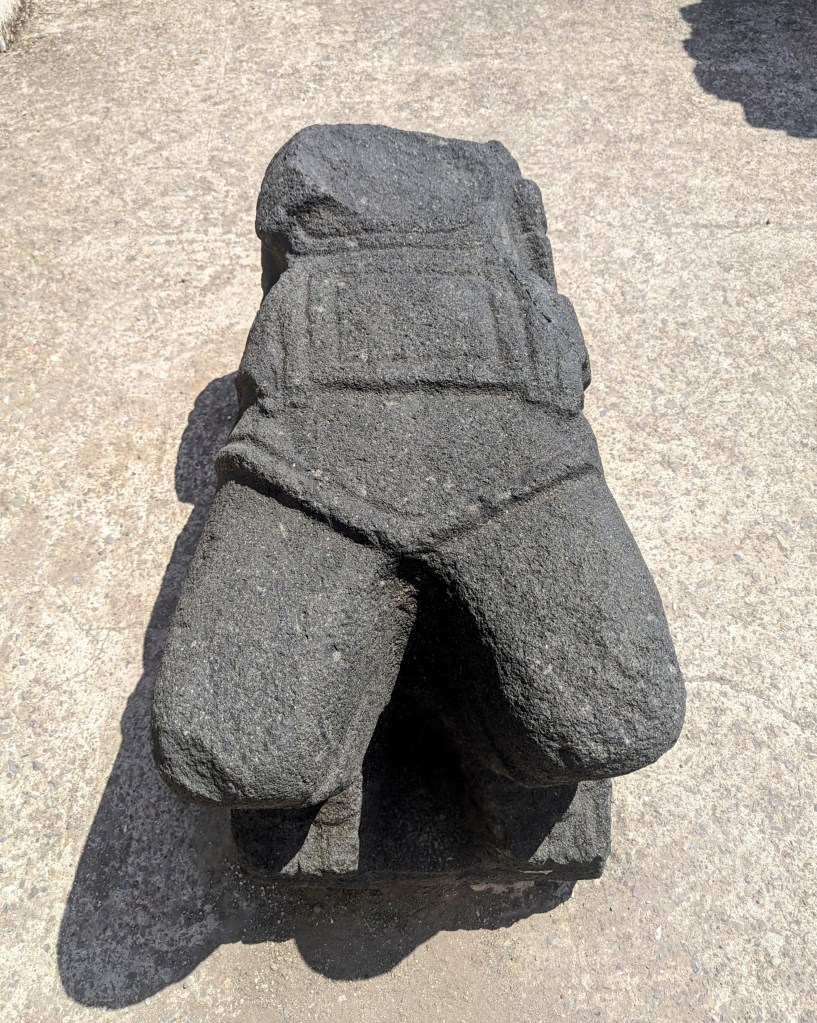
In Tula, you have to see the Chac Mool—reclining figures that are a distinctive form of Mesoamerican culture

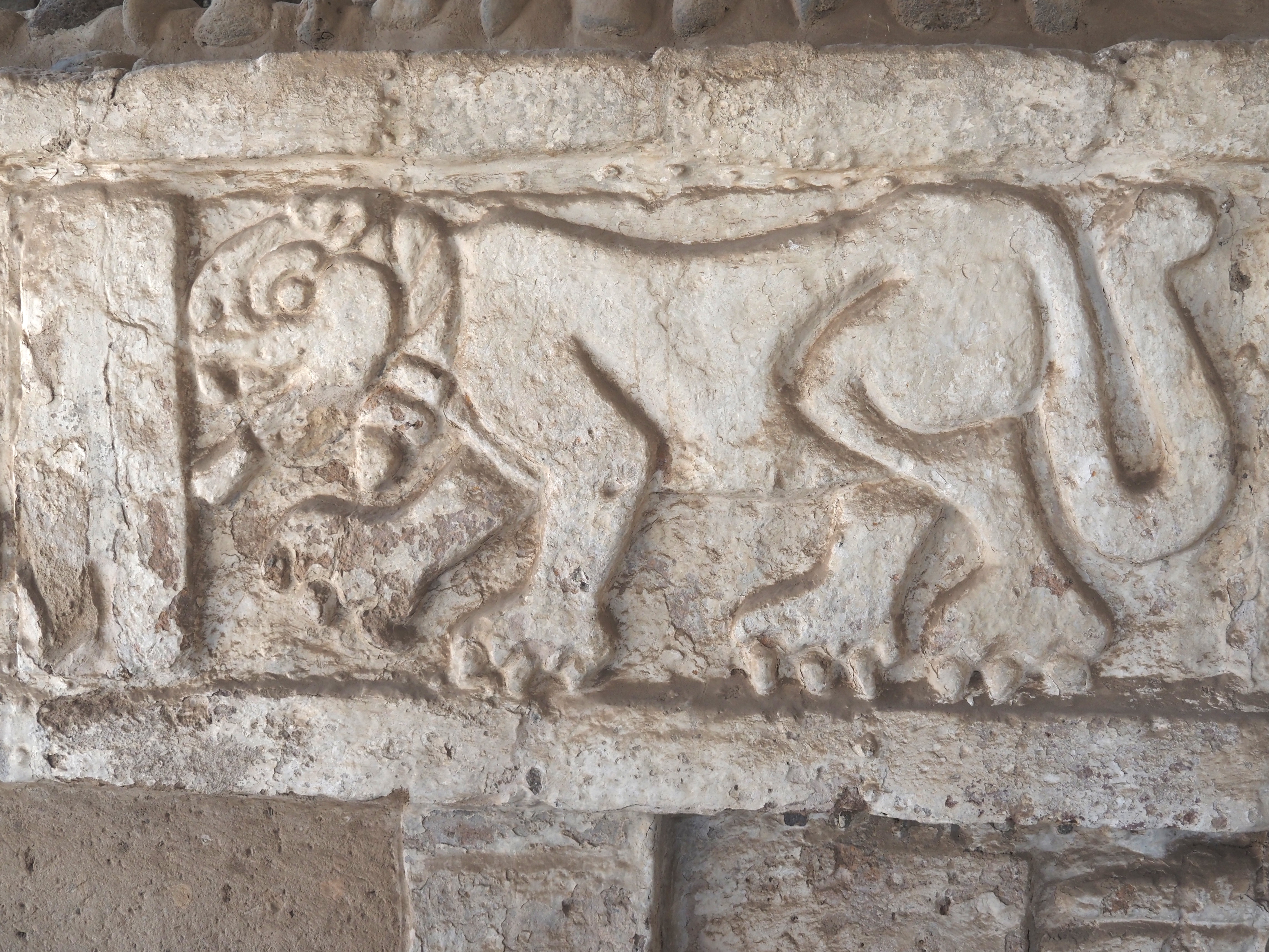
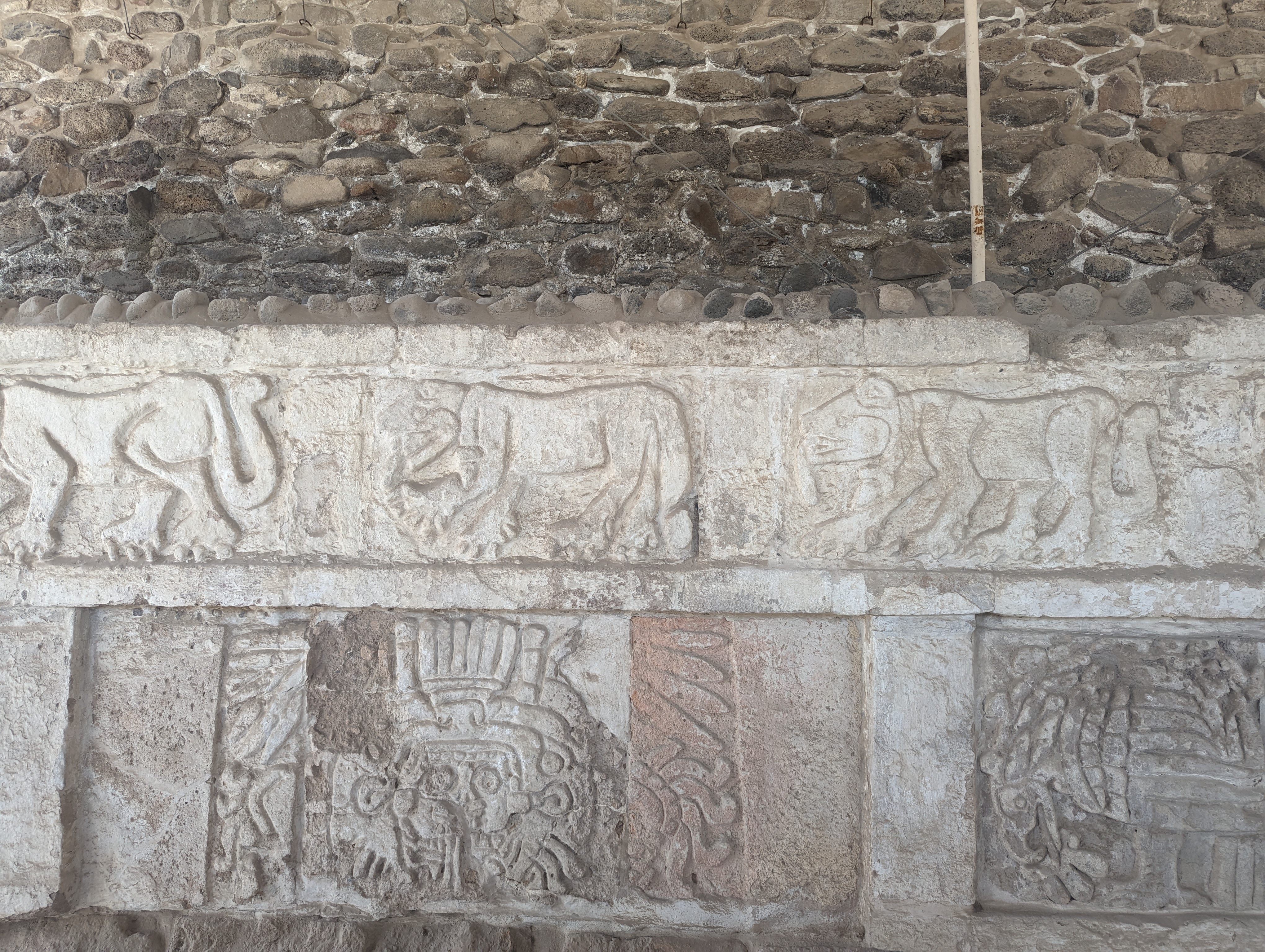
—the stone reliefs around the Pyramid of Quetzalcoatl,

and the incredible ceremonial breastplate in the museum at the site. It consists of 1,446 rectangular seashell plates and is accompanied by a 245-bead necklace.

It may be a ceremonial cuirass (breastplate), as similar garments are depicted on warriors.
Volcanic Ruins of the San Juan Parangaricutiro and Parícutin volcano
This is a place of some more recent ruins.
I was fascinated when I read the story of Dionisio Pulido, the owner of the cornfield and the witness to the beginning of the volcano. His words were, “At 4 p.m., I left my wife to set fire to a pile of branches when I noticed that a crack, which was situated on one of the knolls of my farm, had opened . . . and I saw that it was a kind of fissure that had a depth of only half a meter. I set about to ignite the branches again when I felt a thunder, the trees trembled, and I turned to speak to Paula; and it was then I saw how, in the hole, the ground swelled and raised itself 2 or 2.5 meters high, and a kind of smoke or fine dust – grey, like ashes – began to rise up in a portion of the crack that I had not previously seen . . . Immediately more smoke began to rise with a hiss or whistle, loud and continuous; and there was a smell of sulphur.”
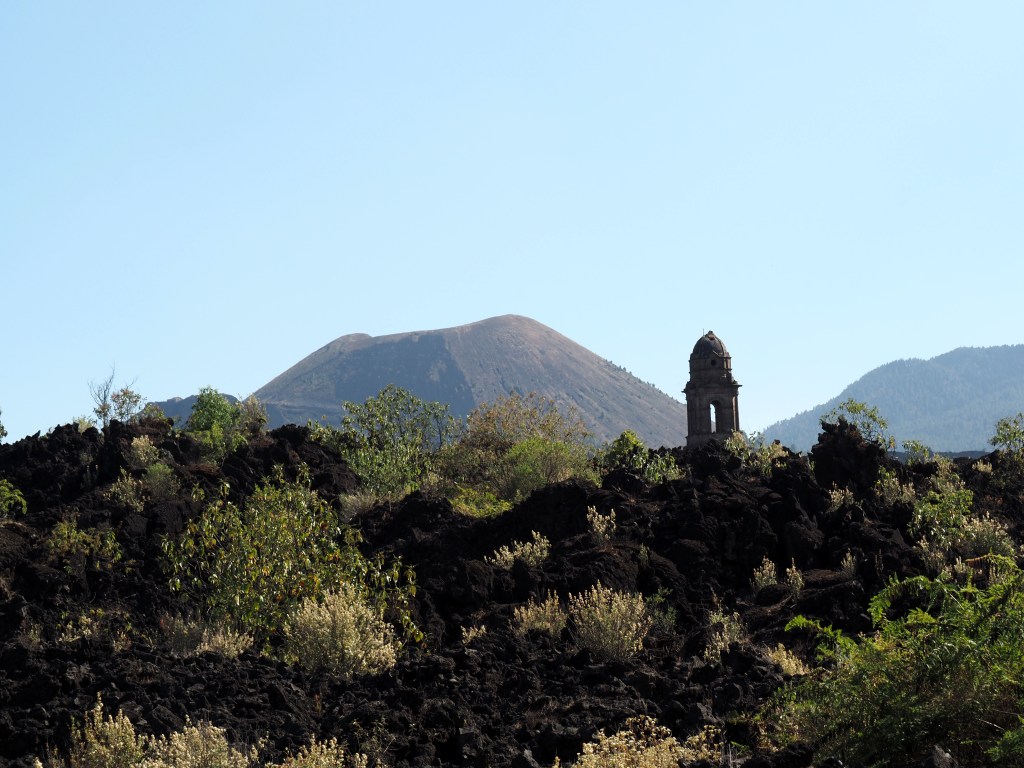
As I read the story, I imagined the small volcanic cone rising between your feet. It seems like an amazing experience, doesn’t it?
Parícutin volcano is one of the youngest volcanoes on Earth. When it erupted in 1943, the event gave the volcanologists the perfect opportunity to see all stages of an eruption of a volcano. After 9 years, the volcano went through its whole life cycle and is now considered dormant.
Luckily, the lava from the Parícutin volcano moved very slowly and only three people were killed by lightning generated by pyroclastic eruptions.
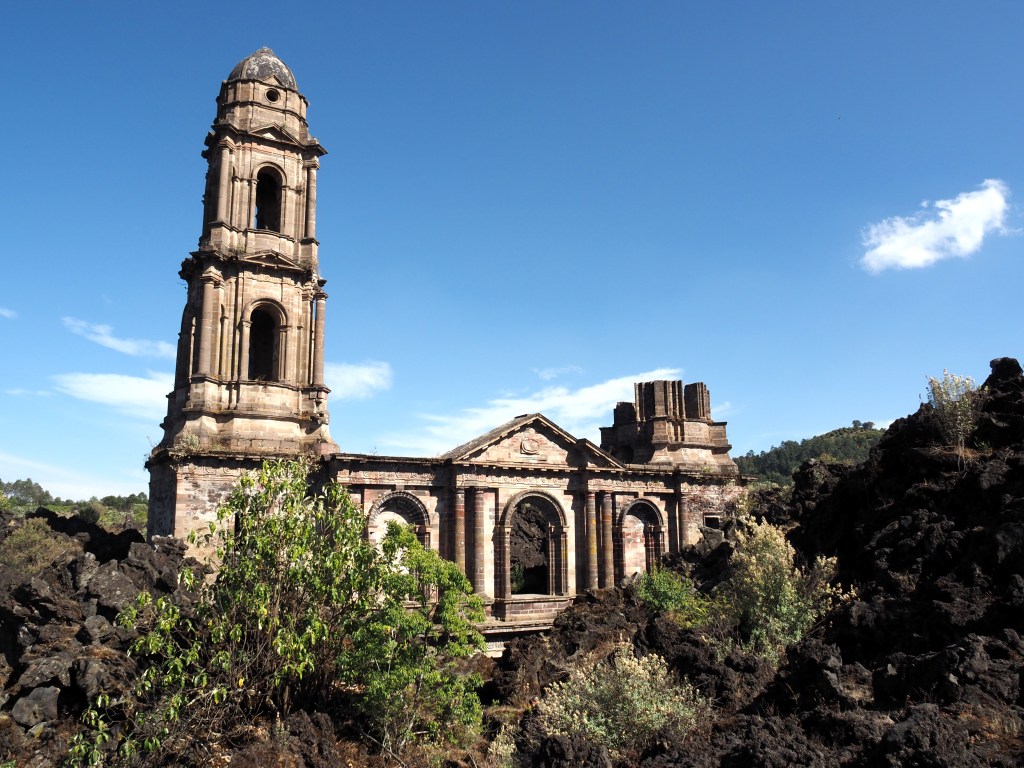
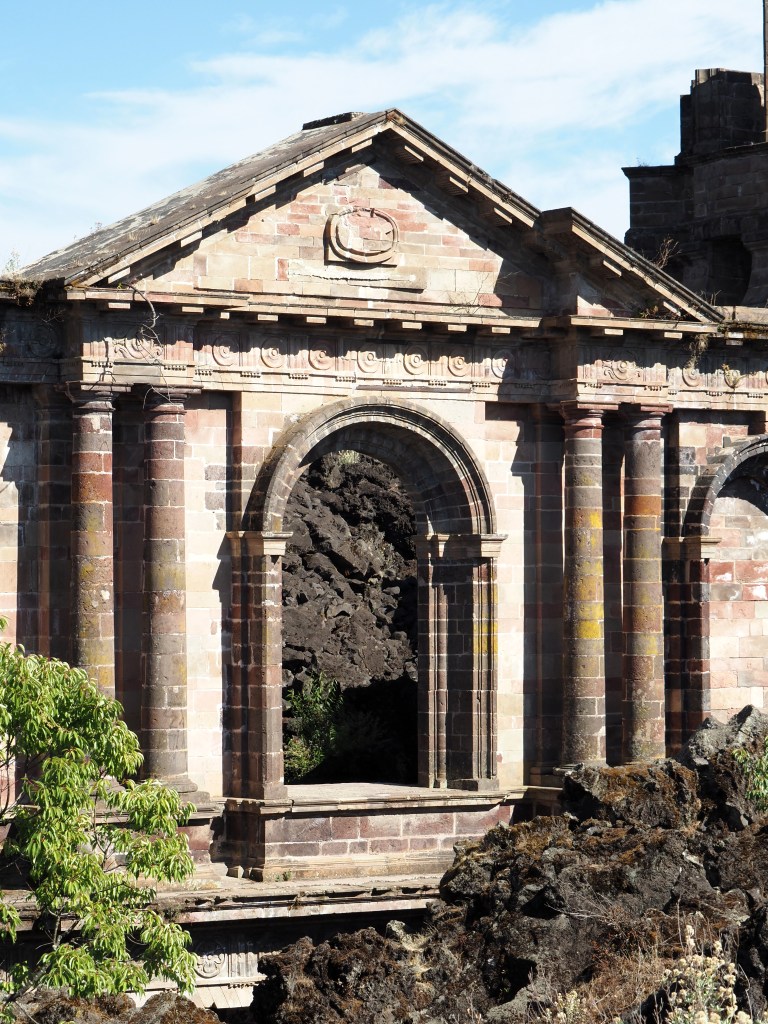
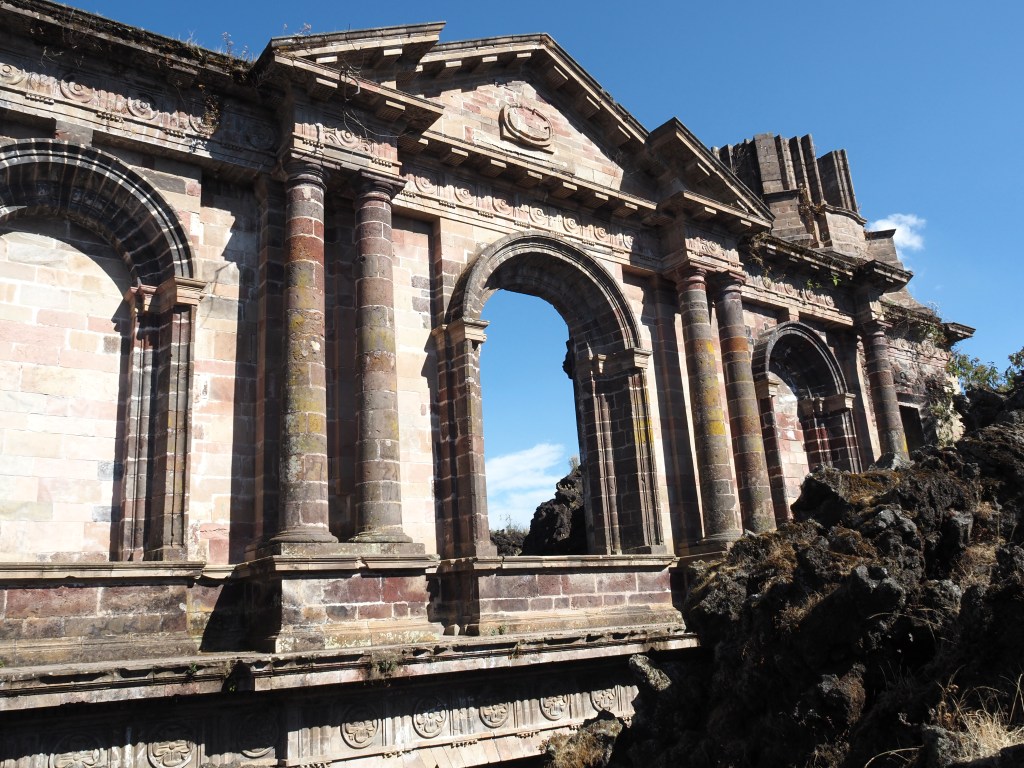
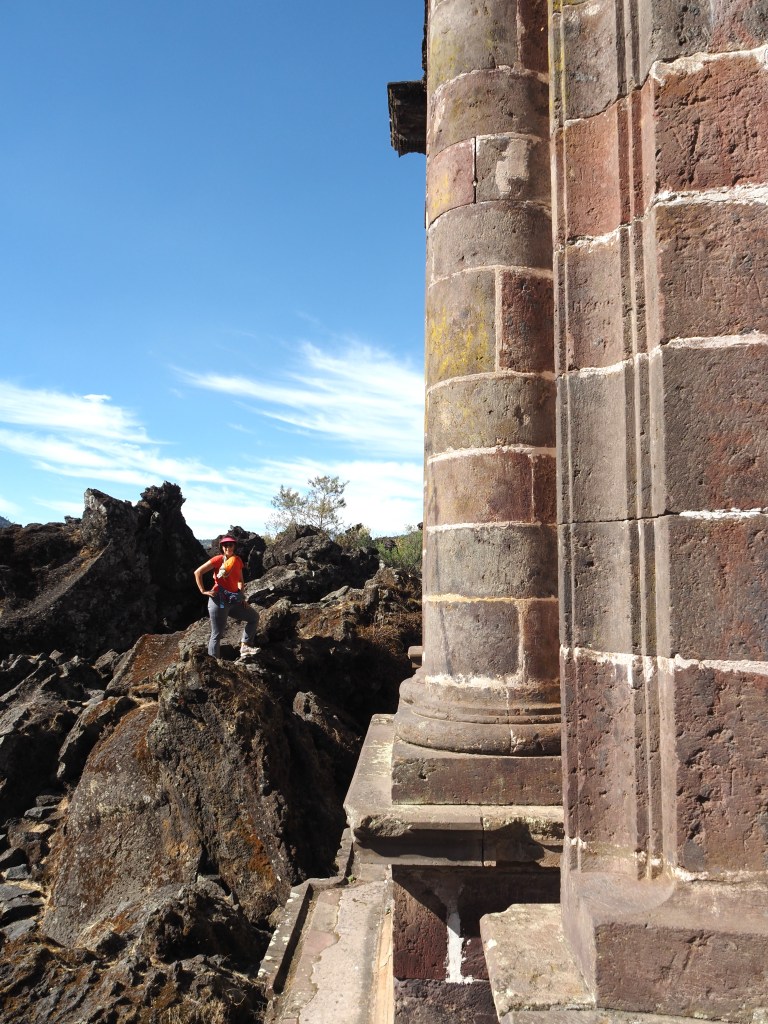
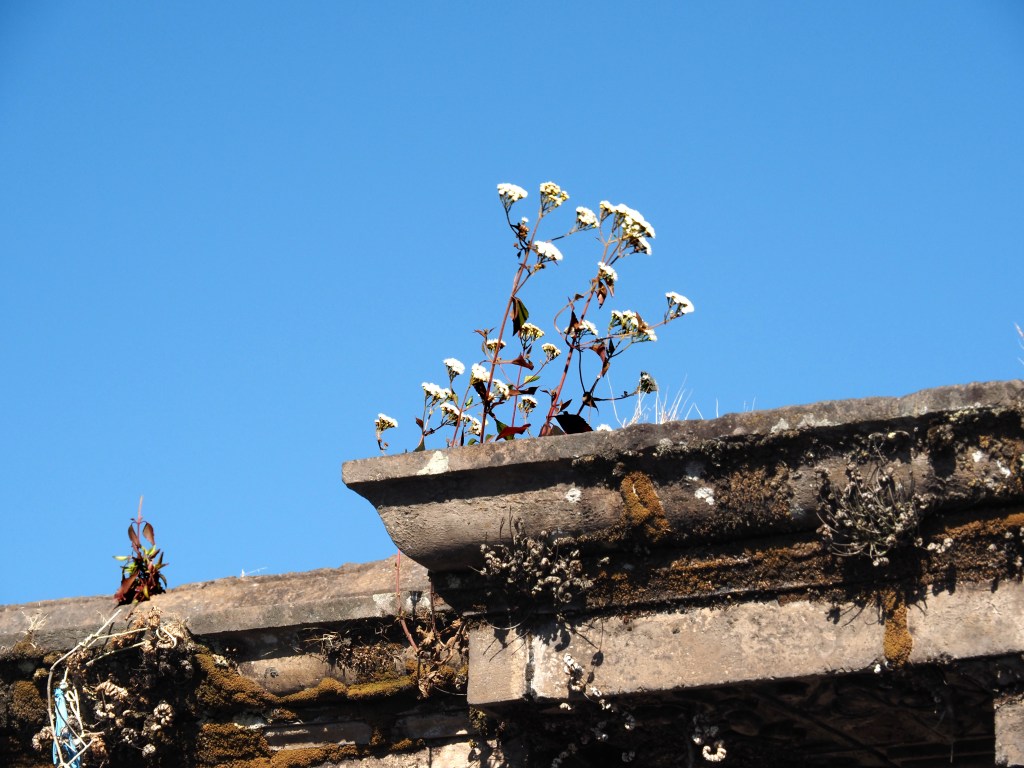
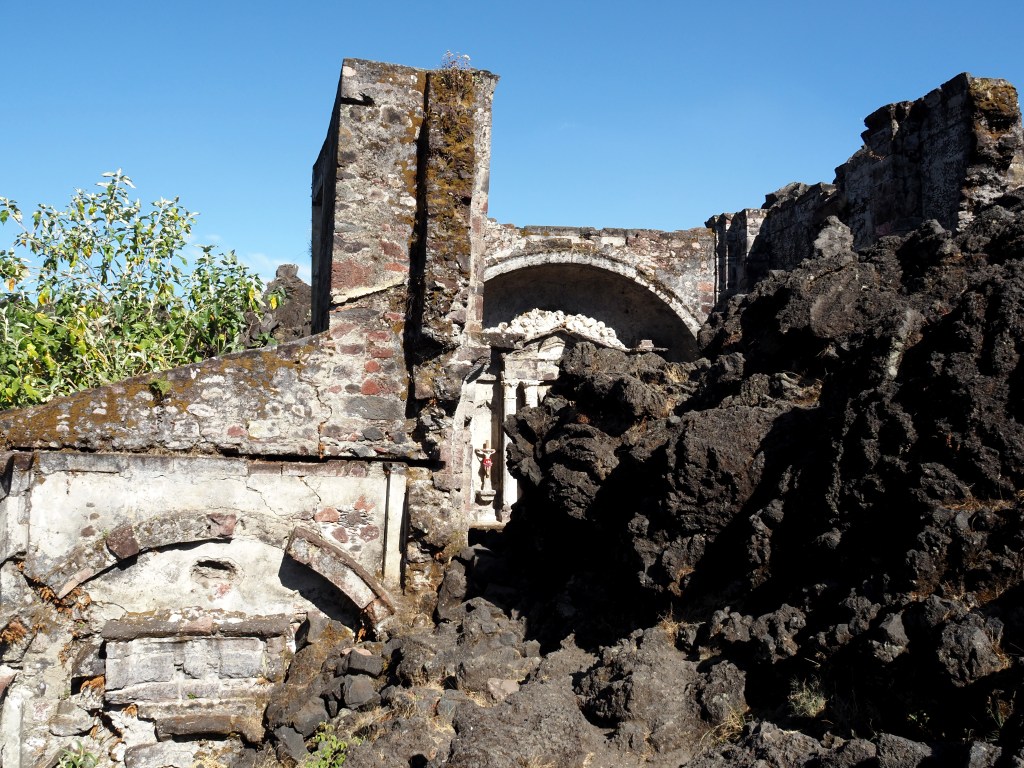
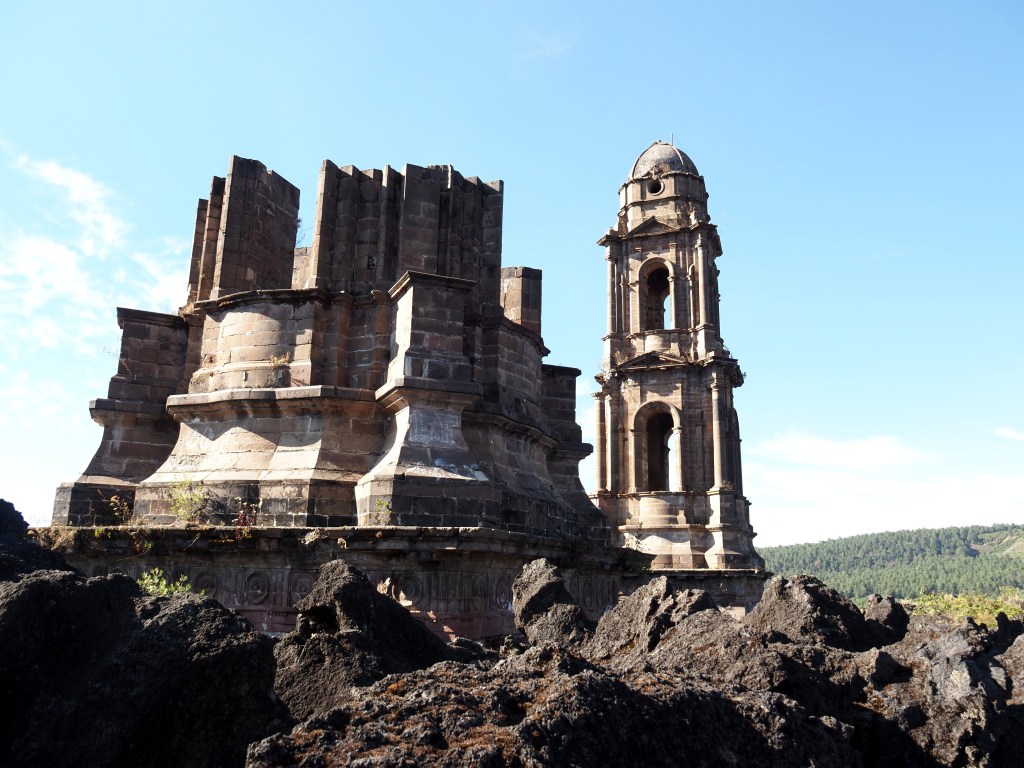
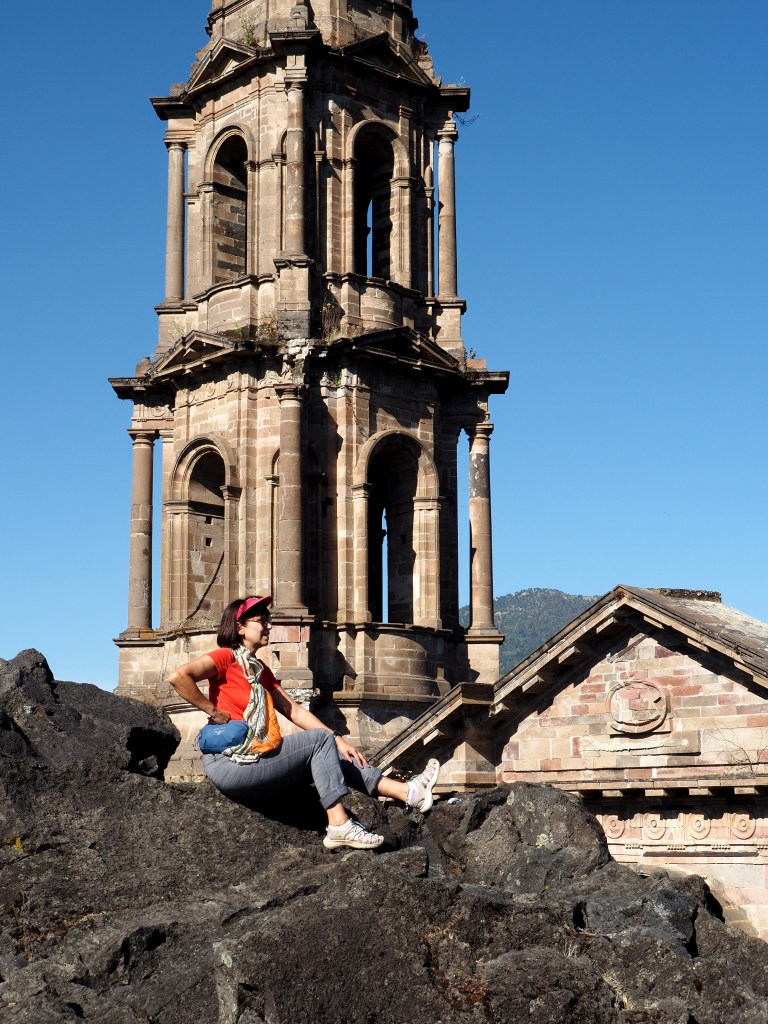
Unluckily, until the volcano reached its full size of 450 meters tall, two villages were buried by the slow-moving lava. The ruins of San Juan Parangaricutiro church are the only remains of them and a reminder of the force of nature.
And they are truly spectacular.




 hit the road...