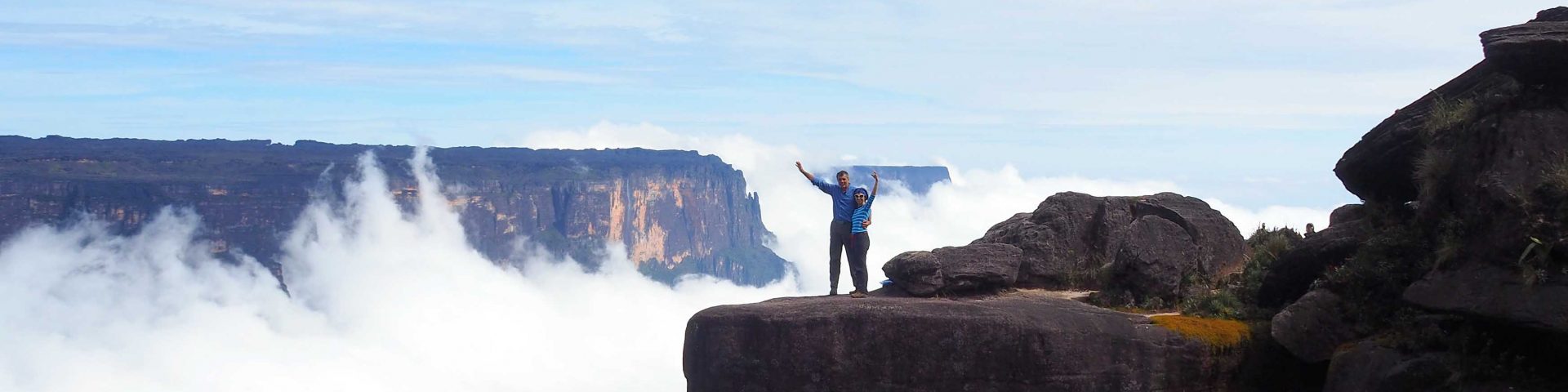
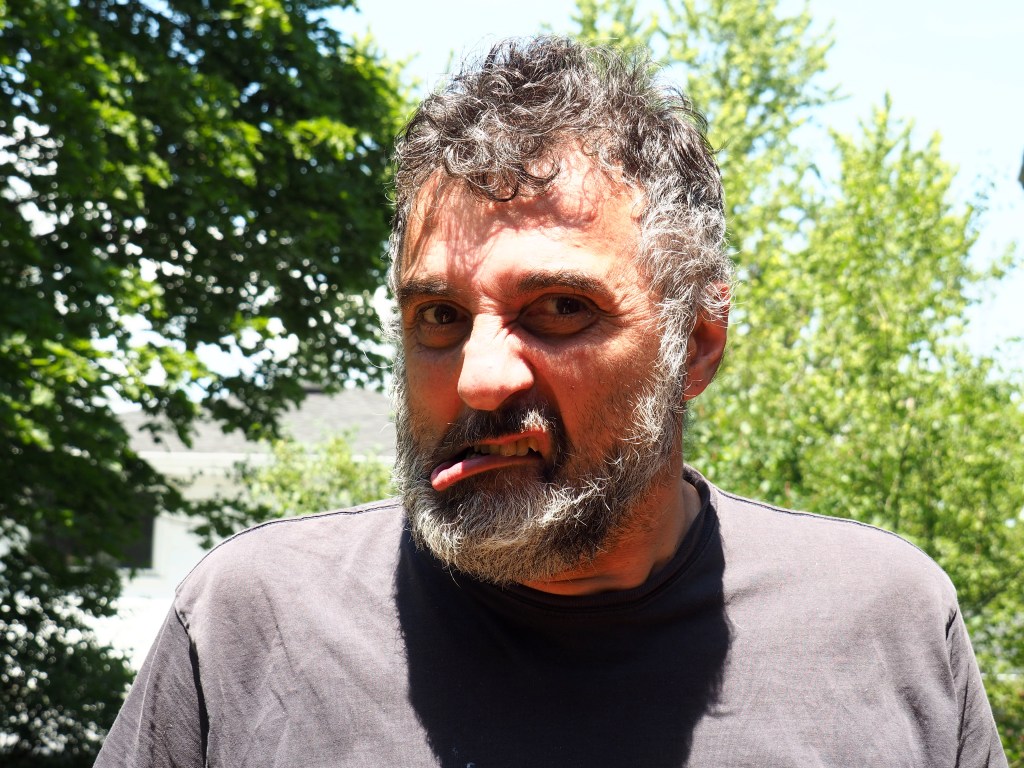
And just like that, we were in a lockdown… We got on the last plane home from Puerto Rico, and the next day all the borders were closed. As a protest to the COVID restrictions and all the “stay at home” policies, Ivan refused to shave and grew a huge beard. He promised to shave it when the virus is gone, or when he can travel again. After three months of sleeping next to a beast, I couldn’t wait to start travelling again.
Sometime in the middle of June, Iceland was the first country to announce a plan to ease the travelling restrictions and to open to tourists. On the very next day, we bought our tickets.
Flying transatlantic in the summer of 2020 was like going back in time to the luxury of early commercial air travel. The plane was almost empty and each of us had three seats to sleep in and get comfortable during the flight. When we arrived in Reykjavik, the first thing we did was a COVID test at the airport and after six hours we were cleared to explore the island.
The idea to go so far north in the middle of summer came from Ivan, the same way he insisted on spending August the previous year in Alaska. Although I hate cold and wet, after the last three months I would be easily convinced to go even to the North Pole.
For me, one of the big surprises in Iceland was the vivid green. There are many miles of green pastures, interrupted by black volcanic fields or colorful, naked earth. It has always been funny to me that Iceland is green, and Greenland is mostly covered by ice and snow. Yep, the names could be so elusive.
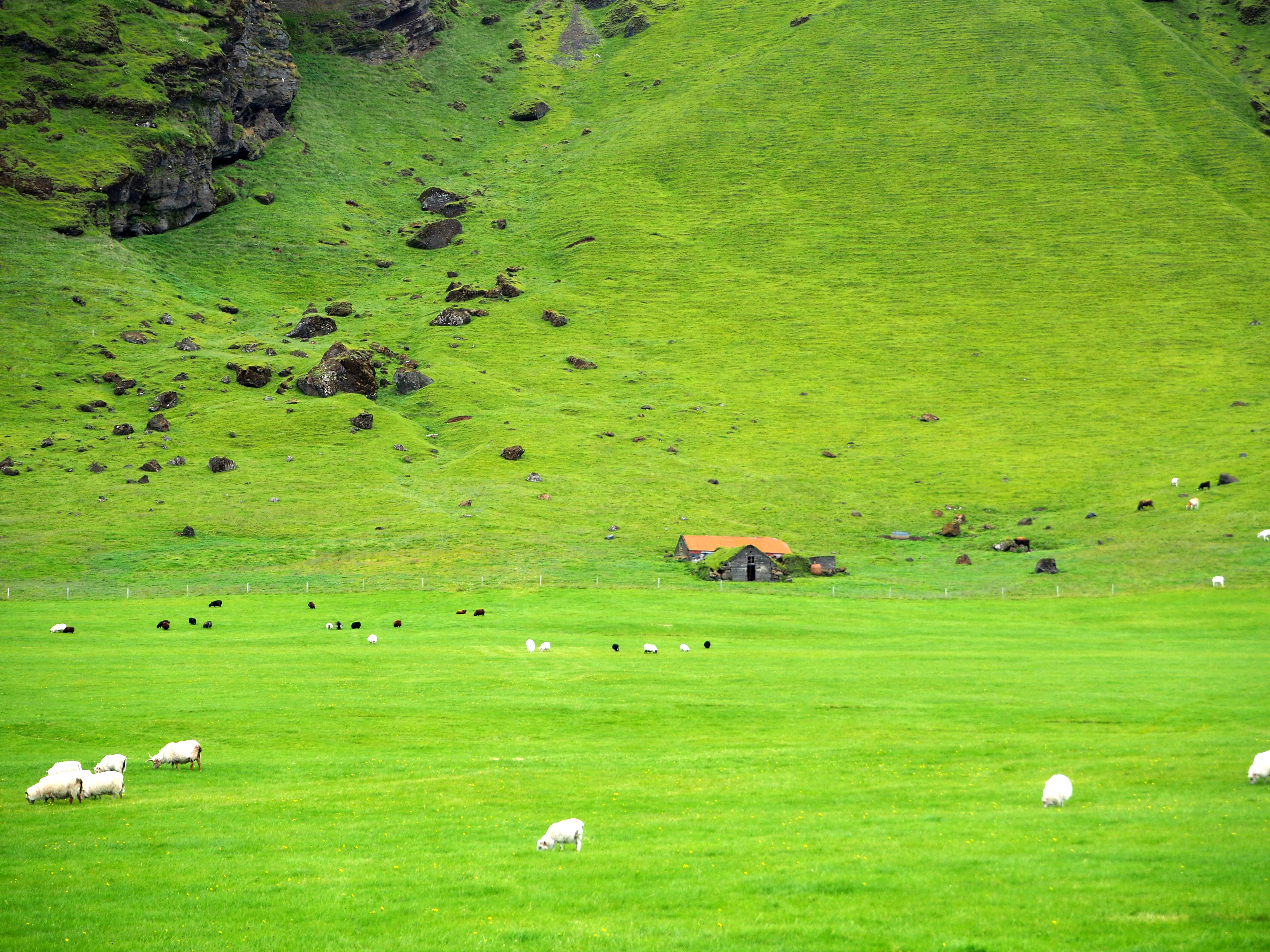
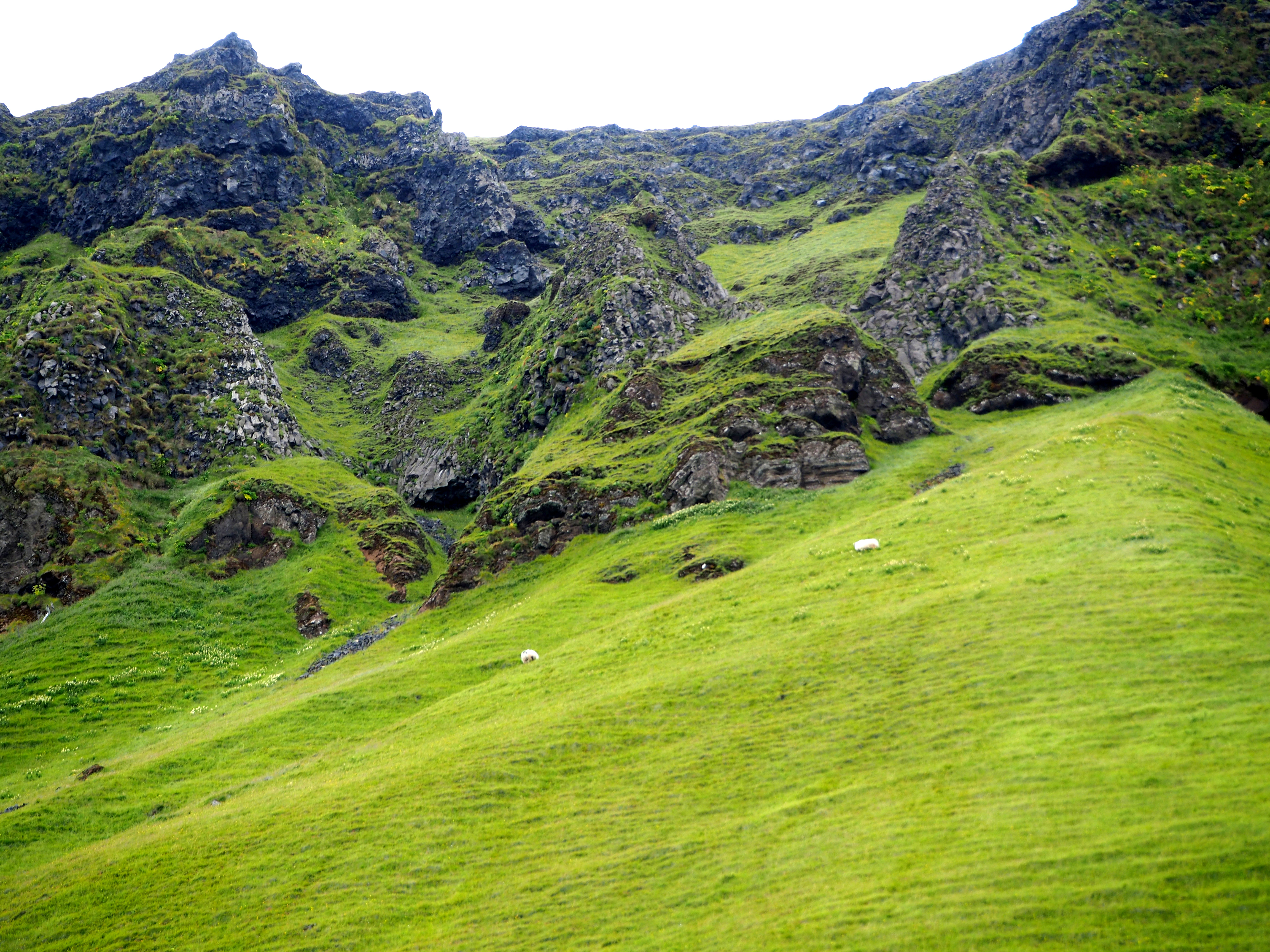
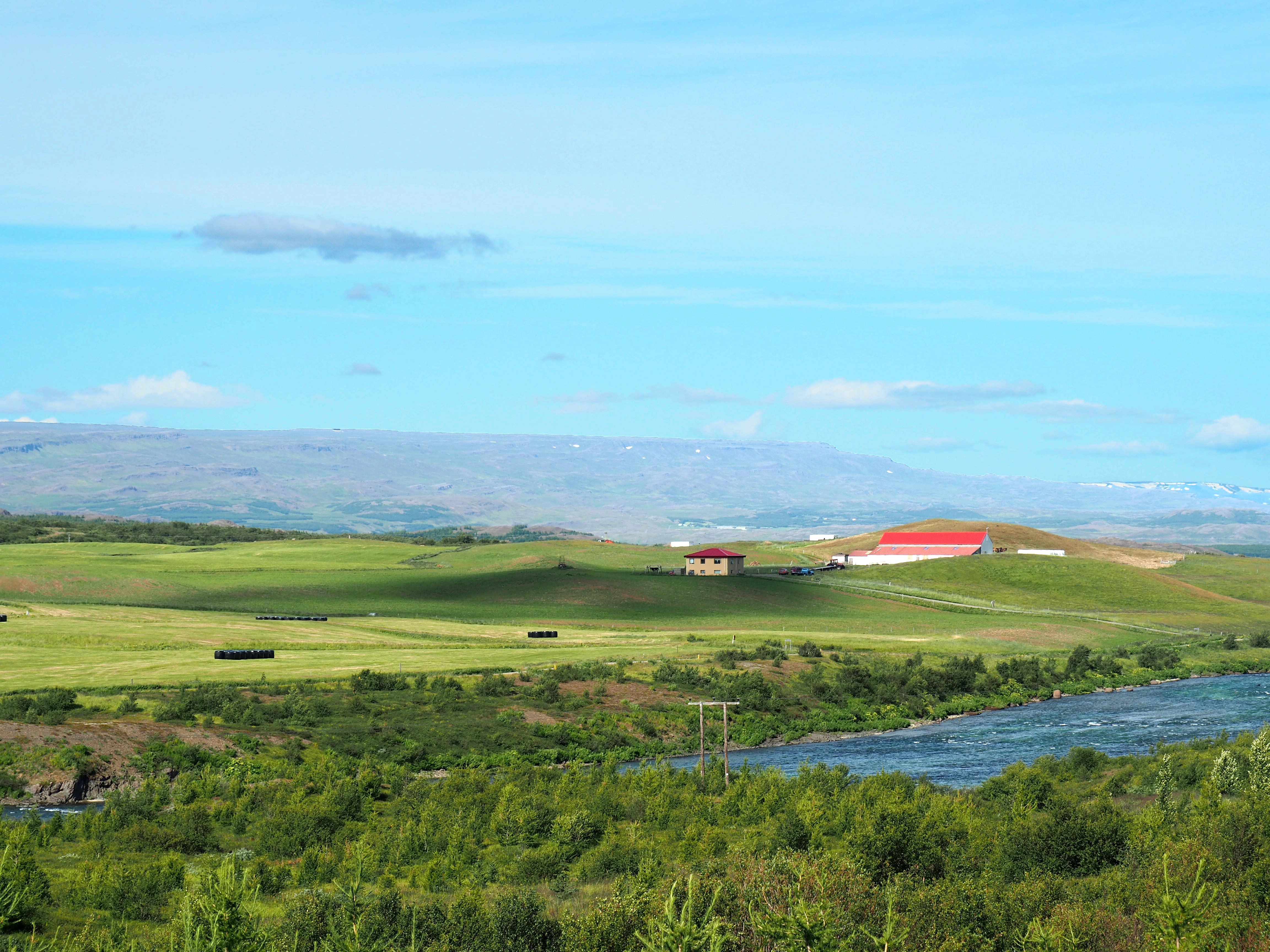
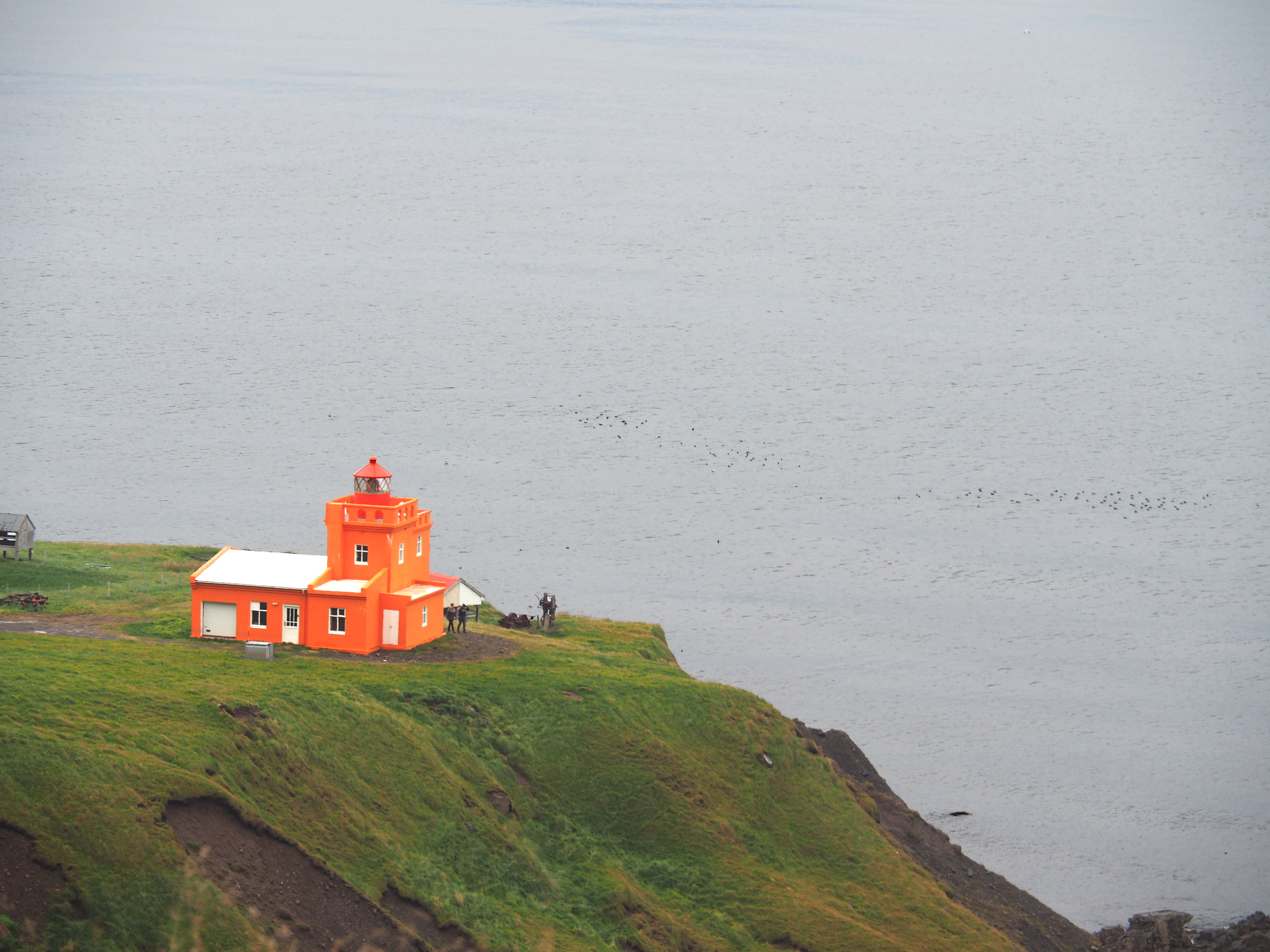
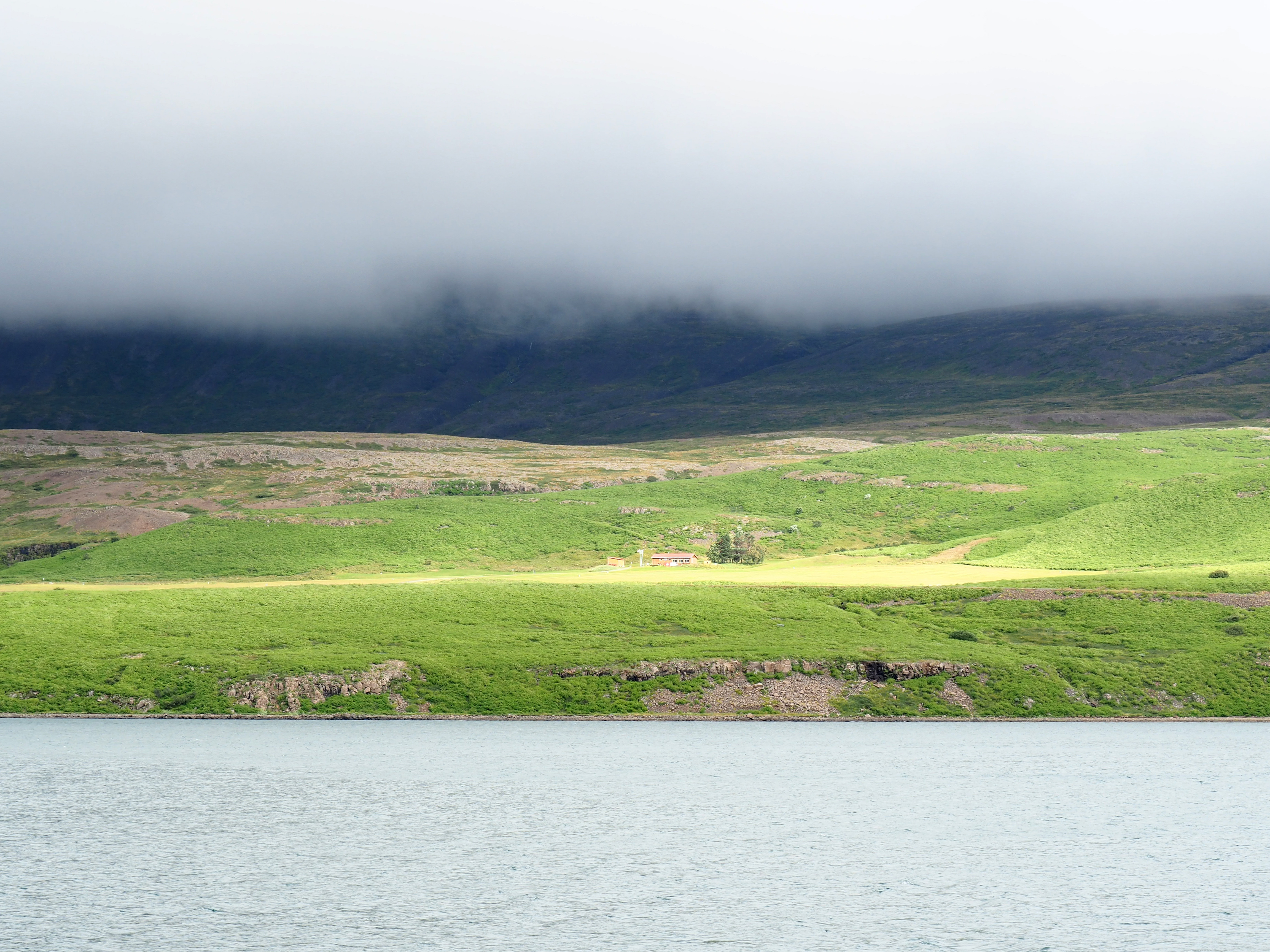
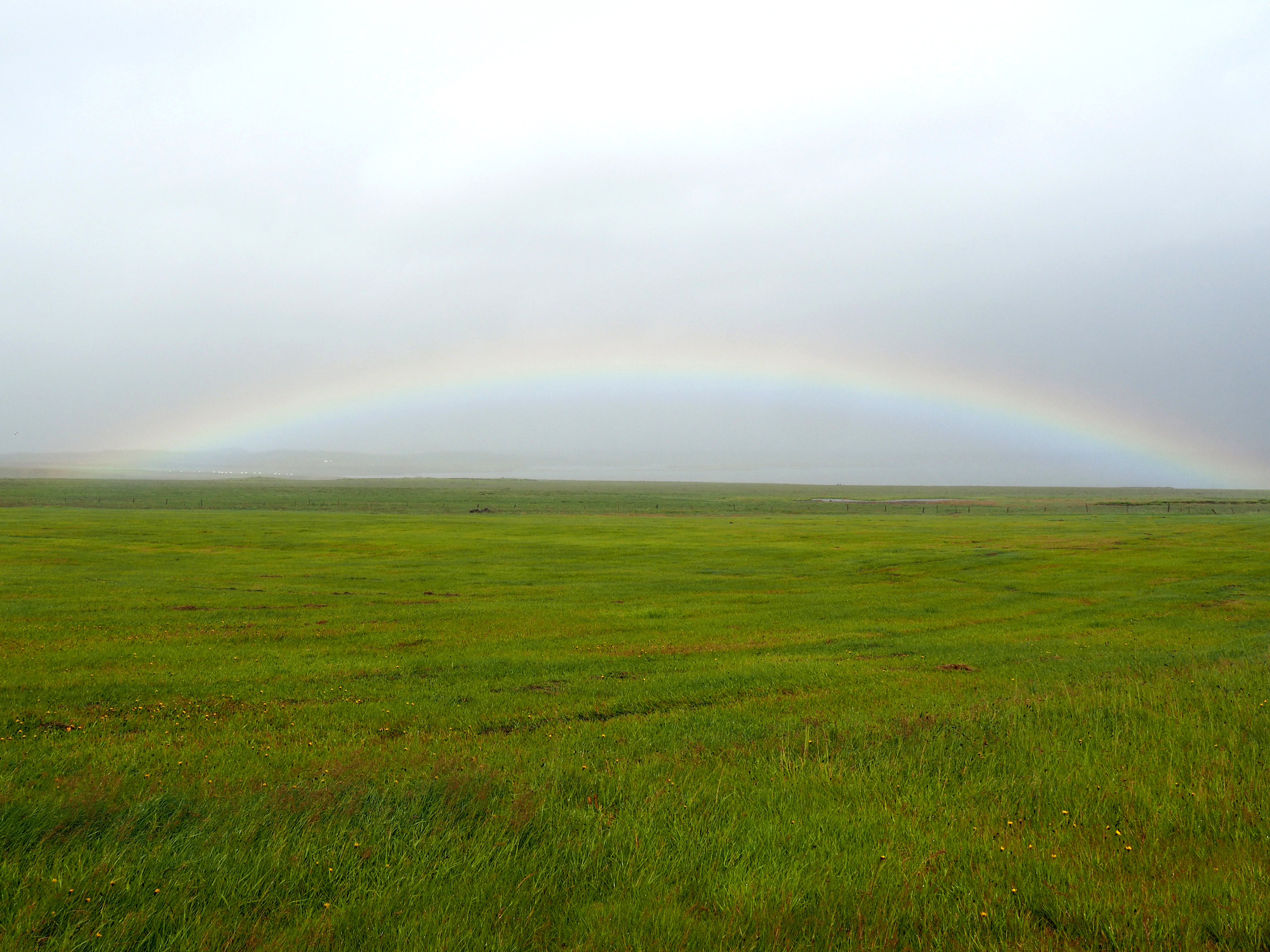
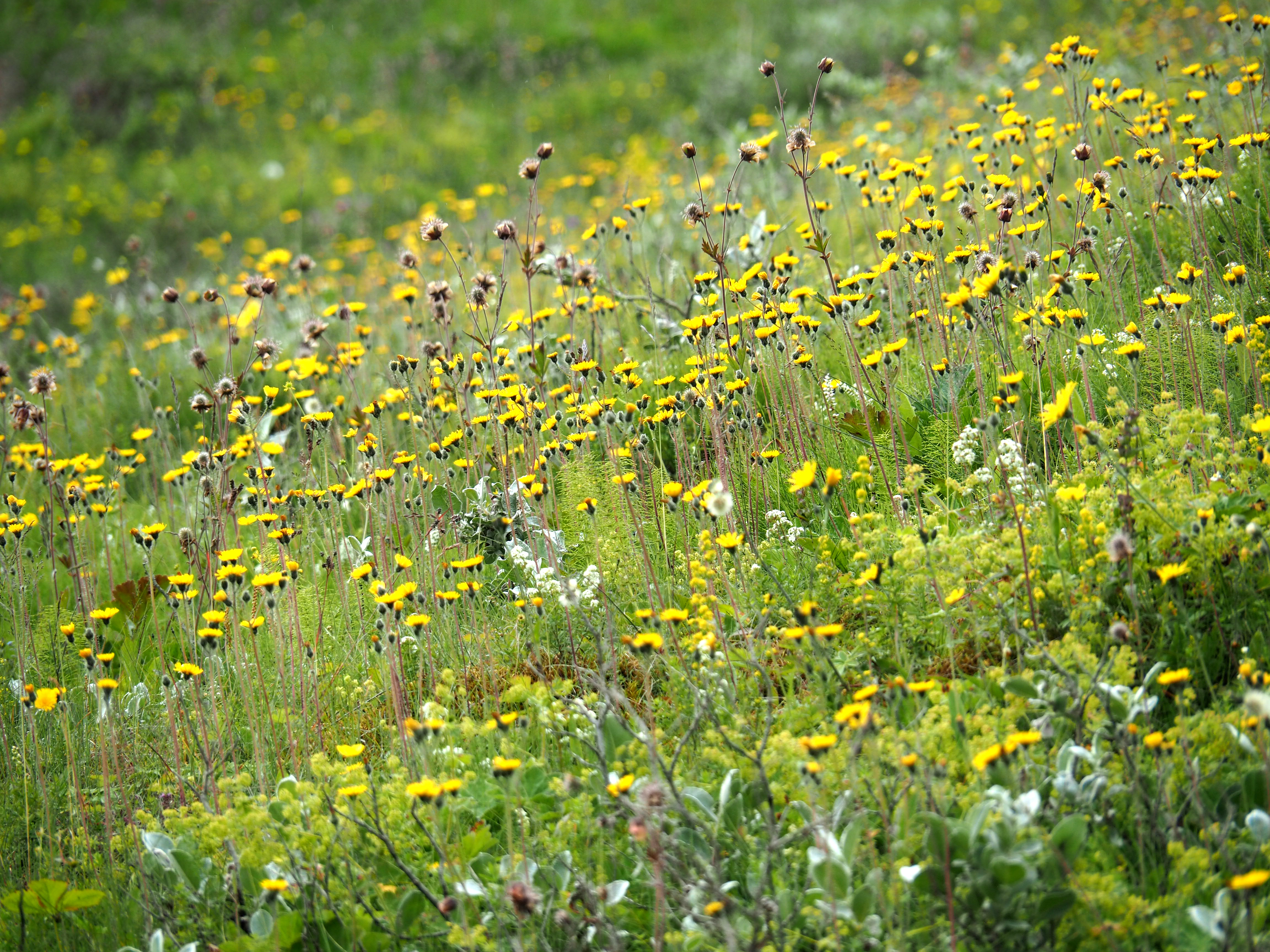
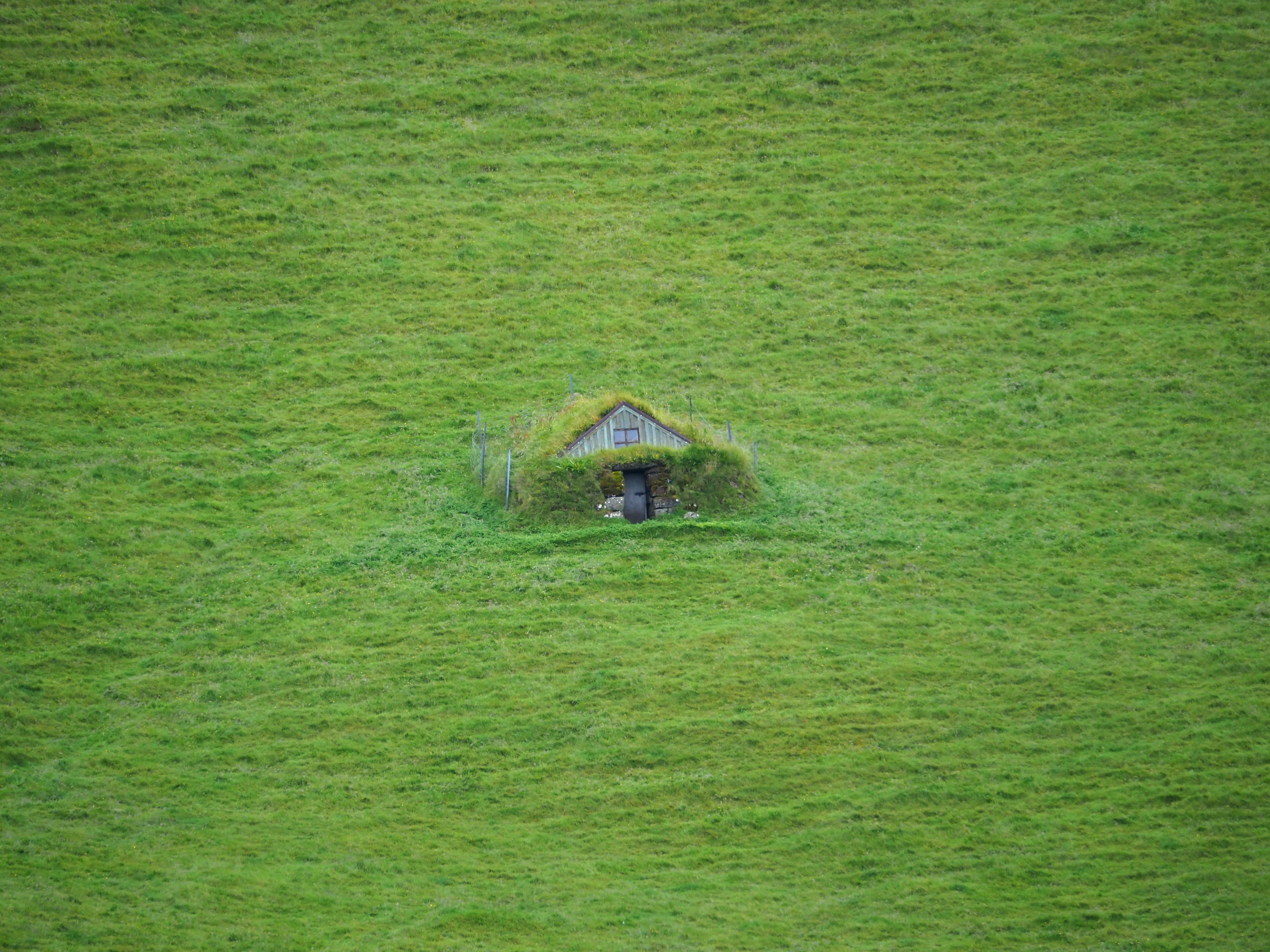
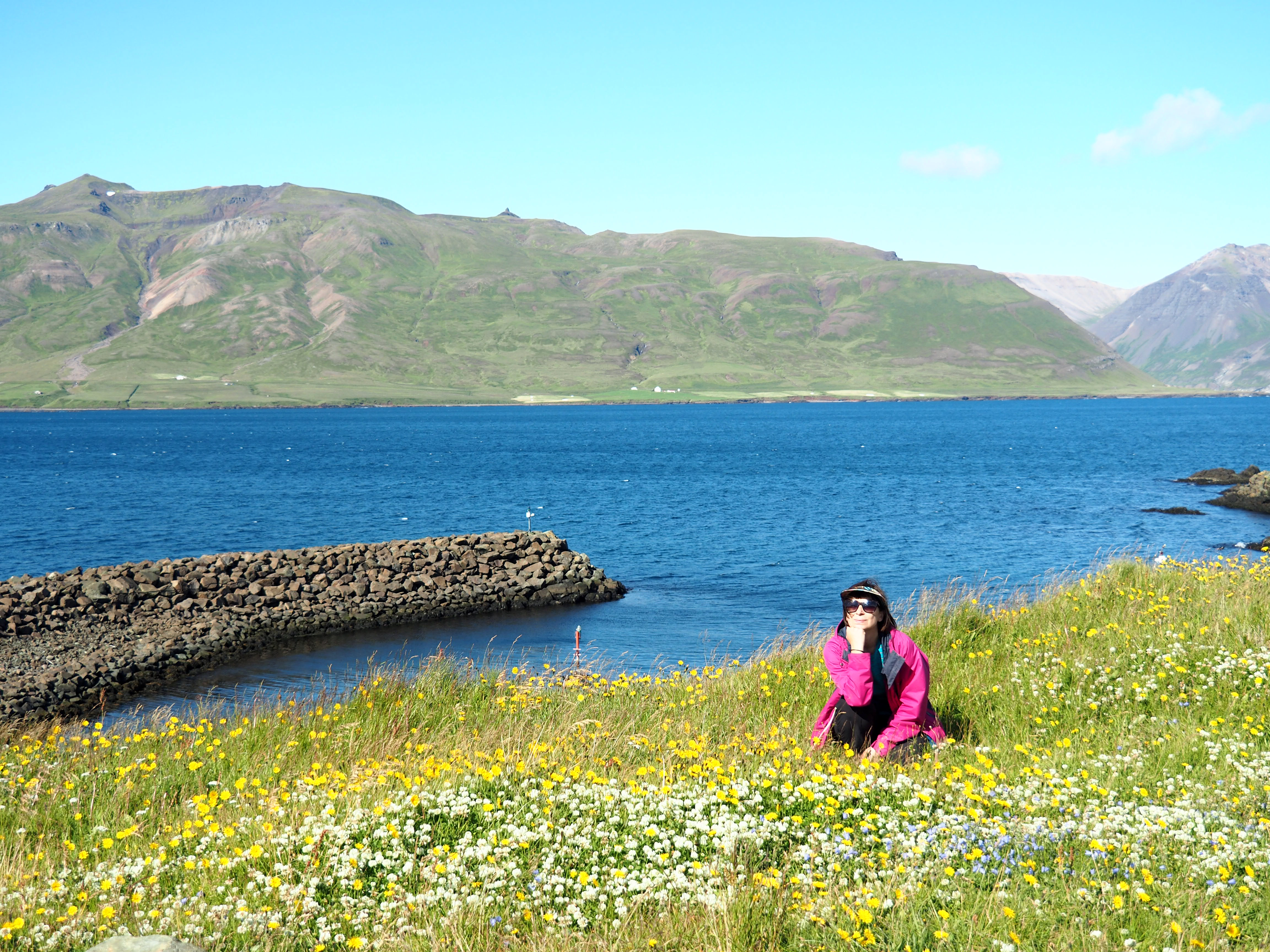
My first impression was that if somehow Alaska marries Hawaii, Iceland will be their child. The scenery was Hawaiian, but the temperatures were mostly Alaskan.
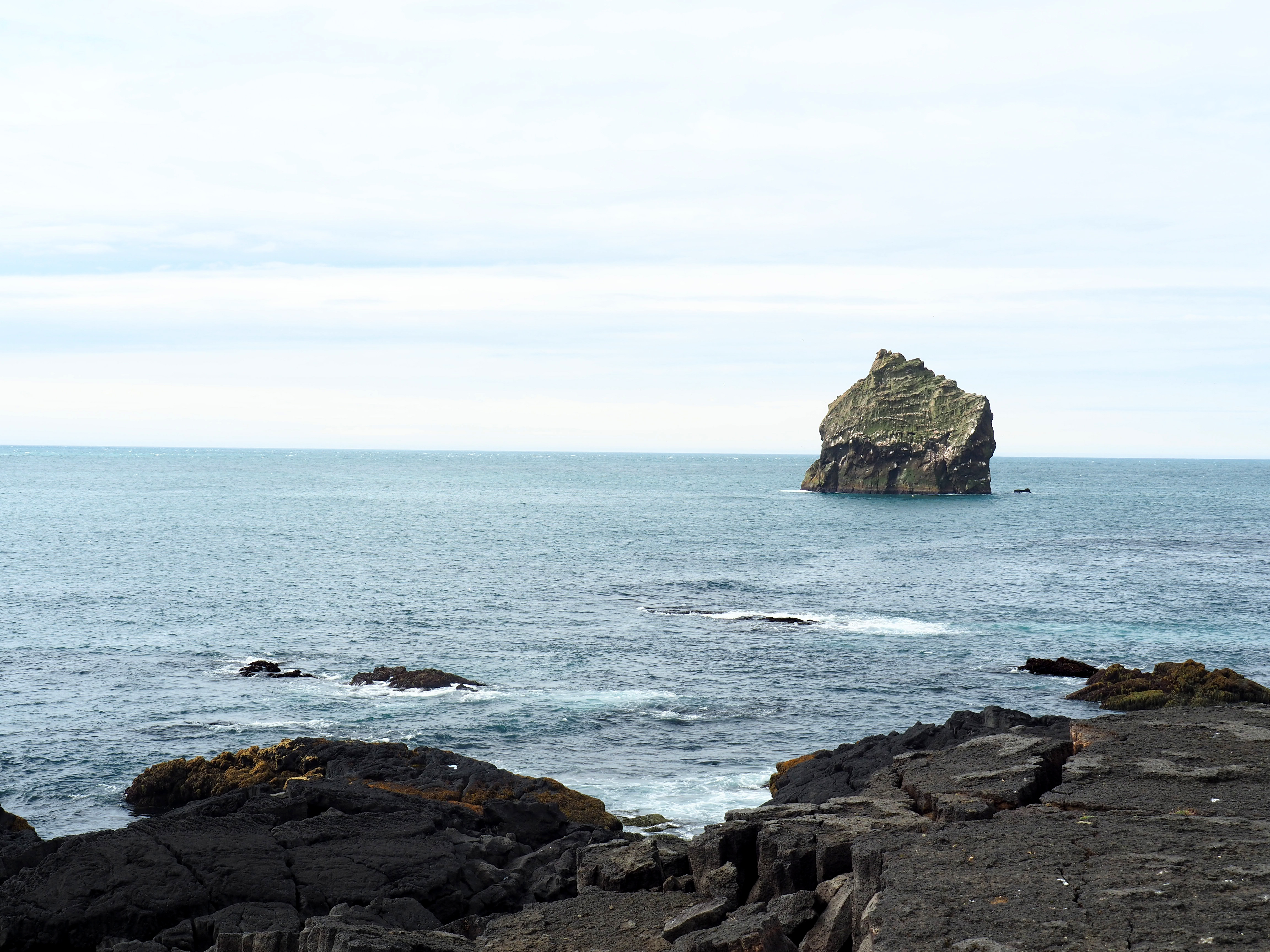
On the first day, we decided to visit the bridge between the continents at Sandvík. As the Reykjavik peninsula lies on the Mid-Atlantic Ridge, there you can supposedly walk on a bridge between North America and Eurasian plates. Of course, I know that these two plates are several kilometers apart and as the bridge doesn’t cover this distance is more symbolic than a real bridge between the two continents, but it is a great photo stop.
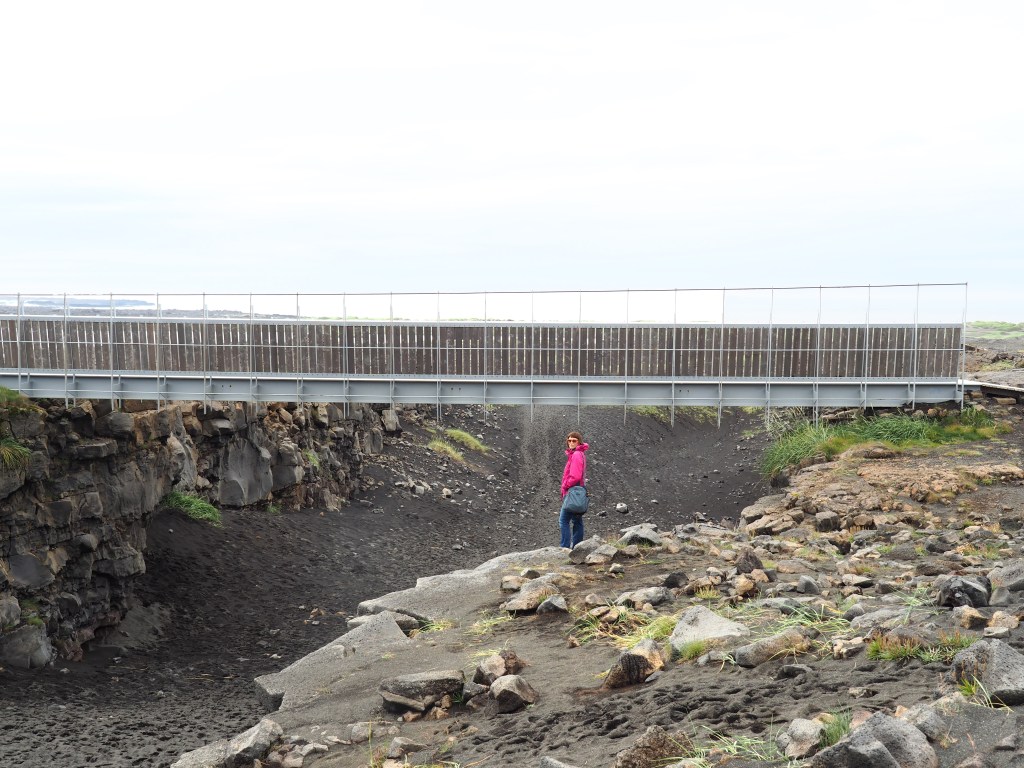
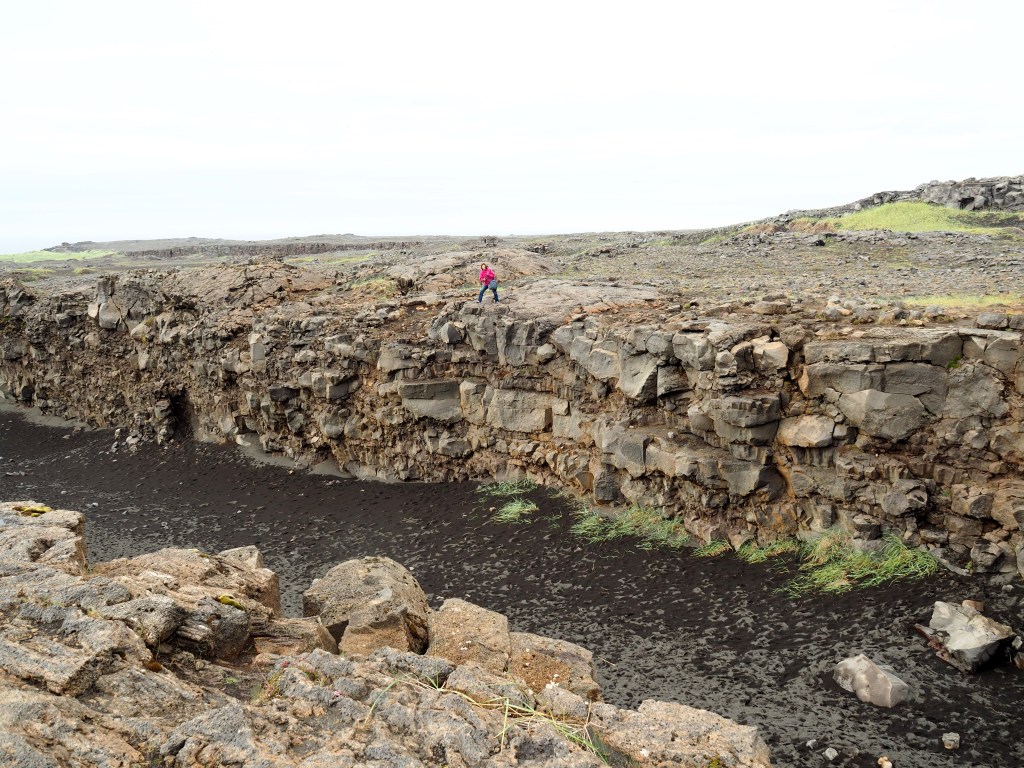
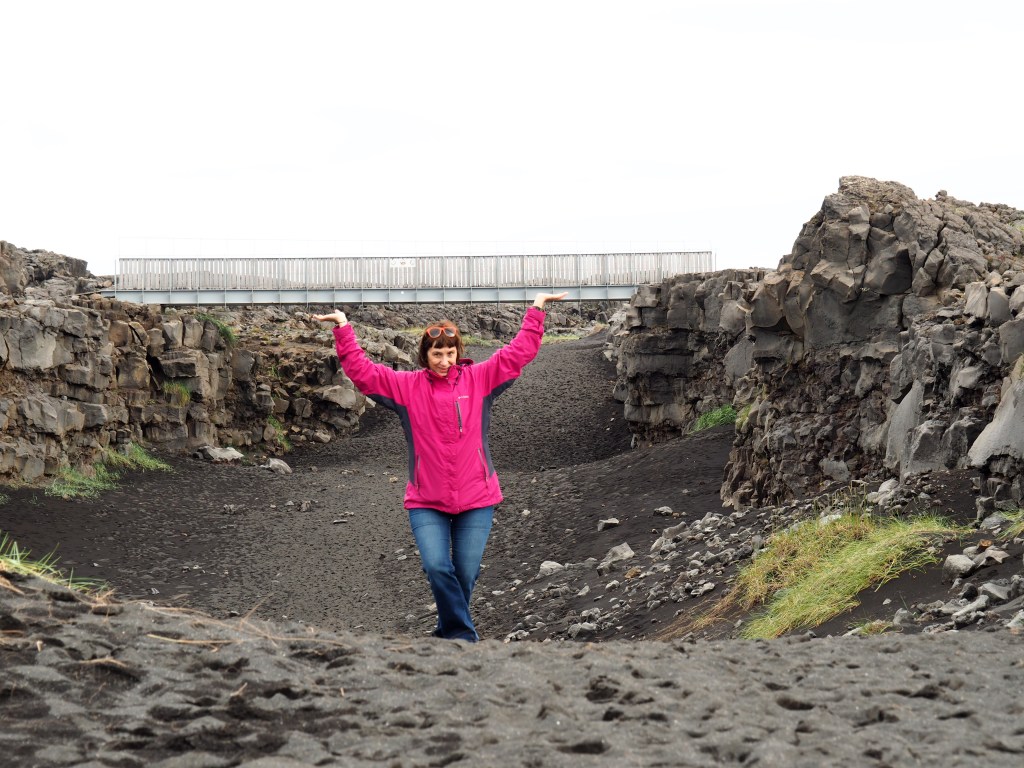
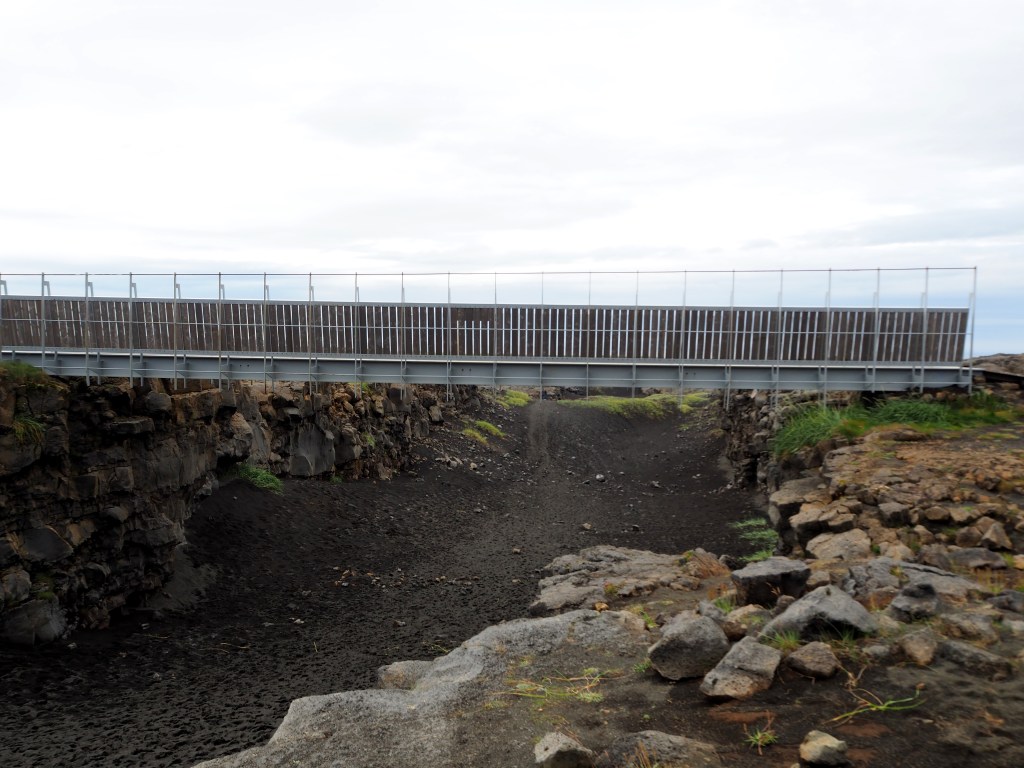

After walking on the bridge between continents, we couldn’t miss the diving between the continents. And like that, early next morning, we were at Silfra Fissure in Thingvellir National Park putting on a dry suit and getting ready for the experience.
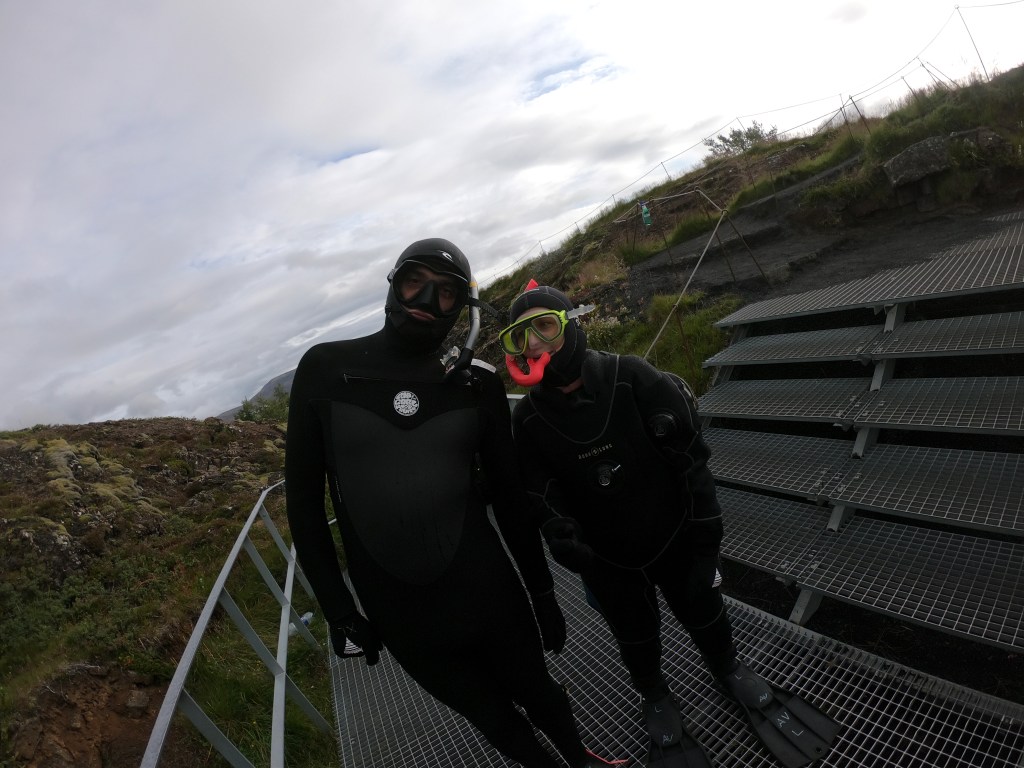
I really can’t understand why I am putting myself through this. I can’t swim, I am afraid of water, I hate cold, the air temperature was in the single digits, the water temperature was dangerously close to freezing. It must be Facebook. As Ivan put it: “As long as it will look flashy on your Facebook page, you are ready to do anything”. So, can I claim myself as a victim of social media?
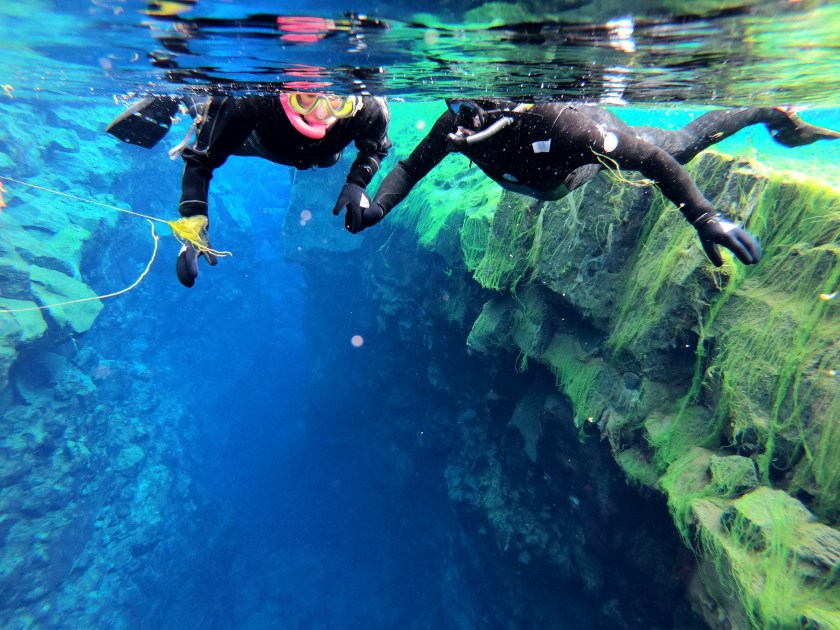
Joke aside, the experience was worth all the cold and the fear. Silfra is a submerged crack between the North American and Eurasian tectonic plates, offering us the opportunity to literally swim or dive between the continents.
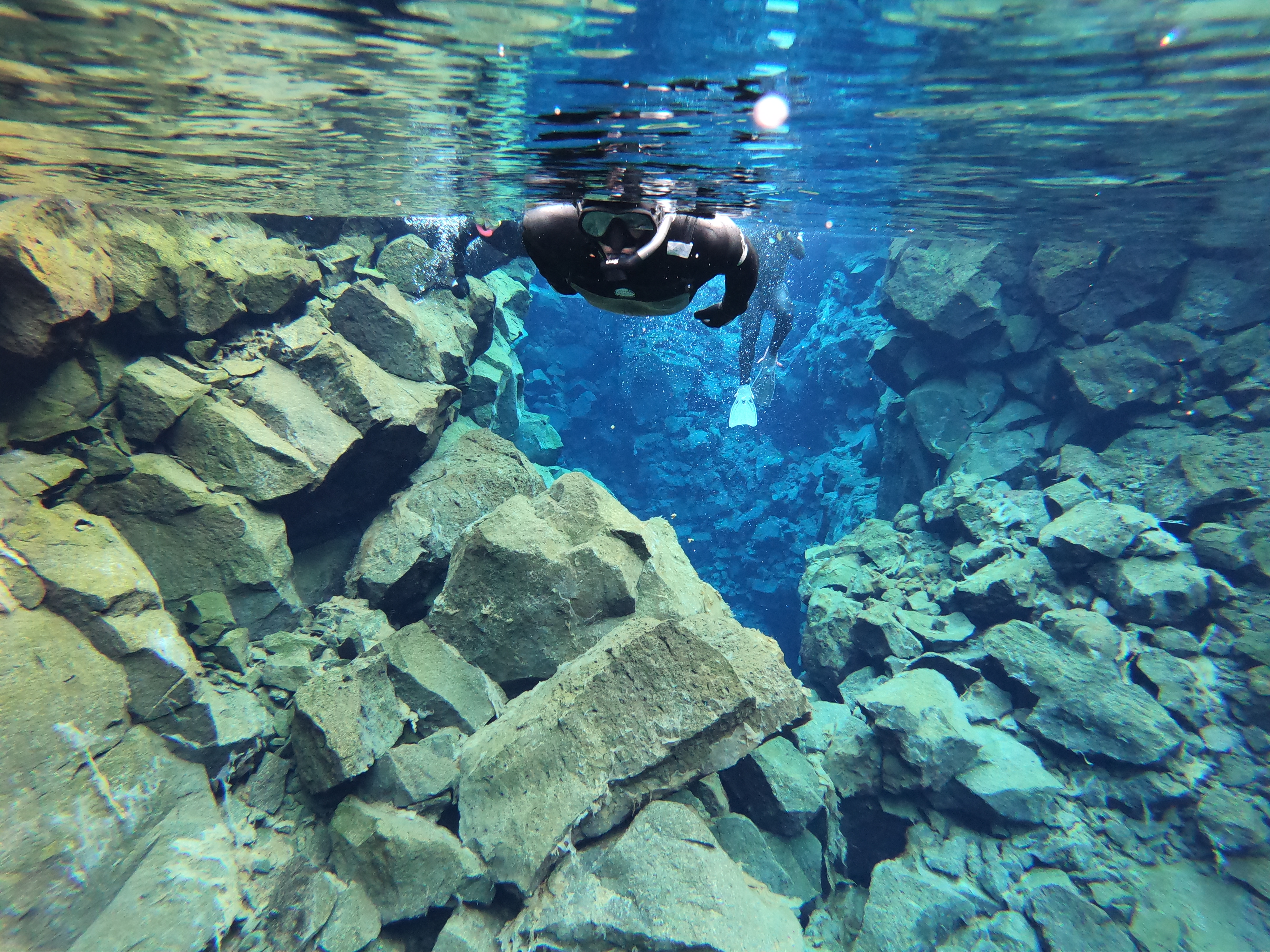
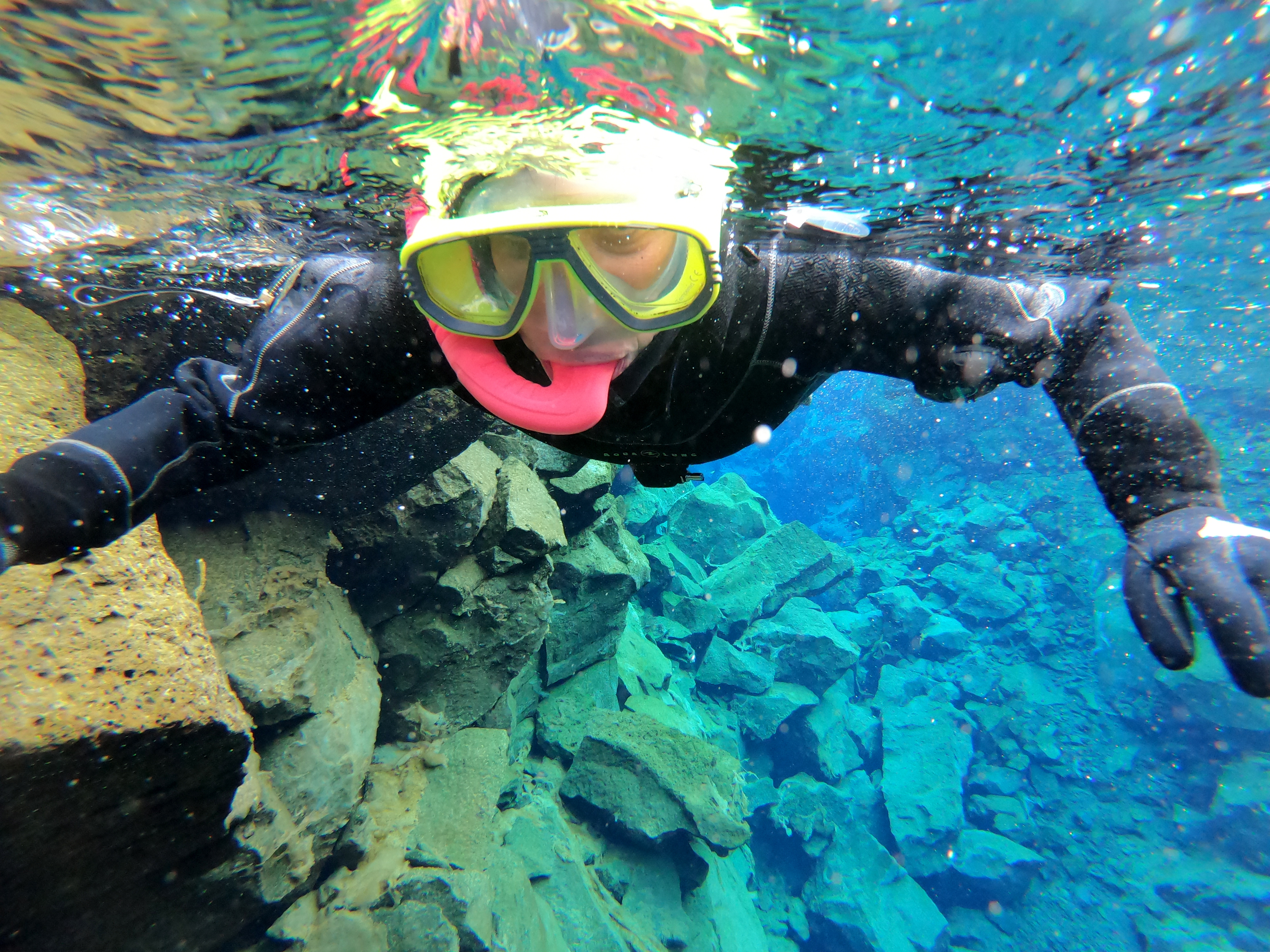
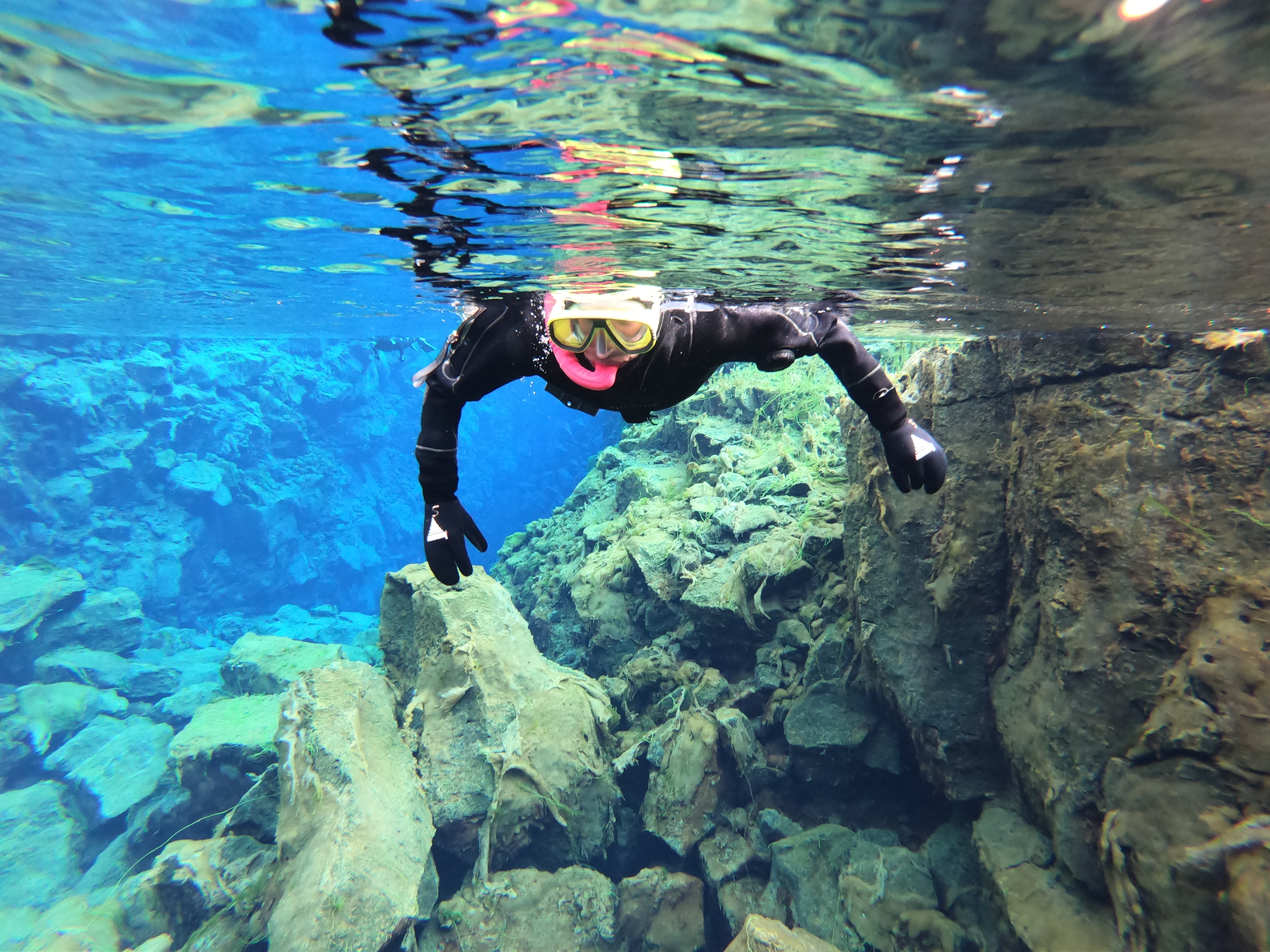
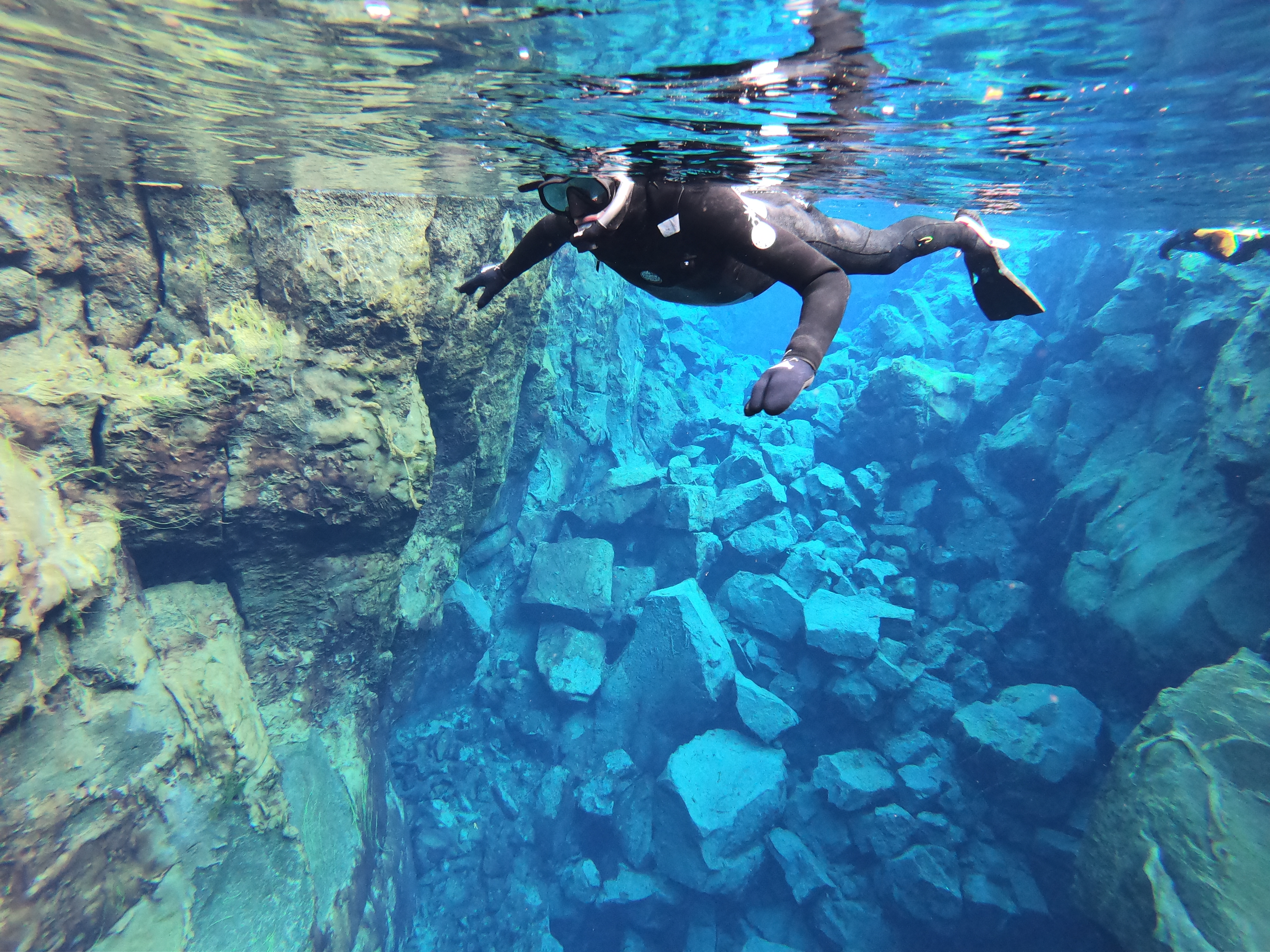
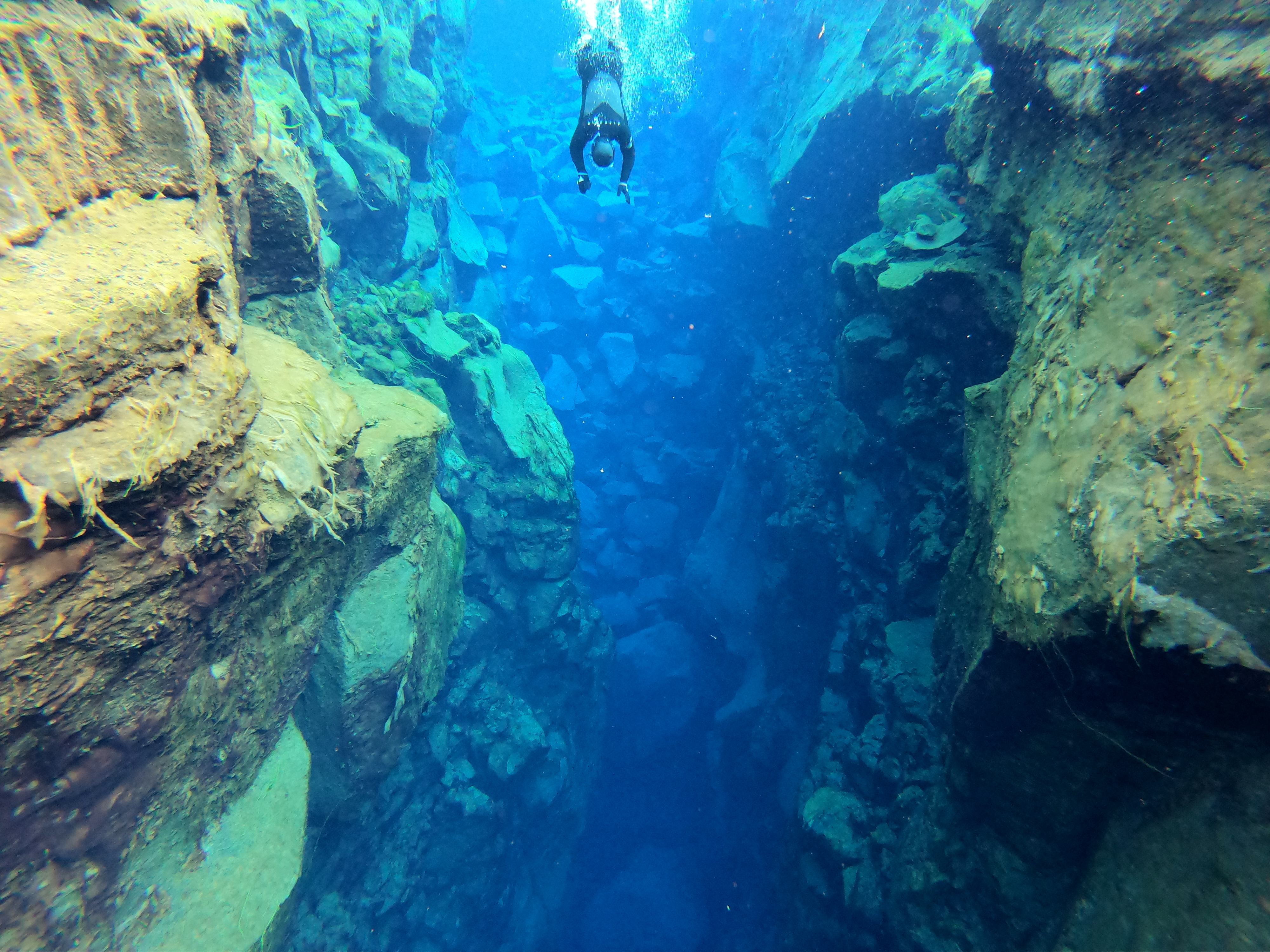
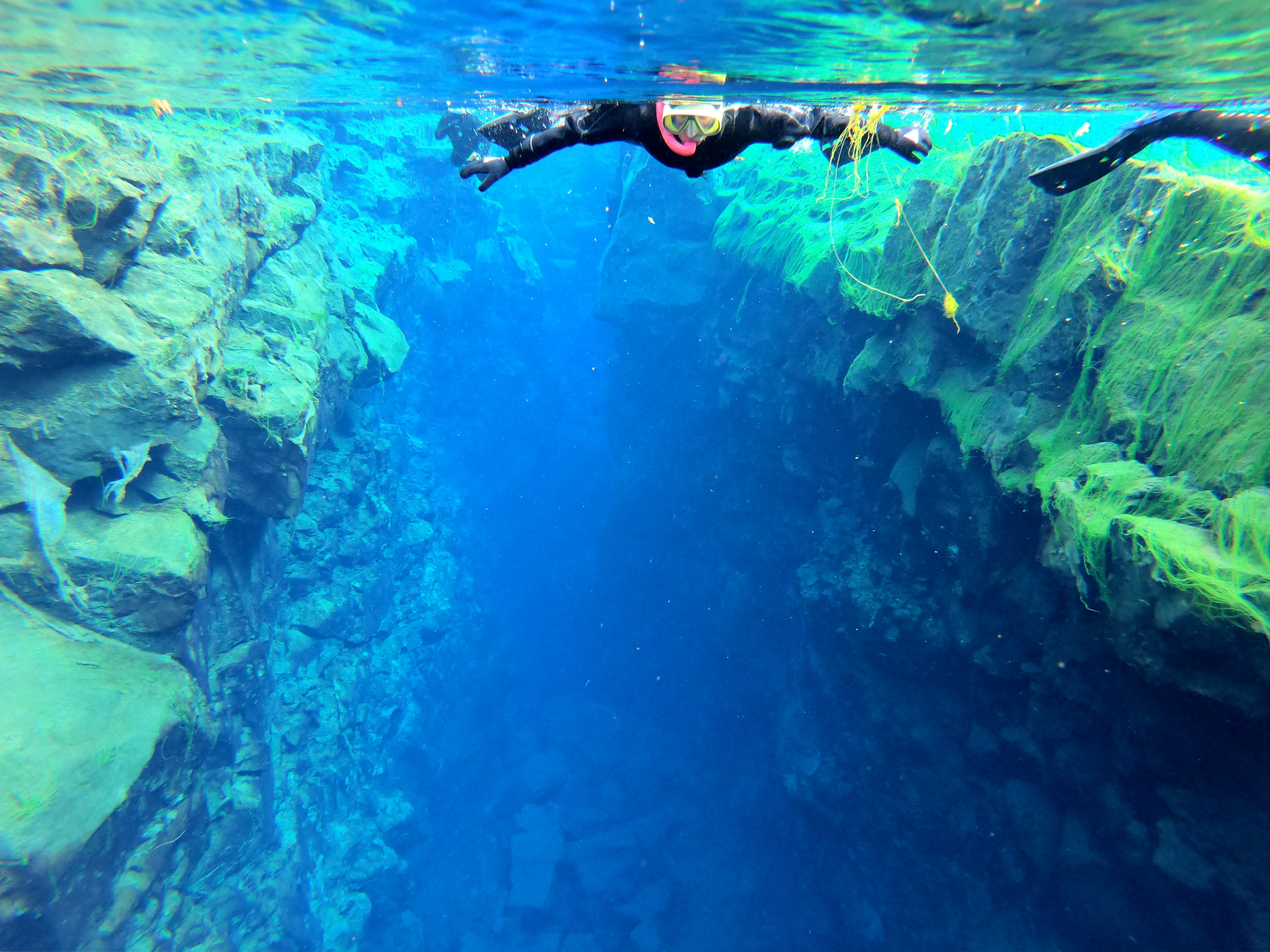
The diving was magical and surreal. The water was crystal-clear and so pristine that we saw the underwater landscape with remarkable clarity, including the rocks, the fissures, and the unique geological formations. But the water was on the cold side. What a surprise. Of course, the water in an Icelandic river will be cold. It is glacial meltwater from the nearby Langjökull glacier. It has been filtered through porous volcanic rocks for decades, resulting in extremely pure and cold water. Ivan was in a wet suit and dived deeper between the fissures, close to the fascinating geological features, such as narrow canyons and towering rock walls, but I opted to stay close to the surface.
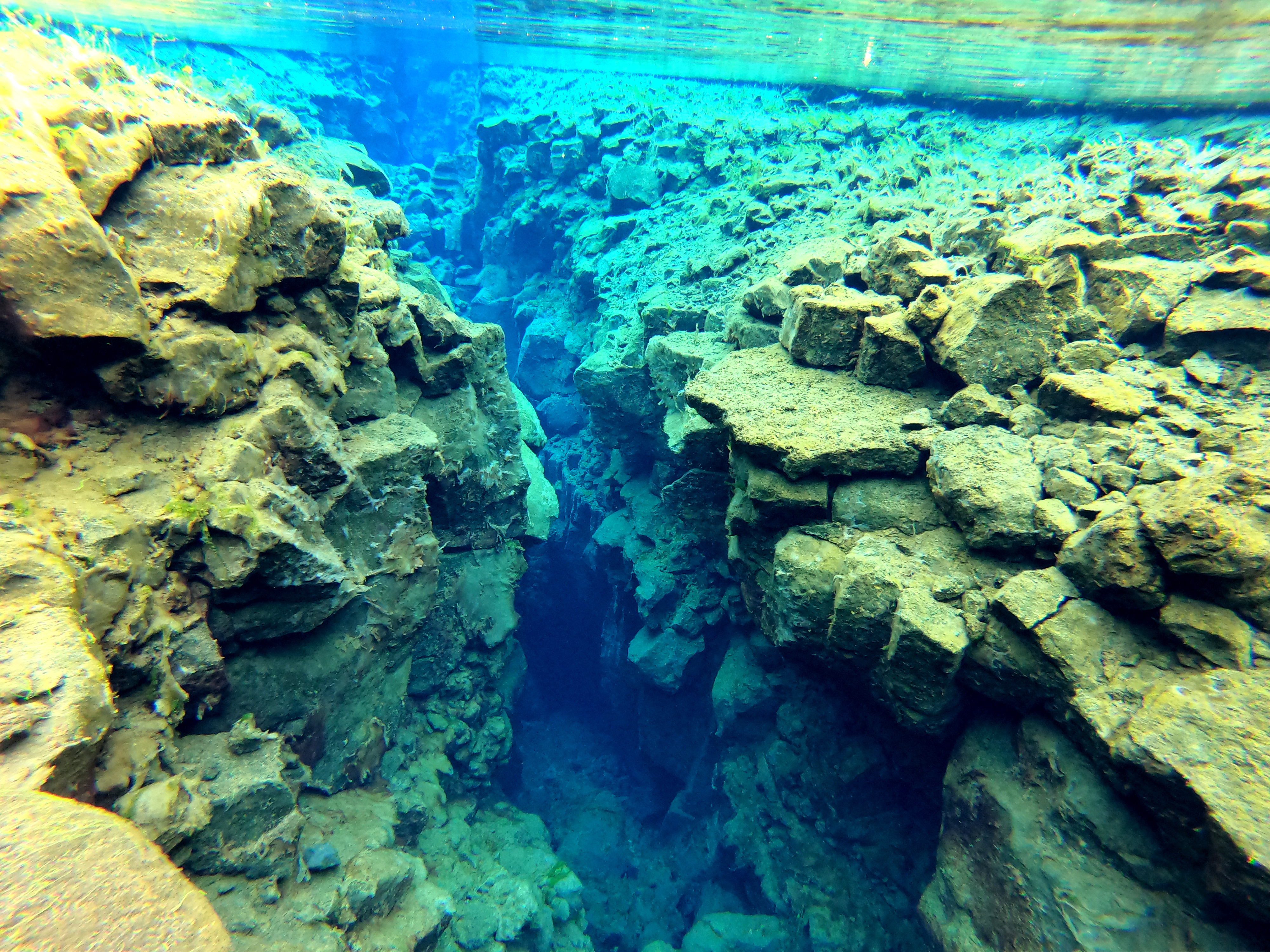
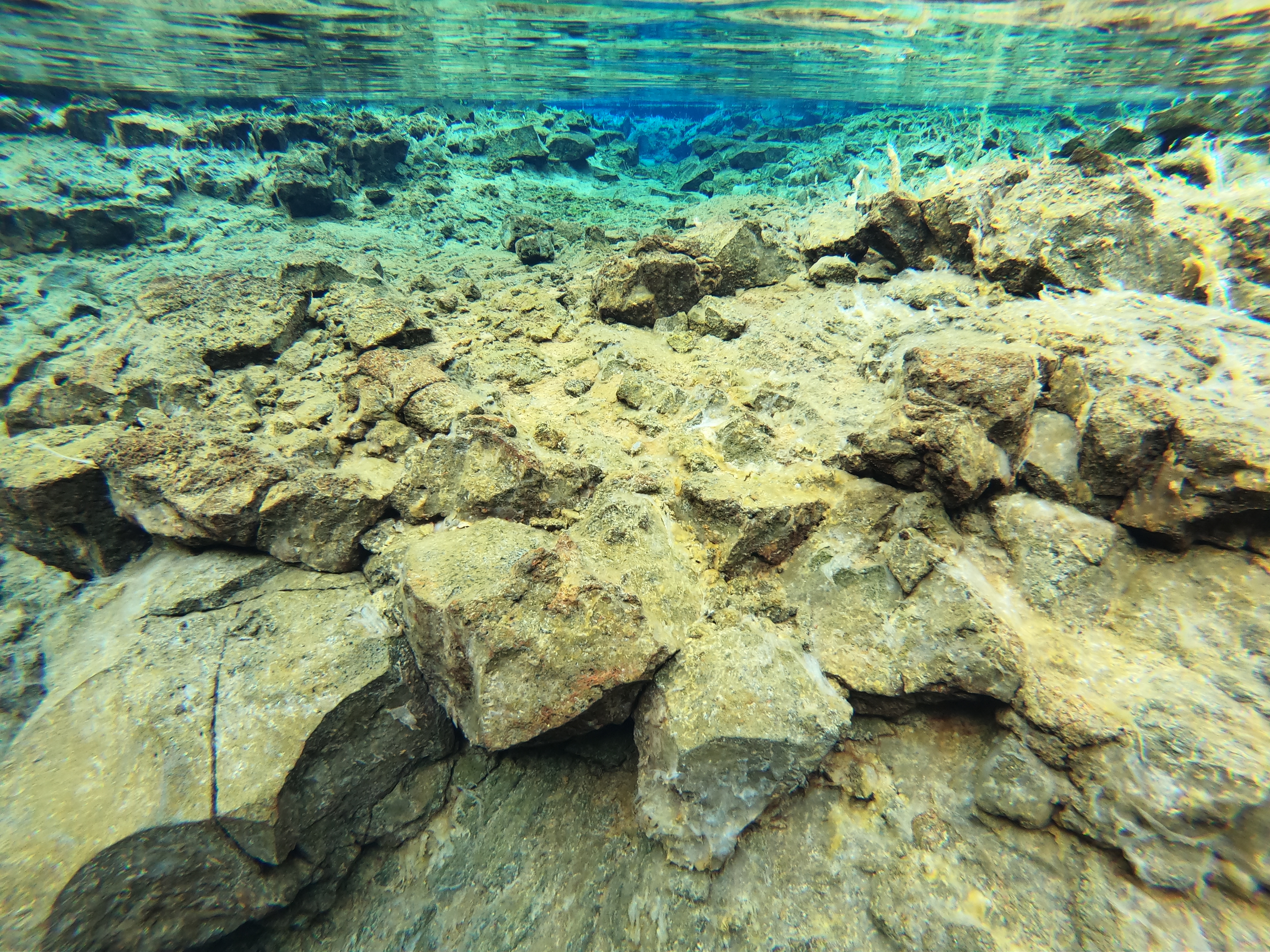
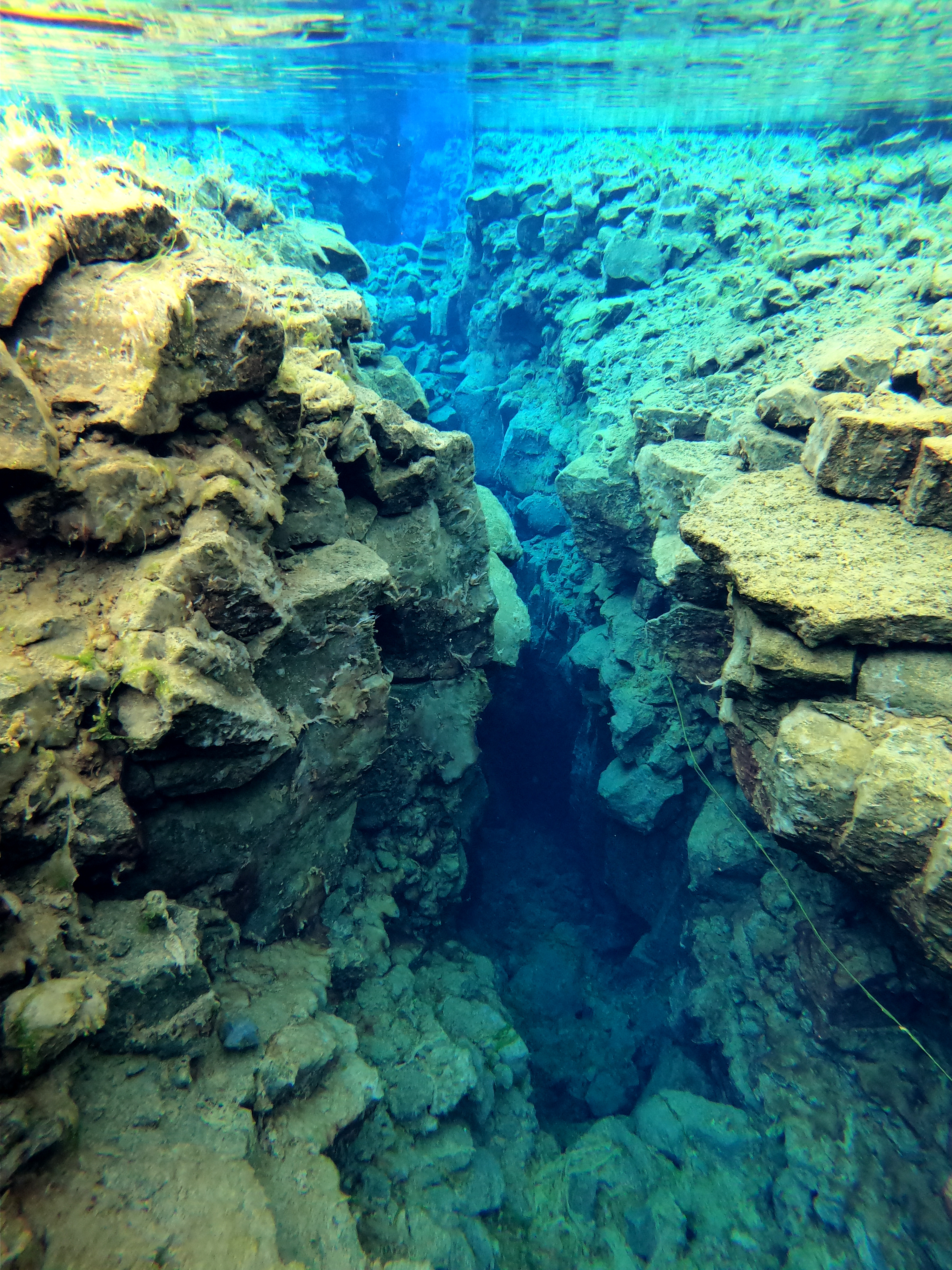

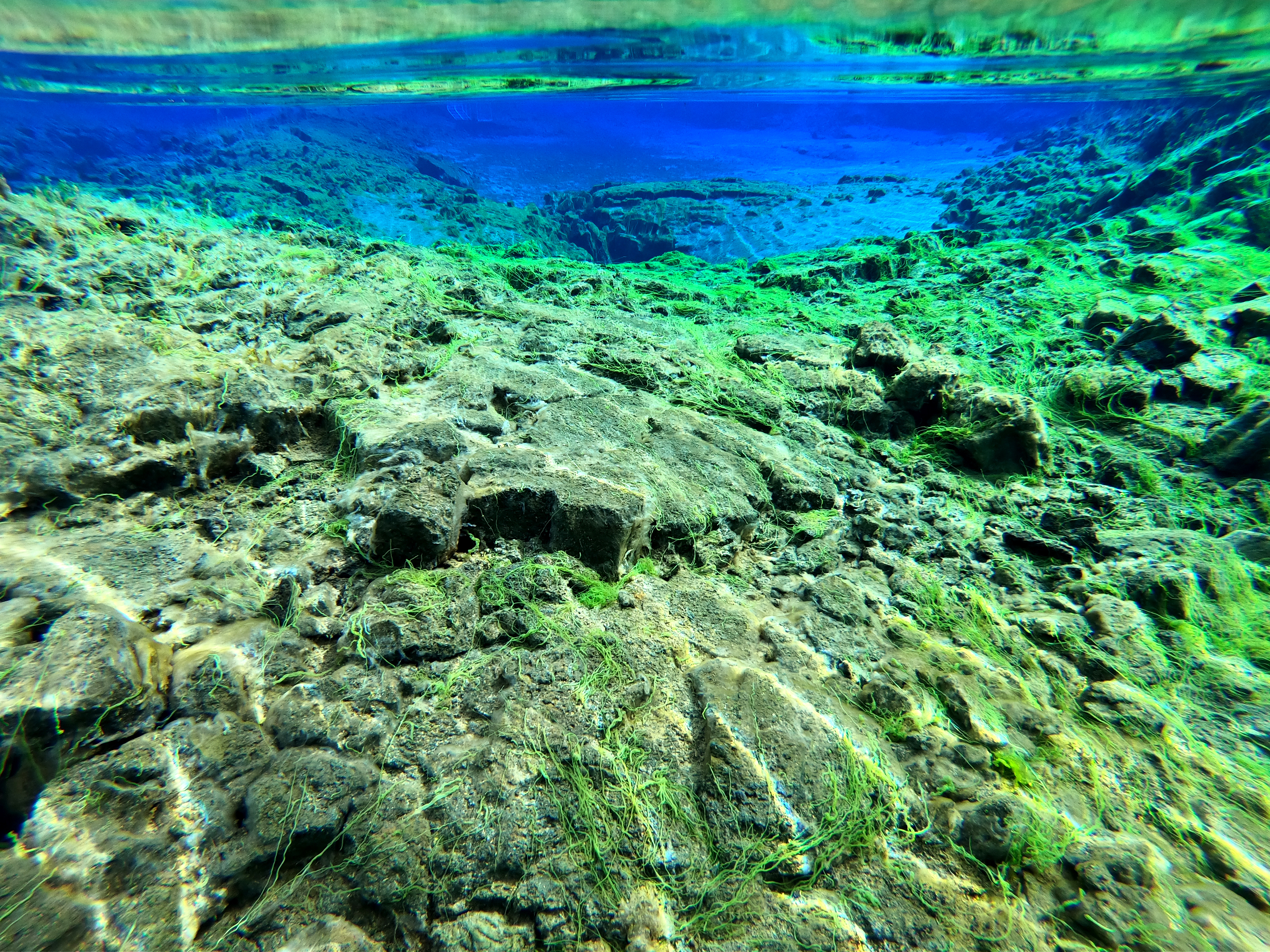
The fissure itself is quite narrow in some places, and I really had the feeling of being in a magical underwater corridor between the continents. I know that the two walls on the sides are not the walls of European and North American plates, but still, we were in some fissure between the continents and the experience with the breathtaking views and vivid colors was magical.
WATERFALLS
We are not too much into waterfalls. Niagara is barely 100 kilometers away from our home and we went there with every guest that visited us. During almost 20 years in the Toronto area, I had enough of this rushing, falling water. We also have been to Iguazu in South America and have seen it from every direction and angle. We have been to Yosemite Falls, as well as to Mount Roraima and Cocta Waterfall in Peru. So, we didn’t expect or plan to visit many of the numerous waterfalls in Iceland. But driving around the country we couldn’t fail to notice that falling, cascading, pouring water from every hill or cliff. According to Google, there are around 10,000 waterfalls in Iceland, and they are among the most iconic attractions in the island country. With its abundant glaciers, rugged mountains, and powerful rivers, Iceland provides the perfect environment for the creation of stunning waterfalls. So into waterfalls or not, we couldn’t miss a trip to some of the most famous ones.
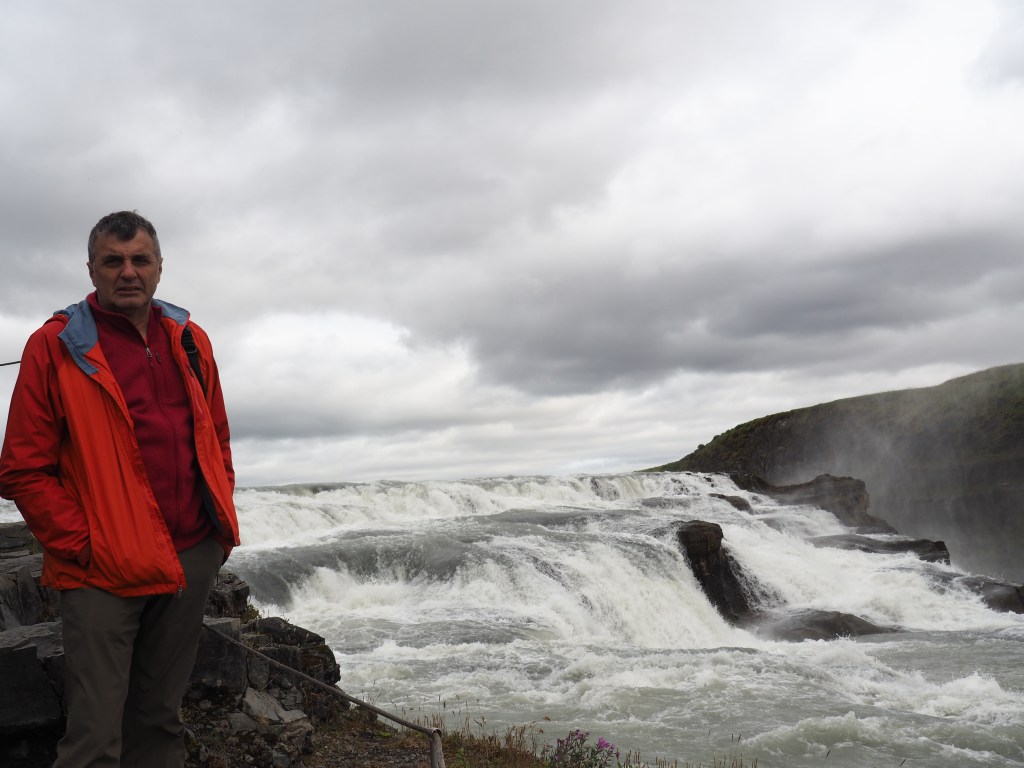
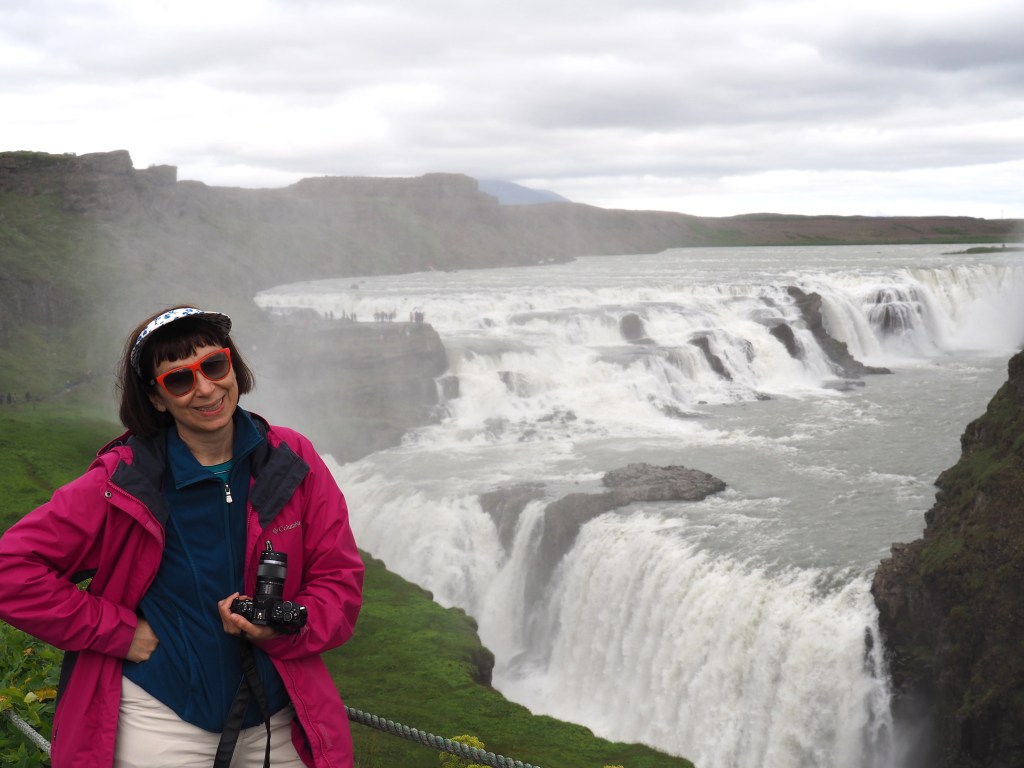
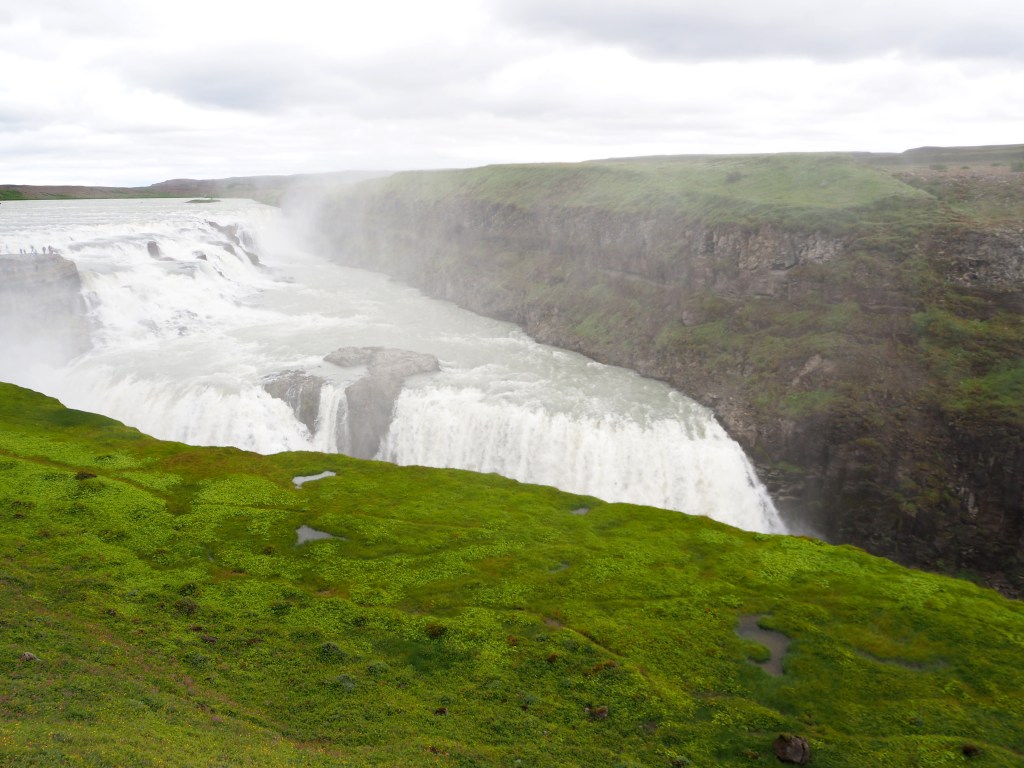
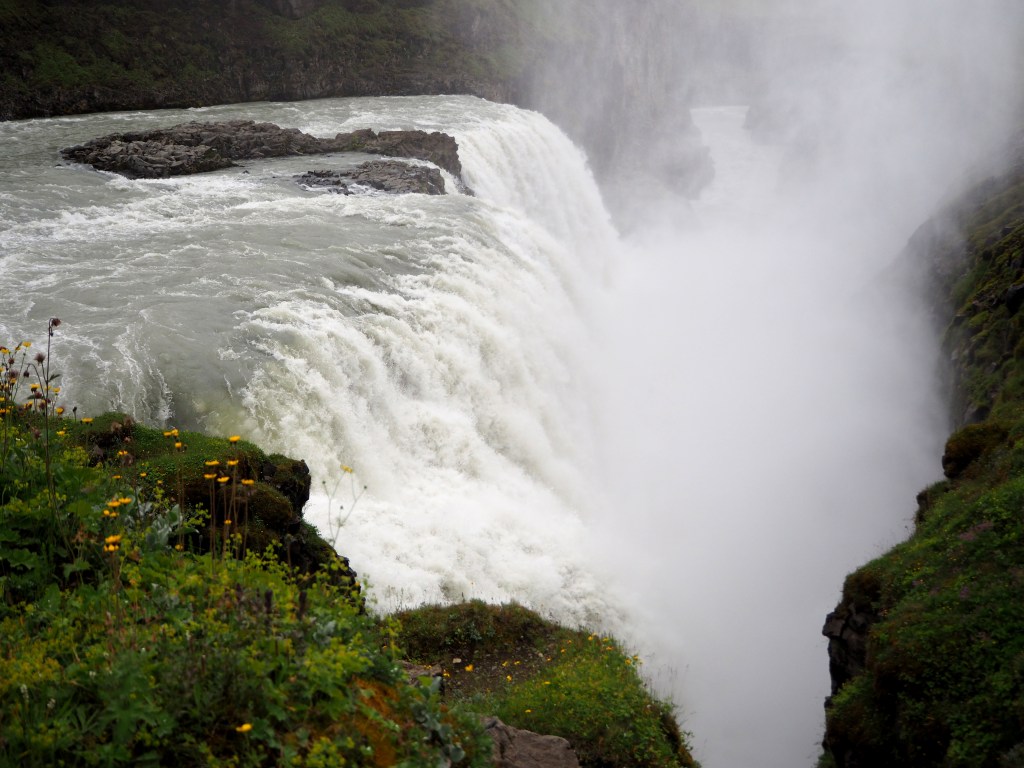
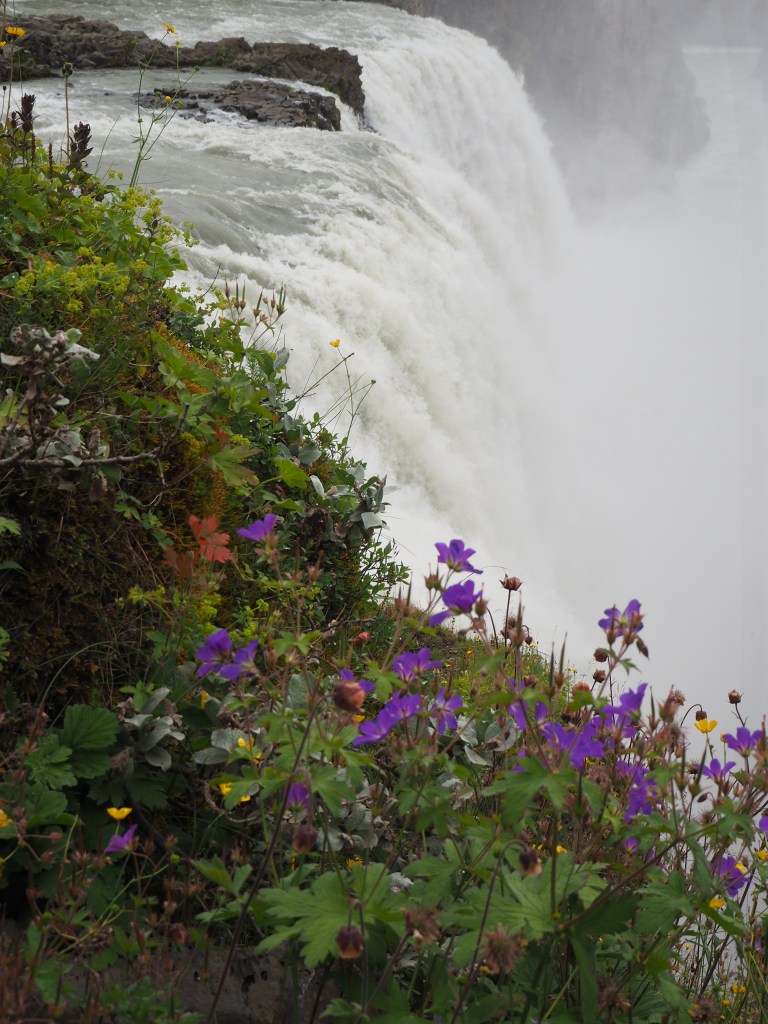
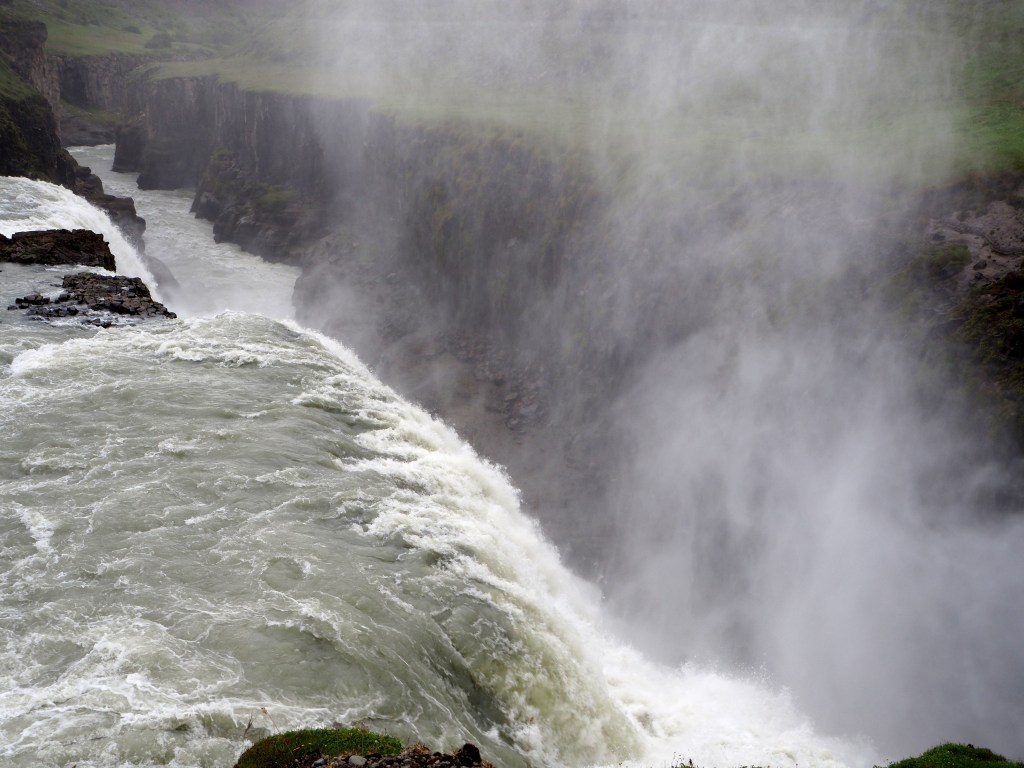
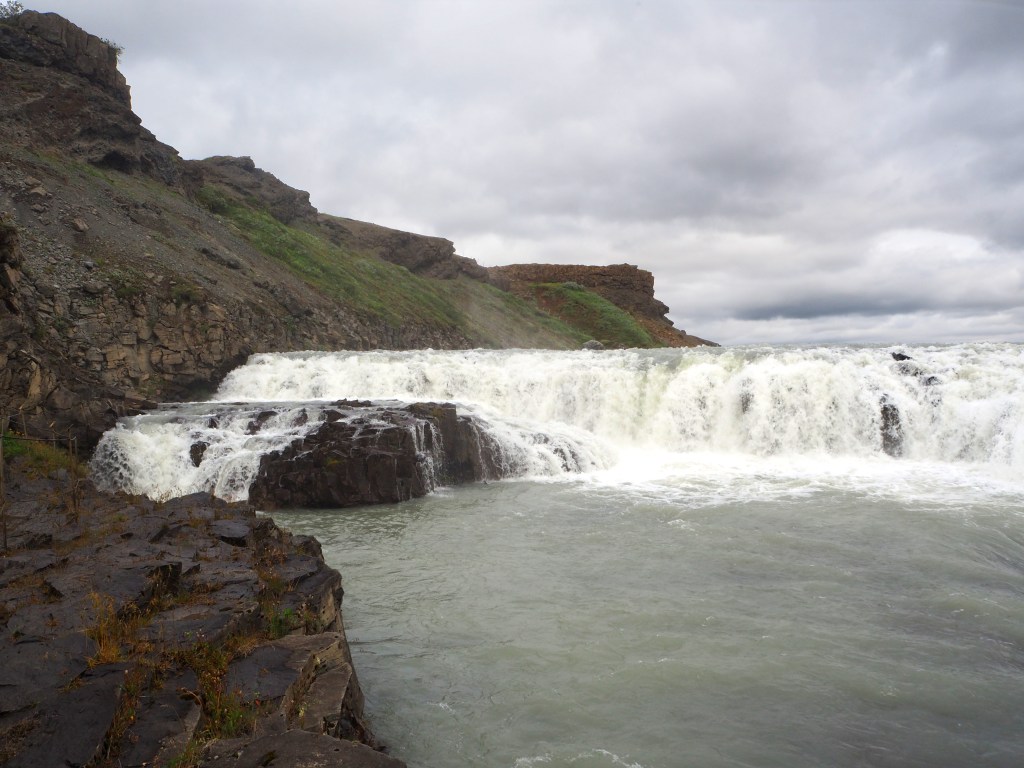
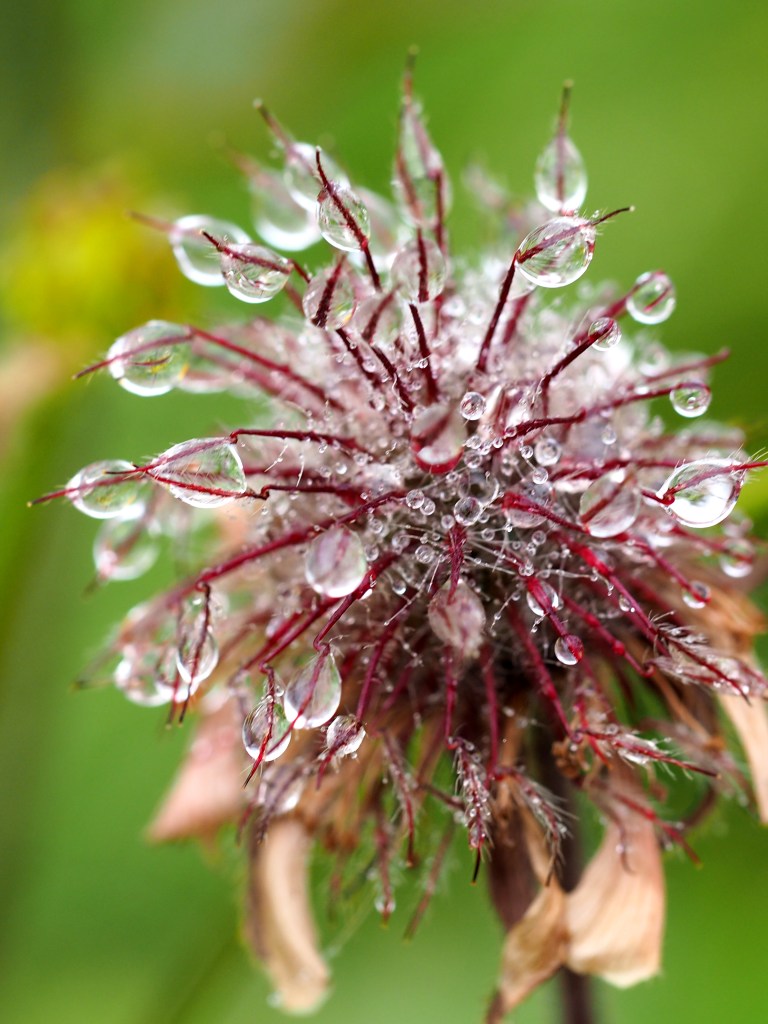
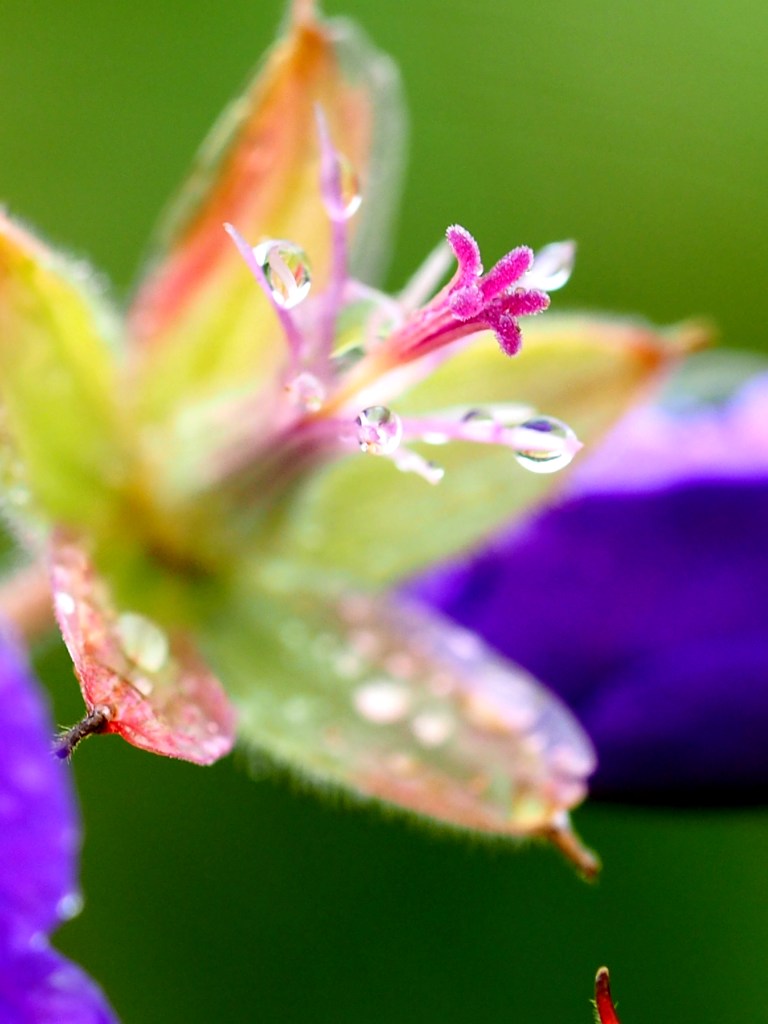
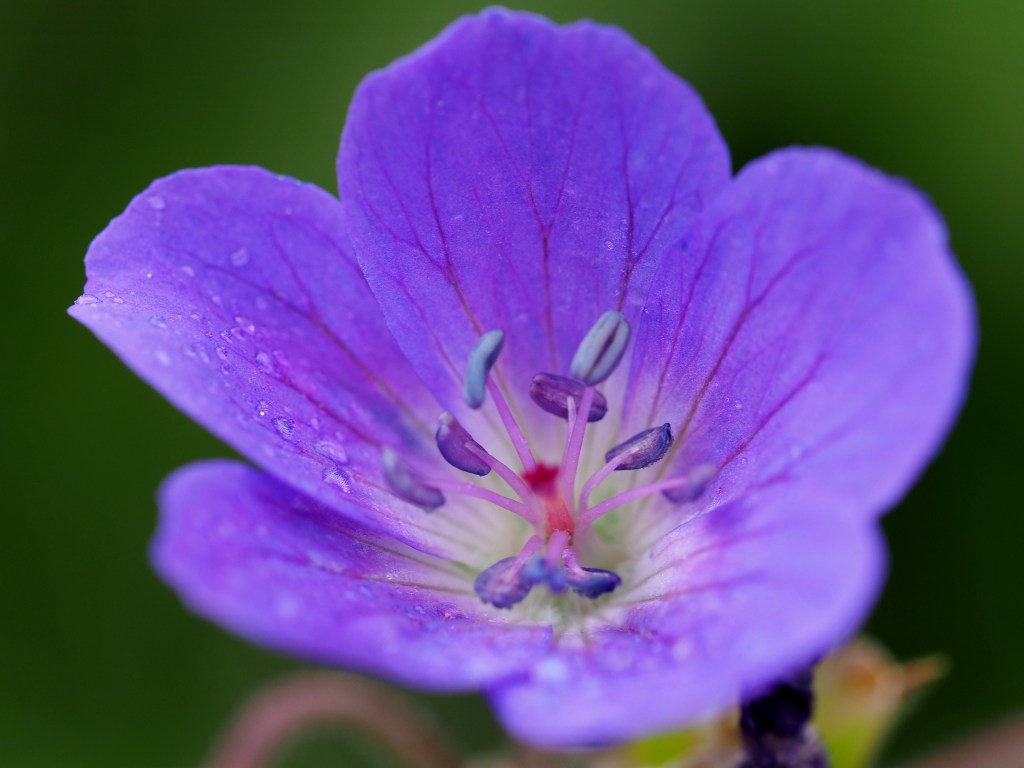
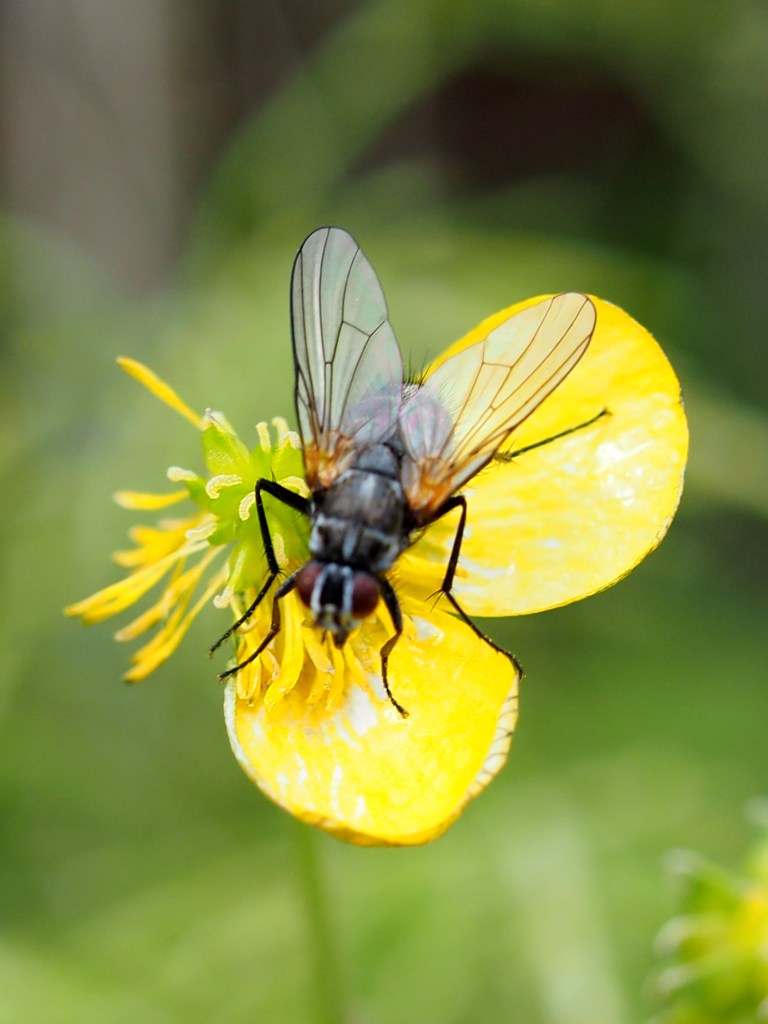
We visited Gullfoss right after diving in Silfra Fissure and I was still over-excited from the experience. Gullfoss is one of the country’s most famous and visited waterfalls. It is really a beautiful one and its name translates to “Golden Falls”, but it was a little too crowded for my taste, so I was more enchanted by the flowers around it.


Seljalandsfoss is another waterfall that according to tourist guides cannot be missed. It is on the southern coast, and it is known for its unique feature: a path that allows visitors to walk behind the waterfall. Walking behind the mighty curtains of water and being wet in frigid water is not on my to-do list but of course, I couldn’t resist the great opportunity for a photo shot. Everything a girl will do for a Facebook post
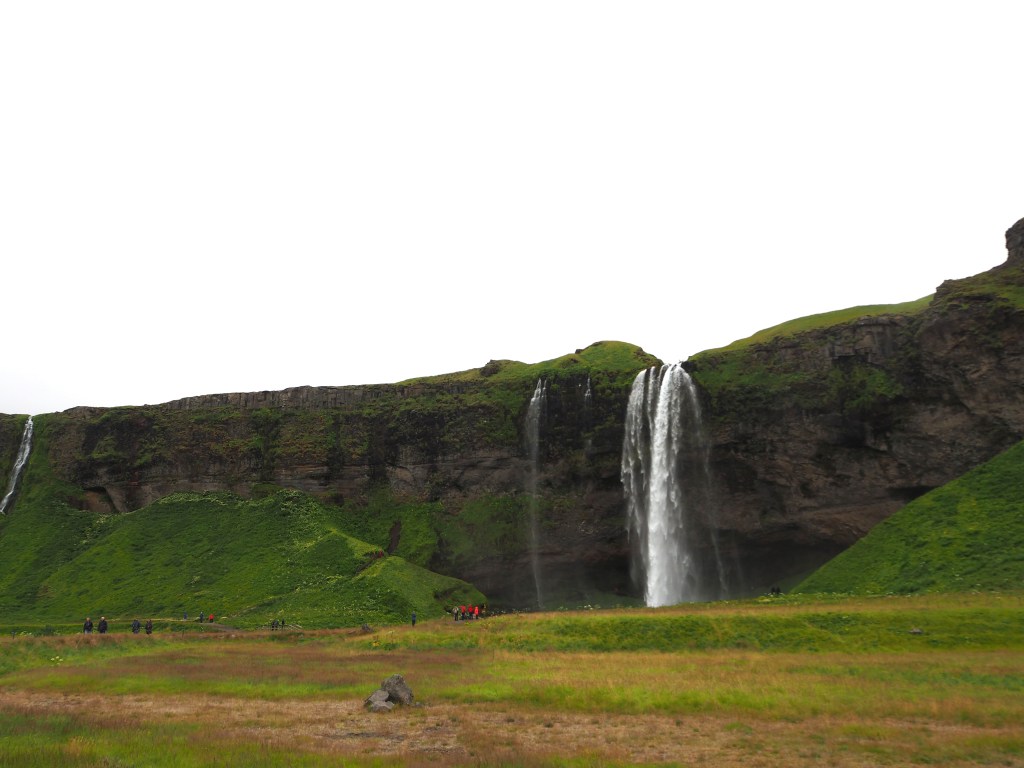
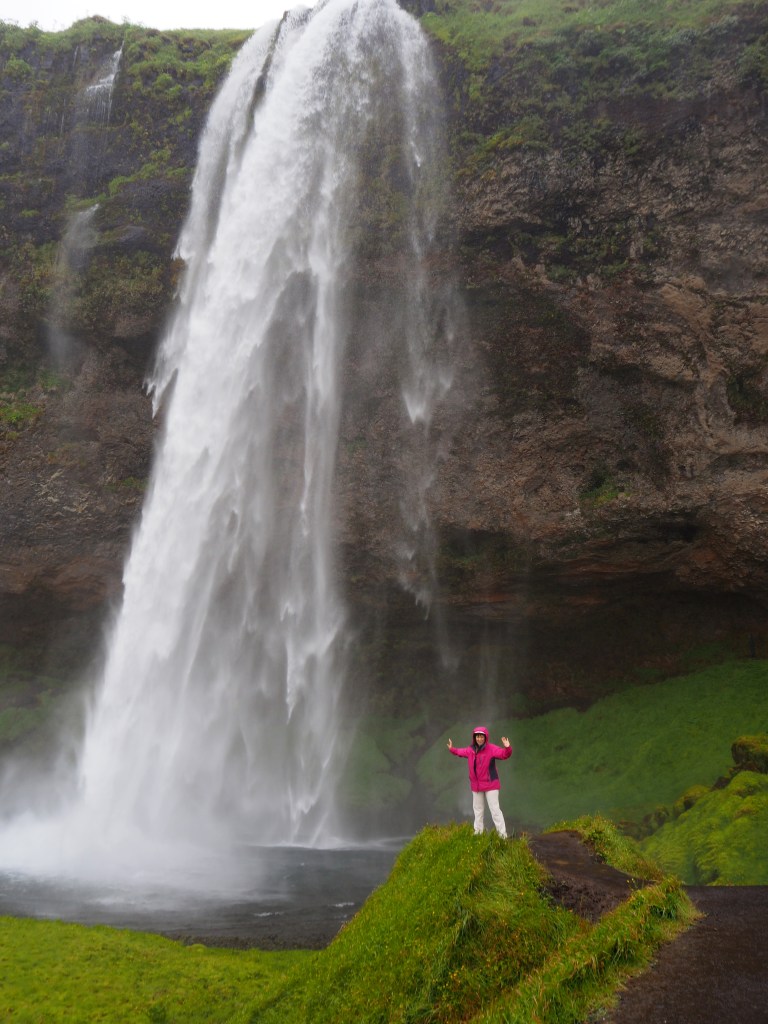
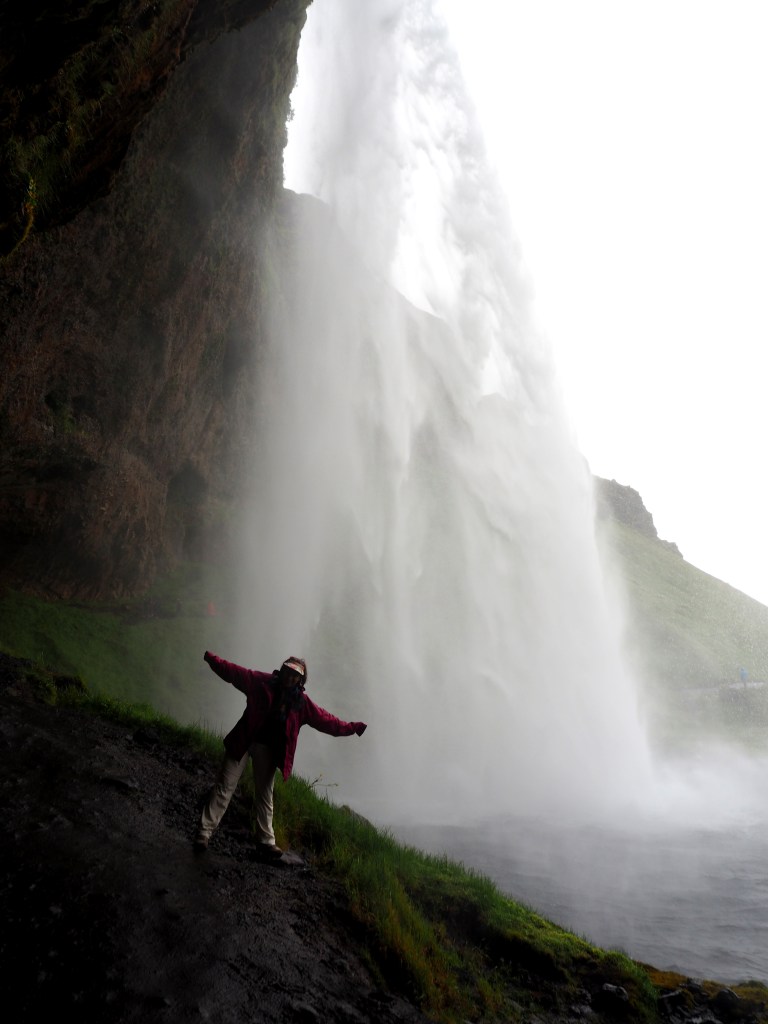
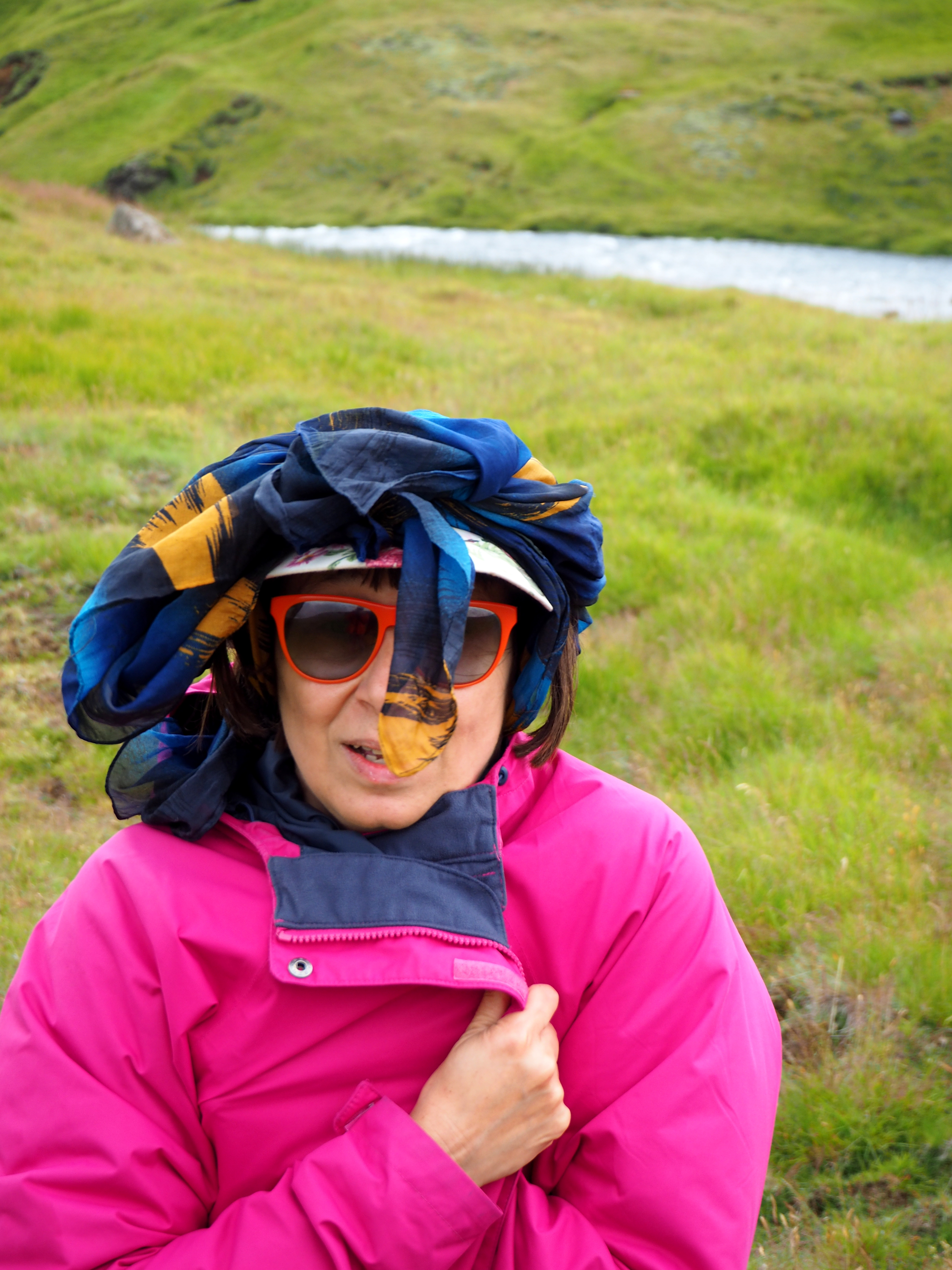
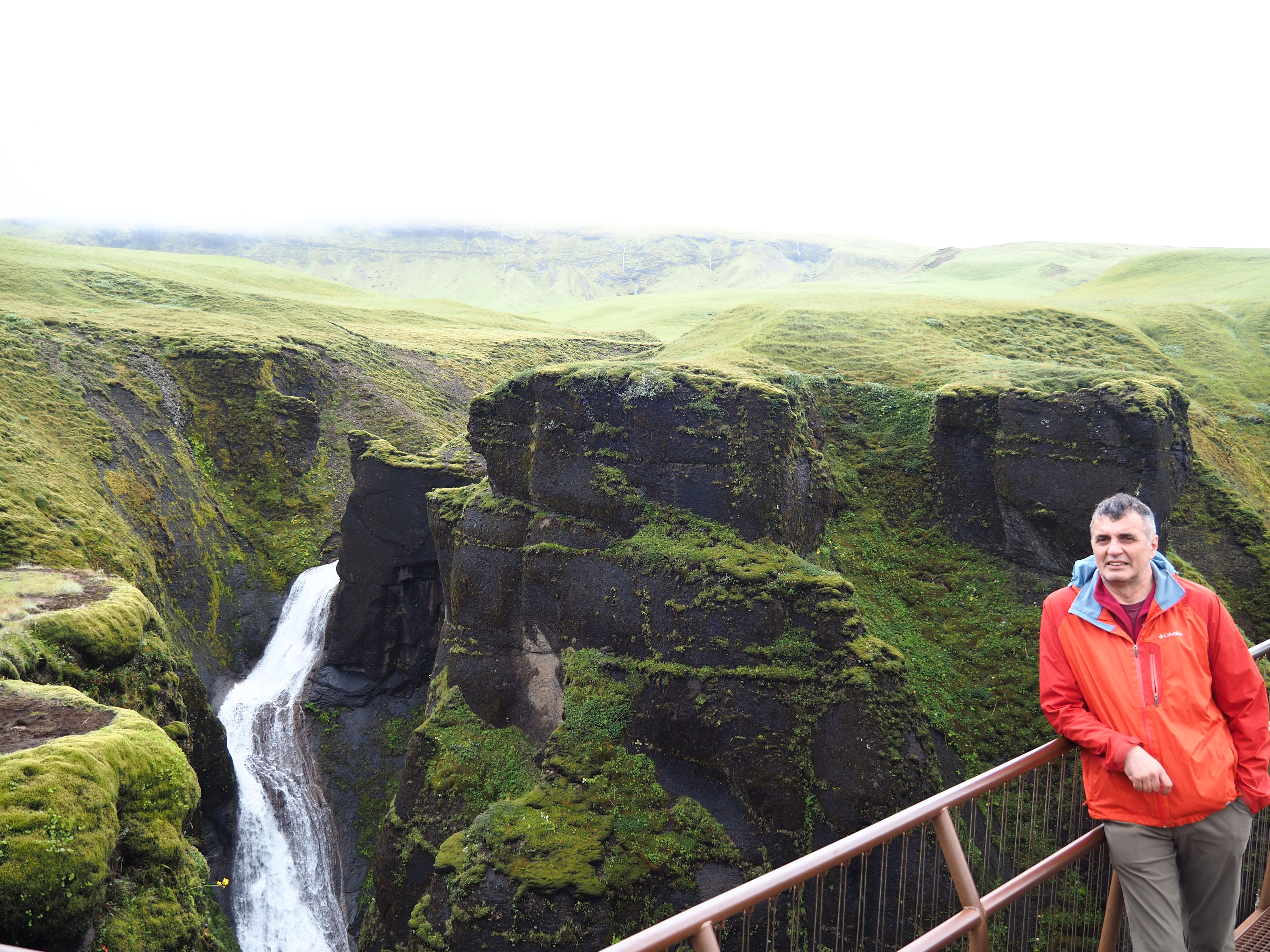
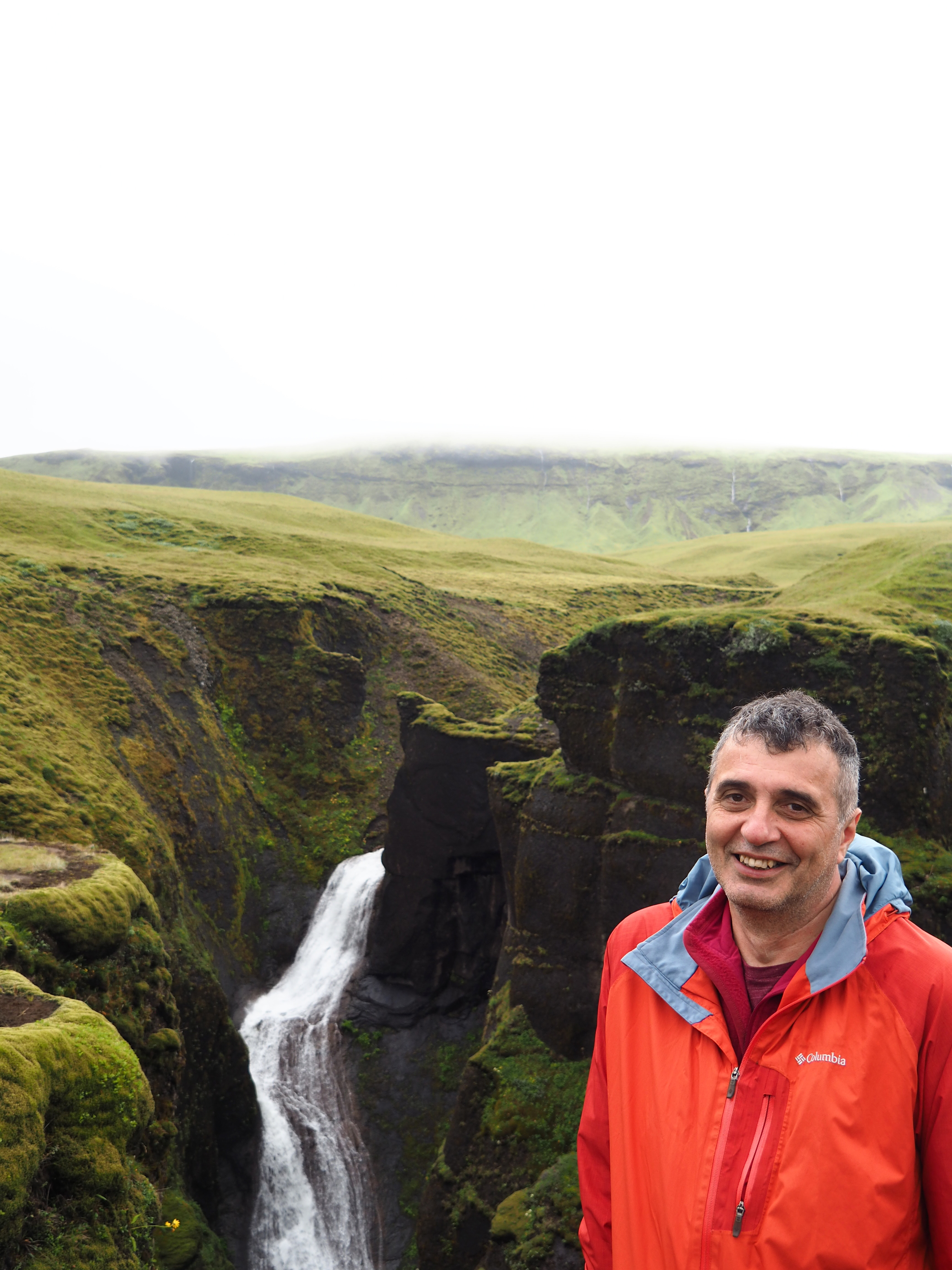
We had a great 2 km hike to see Gljufrabui waterfall. It is very close to the well-known Seljalandsfoss waterfall but doesn’t get the same attention from the flock of tourists. It is a pity because the hike to the upper side of the waterfall is serene. I don’t think there are many places where I’ve seen this hue of green in such abundance. I would have appreciated a little bit warmer weather, as I needed to wrap myself in the silk scarf trying to keep warm.
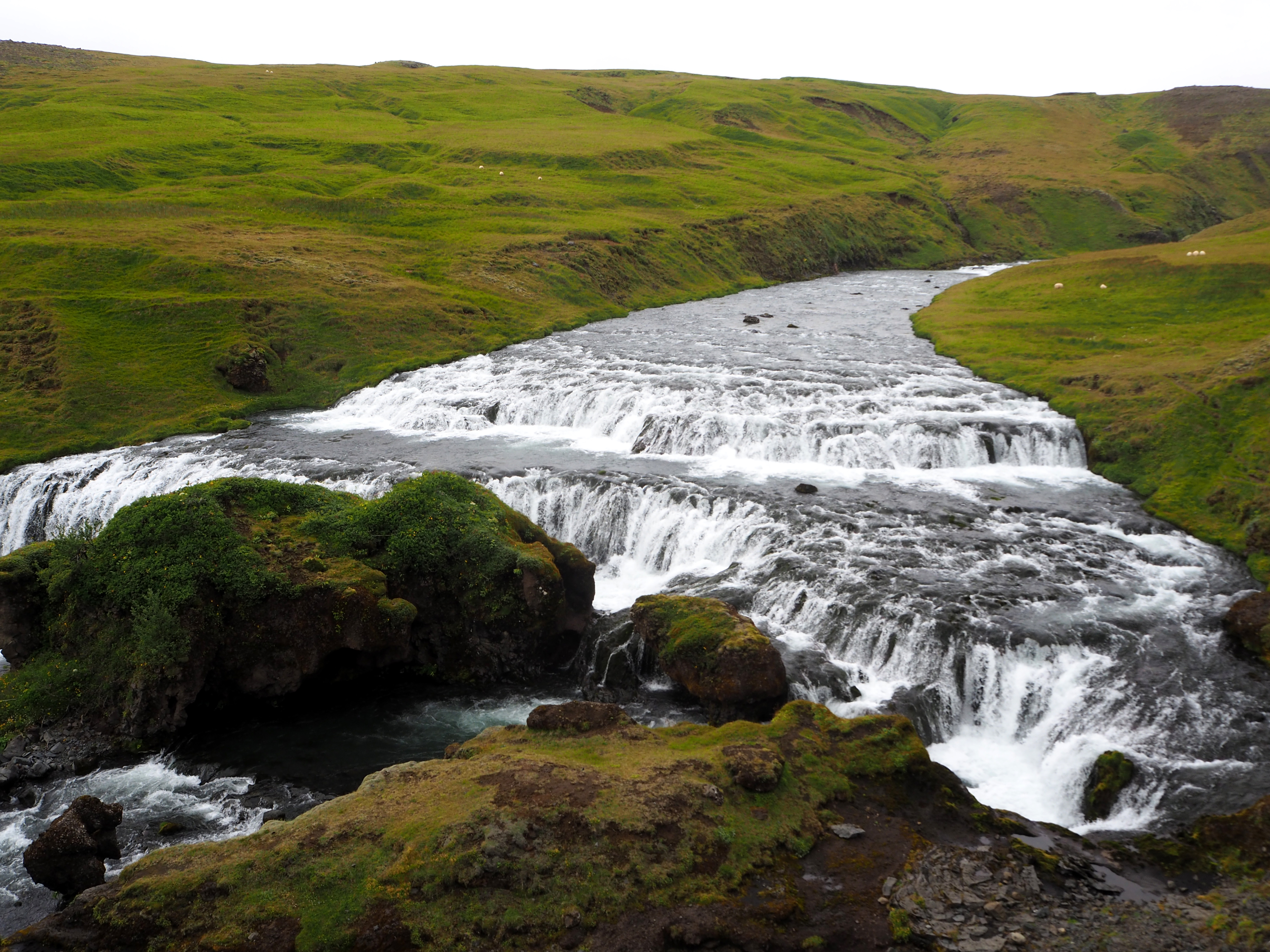
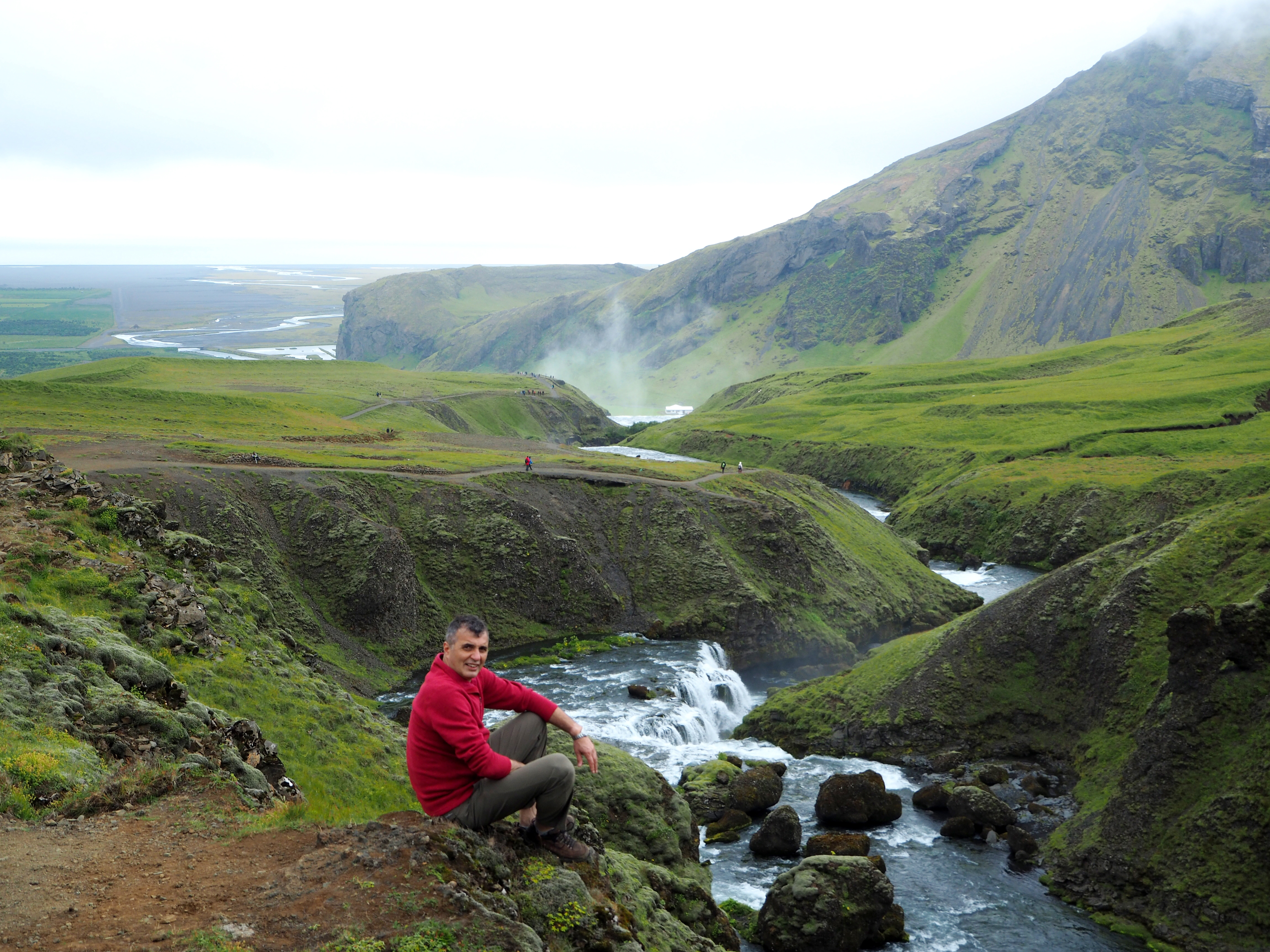

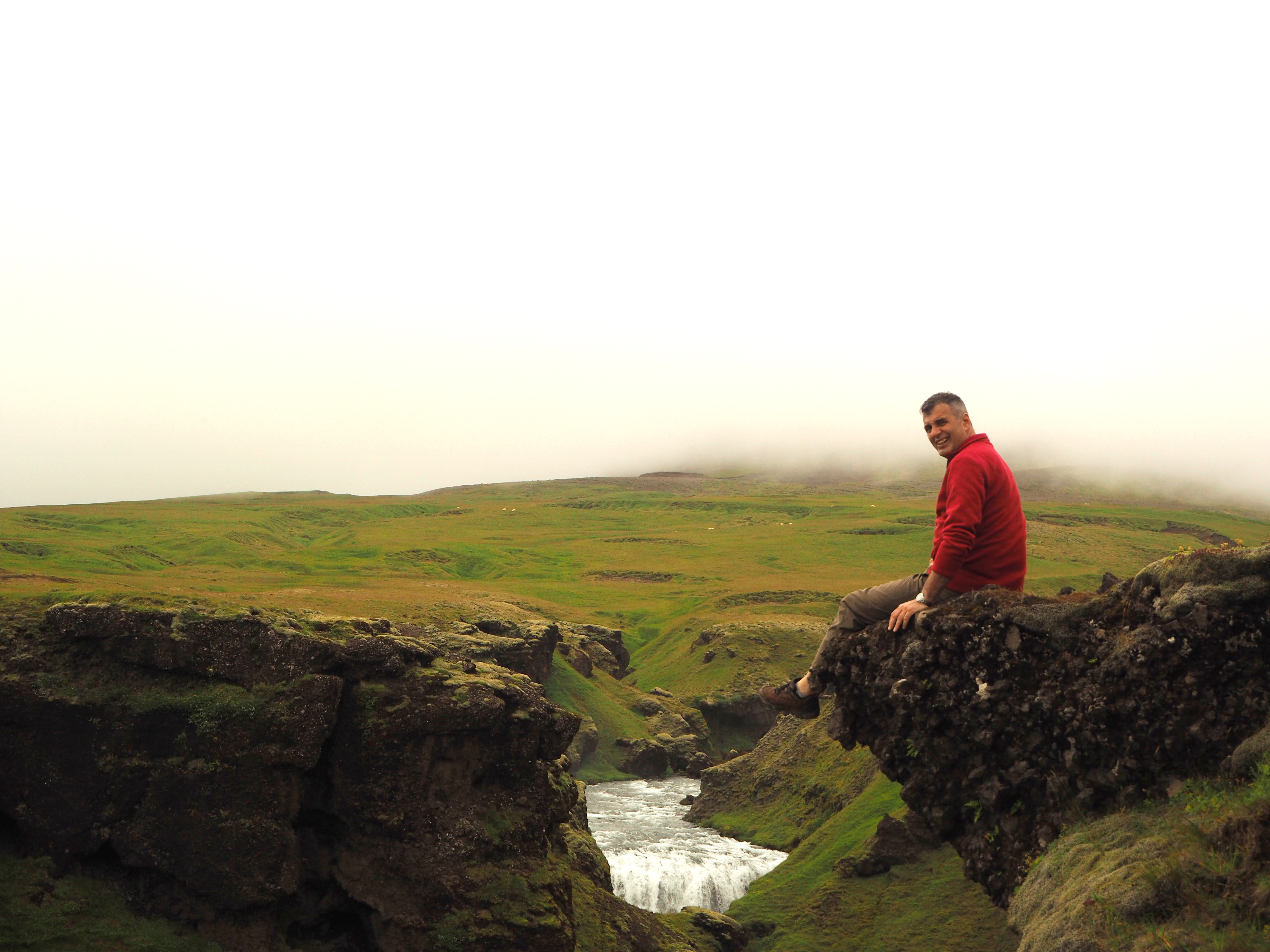
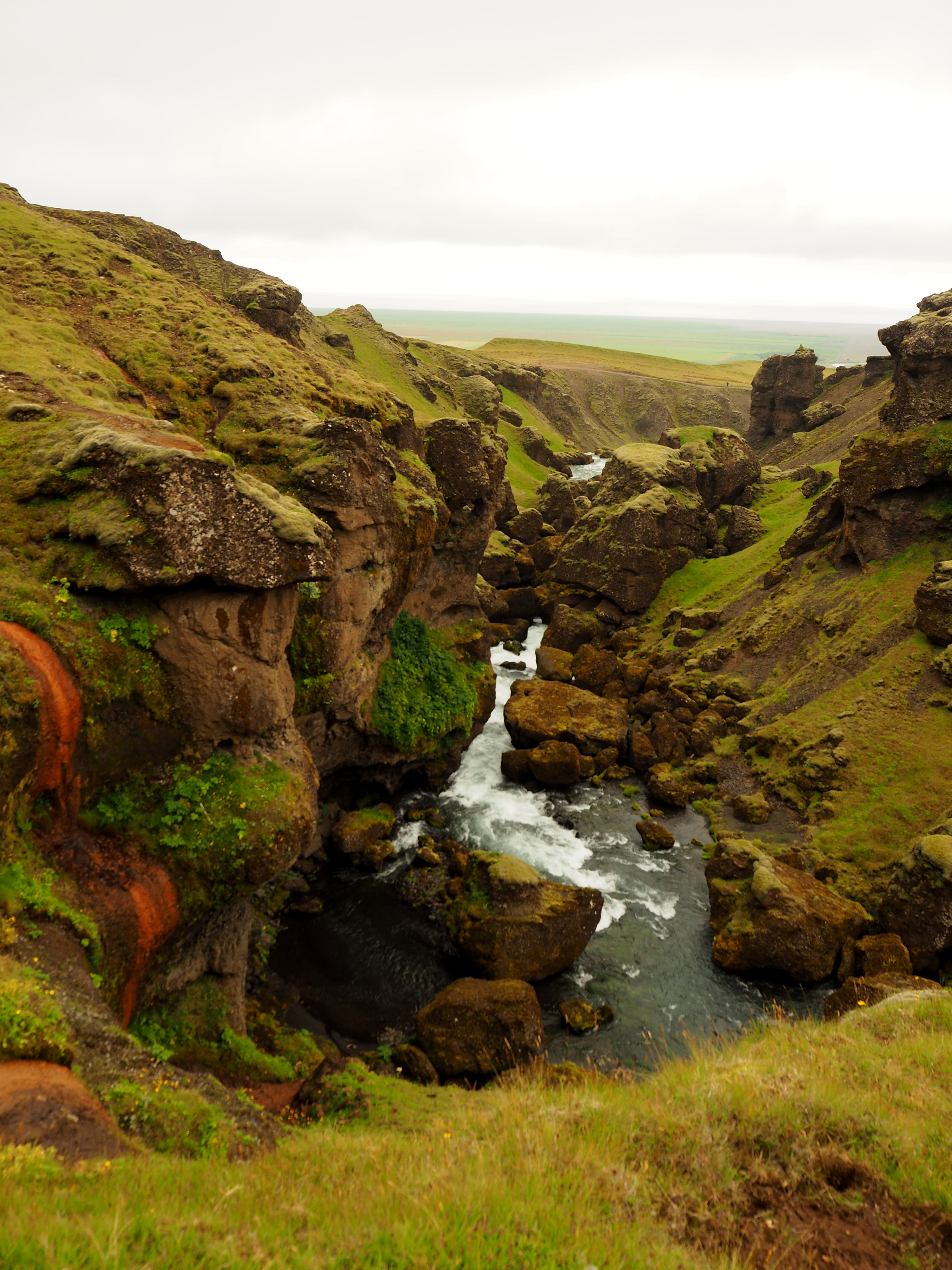
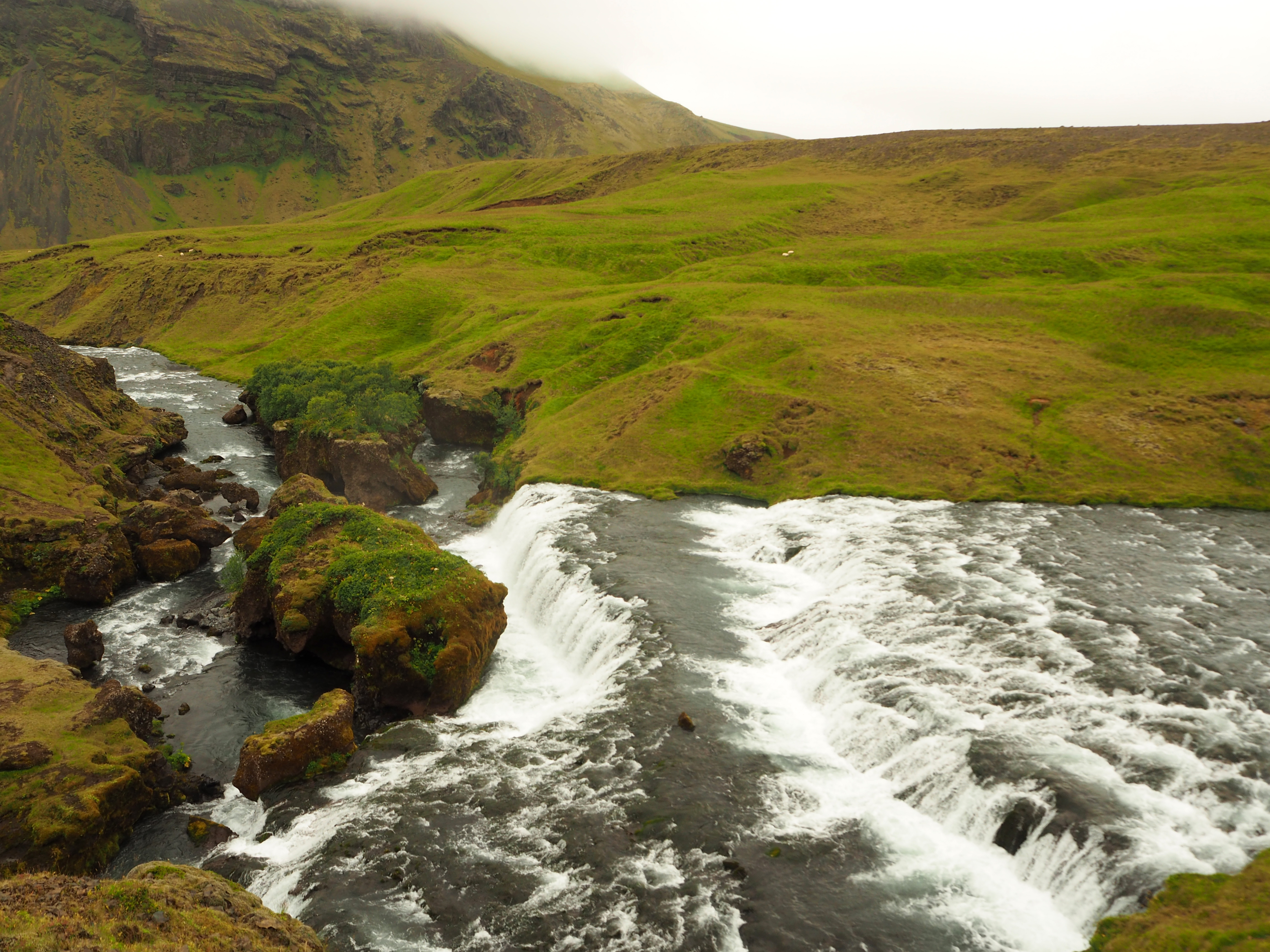
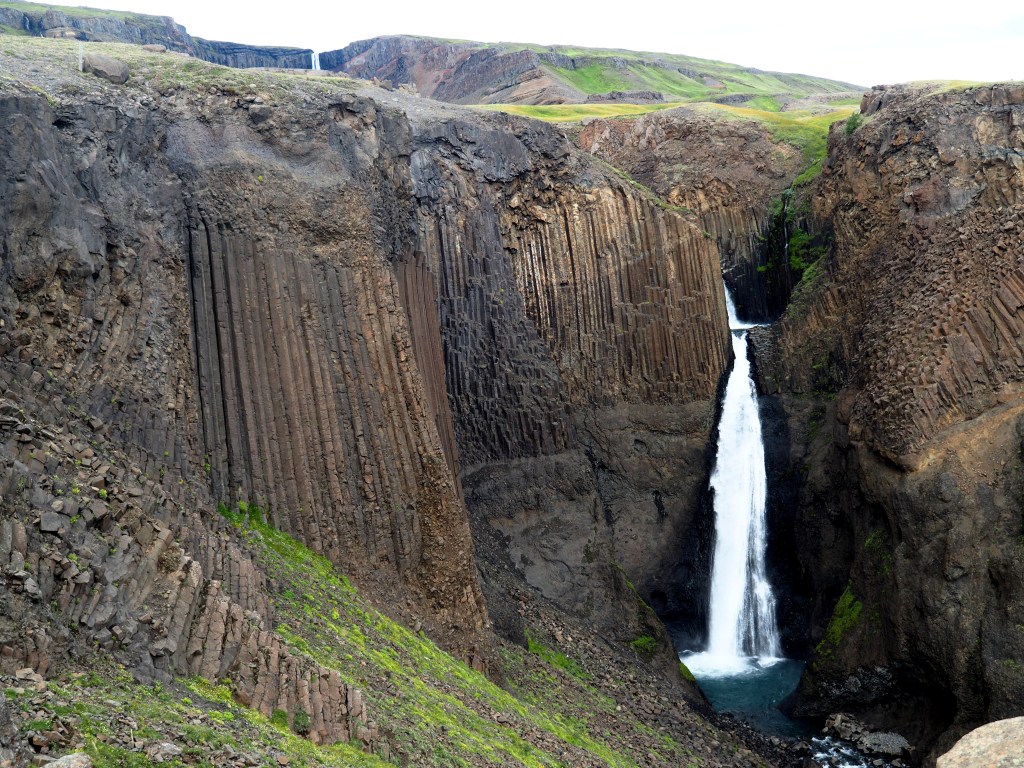
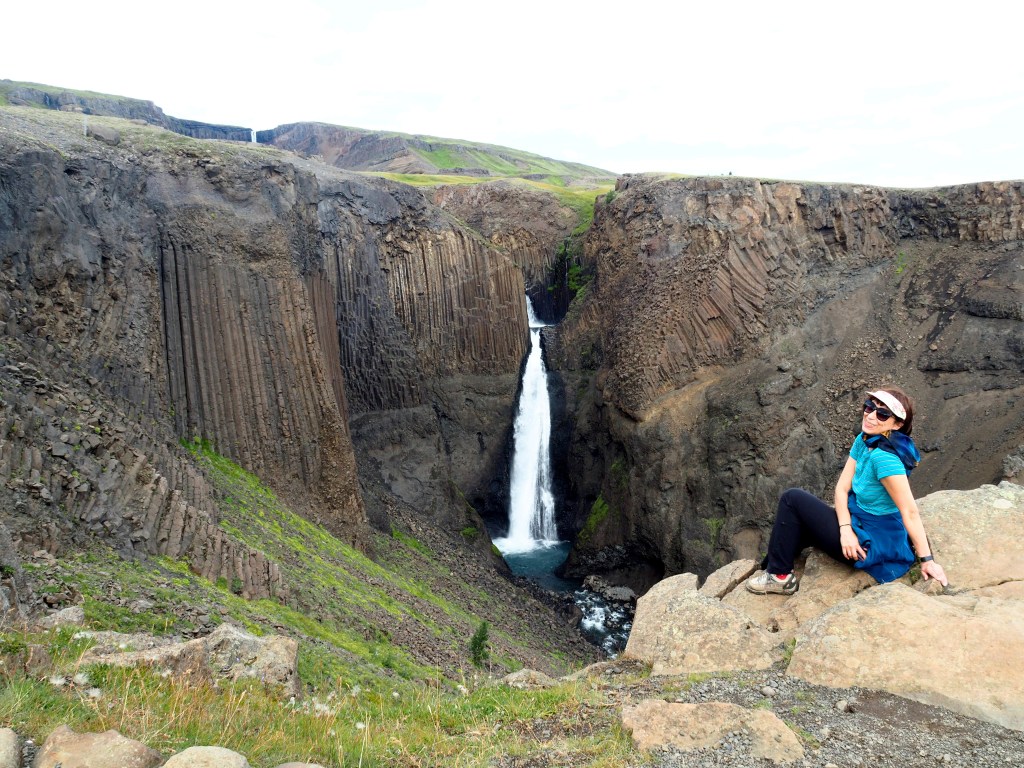
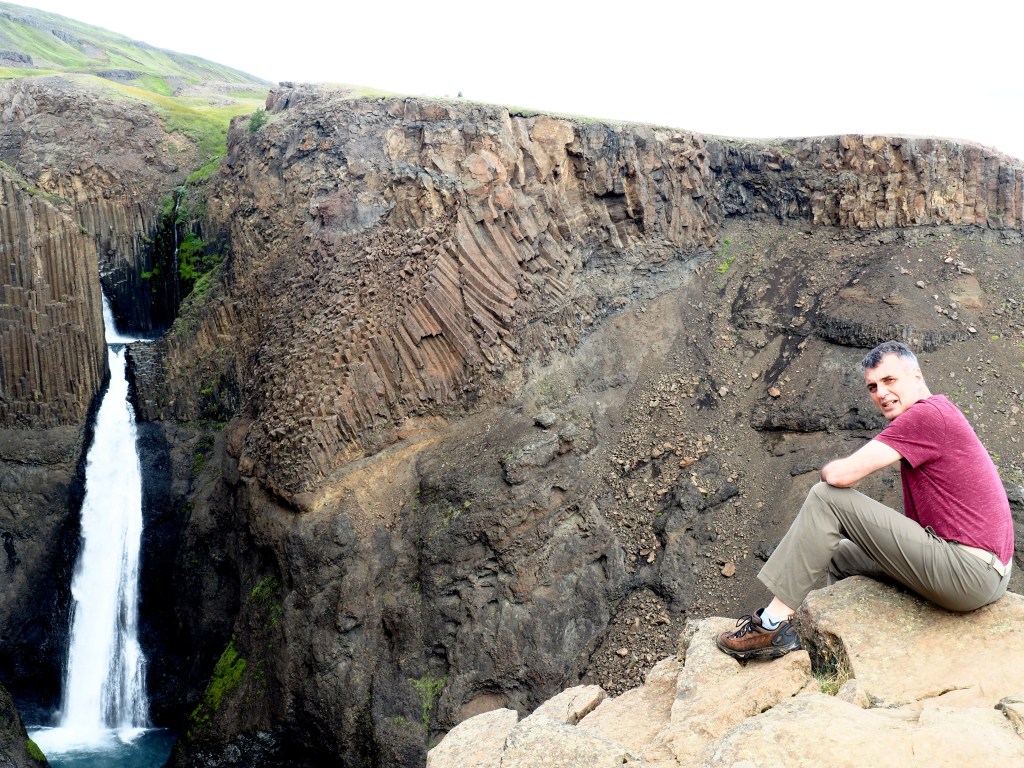
Hengifoss is another stunning waterfall that requires a 2 km hike to be enjoyed. The waterfall is an 8-hour drive from Reykjavik, and it is not as visited as the attraction around the Golden Circle. Hengifoss is not the biggest or the highest waterfall on the island but it is known for its stunning black basalt and red clay layers as its backdrop. The alternating-colored pattern of the rocks creates a beautiful contrast for the falling water and creates a unique and picturesque scene.
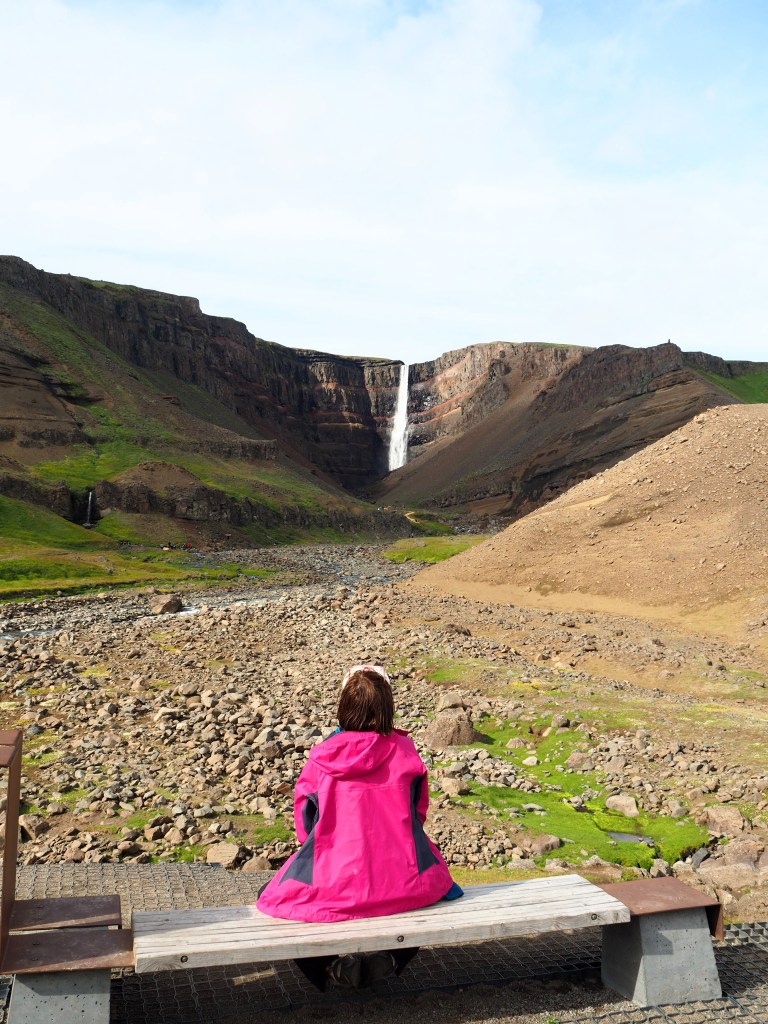
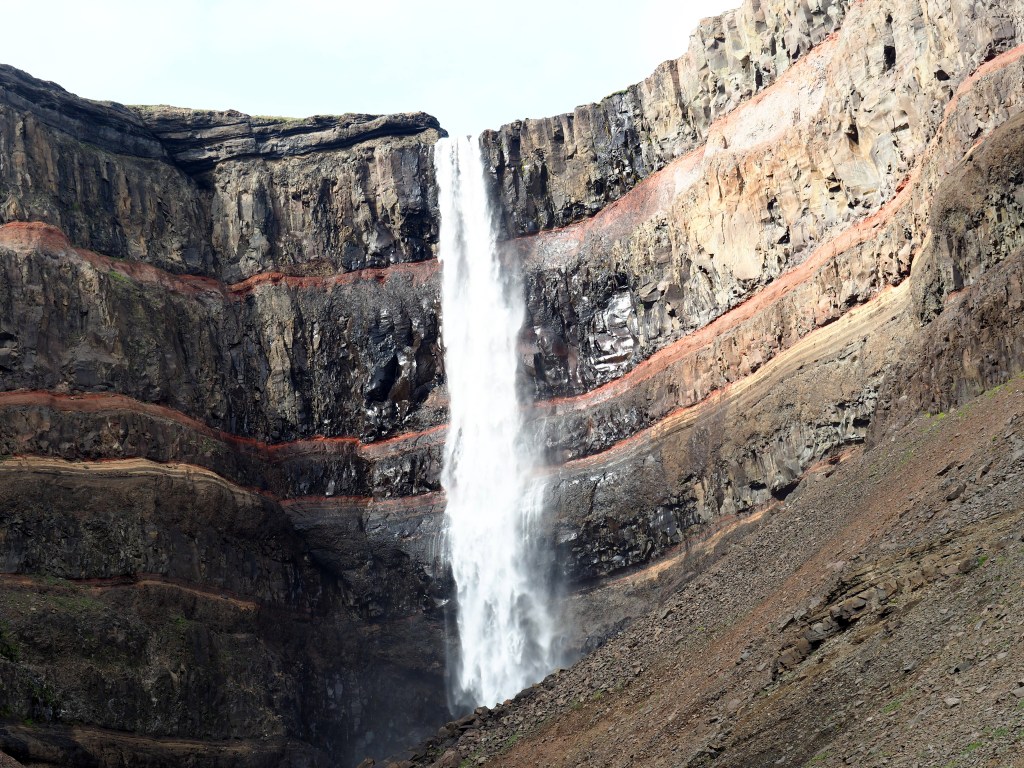
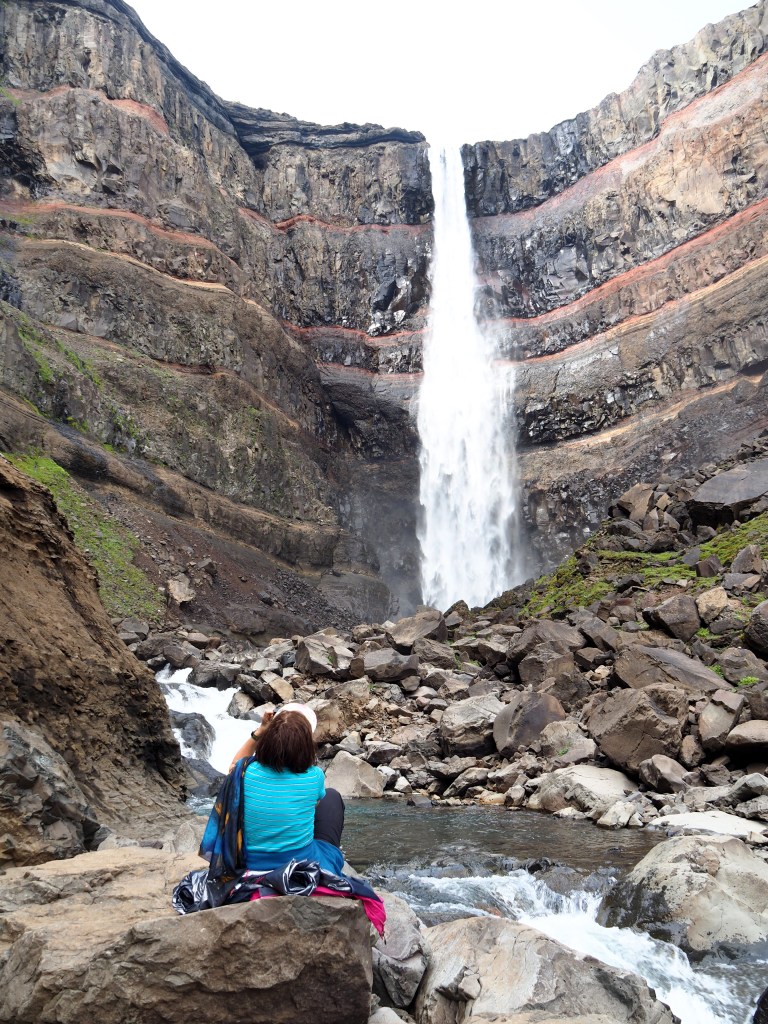
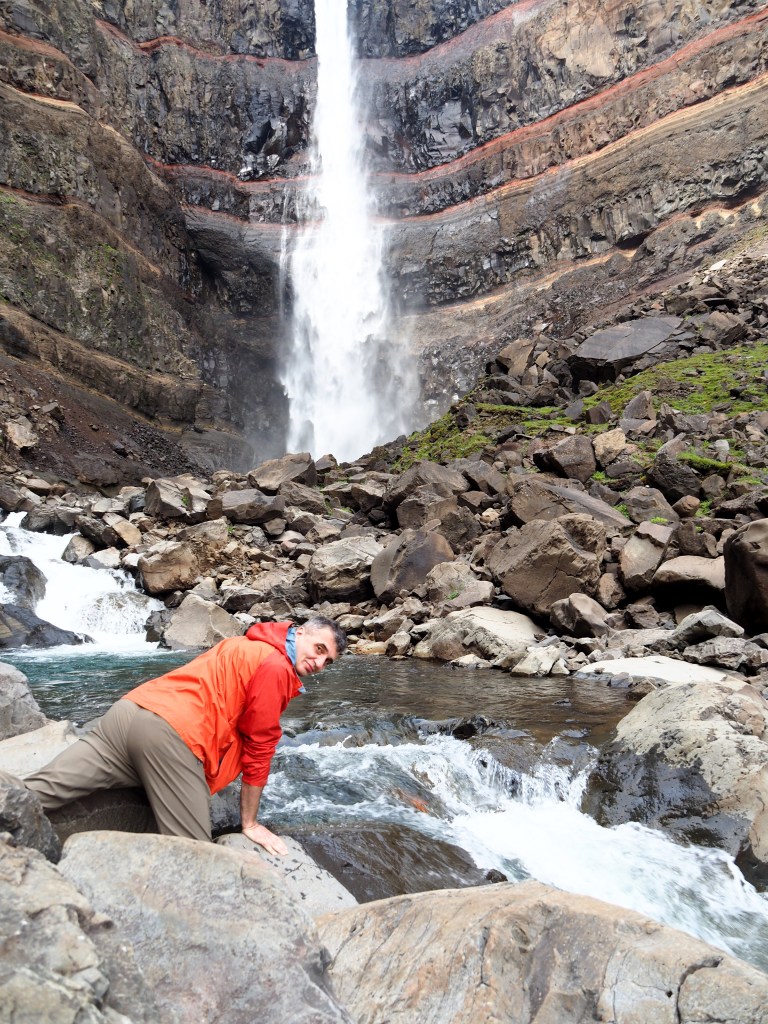
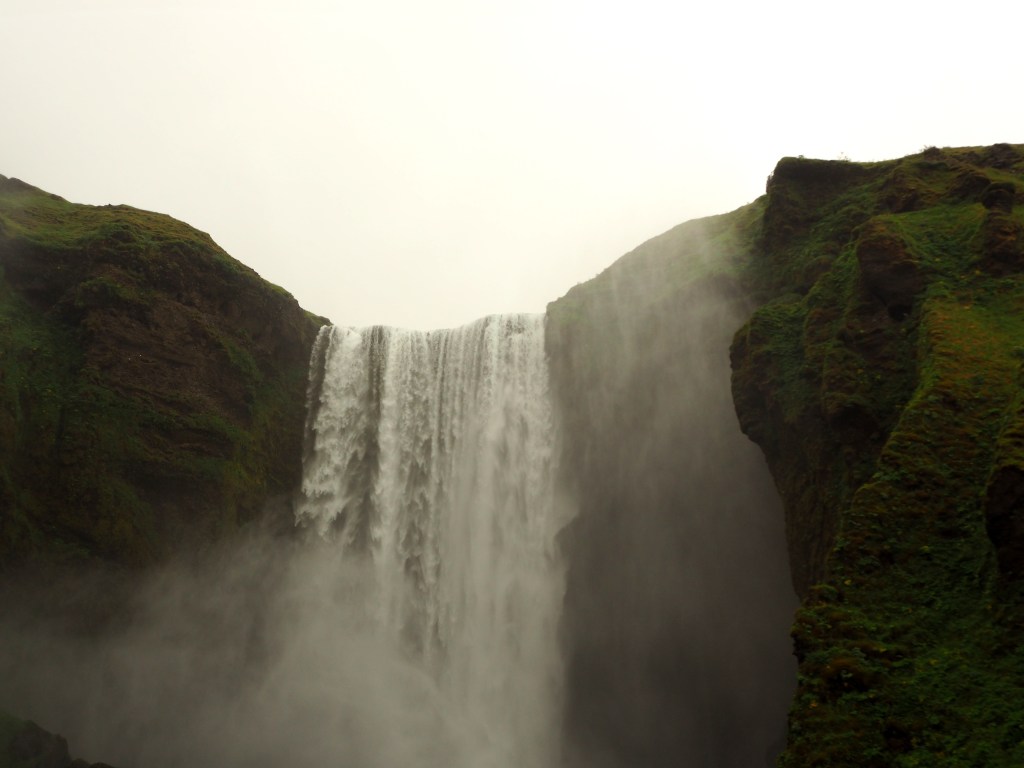
We didn’t have luck with the weather for some of the waterfalls. Skógafoss is a majestic waterfall, and according to the legend the Viking sorcerer hid a chest of gold there 1200 years ago. It is also one of the largest waterfalls in Iceland. With a width of 25 meters and a drop of 60 meters, it creates a powerful spray that often produces rainbows on sunny days. Unfortunately, we were there on a very gloomy day and couldn’t enjoy his beauty to the fullest.
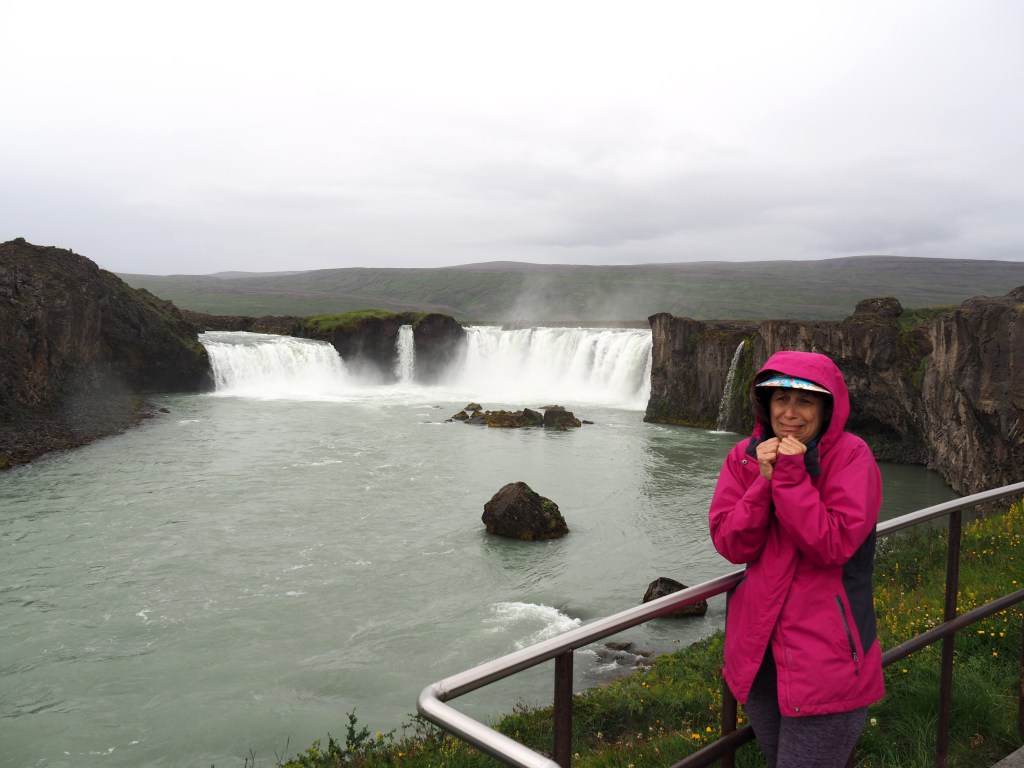
Goðafoss or “Waterfall of the Gods,” Goðafoss is located in northern Iceland, and it is away from the hordes of tourists. Unfortunately, the weather was a little gloomy (again), so we just took a picture and moved on to the next waterfall.
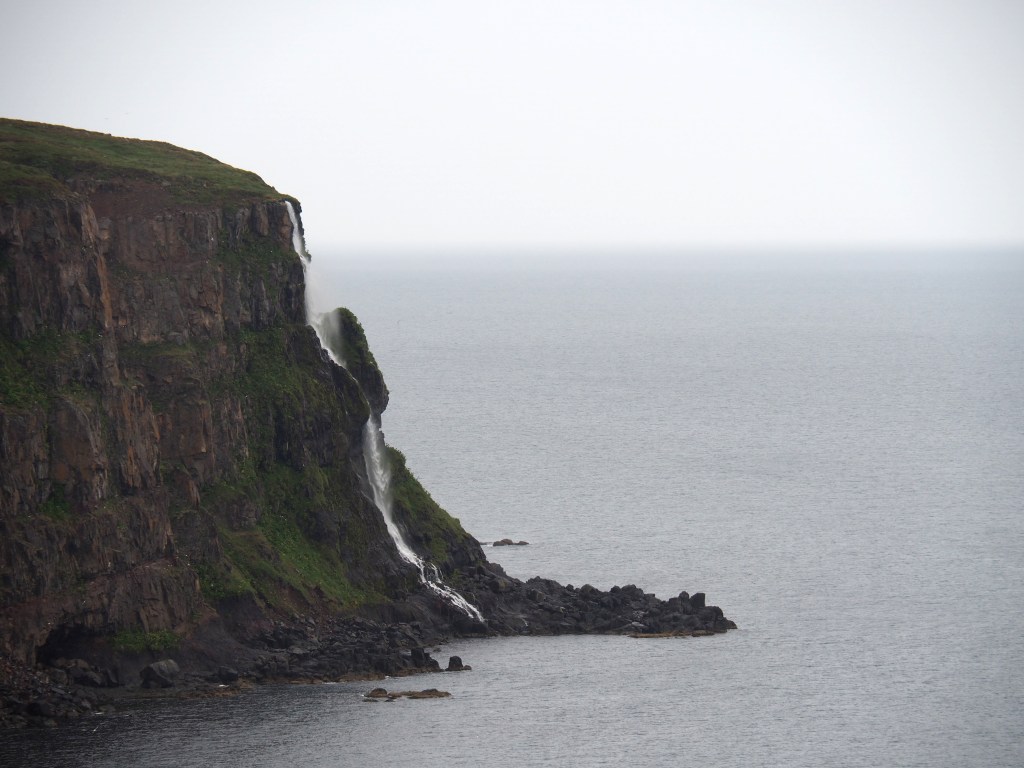
Migandifoss is one of the best-kept secrets in Iceland. It is in the northern part of Iceland and it is known as a waterfall plunging into the ocean. The locals believed that Migandifoss possessed mystical powers, capable of granting wishes to those who approached with pure intentions. It was said that if you stood before the waterfall and made a heartfelt wish, the water would carry your desires into the realm of possibilities. Unfortunately, the weather was very gloomy (AGAIN!) when we reached it, and the hike to the ocean looked tricky, so we just took a photo, made a wish, and moved to the closest hot spring.
Of course, there are more waterfalls and water falling, tumbling, or cascading from small and tall cliffs. The first few days we stopped at every one of them but after a few days we just looked at each other: “Meh, more falling water”.


Out of this world
Iceland is renowned for its stunning and otherworldly scenery, which often makes visitors feel like they’ve stepped onto a different planet. The combination of volcanic active land and northern scenes makes you stop and wonder if this land is real. I think when God created Iceland, he just discovered the effects of some psychedelic drug, and the island is a creation of his vivid imagination under the influence. Here are some of the remarkable natural features that contribute to Iceland’s unique and breathtaking landscapes:
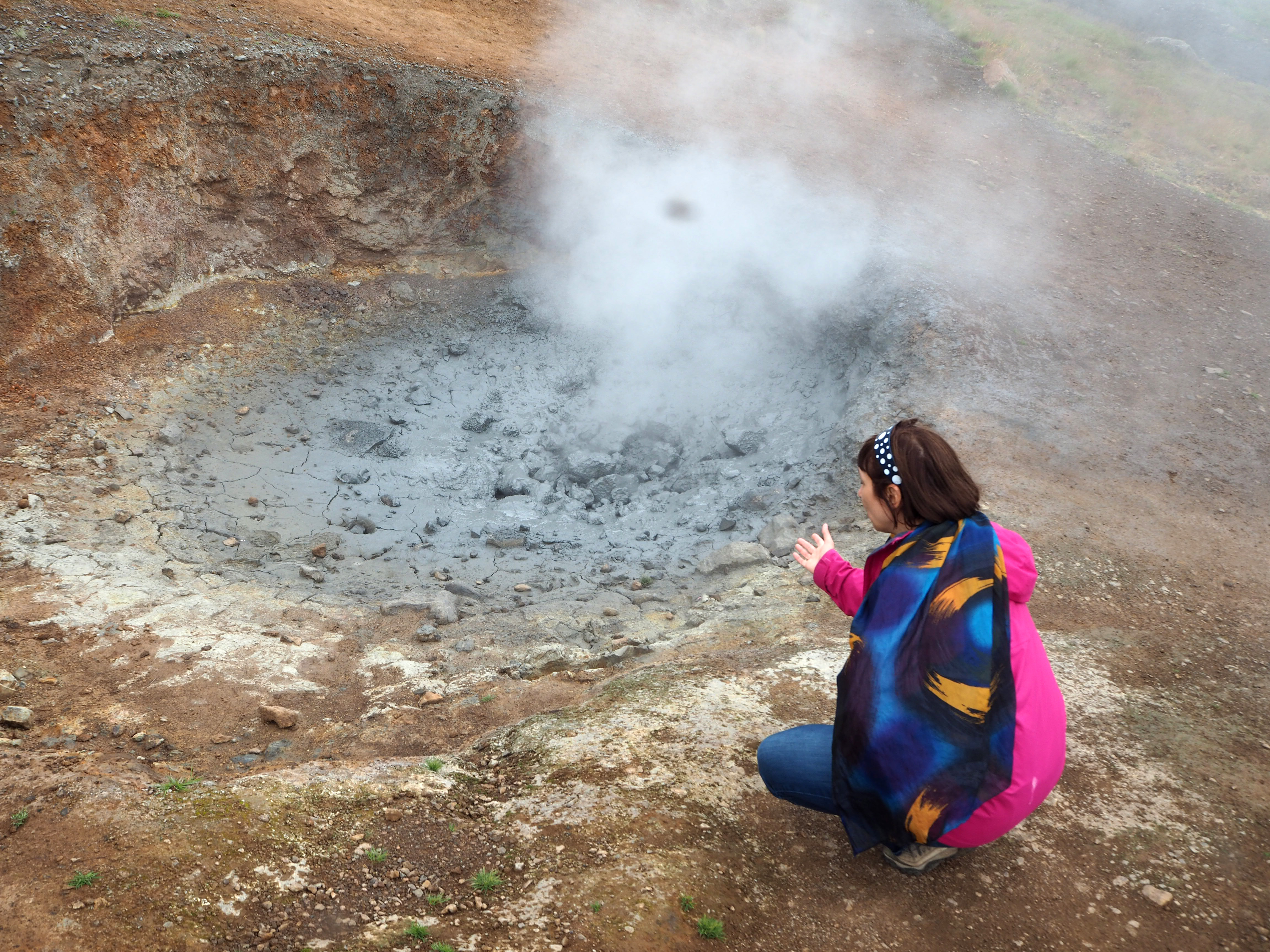
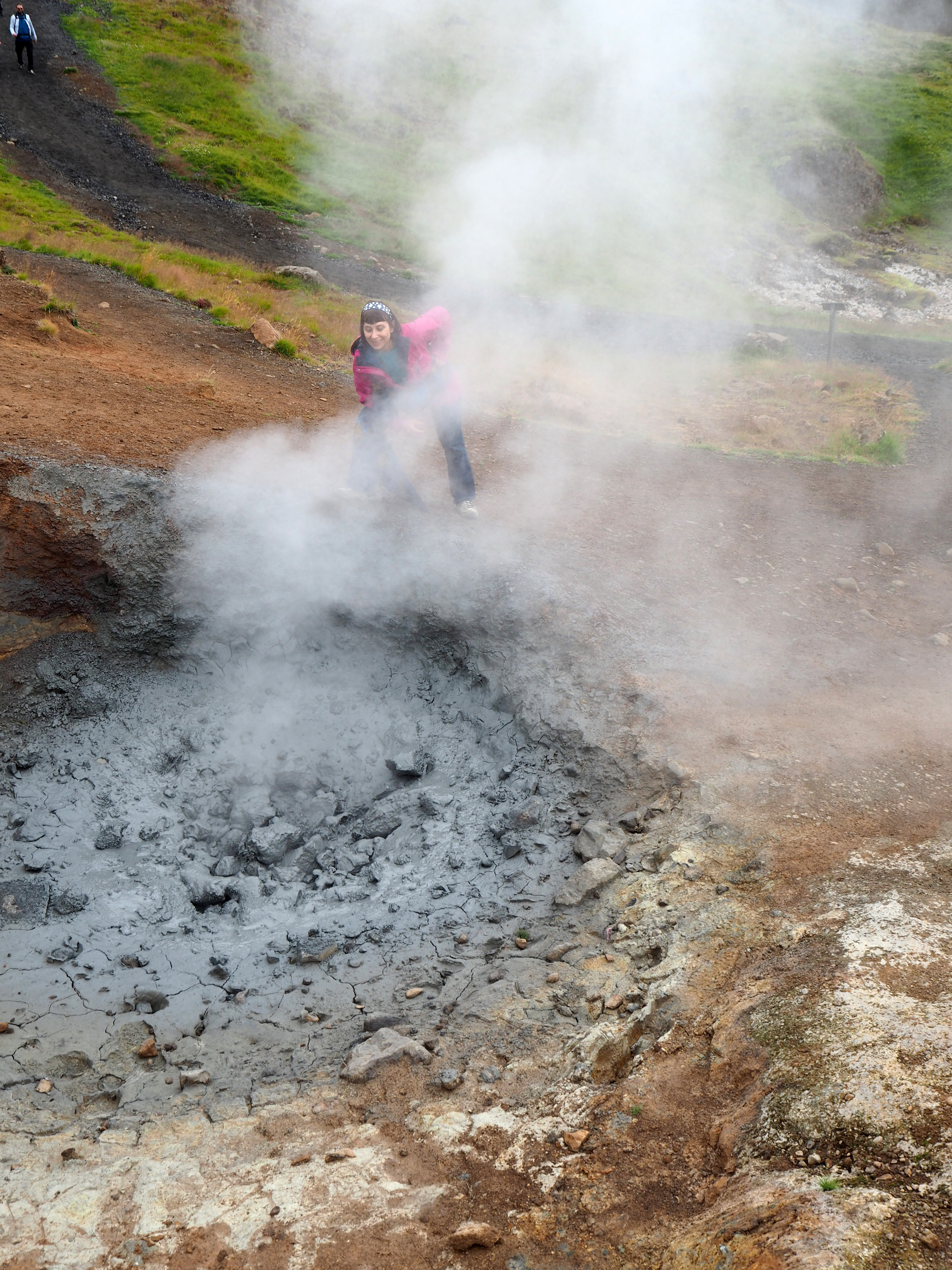
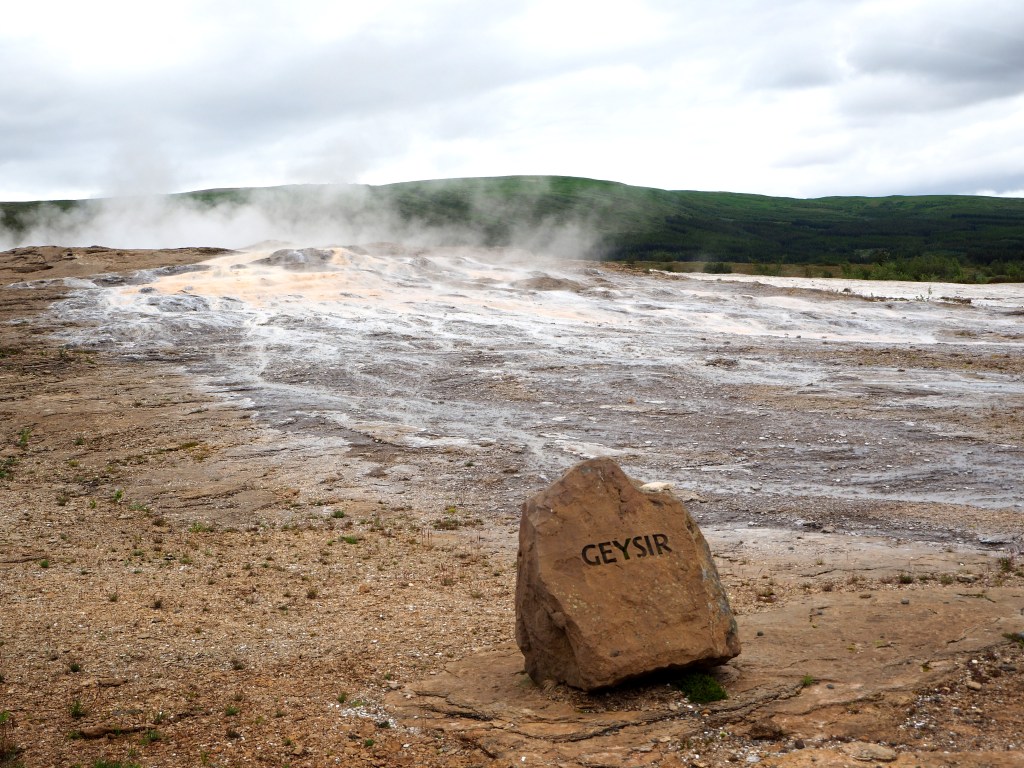
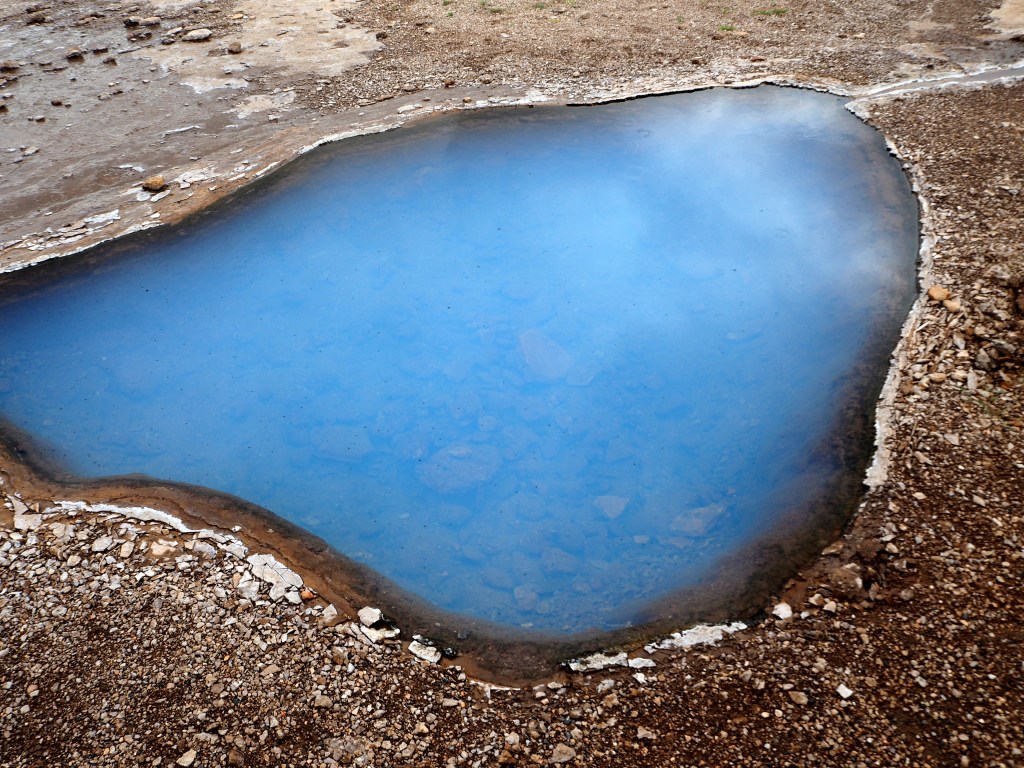
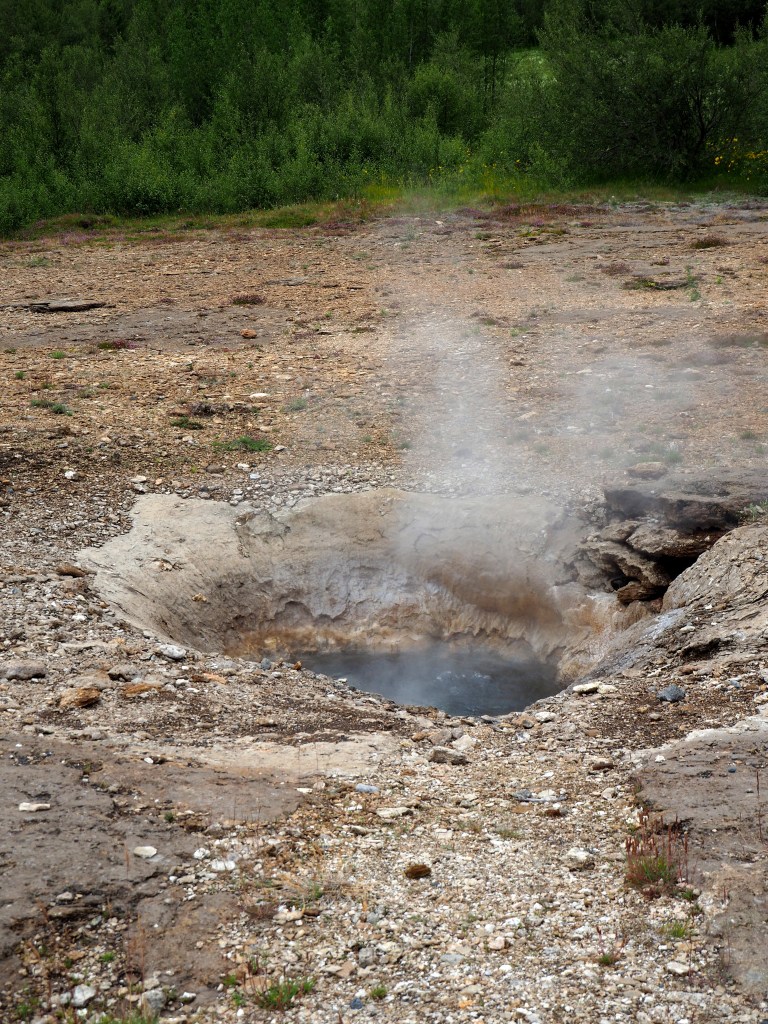
There are many bubbling earths and geysers:
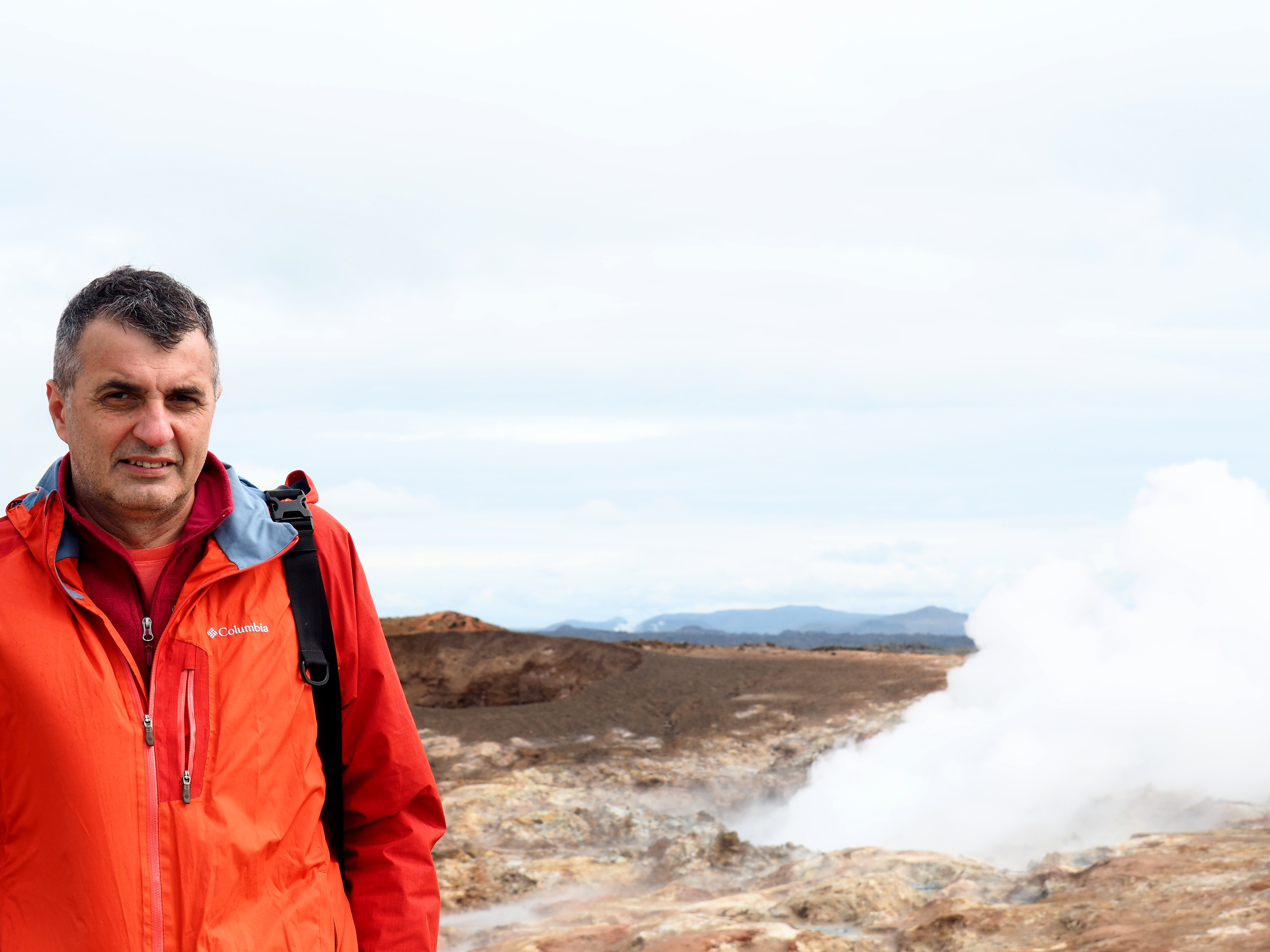
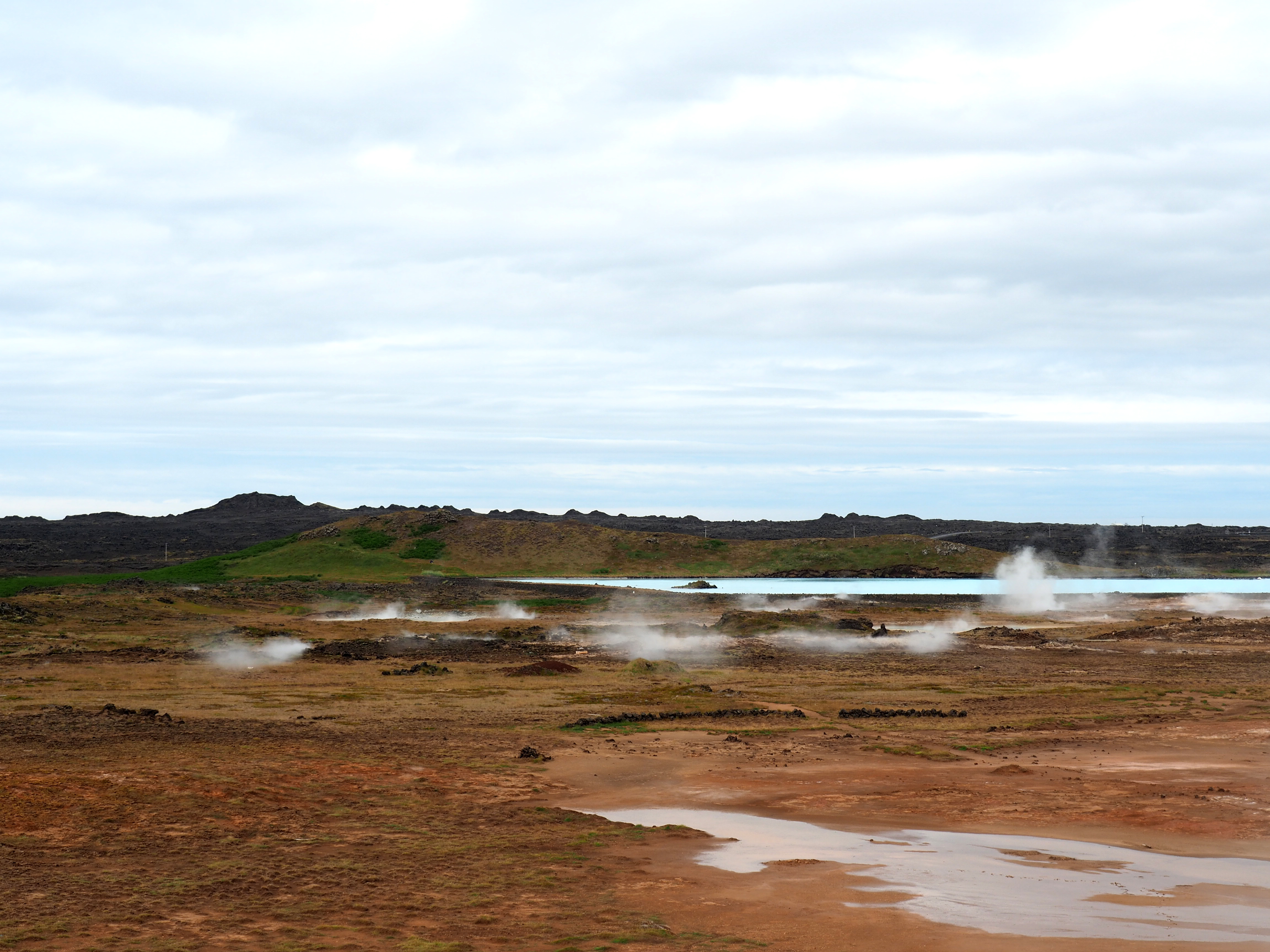
Iceland sits atop a geologically active region, resulting in geothermal activity and hot springs. The geothermal areas of Geysir and Strokkur showcase powerful geysers shooting hot water and steam into the air, while the Blue Lagoon offers visitors a chance to relax in warm, mineral-rich waters.
Gunnuhver geothermal area in Reykjanes Peninsula:
The geyser on the hike the thermal river:
The Geysir Hot Springs area:


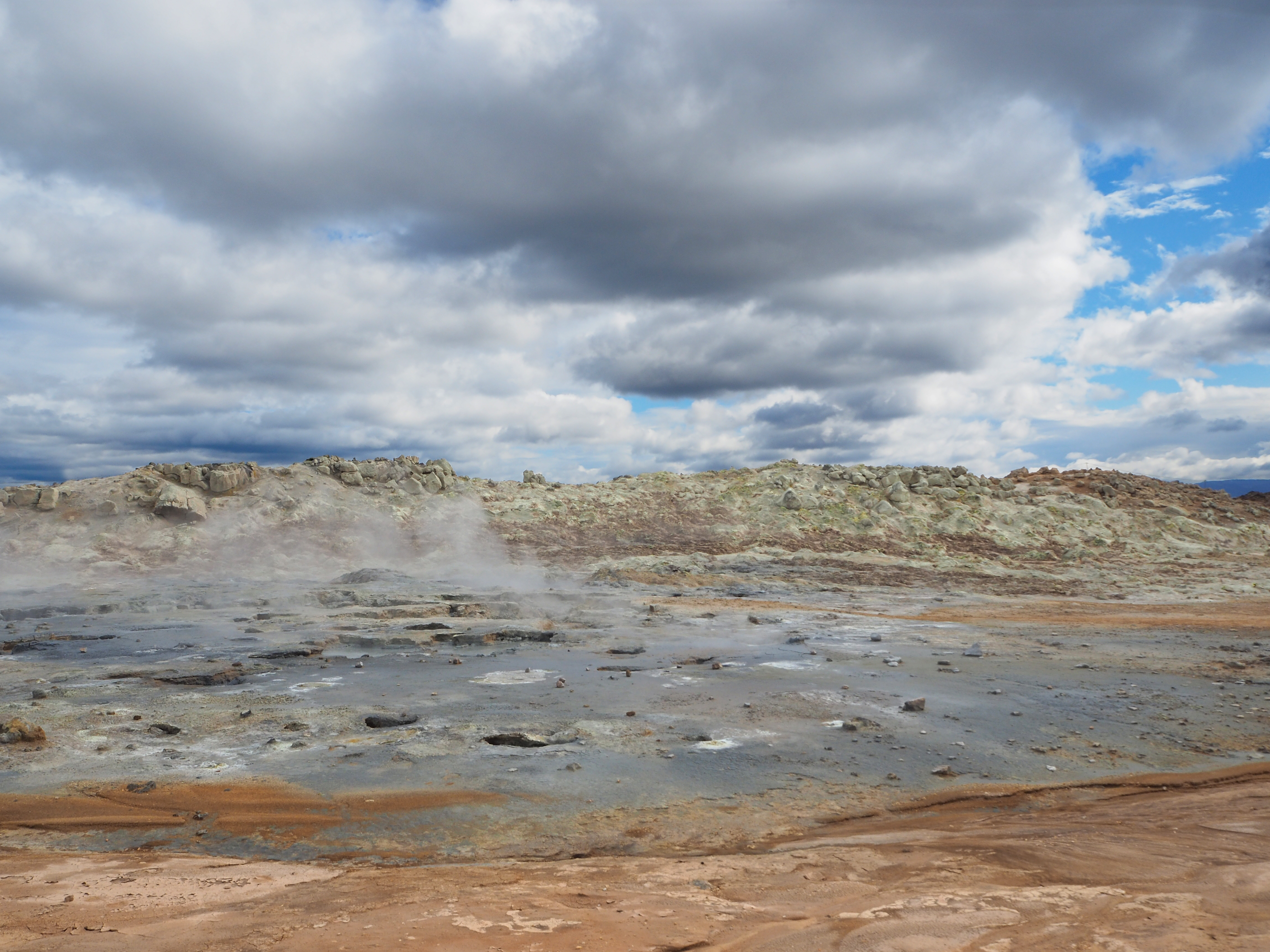
Námafjall (Hverarönd) in east Iceland:
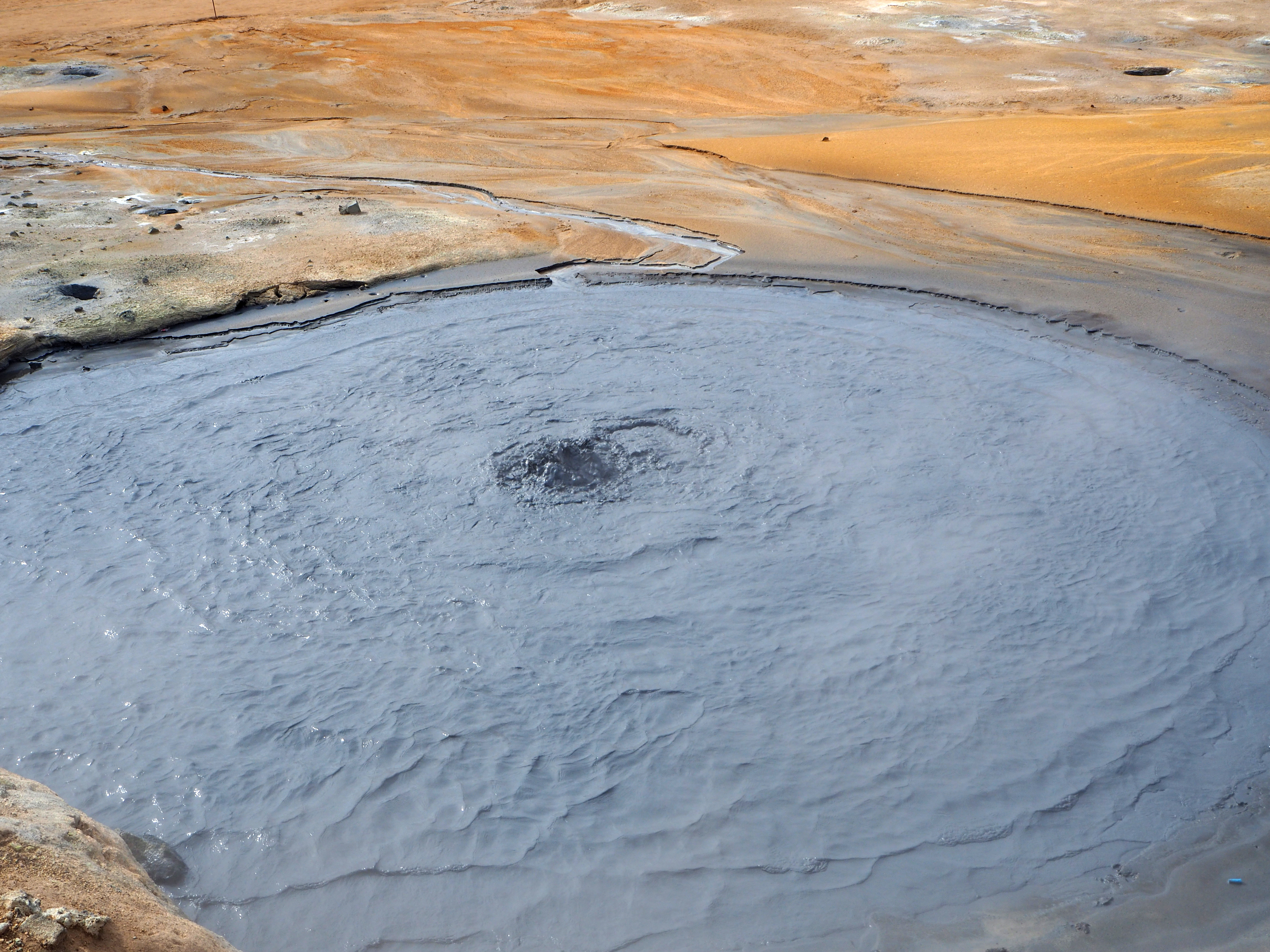
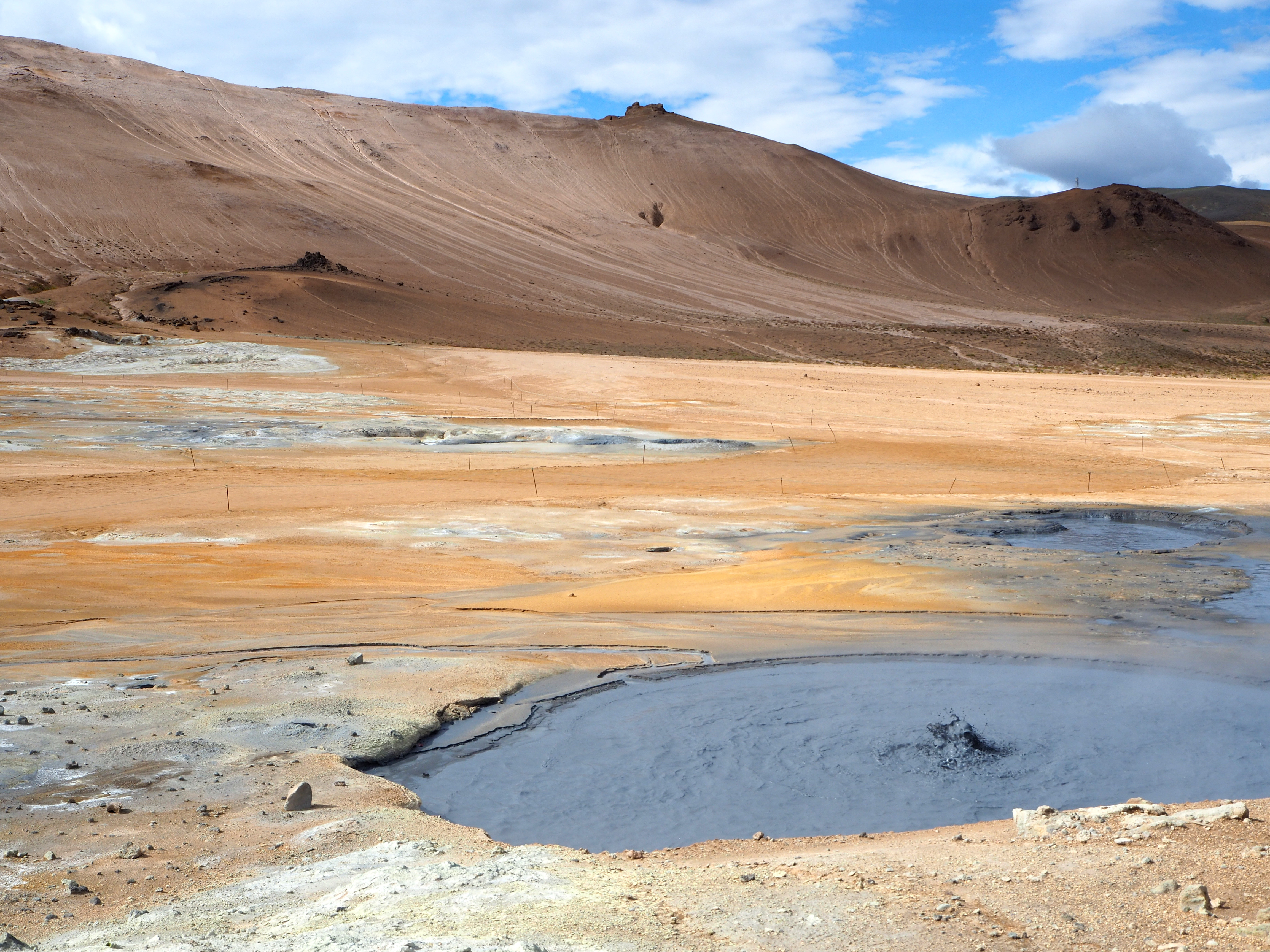
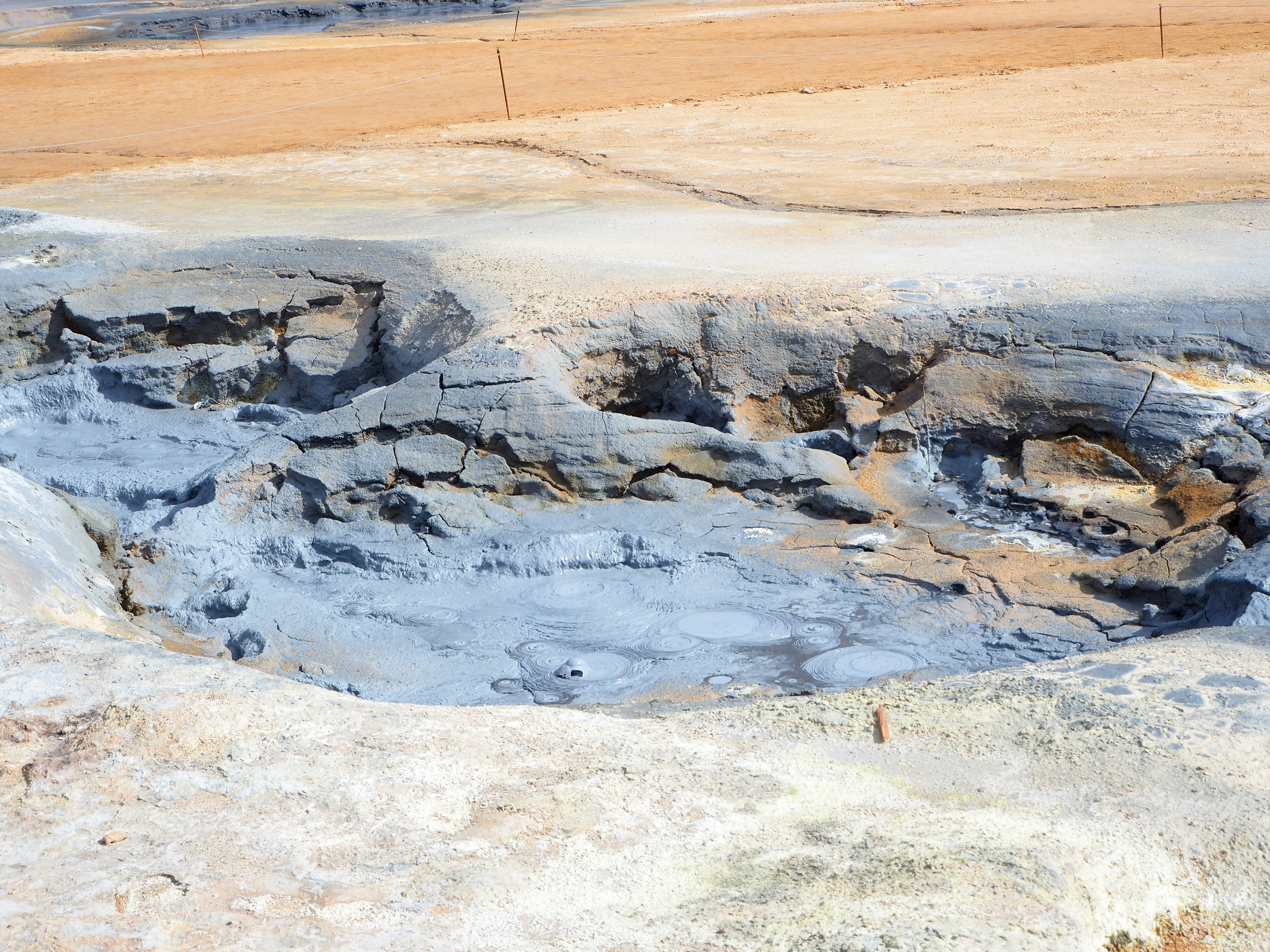
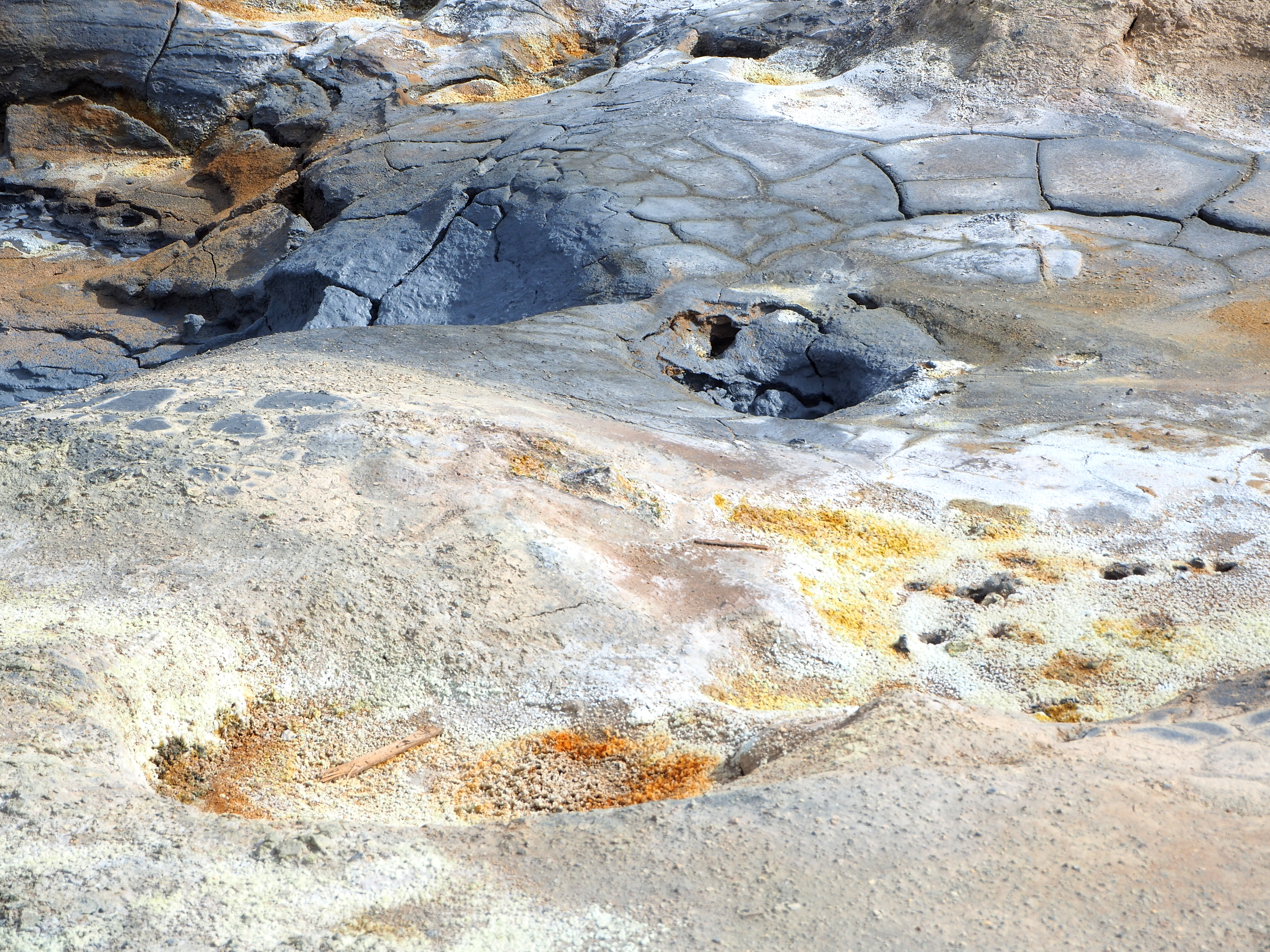
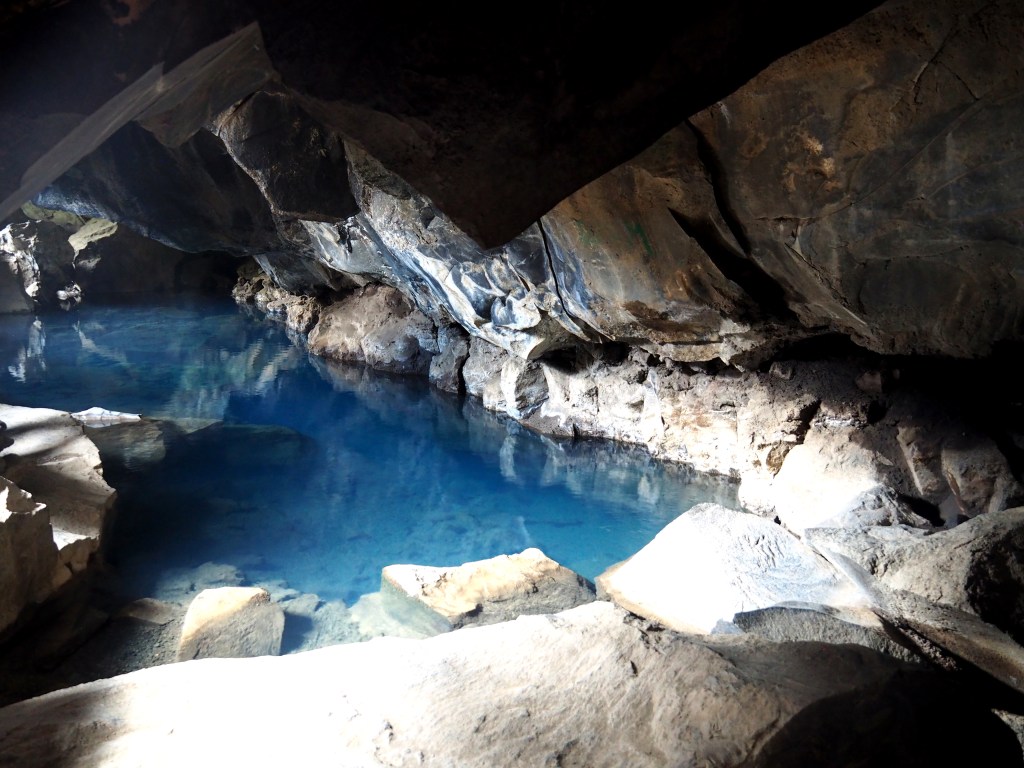
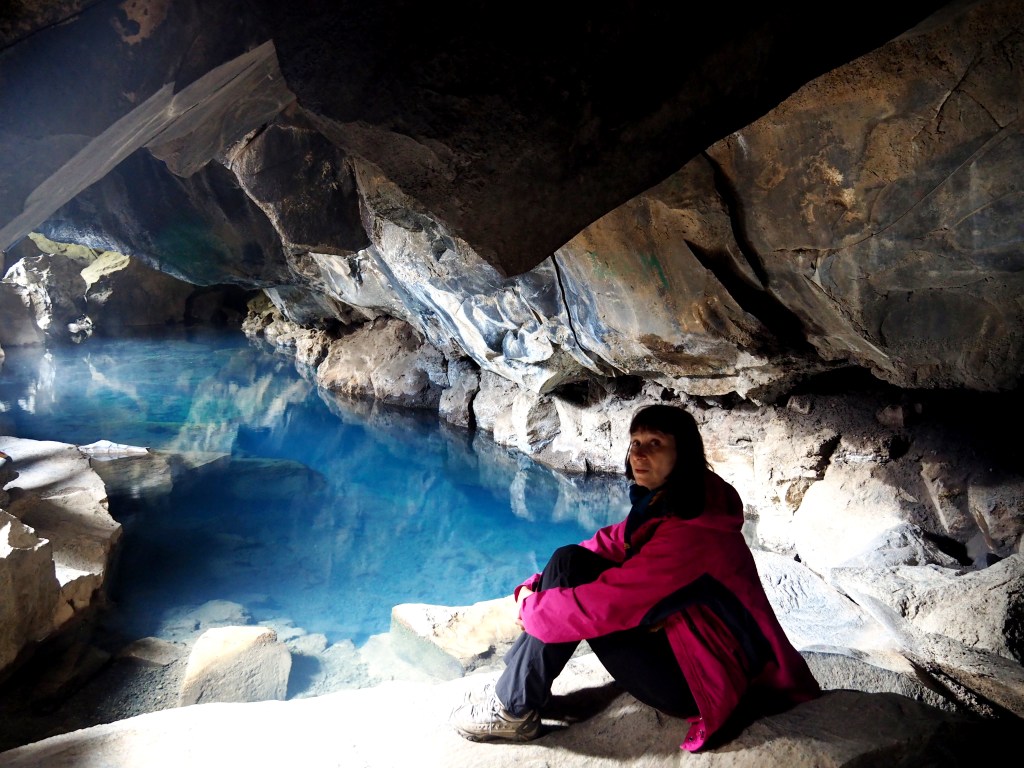
Grjótagjá hot spring cave where one of the most iconic scenes in Game of Thrones was shot.
Crater lakes:
I hate, hate crater lakes since Quilotoa in Ecuador. Ivan always makes me hike the circle around them. Walking up and down, looking at the bright blue lake below when we forgot our water bottle is something very close to refined inquisition. Of course, we didn’t pack water on our hikes around Kerid Crater
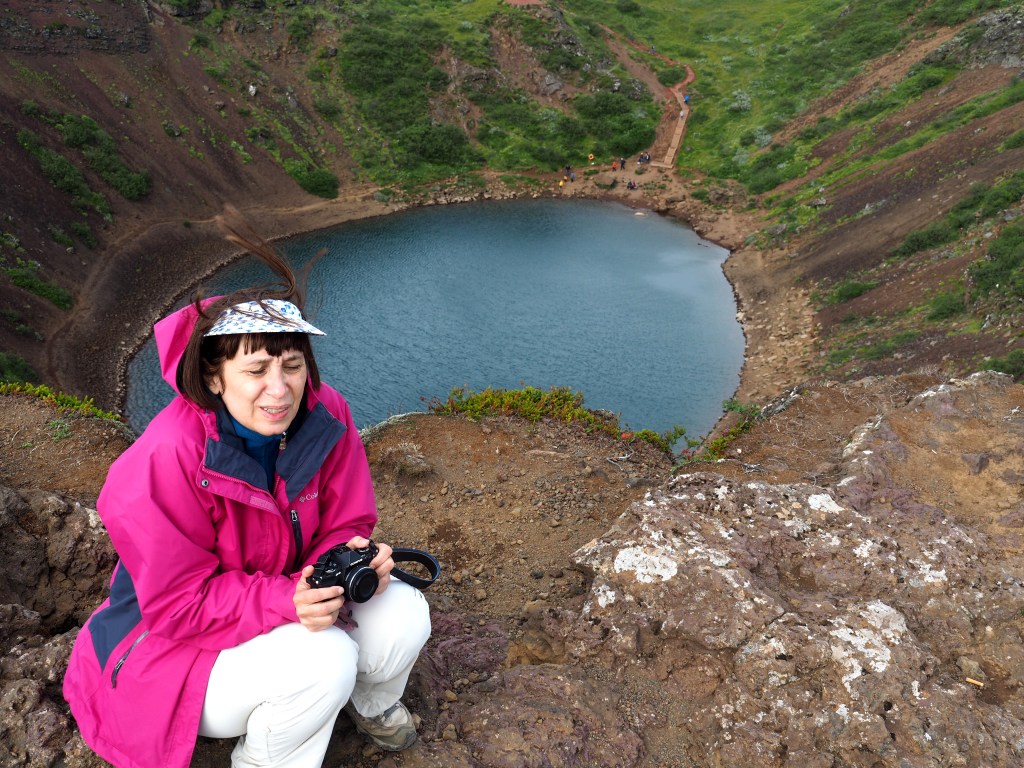
and Viti Lake.
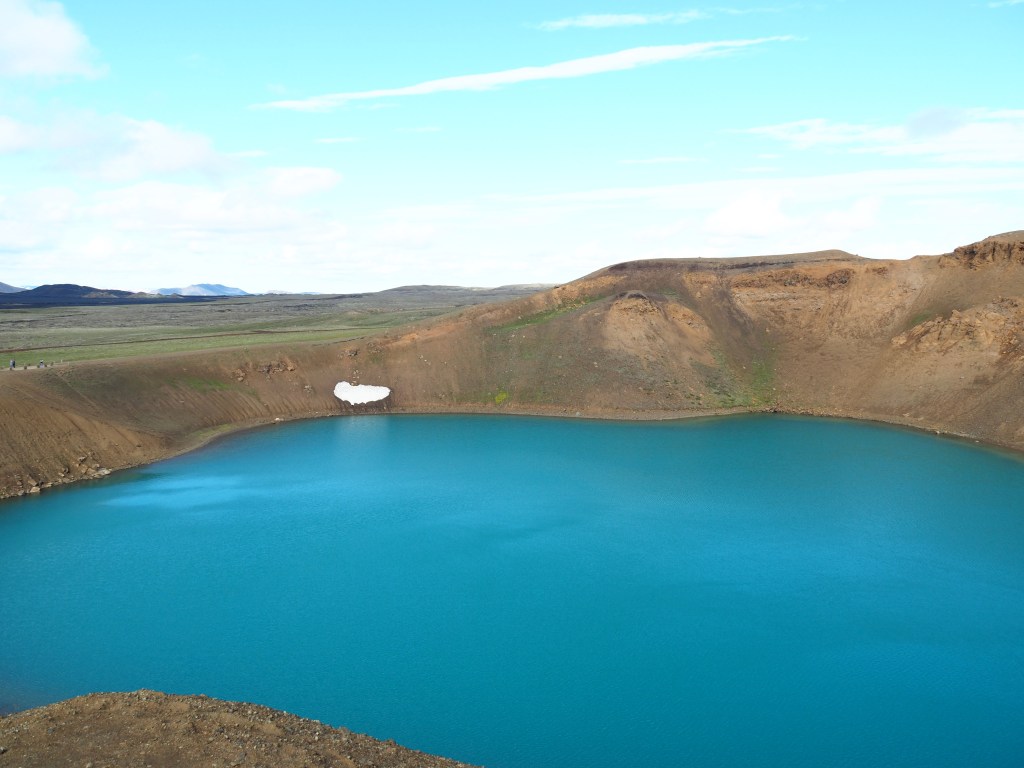
Luckily for me, the hikes were short and not that exhausting, so I was able to enjoy the views.
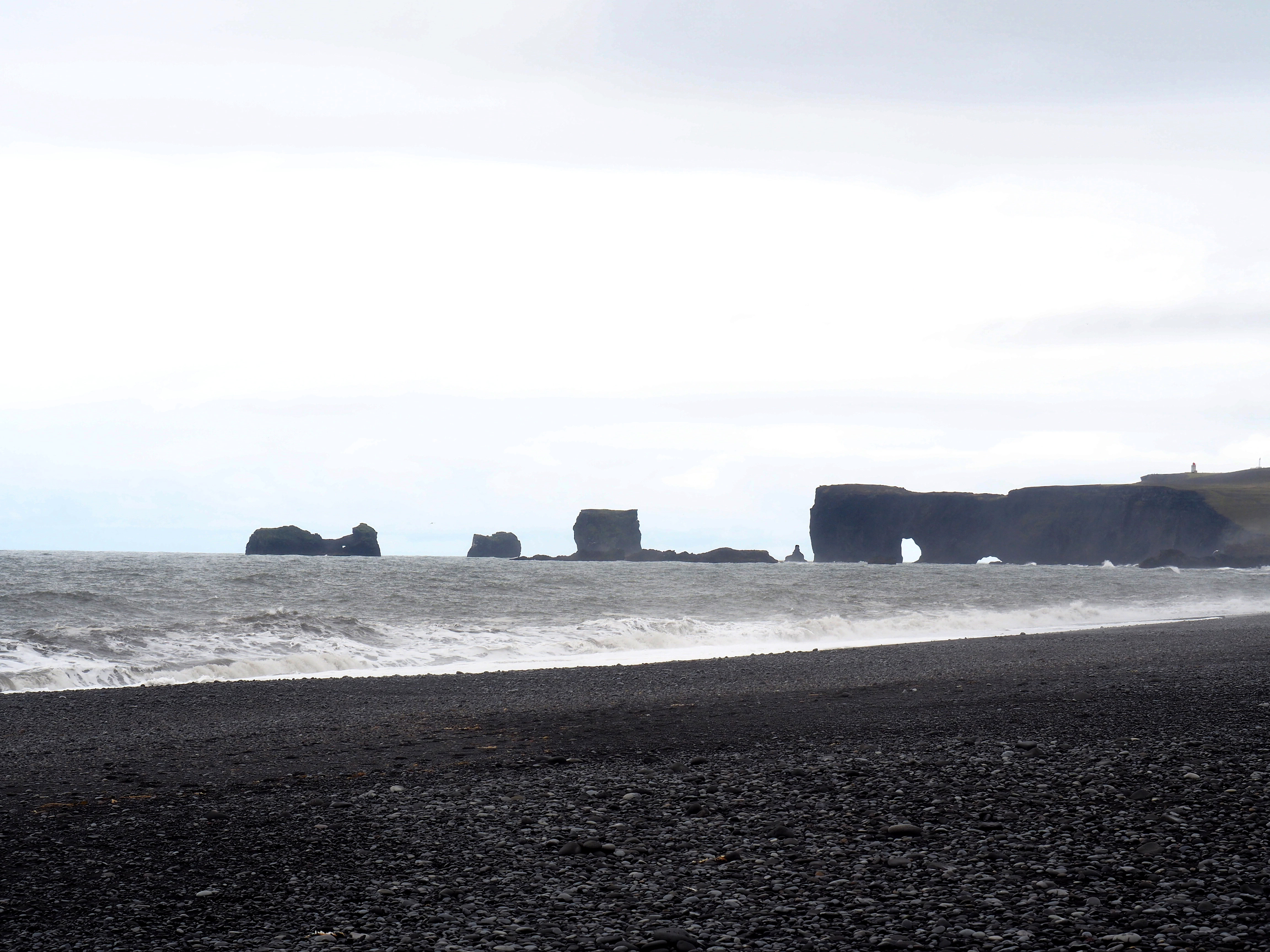
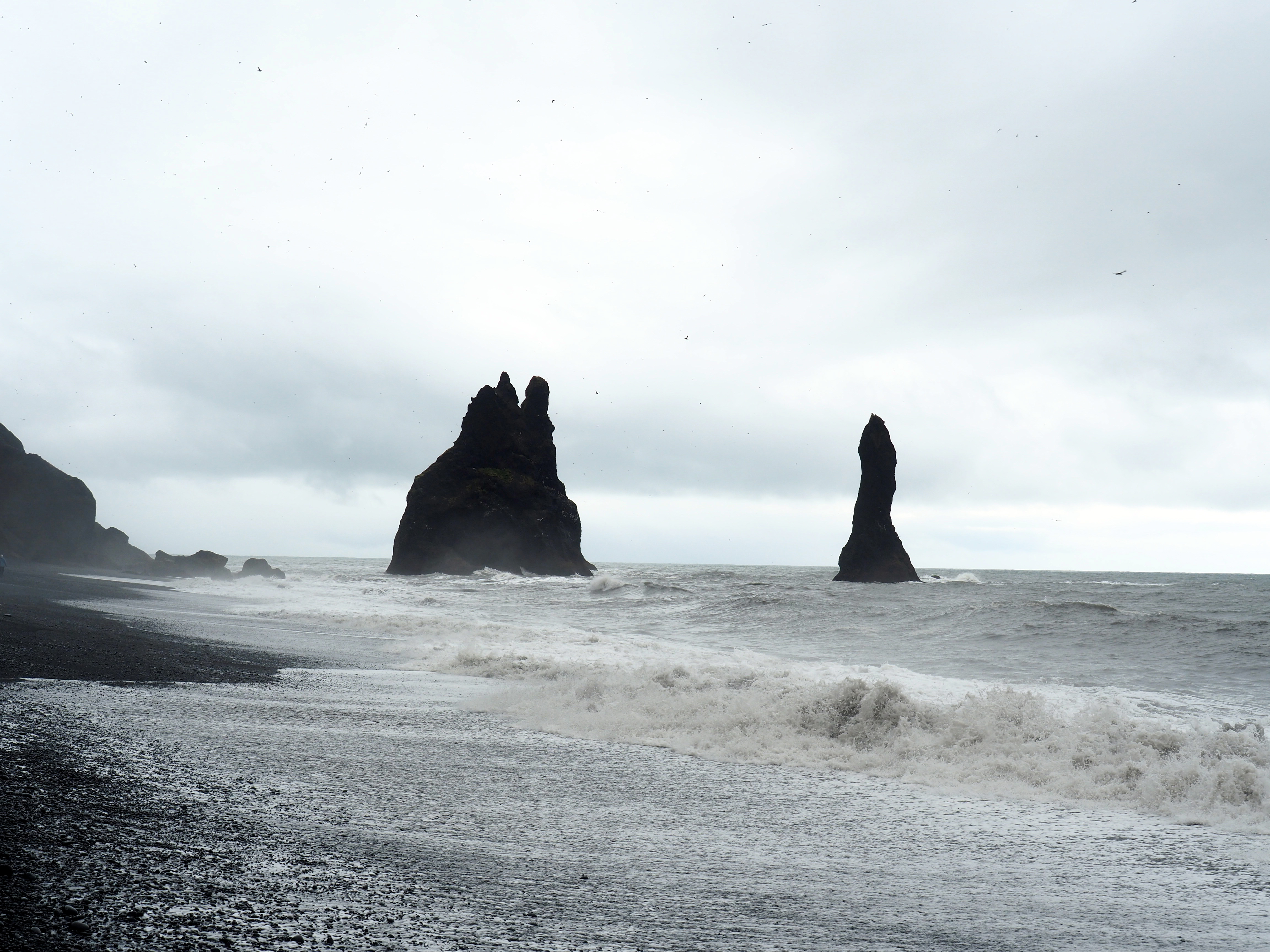
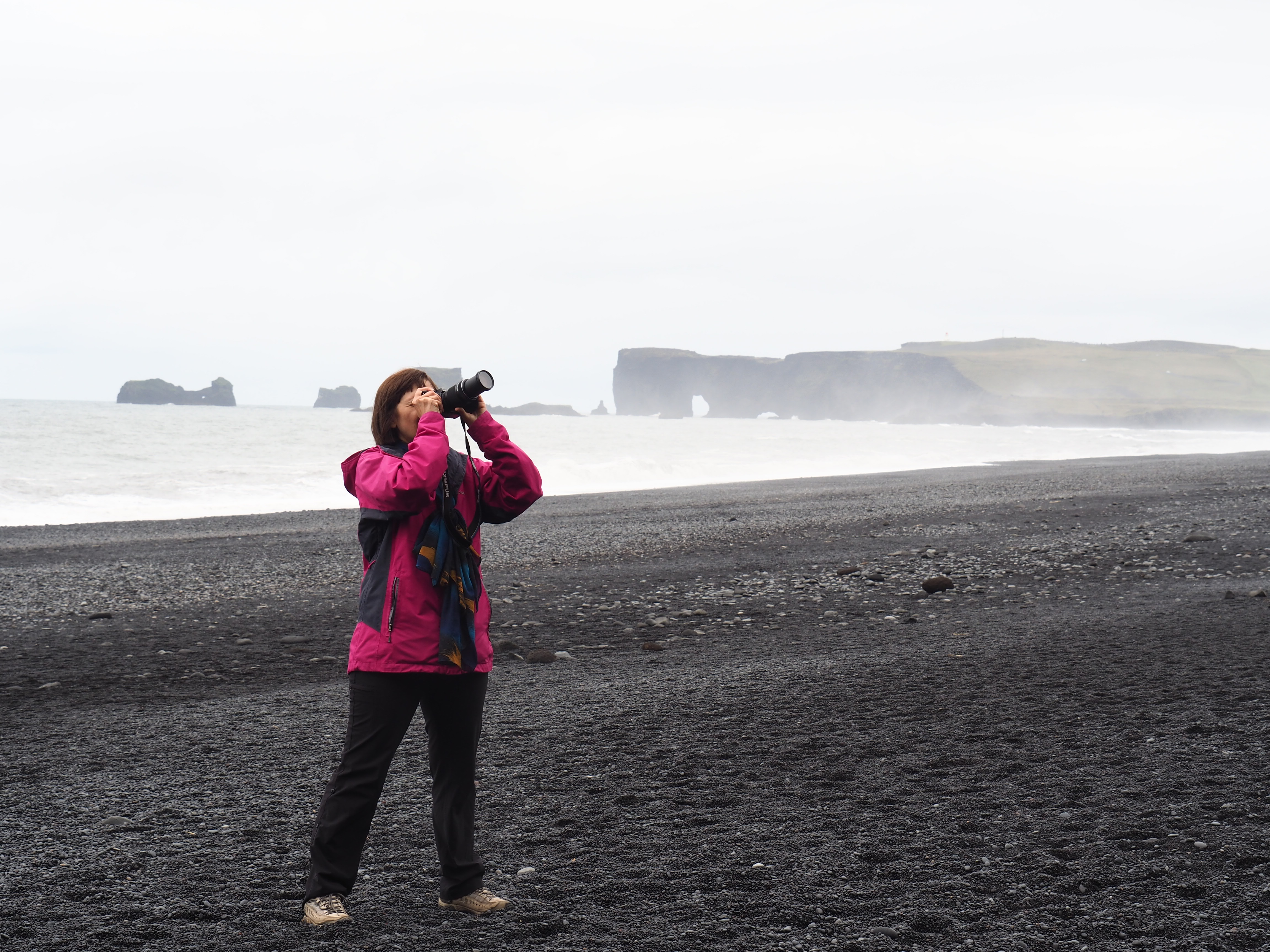
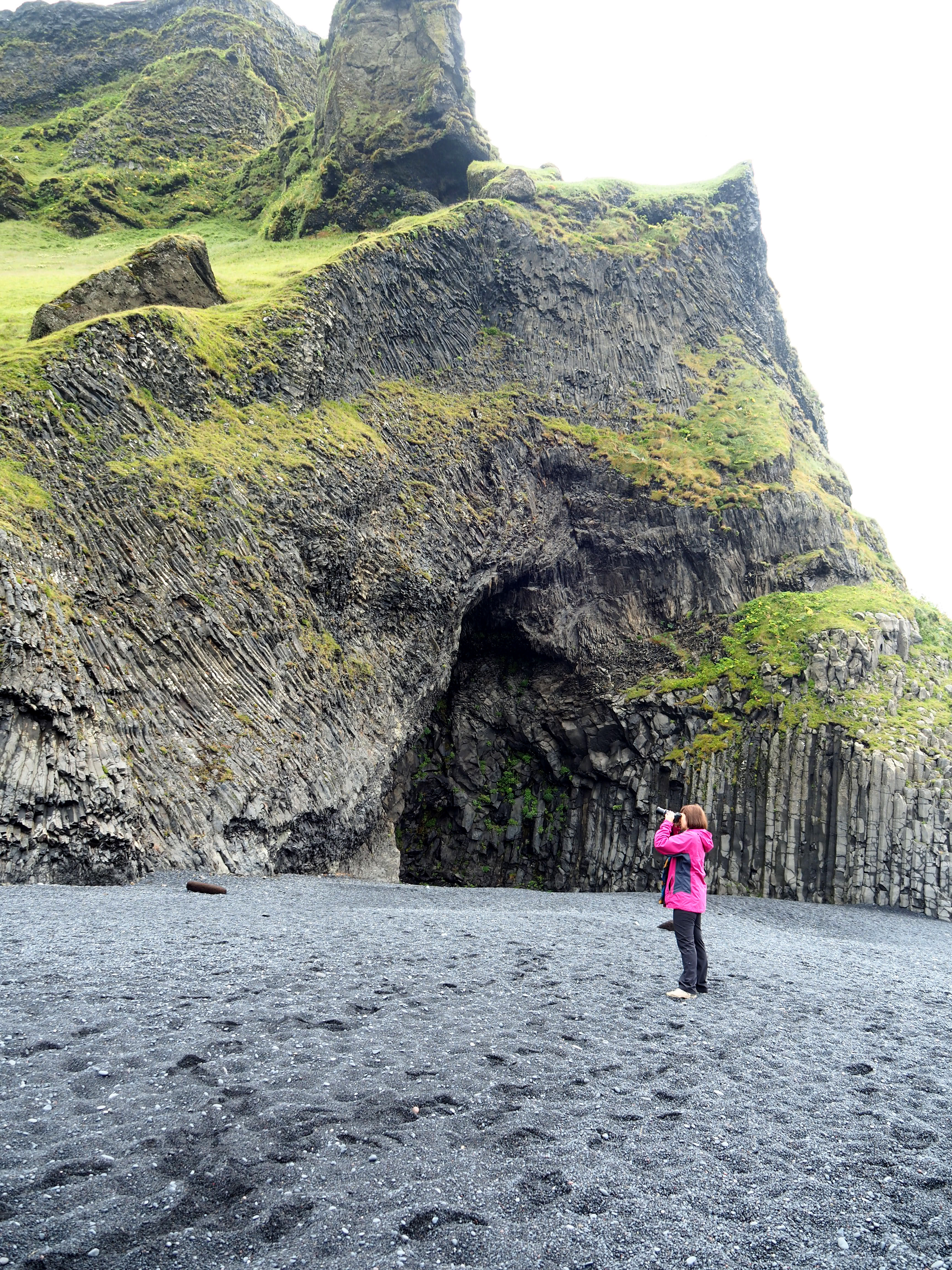
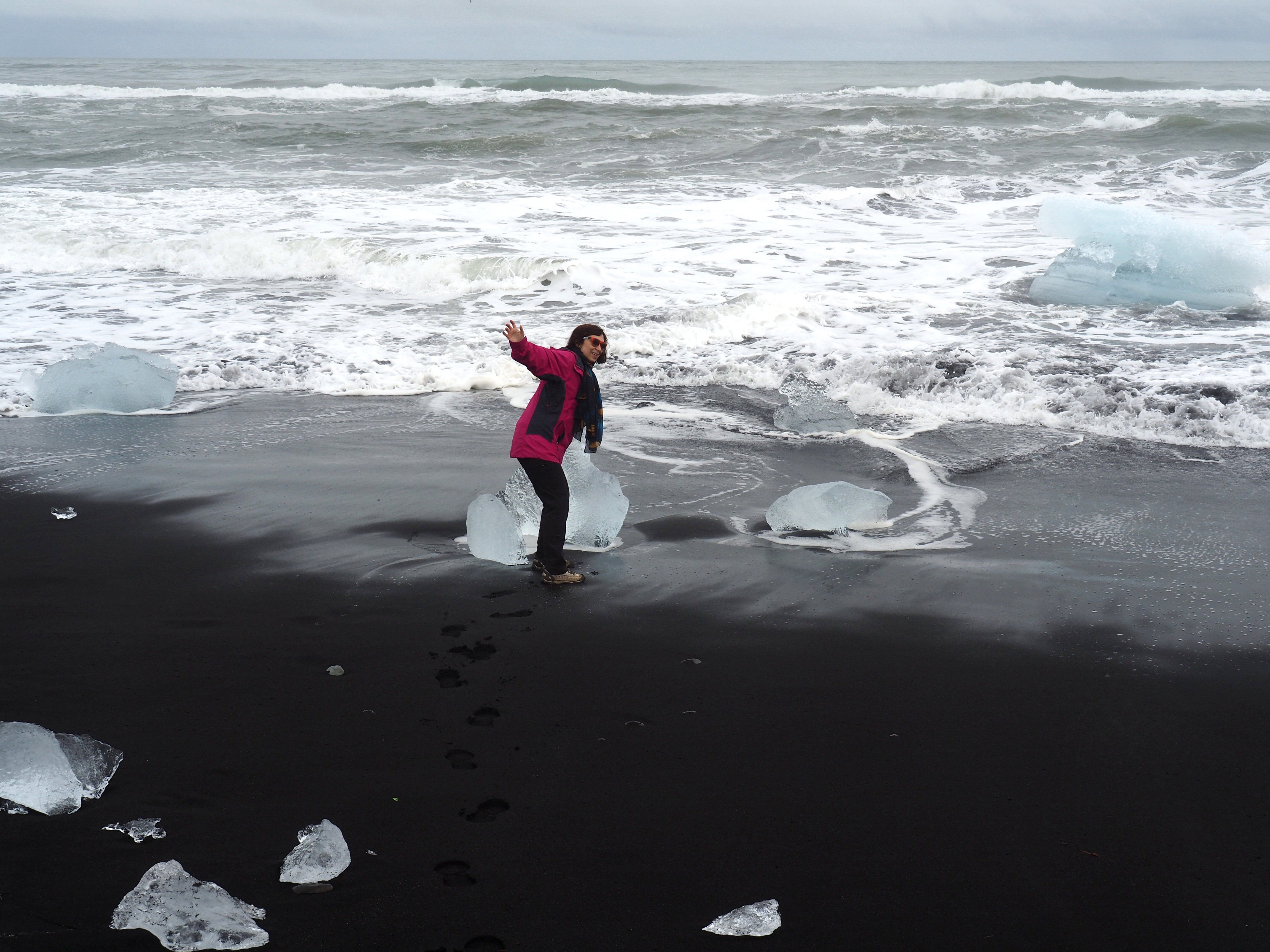
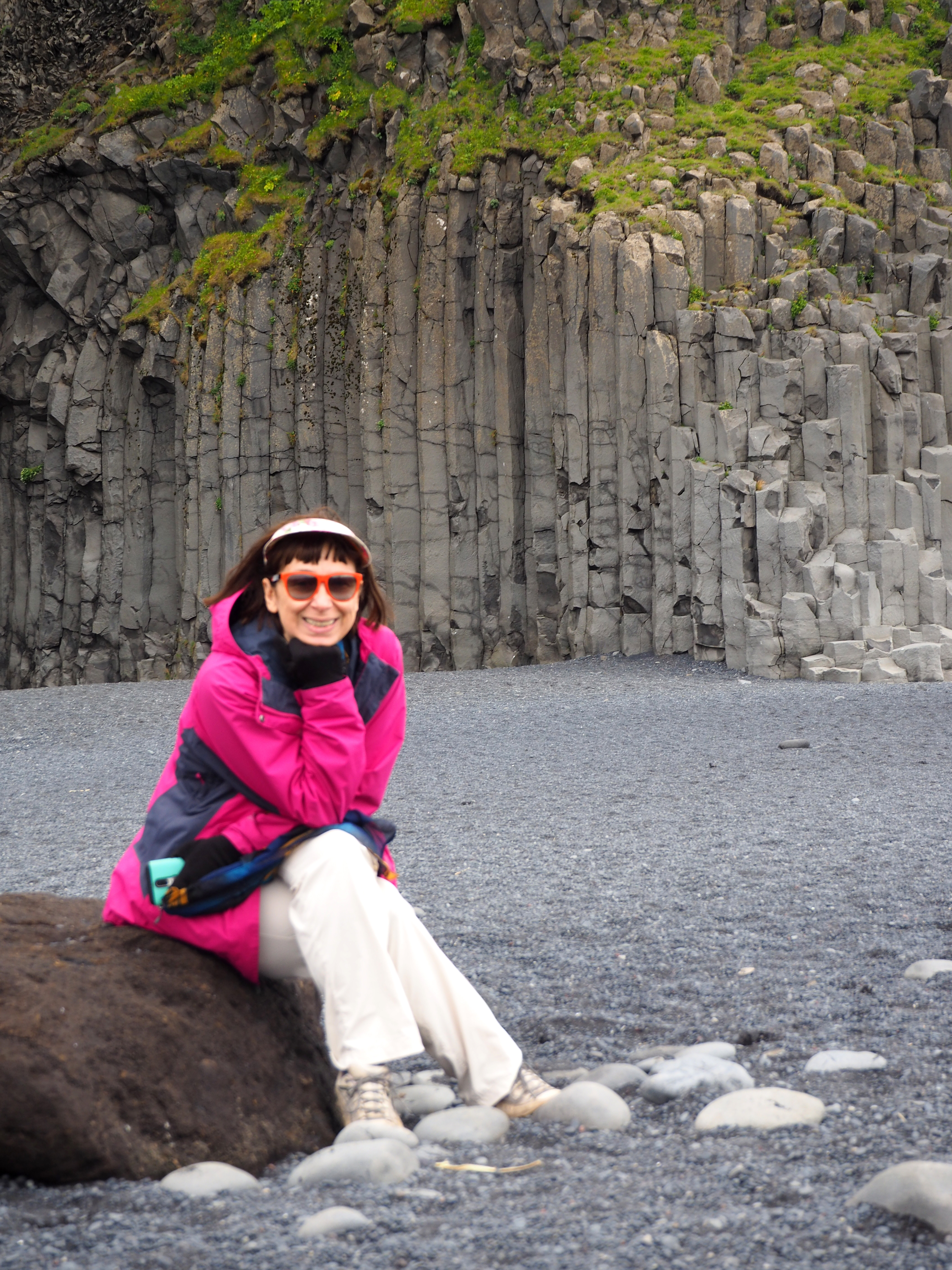
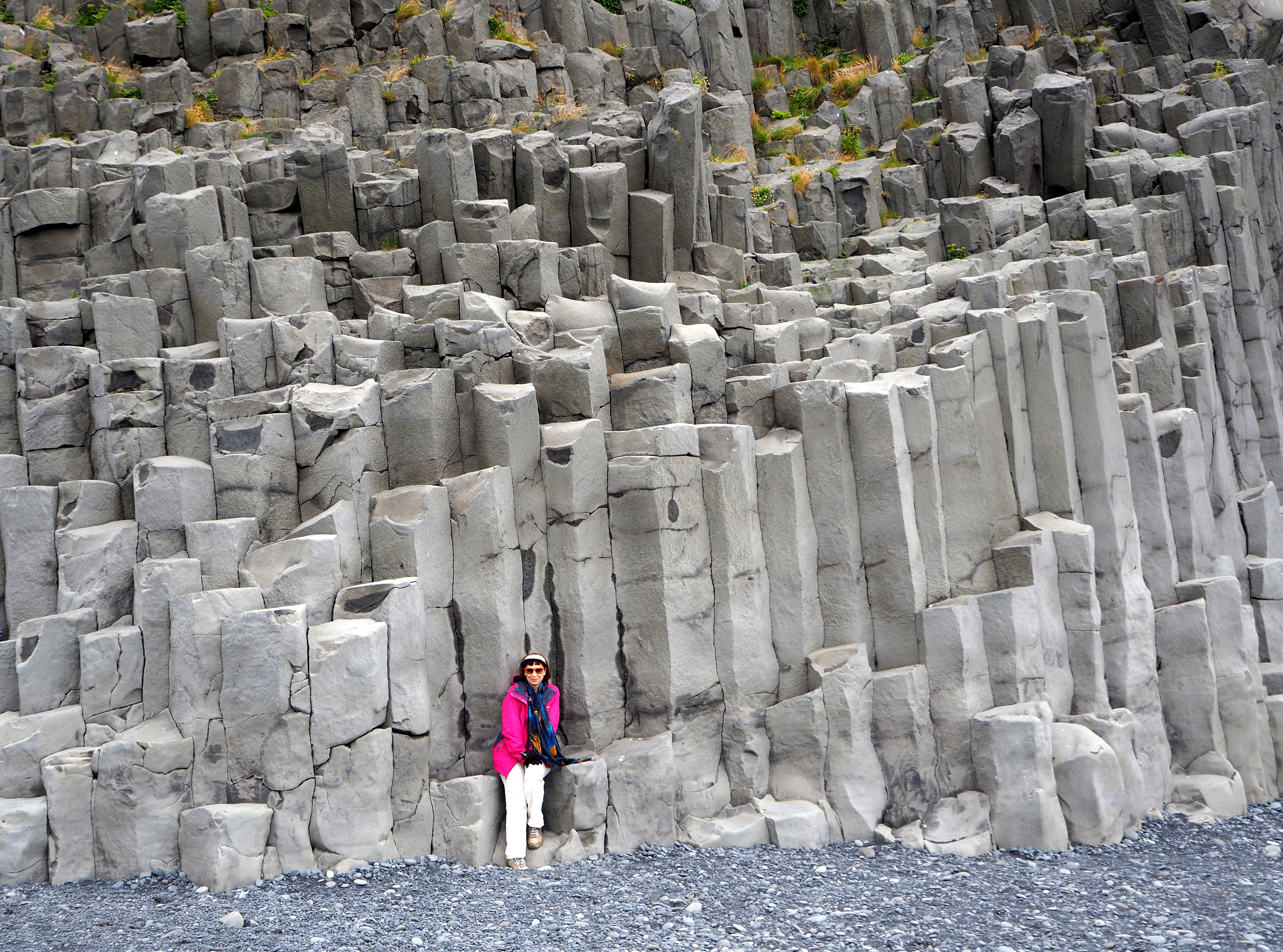
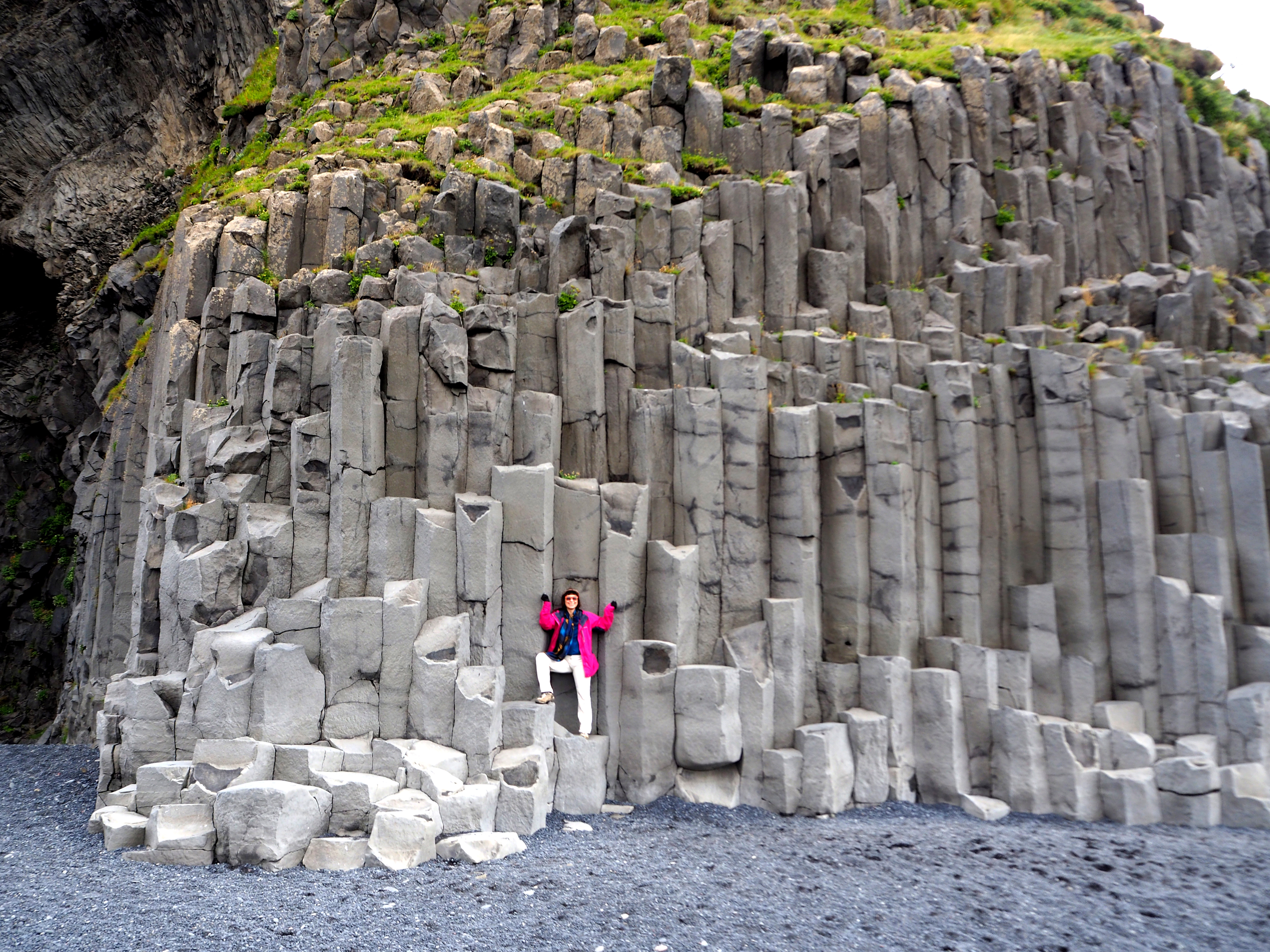
Basalt columns at Reynisfjara Black Sand Beach
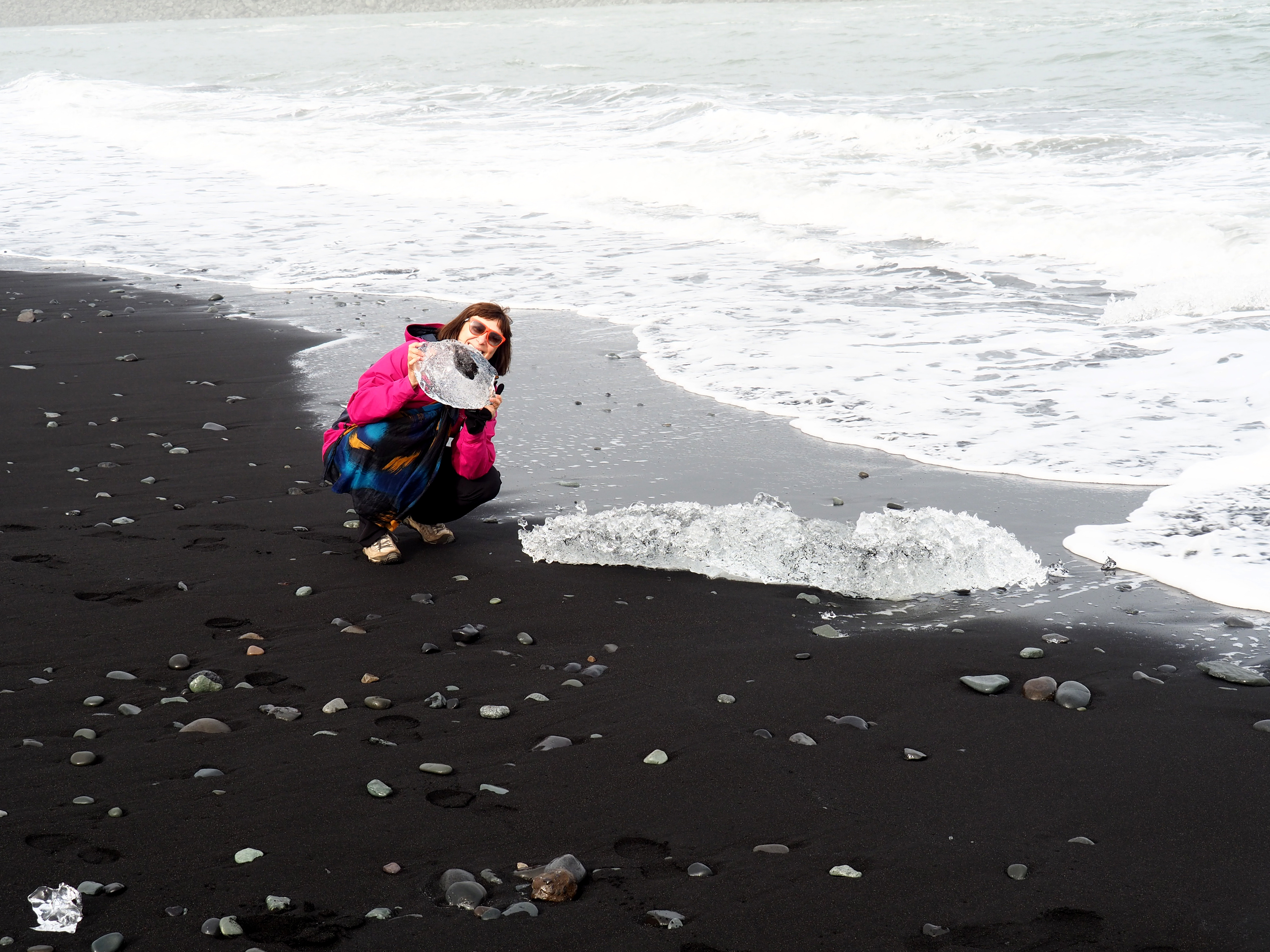
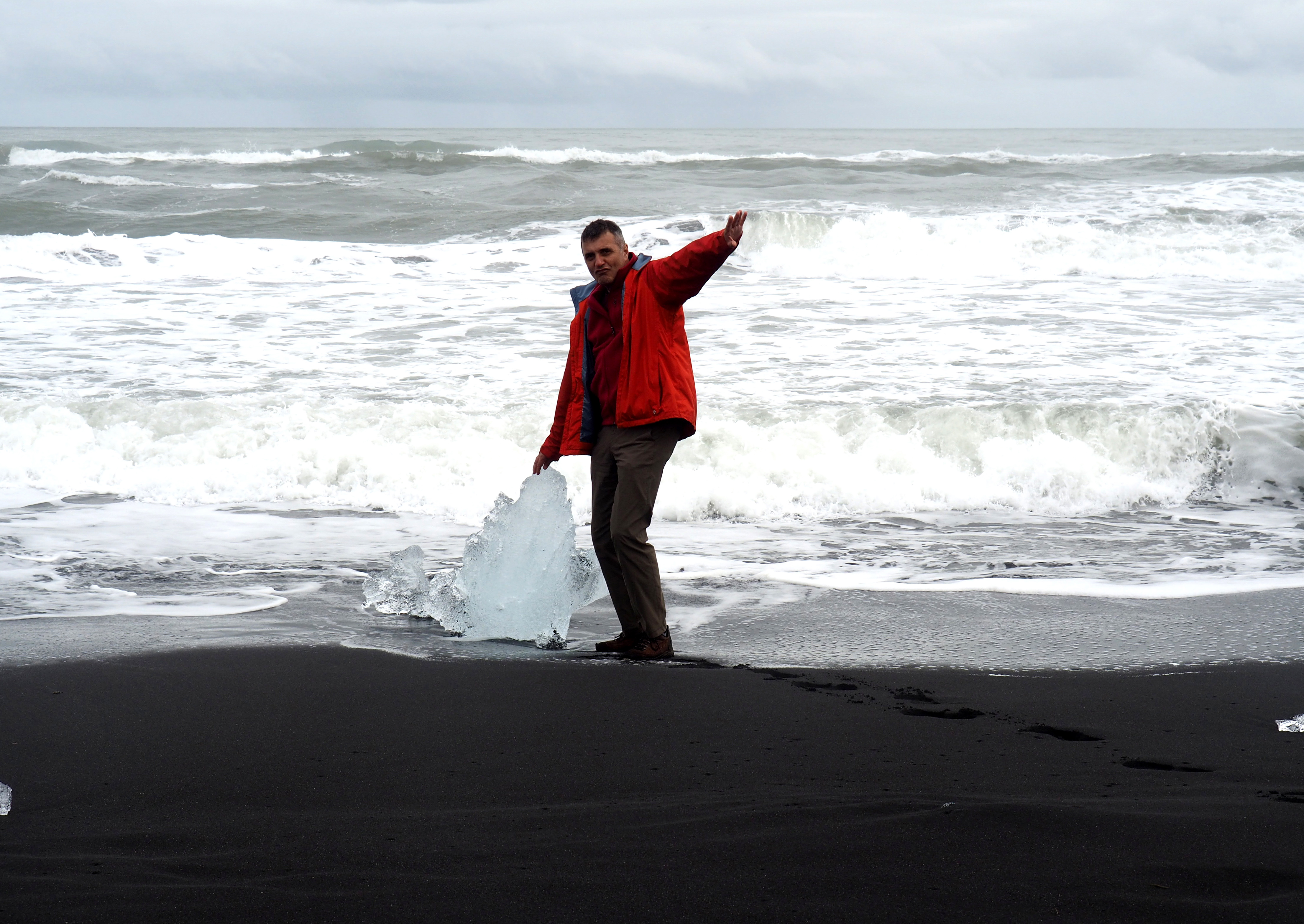
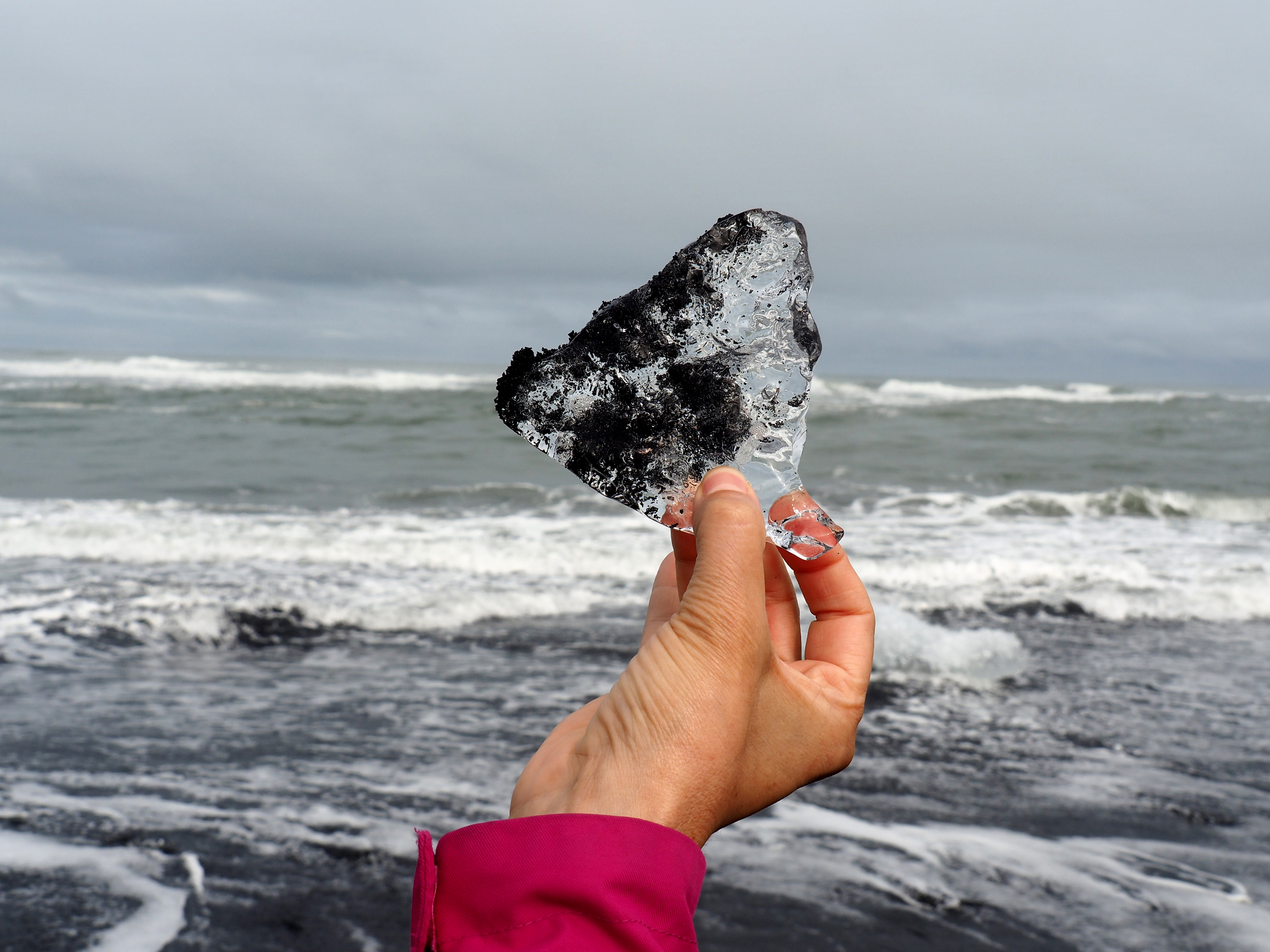
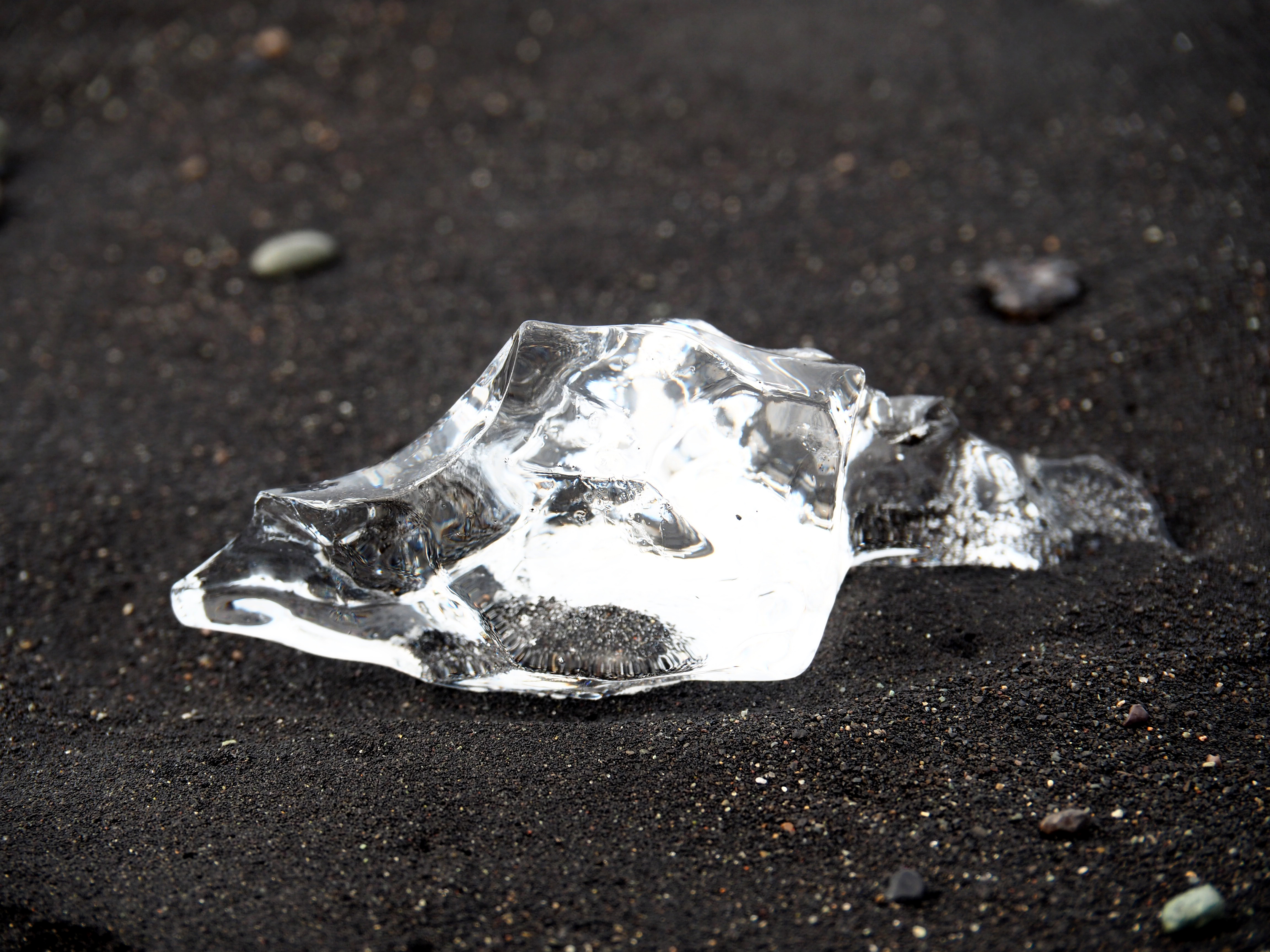
Iceland’s coastline is dotted with mesmerizing black sand beaches, formed by volcanic activity. Reynisfjara Beach near Vík and Diamond Beach near Jökulsárlón are particularly notable, with their contrasting black sands and ice formations.

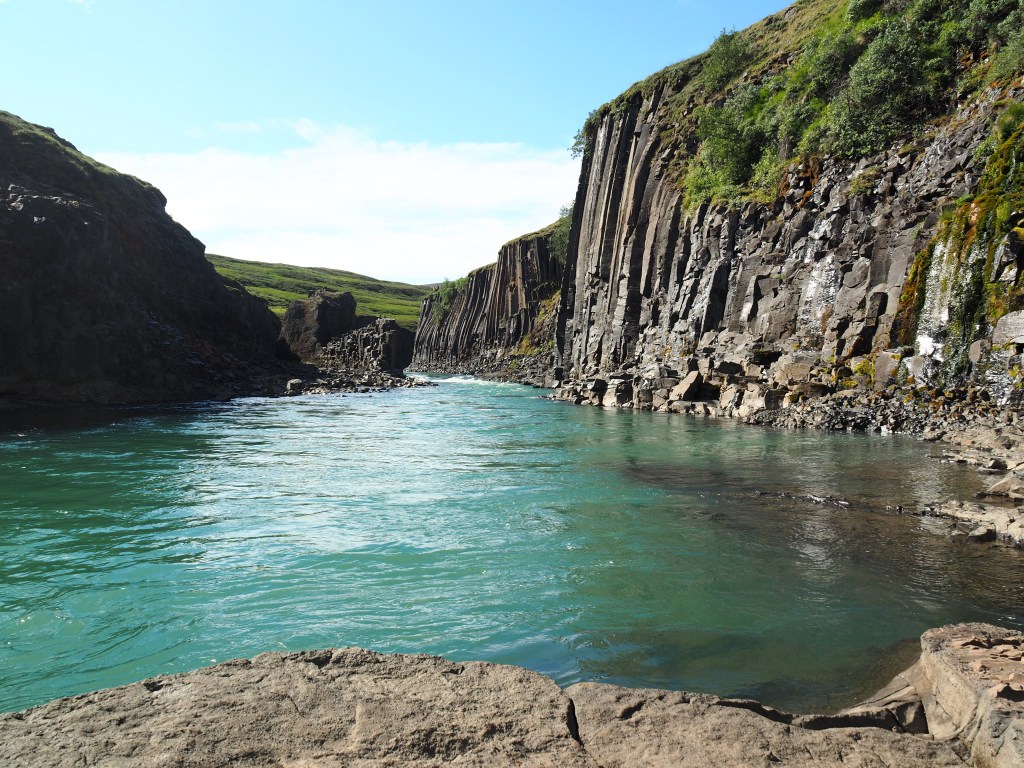
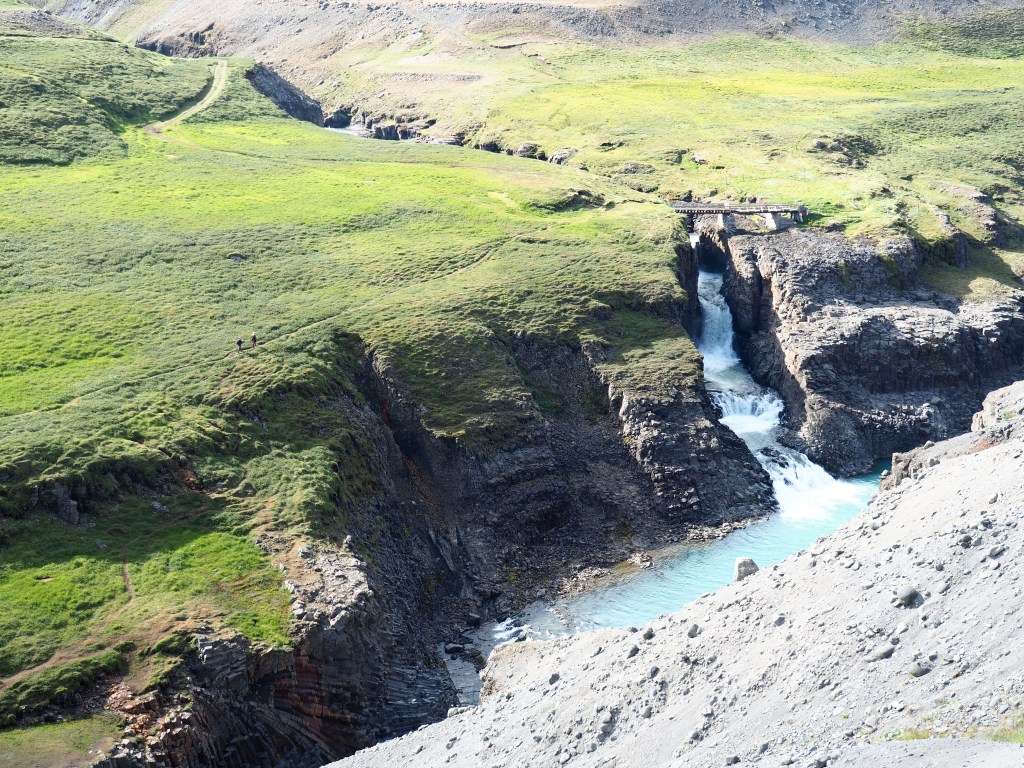
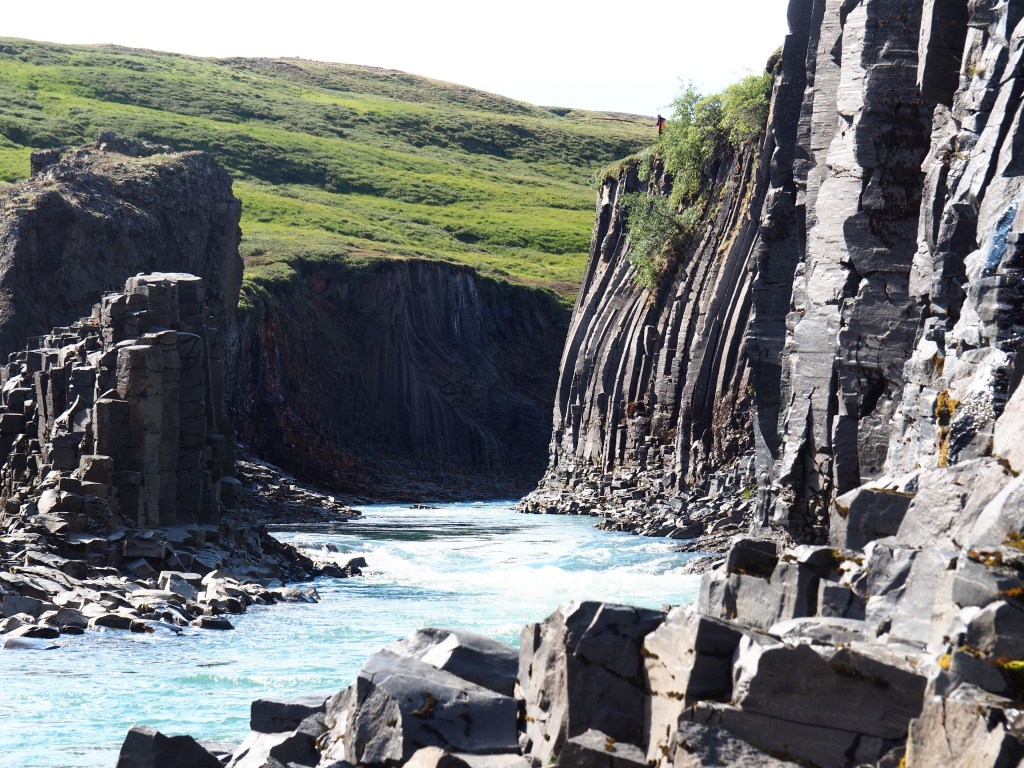
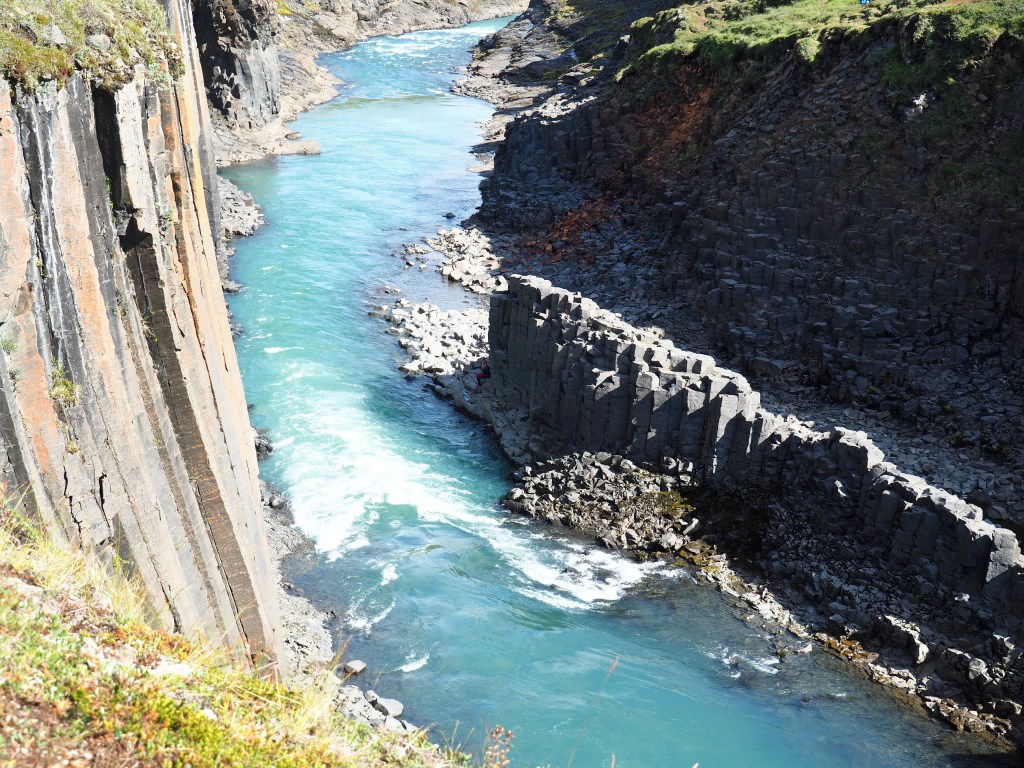
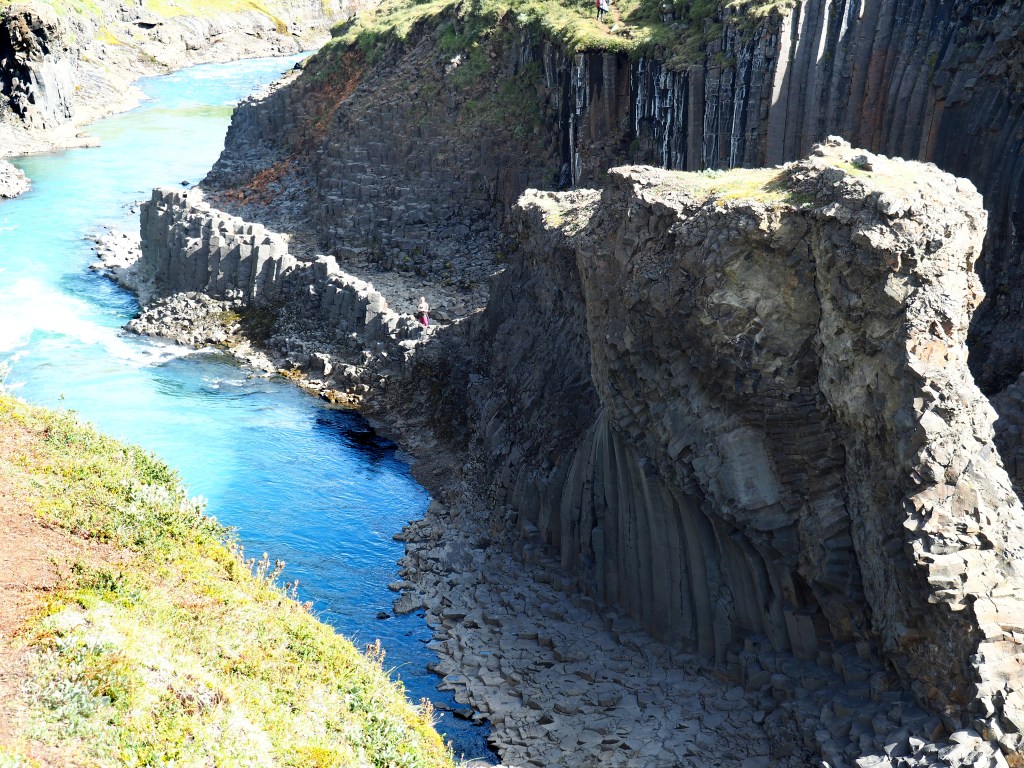
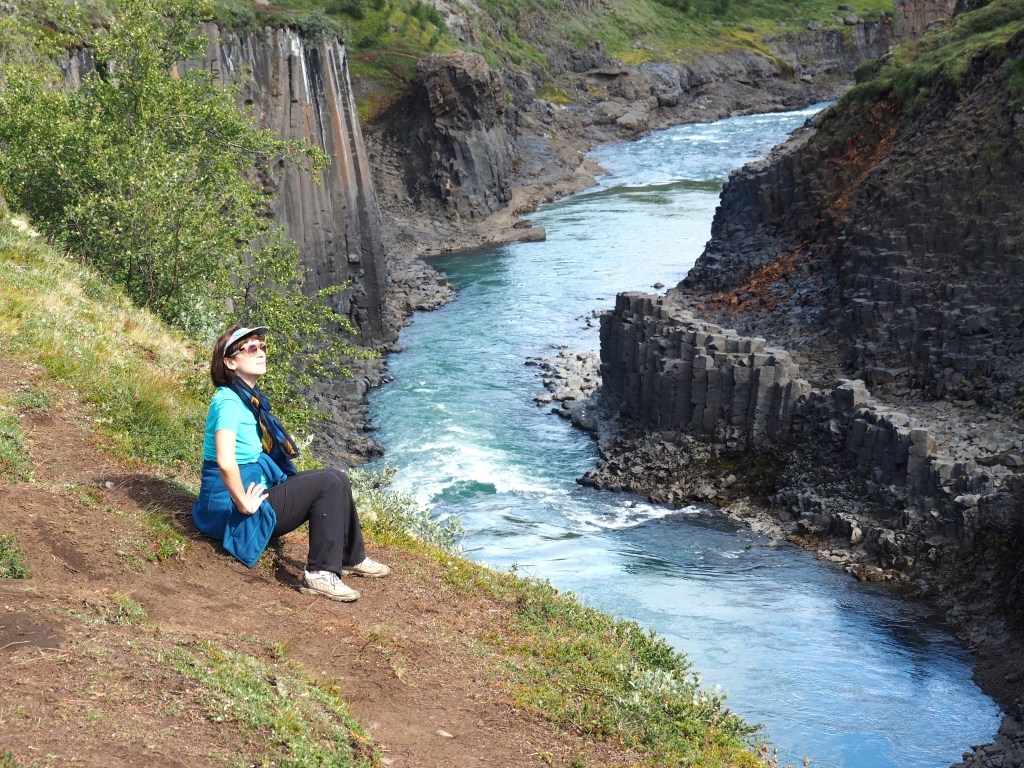
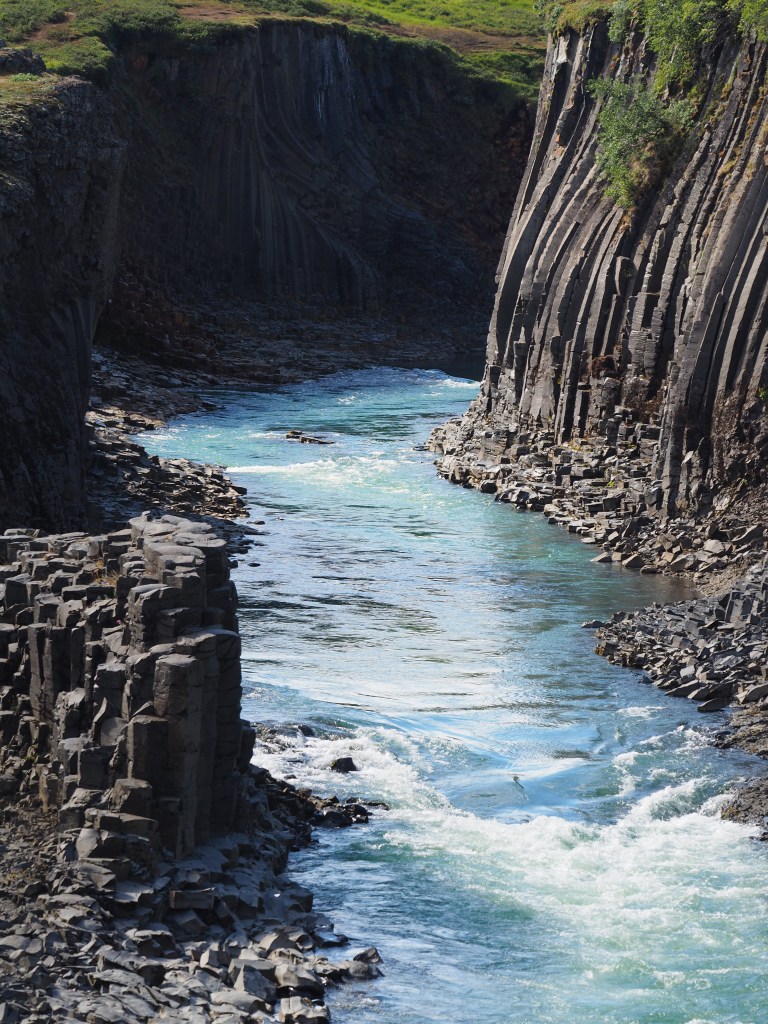
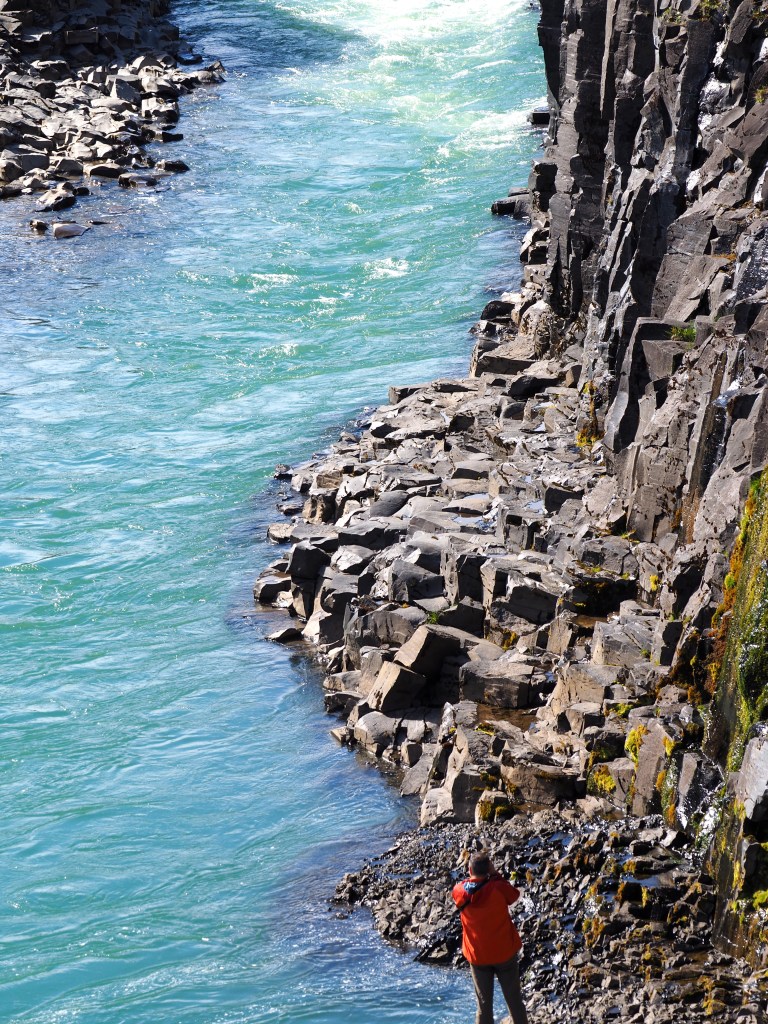
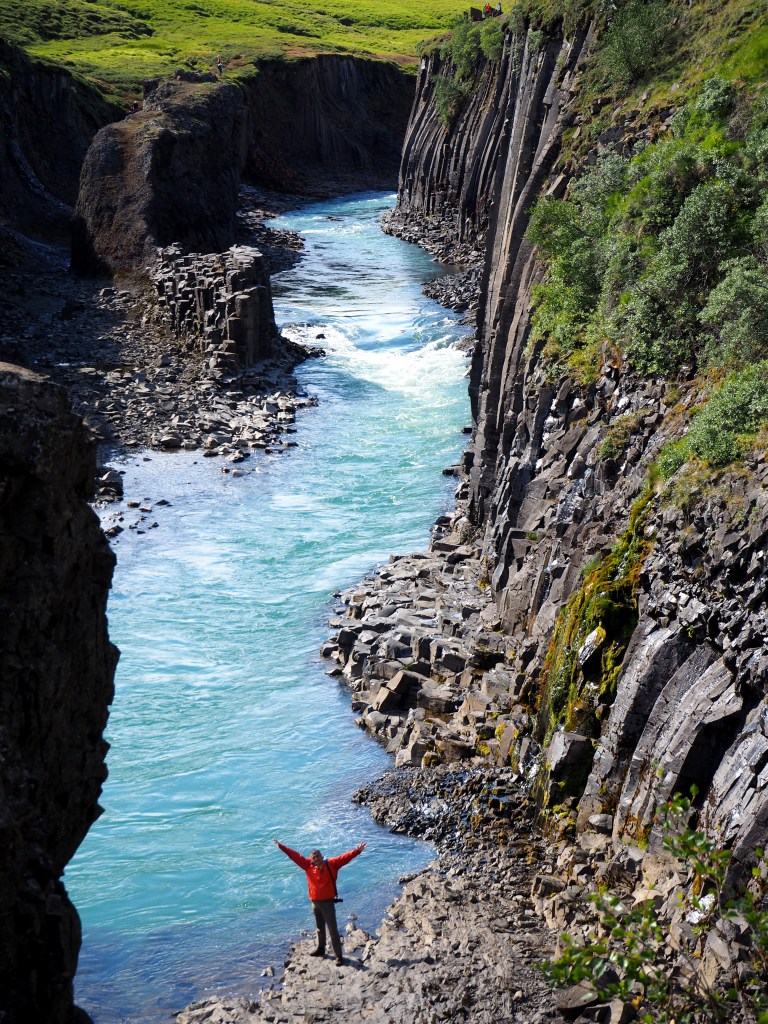
Stuðlagil Canyon
The Stuðlagil Canyon is one of Iceland’s hidden gems. With the largest number of basalt rock columns in Iceland and a stunning blue-green glacial river to contrast, Studlagil is worth the hike. The terrain around the canyon is still relatively untouched and it is hard to reach. You have to be prepared for some off-road driving.
Rauðasandur beach or Red Sands beach.
When I researched our trip to Iceland, I found this red sand beach and was sure we would visit it. All my life, I have known the golden shores of the Black Sea, I have seen and enjoyed many Caribbean white sand beaches, I have been to Hawaii to many and to the newest black sand beach – just a few months old beach created by recent lava flow. I hiked to the green sand beach in Hawaii, and it was spectacular, so I couldn’t miss Rauðasandur beach.
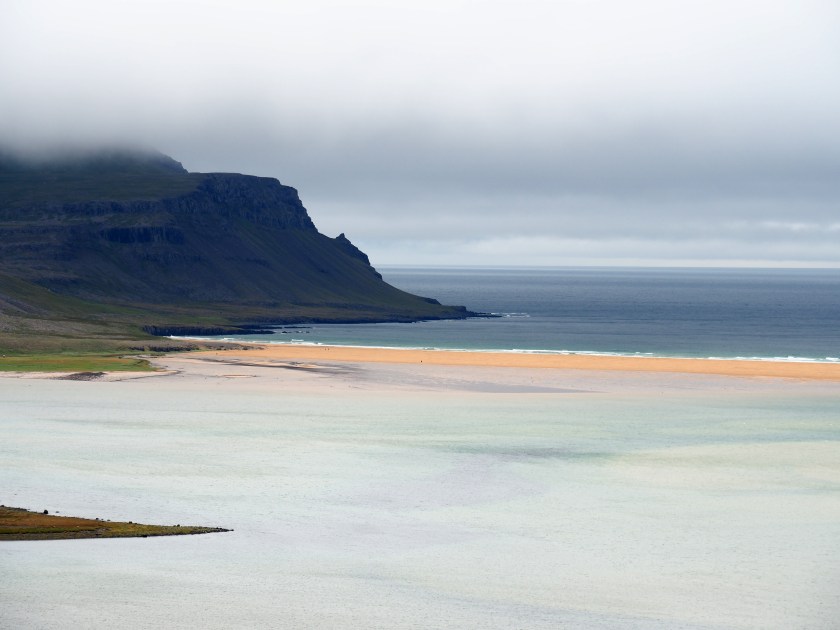
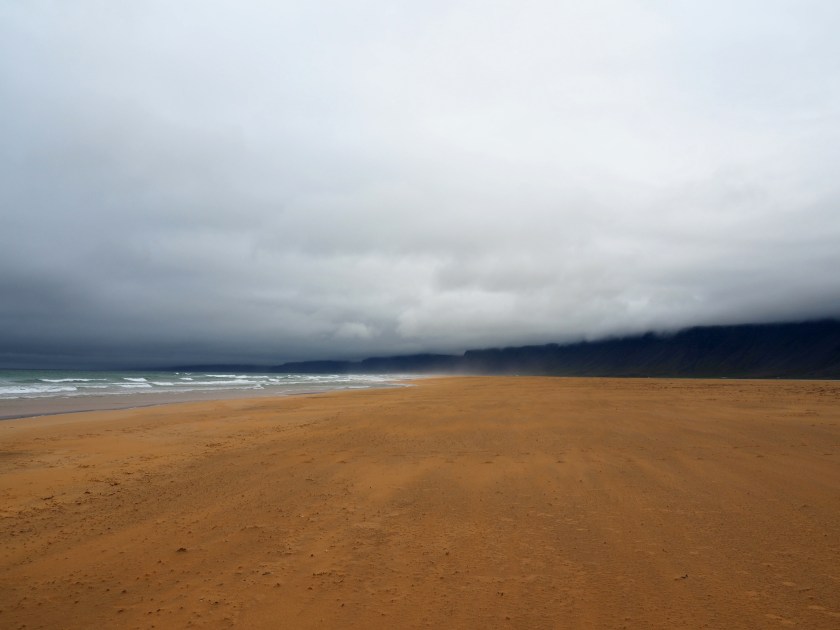
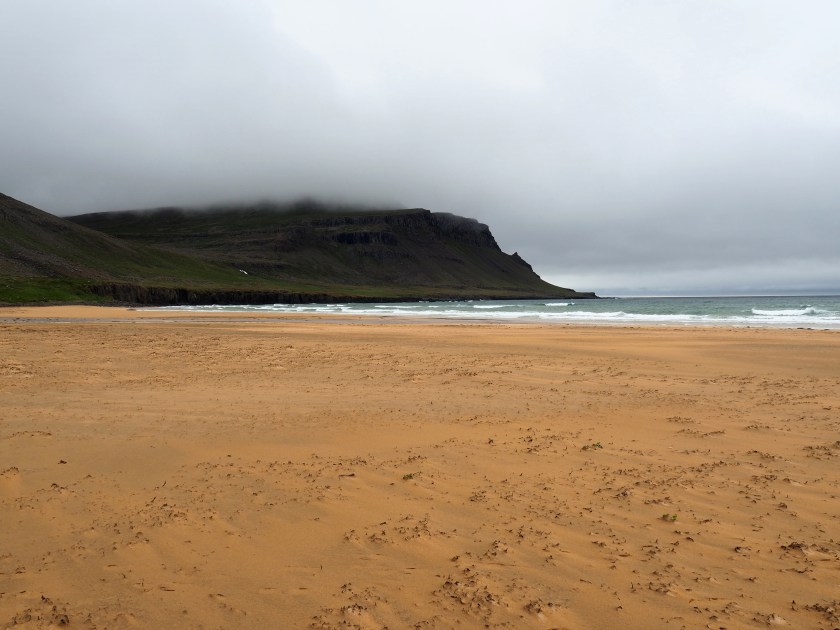

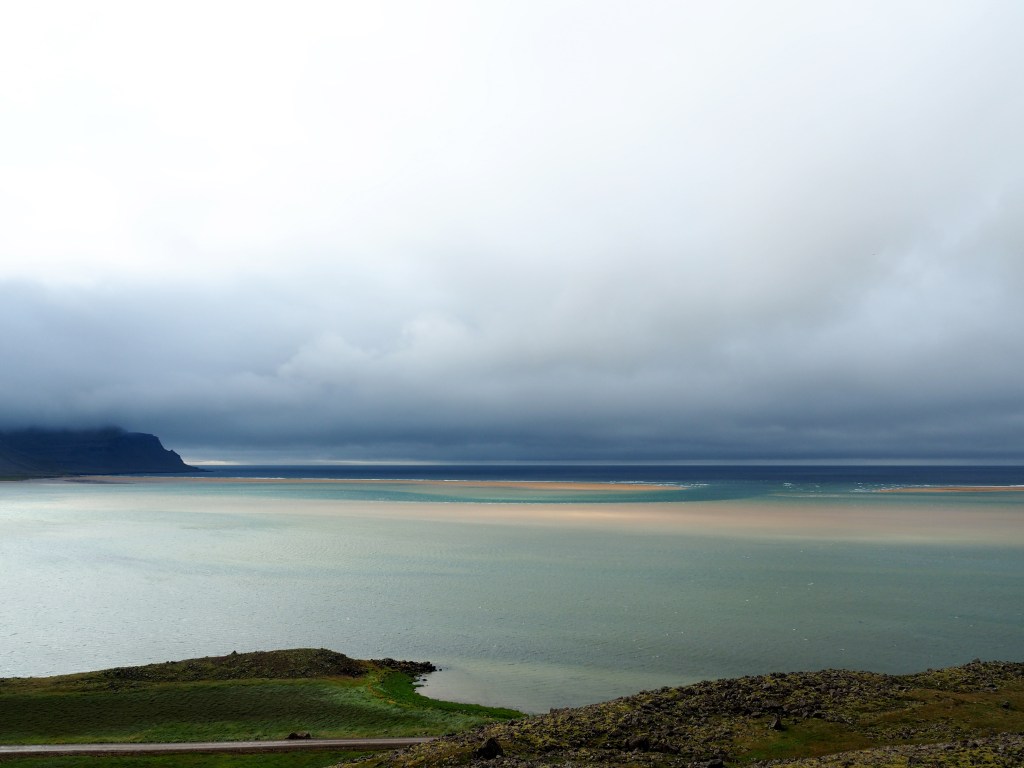
It is in a very remote area in the Westfjords of Iceland. The road leading to Rauðasandur is a gravel road, winding and steep, so the drive was long and slow. There are other beautiful beaches around the fiords of Iceland. If you can ignore the water and air temperature, they look like a paradise.
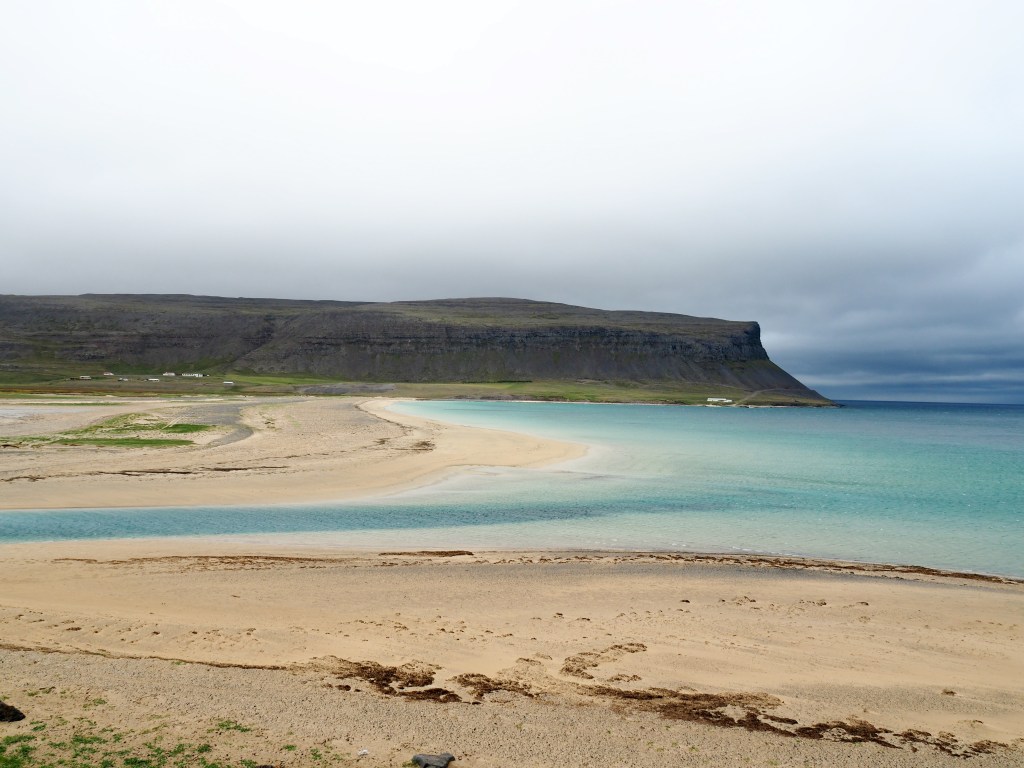
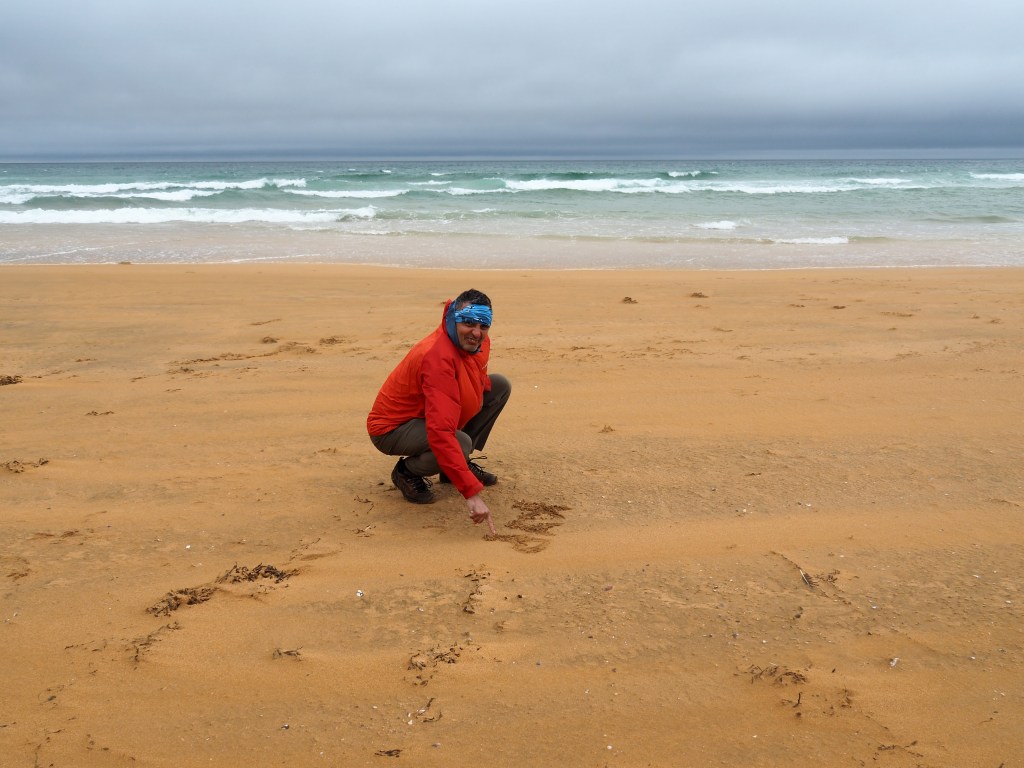
When we arrived at Rauðasandur, I was a little disappointed that the color was not the bright red I imagined, but of course – it was cold and windy. Ivan looked at me and said: “Let’s take a picture, sign on the sand and move on.”

And we did.
We finished our Iceland trip with something strange and smelly – Bjarnarhöfn Shark Museum. Hákarl (Icelandic for “fermented shark”) is a national dish. It is made of a Greenland or basking shark, which is poisonous when fresh because of its high urea content. It must undergo a complicated fermentation process to be consumed safely. The traditional method used by Vikings was to bury pieces of the massive sharks under rocks and sand for several weeks to neutralize these toxins. After digging them up, they would hang the meat to age for a few more weeks. The result is pungent, ammonia-smelling hákarl.
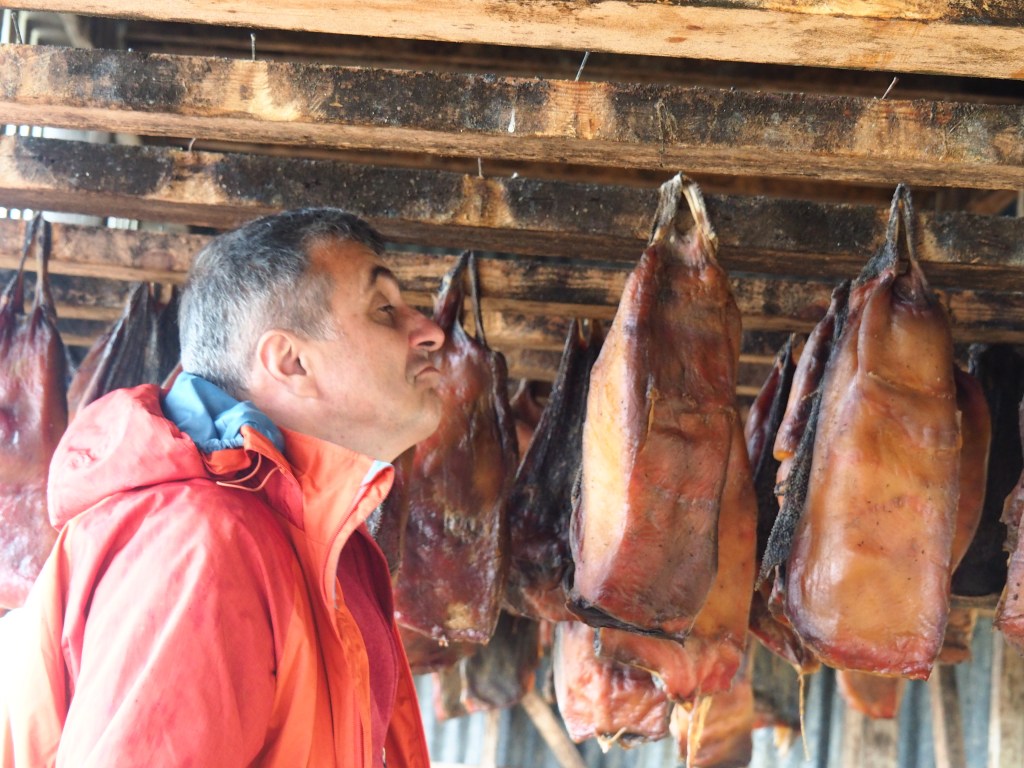
The drying meat under the shed was very smelly, but it wasn’t so bad to taste it. I even had a second helping. We bought a few small packs of it, and against all rules, we brought some to our friends in Bulgaria and Canada.
I don’t think any of them get the courage to eat it, though.
Just to let you know: don’t think that we are some kind of hiking, adventurous junkies, and we didn’t visit any cultural attractions and ignored Icelandic architecture.
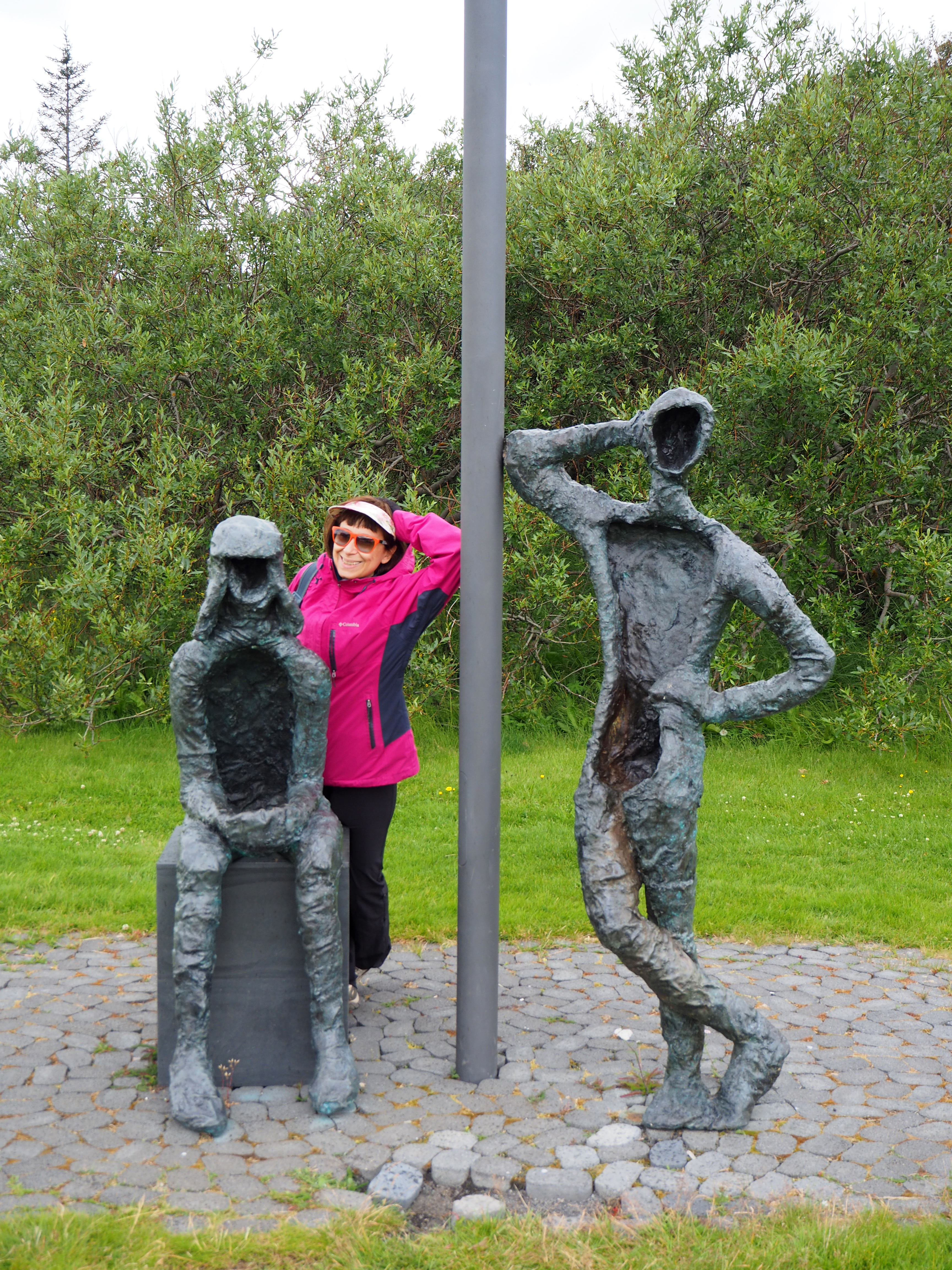
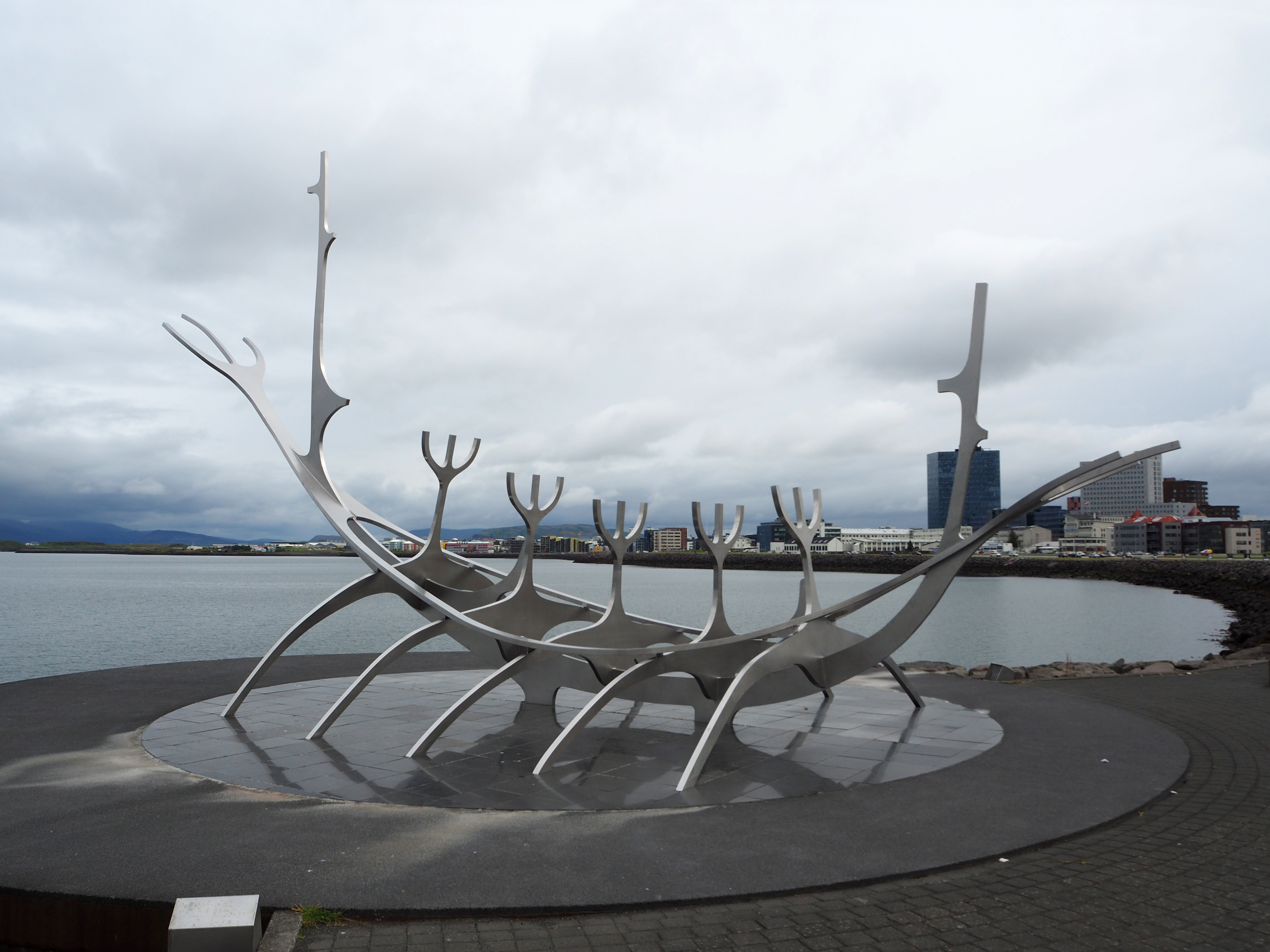
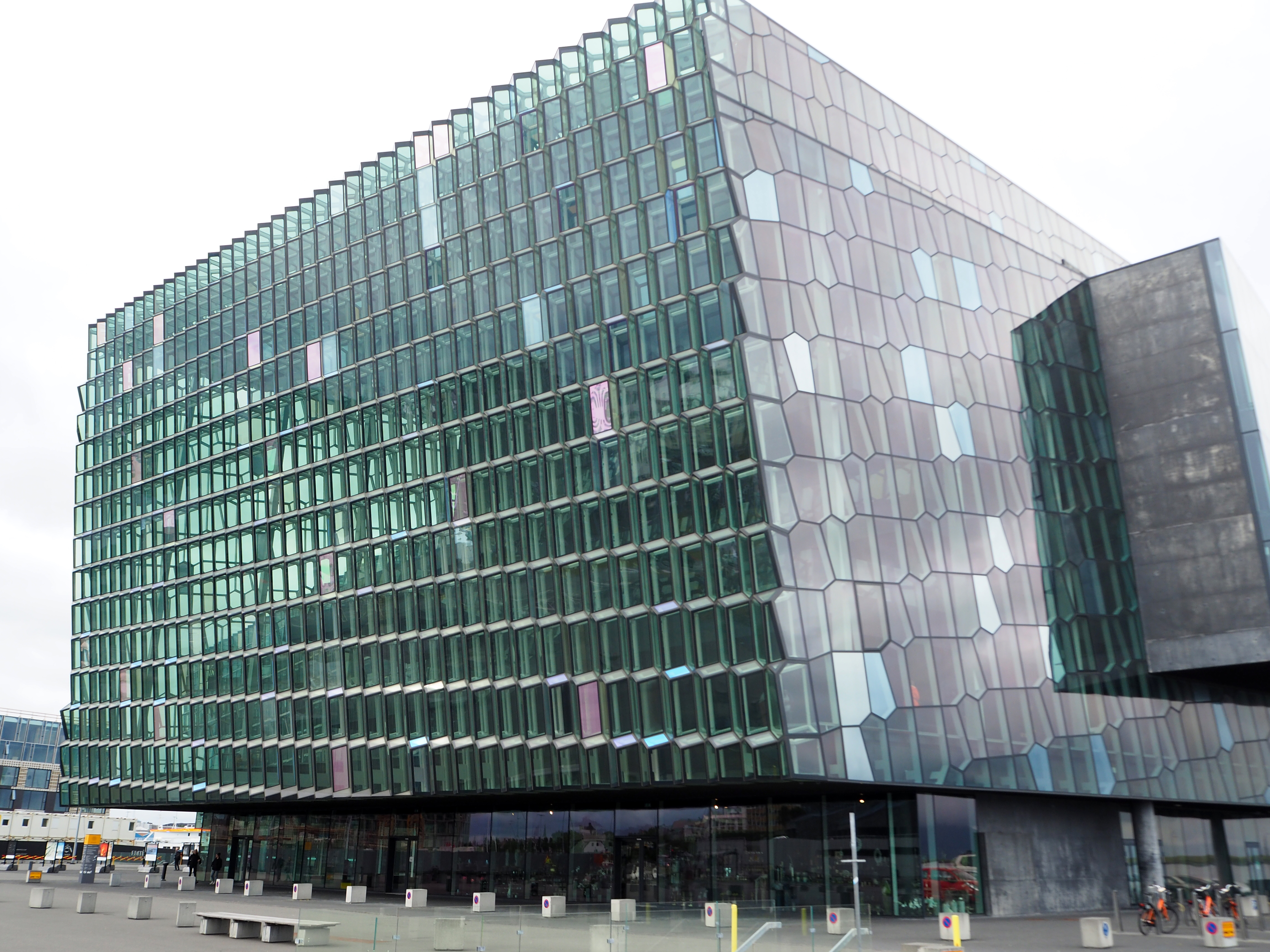
We did for a day.
We even visited a museum –

The penis museum in Reykjavik.
 hit the road...